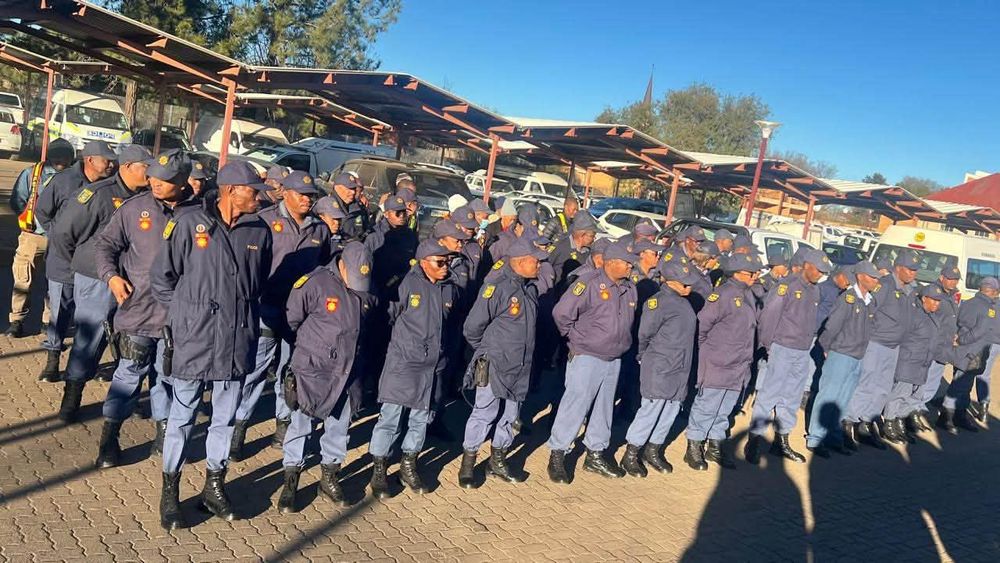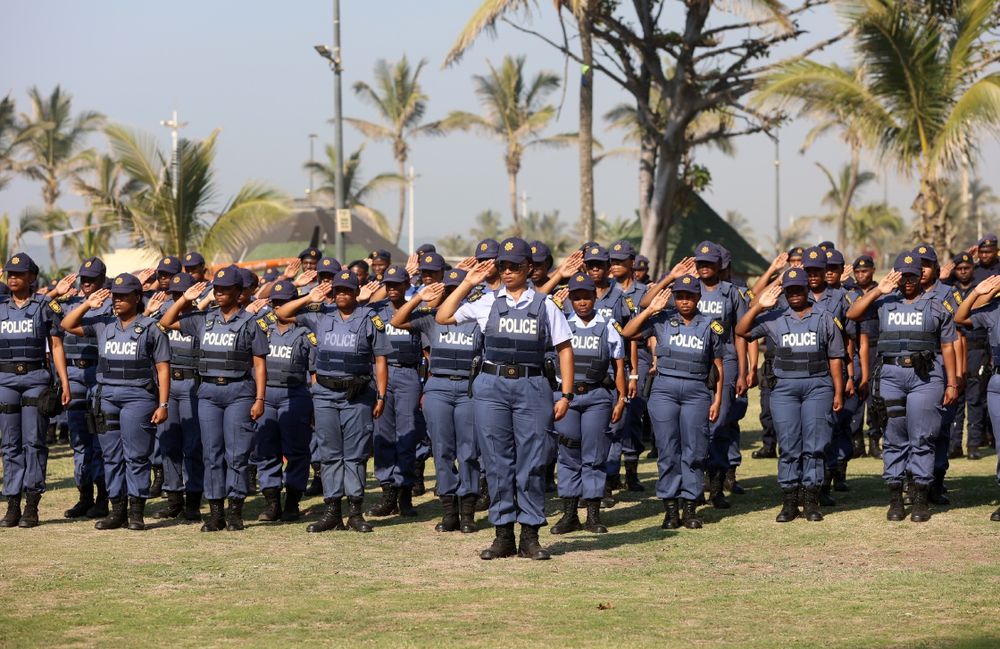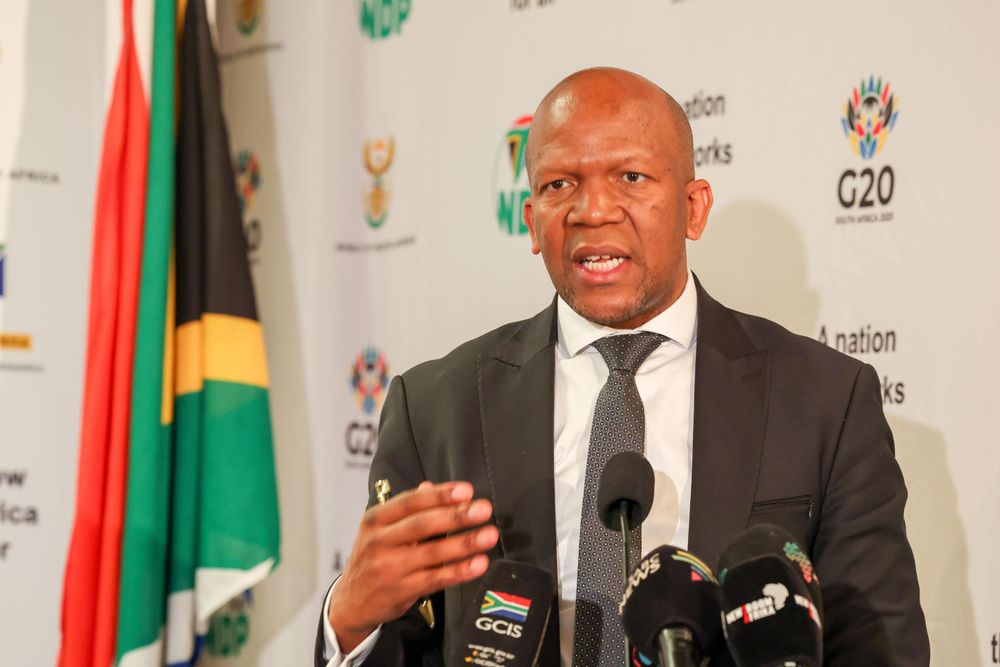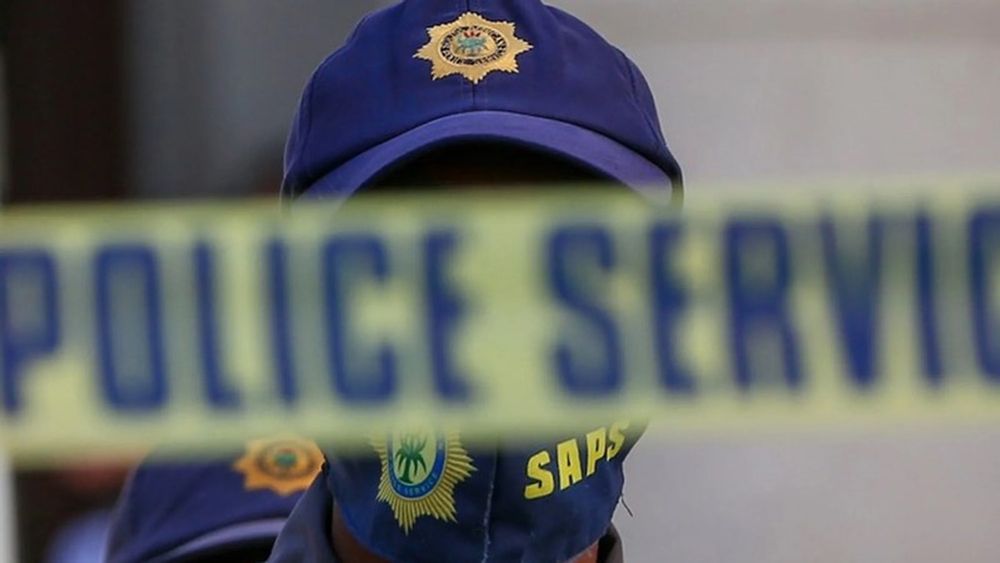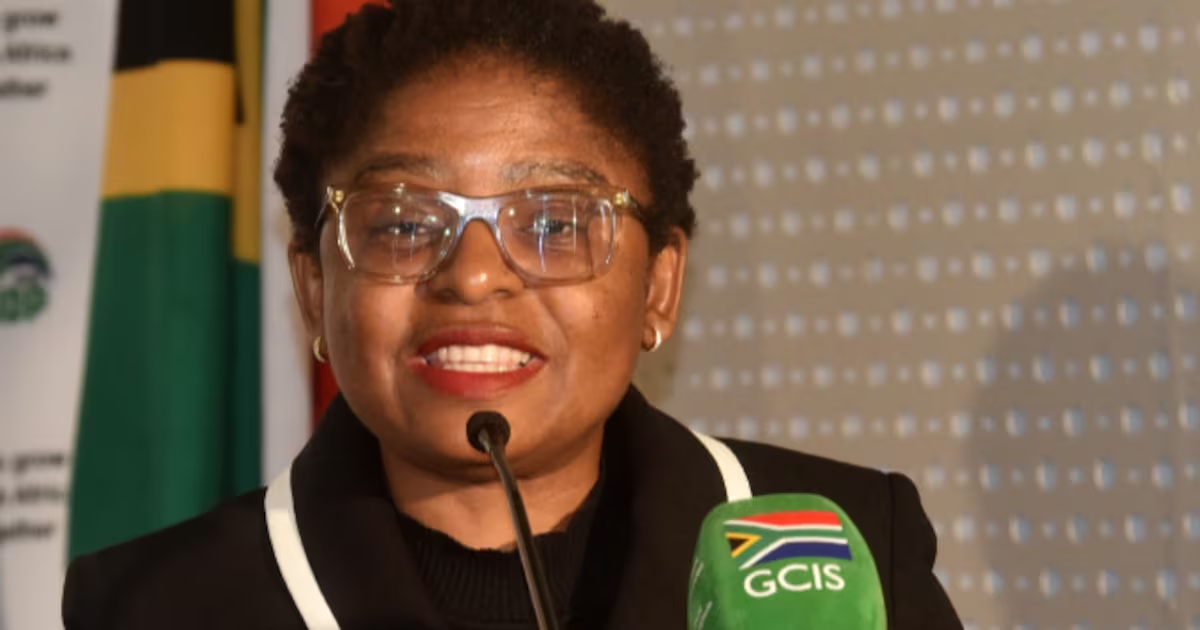
The State Security Agency (SSA) has started re-vetting senior South African Police Service (SAPS) managers as well as members of metro police departments in the wake of corruption allegations, minister in the presidency Khumbudzo Ntshavheni said in her budget vote speech in the National Assembly. This is in line with President Cyril Ramaphosa’s undertaking in his state of the nation address earlier this year. Ntshavheni said this work coincided with her department’s own project of implementing an e-vetting system and reviewing vetting regulations. The need to re-vet senior SAPS officials has been highlighted by evidence presented to the Madlanga commission of inquiry into allegations of criminality, political interference and corruption in the criminal justice system, which Ramaphosa said “exposed rampant corruption in the SAPS and some metro police departments through the abuse of power”. Ntshavheni said consultations are taking place on the reviewed vetting regulations, which are planned for finalisation by the end of September. “Two of the critical new provisions of these regulations are worth mentioning: (a) the provision to refer criminal suspicions to law enforcement for investigations as part of the outcomes of the vetting process, and (b) the provision for continuous lifestyle audits for public sector personnel in strategic positions.”The e-vetting system would make it possible for the SSA to undertake large-scale vetting projects, she said. Testing of phase one of the system has started and will be used for vetting SAPS members and employees of municipal police departments in the first quarter of the 2026/27 financial year. She added that a total of 39,000 files out of 56,000 dating back to 2018 had been digitised to date. Ntshavheni stressed that for the SSA to ensure the country’s security, it needs to modernise its systems, strengthen its capacity to anticipate and respond to emerging threats, build the necessary skills and capabilities, and act decisively. The most immediate threat is organised crime, which she said has escalated into a multi-dimensional and deeply entrenched threat that undermines the country’s national security, economic stability, democratic governance and social cohesion. “We are witnessing structured and highly co-ordinated criminal networks that operate systematically for profit through illegal activities. These networks range from local gangs to transnational syndicates.”The minister noted that the fight against organised crime in South Africa and around the world is undermined by the contamination of the criminal justice system. “Since 2021, the national intelligence estimates have raised the need to decontaminate the criminal justice system; however, compromised elements within the system have always made it impossible to implement this national intelligence priority,” she said. The Madlanga commission exposed the extent of the contamination, Ntshavheni said. There are signs of an intersection of violent societal conflicts with organised crime and the influence of foreign actors. Recently, South Africa experienced a rise in protests against illegal immigration “that are exploiting the genuine concerns of South Africans about the spiralling illegal immigration programme, and these genuine concerns are opportunistically being used by criminal elements, populist agitators and external actors seeking to destabilise our nation”.She said: “In the 2025/26 financial year, the SSA strengthened its focus on early detection and mitigation of these threats.” The exploitation of illegal migration by organised criminal syndicates is a transnational security concern, she added.Cybersecurity is a top priority for the intelligence services, and the development of a comprehensive cybersecurity strategy is essential in light of the growing number of cyberattacks affecting multiple sectors and causing significant disruptions. A revised national cybersecurity strategy should be adopted in the next quarter. Ntshavheni said priority will be given in the 2026/27 financial year to the disestablishment of the SSA and the establishment of the South African Intelligence Agency (domestic) and the South African Intelligence Service (foreign). Work is already under way to prepare for the proclamation of the General Intelligence Laws Amendment Act, including the outline of the functions and structures for the reconfigured intelligence services, as well as the finalisation of the regulations required for the act’s implementation.
Ntshavheni says SAPS senior managers are being re-vetted
State Security Agency has started re-vetting senior police managers as well as members of metro police departments in the wake of corruption allegations
659 words~3 min read