Bolivia has a Bitcoin mining problem that looks, on the surface, like a Bitcoin mining success story. The country’s hashrate surged 2,400% through early 2026, a number that sounds like cause for celebration until you understand what was fueling it: heavily subsidized natural gas priced at $1.30 per MMBTU, a fraction of the $8 to $12 per MMBTU that liquefied natural gas fetches on international markets.
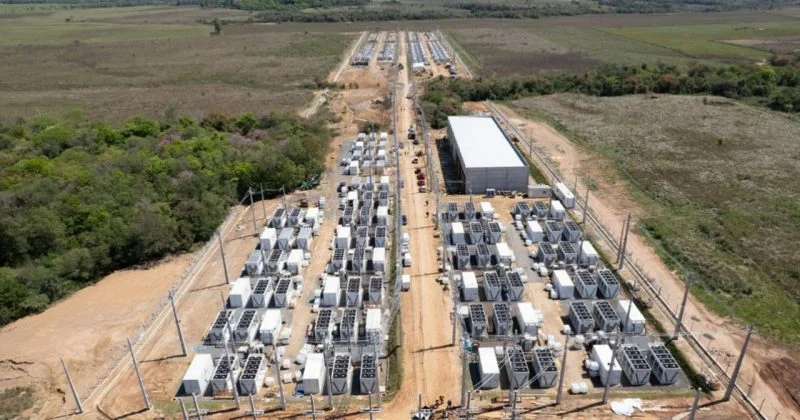
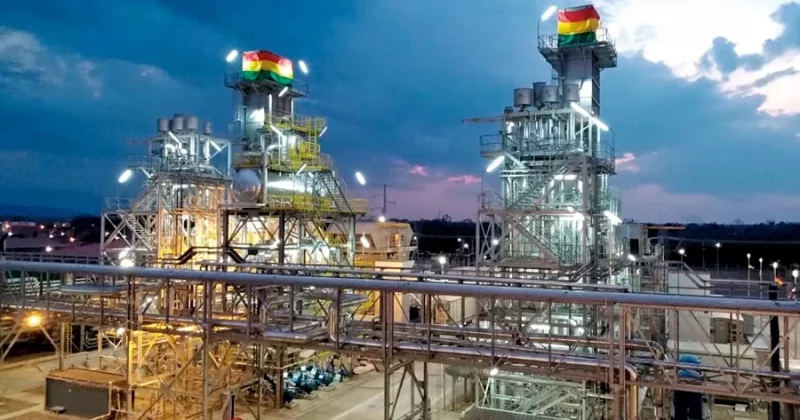
Now, a different approach is taking shape. Italian energy firm Alps, working with local partner Qurubiqa, has begun reviving a dormant 127 MW gas-fired thermal plant in Cercado, Cochabamba, converting what was essentially a stranded industrial asset into a Bitcoin mining operation that runs on hard currency instead of government handouts.
How the model actually works
The plant in Cochabamba had been sitting idle, a casualty of the distortions between Bolivia’s official and market exchange rates. When your national currency is in freefall, operating a power plant that sells electricity denominated in that currency becomes a losing proposition.
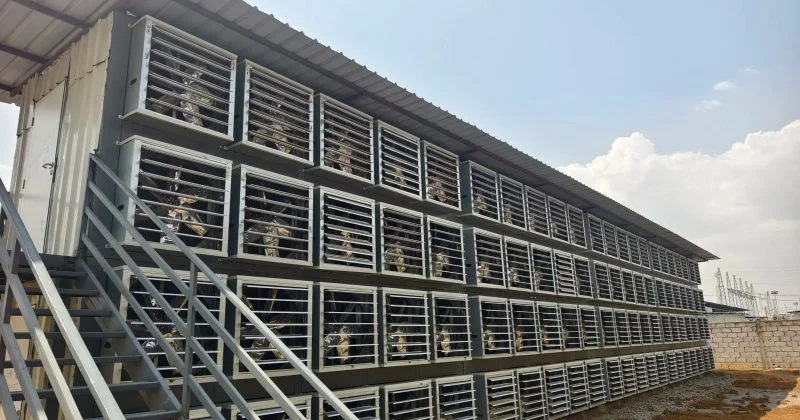
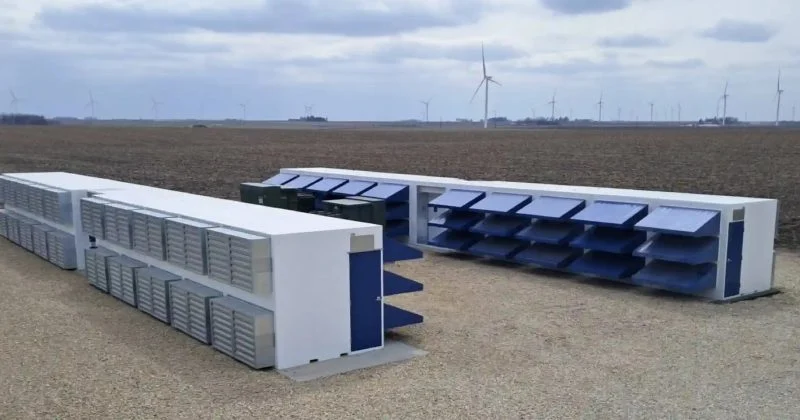
Alps and Qurubiqa found a workaround. They structured the operation as a behind-the-meter, USD auto-consumption model. The mining rigs sit at the power plant, consume the electricity directly, and the entire transaction chain is denominated in US dollars rather than Bolivian bolivianos.