Could anything but profit steer artificial intelligence?
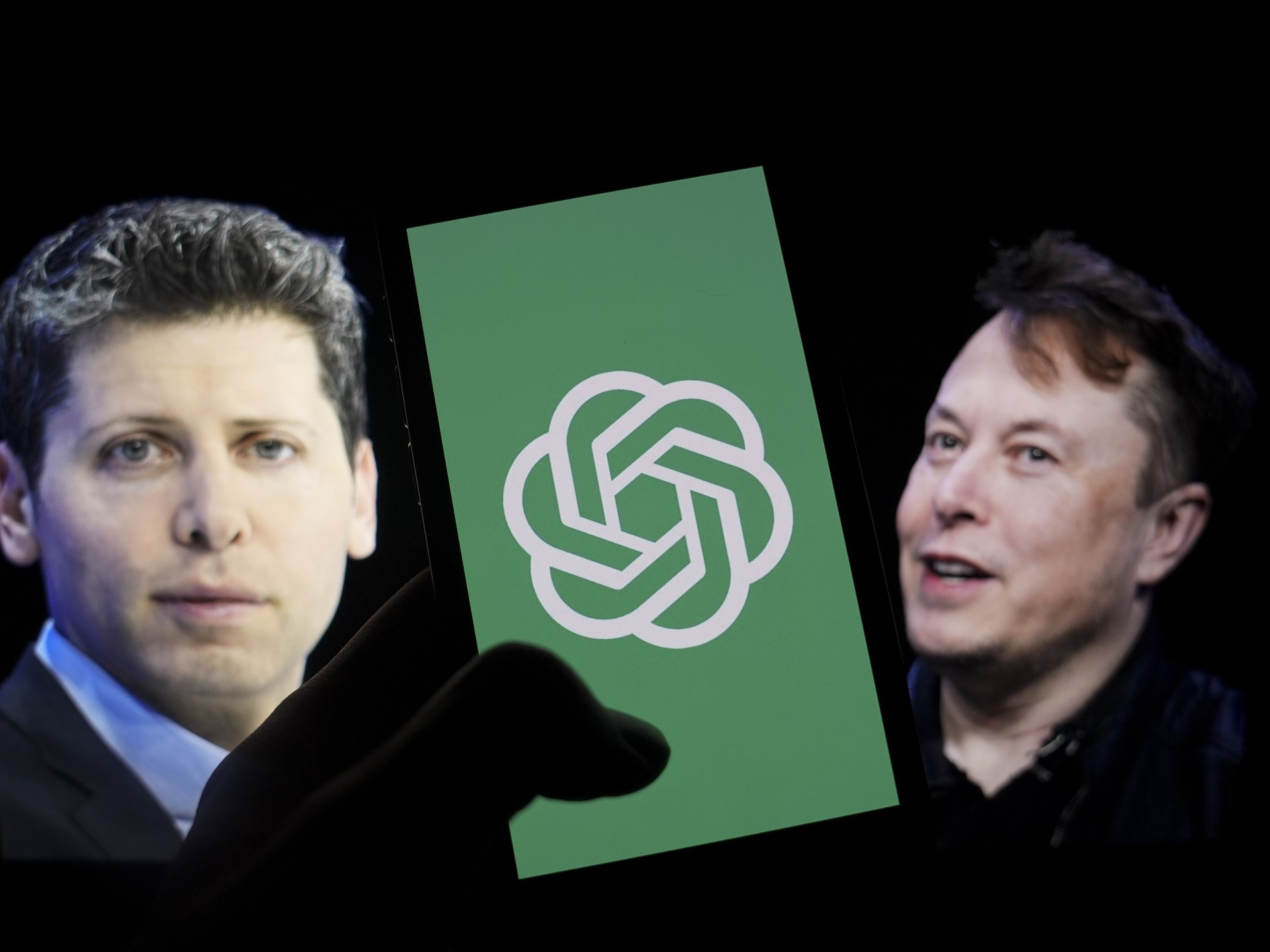
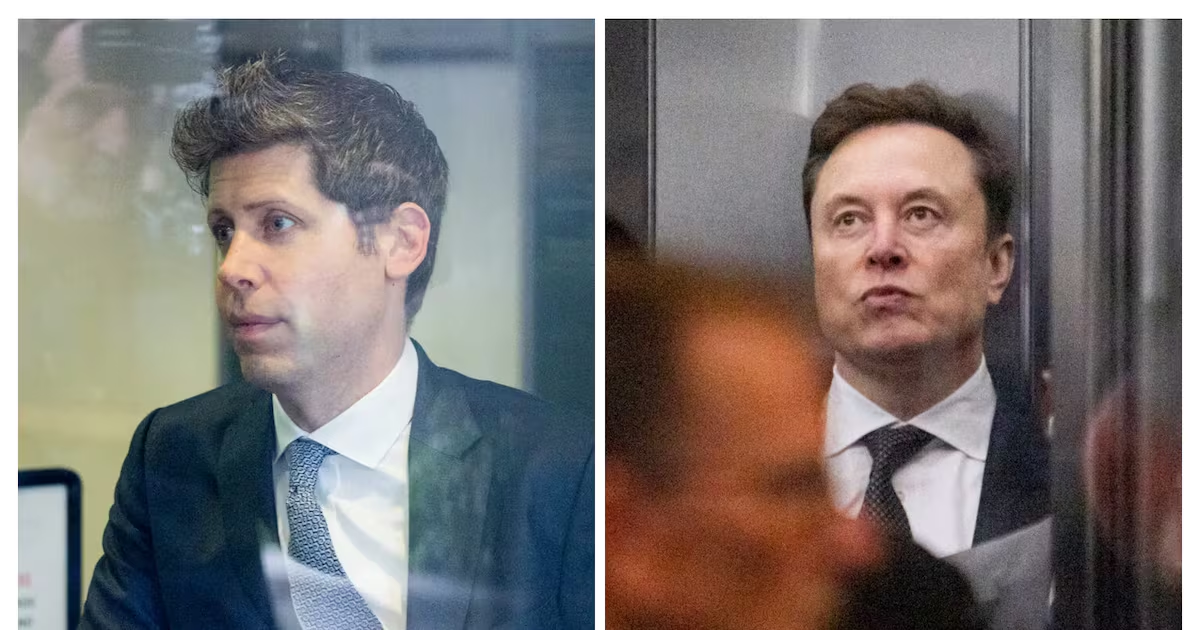
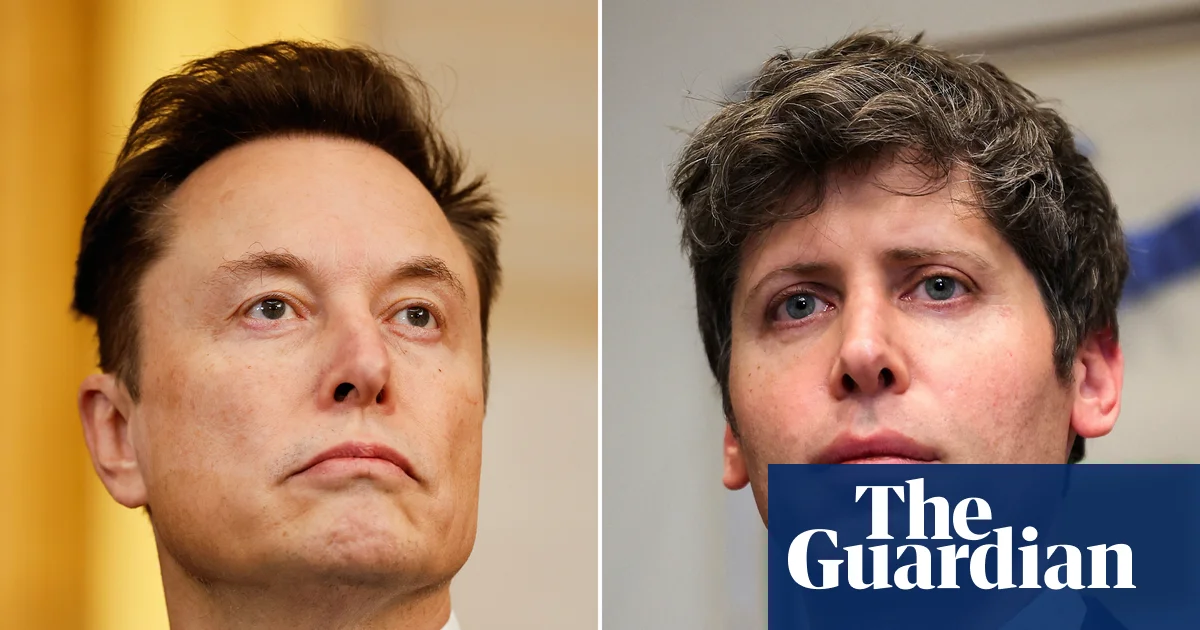
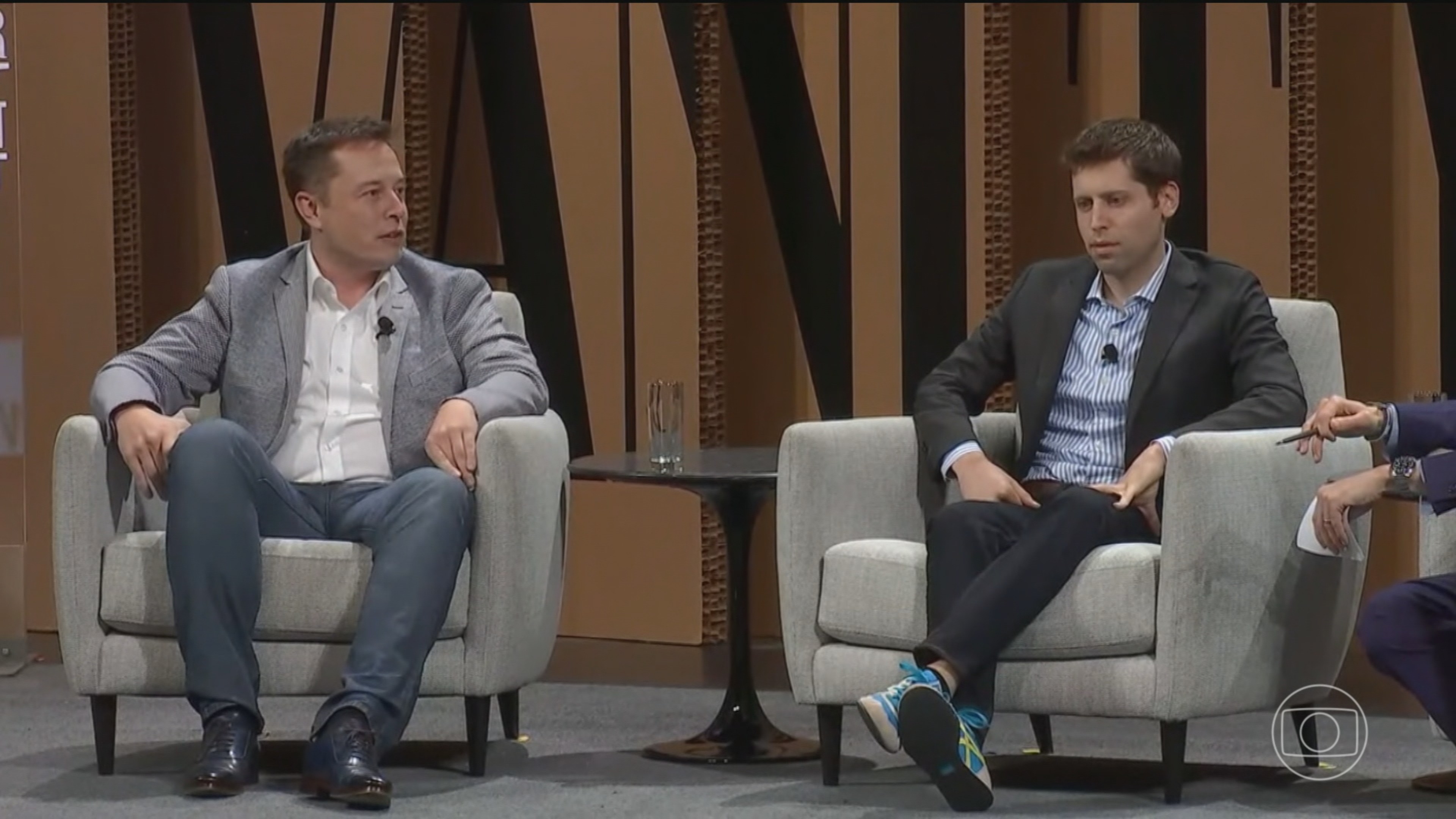
The trial pitting Elon Musk against OpenAI CEO Sam Altman made clear the two billionaires agreed on one thing: Building artificial intelligence would require significant resources — and enormous amounts of money.
It may seem obvious now, as an AI-obsessed stock market helps finance a global construction boom of chipmaking factories and energy-hogging data centers to keep chatbots running, but testimony and evidence showed how people with outsized control of the AI industry were privately debating its costs nearly a decade ago.
“Even raising several hundred million won’t be enough,” Musk said in a 2018 email to Altman and other OpenAI co-founders about what he increasingly saw as a futile attempt to compete with Google. “This needs billions per year immediately or forget it.”
The soaring costs factored into the trajectory of OpenAI, which began in 2015 as a nonprofit dedicated to developing AI for the common good and is now a capitalistic enterprise valued at $852 billion. OpenAI and other AI companies move toward historically large Wall Street debuts, the trial also raised questions about whether anything but commercial interests can steer AI’s future.