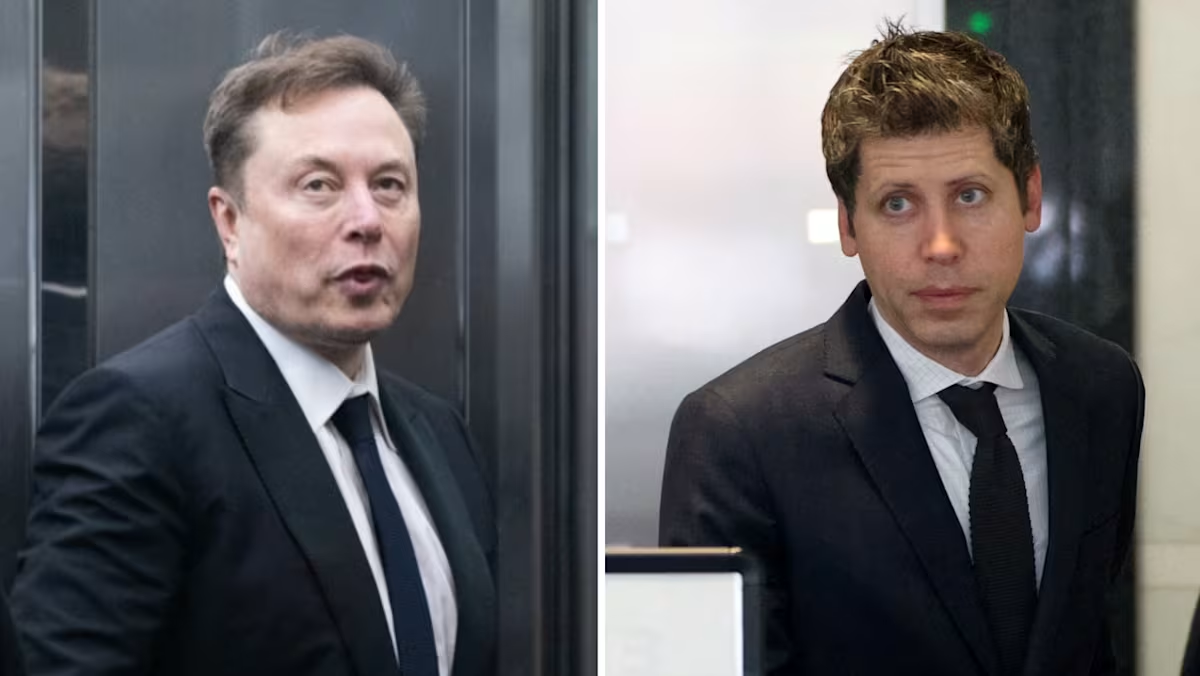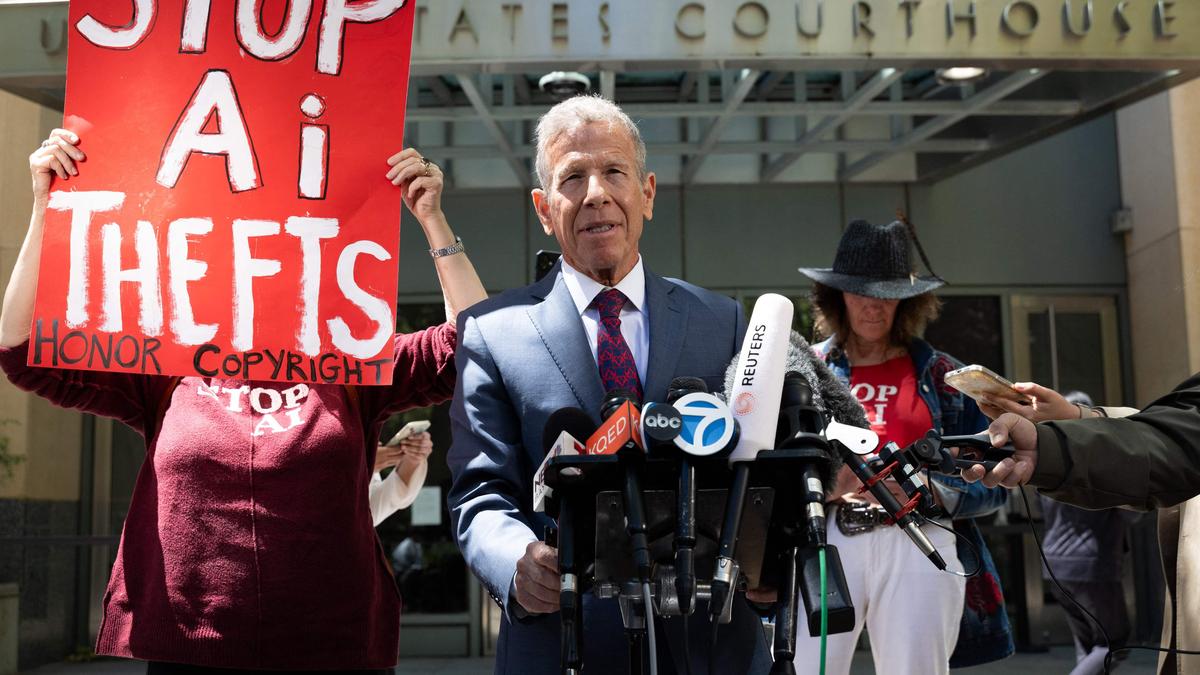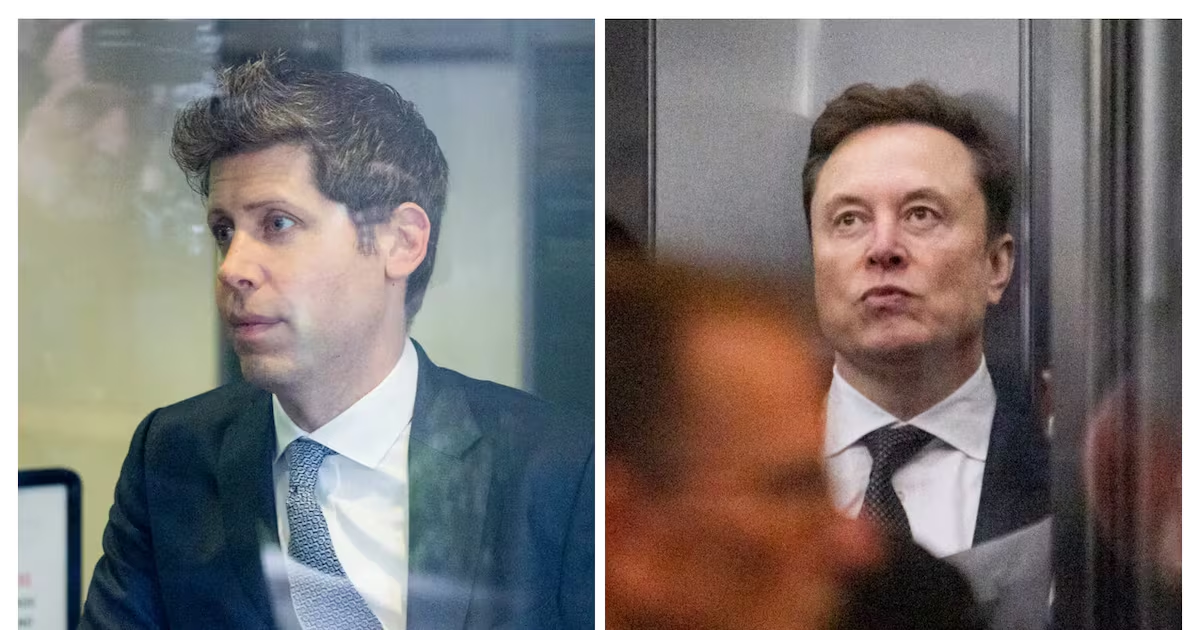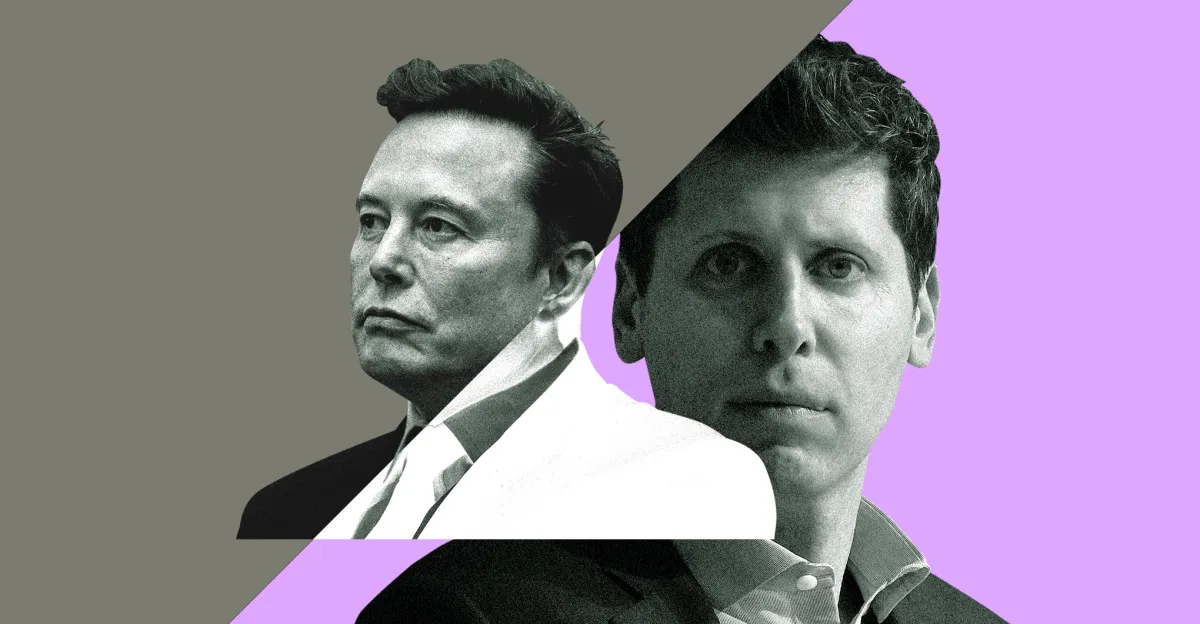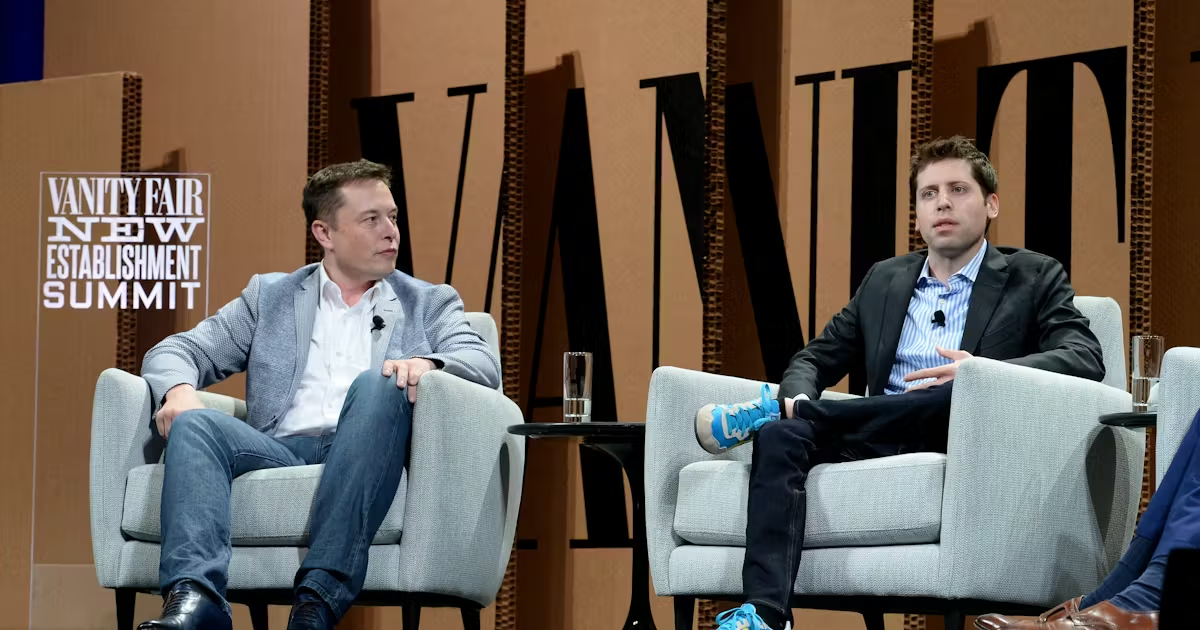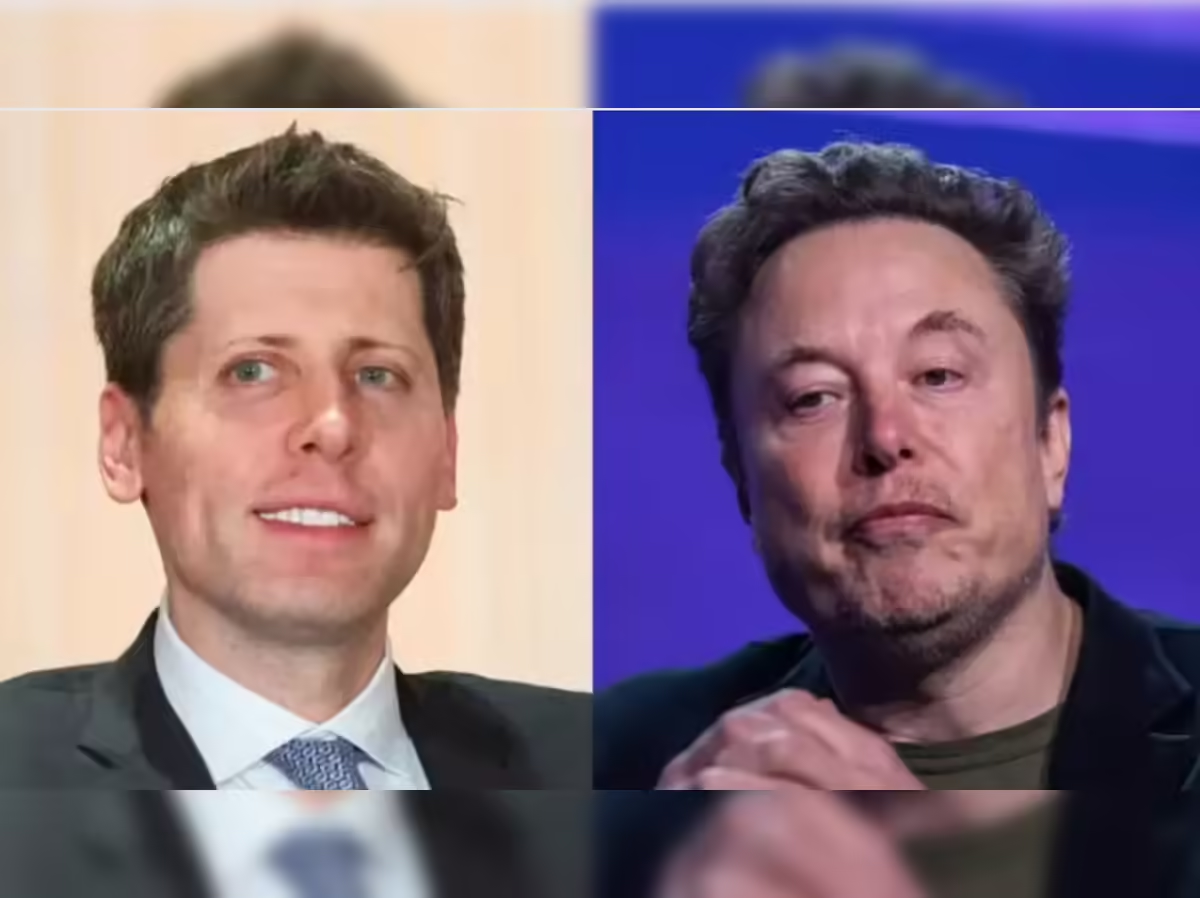
SynopsisElon Musk's attempt to halt OpenAI's transformation into a profit-driven entity hit a snag due to a technicality, leaving the crucial issue of AI governance in limbo. Amidst this backdrop, Sam Altman contends that financial imperatives were at the heart of the decision. This transition could potentially unleash a race for AI supremacy, diverting attention from ethical considerations.Ethical AI development arguments remainElon Musk's case against OpenAI turning into a for-profit organisation fell apart on a technicality. But the central question - on how AI should be governed - remains unanswered. Sam Altman's argument is that its mission drift from non-profit to for-profit was necessitated by the financial reality of the tech's large investment requirements. These are better secured through commitments of returns to investors than by appeals to assist with improving mankind's future. The transition, though, shapes the evolutionary path of AI from ethical development to an arms race. AI developed to 'benefit humanity' is less likely to be uncontrolled and potentially harmful. This was the original premise agreed upon by Musk and Altman when they cofounded OpenAI.By the time Musk's case came up in court, he had housed cash-guzzling xAI, OpenAI's competitor, in SpaceX, which has been fairly successful with reusable rockets. Both SpaceX and Microsoft- backed OpenAI are headed for record-setting IPOs. Arguments over ethical AI development have been swept aside by the sheer weight of investor interest. AI's resource intensity in terms of energy and computing has created almost universal expectations of super normal profits. As things stand, shareholders will be AI's biggest beneficiaries. Other sections of society will need protection against job displacement and data extraction.Technologies best emerge from an environment of regulated profits where investor expectations are anchored. AI is now an investment bubble. Investors are chasing an asset class with no precedent for valuation. A consensus exists that the technology is transformative, and RoIs are dissociating from earnings. The ethical dimension will, thus, have to be dealt with by courts. Although the question was left unaddressed because of the statute of limitations in OpenAI, it will crop up again as more non-profits experience mission drift. Musk is unlikely to let his challenge fail on a technicality. And his persistence could jolly well evoke a more thorough legal scrutiny. ...moreElevate your knowledge and leadership skills at a cost cheaper than your daily tea.Subscribe Now
The real question OpenAI's win Musks - The Economic Times
Elon Musk's attempt to halt OpenAI's transformation into a profit-driven entity hit a snag due to a technicality, leaving the crucial issue of AI governance in limbo. Amidst this backdrop, Sam Altman contends that financial imperatives were at the heart of the decision. This transition could potentially unleash a race for AI supremacy, diverting attention from ethical considerations.
389 words~2 min read