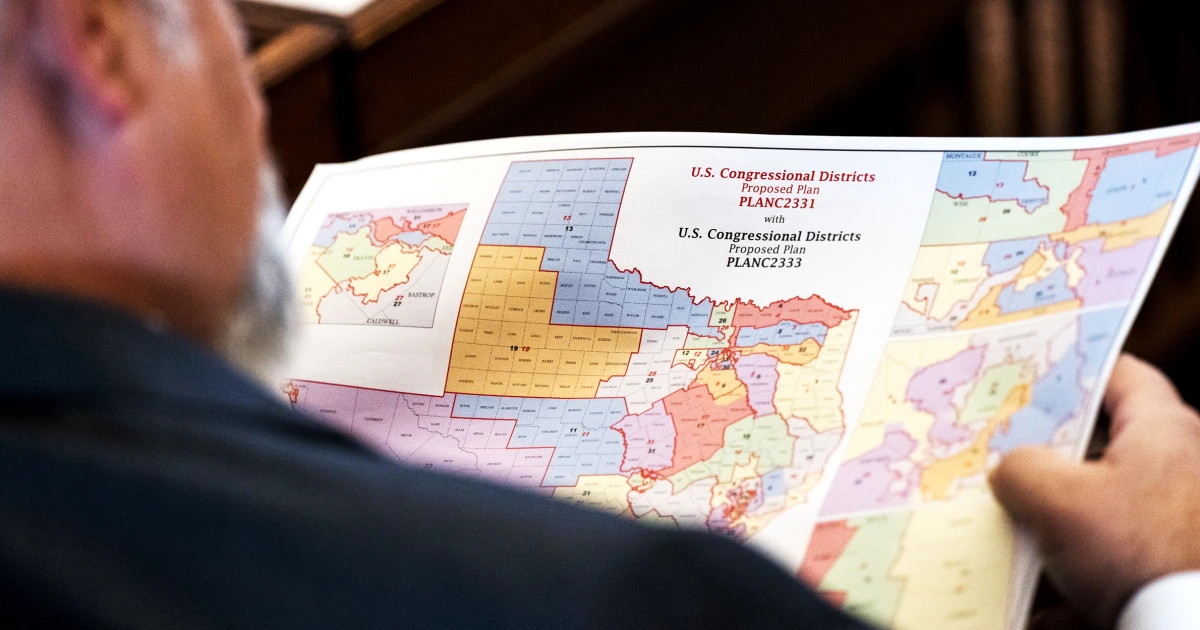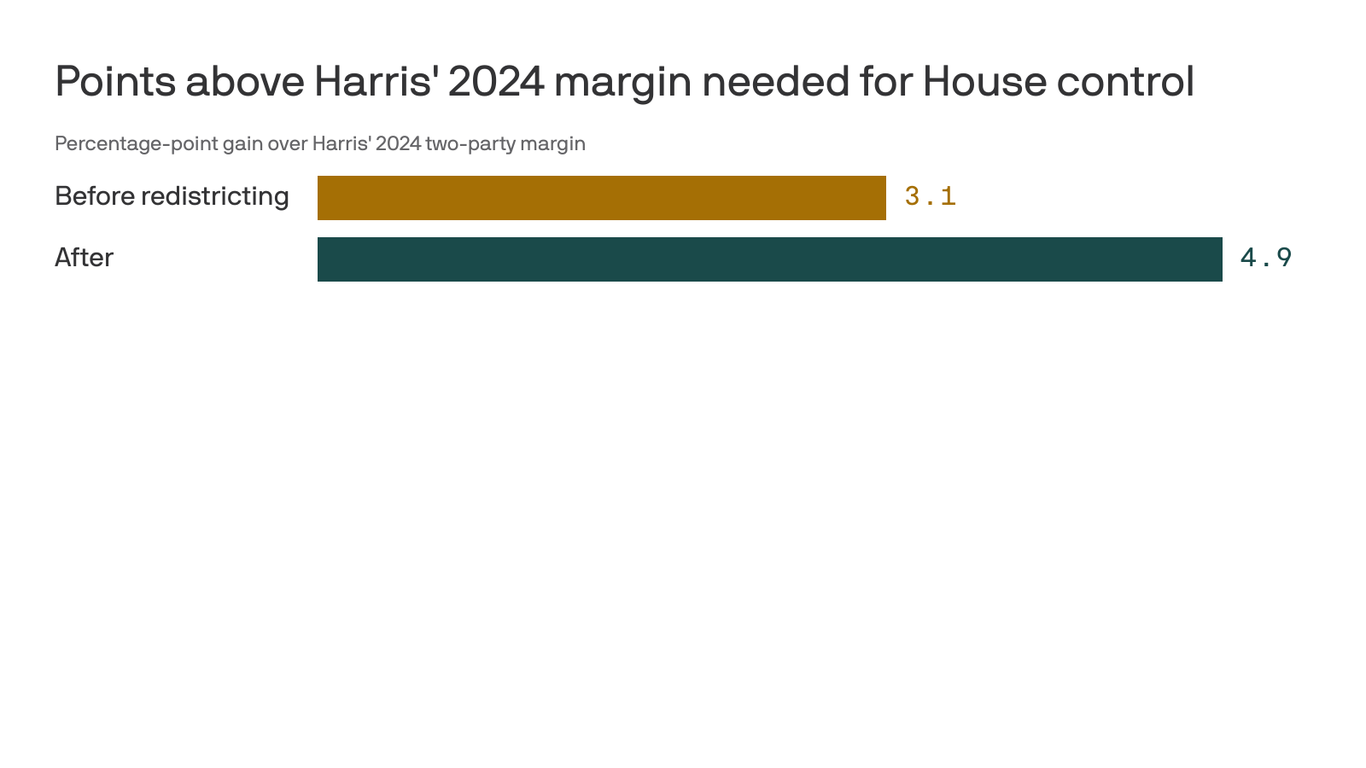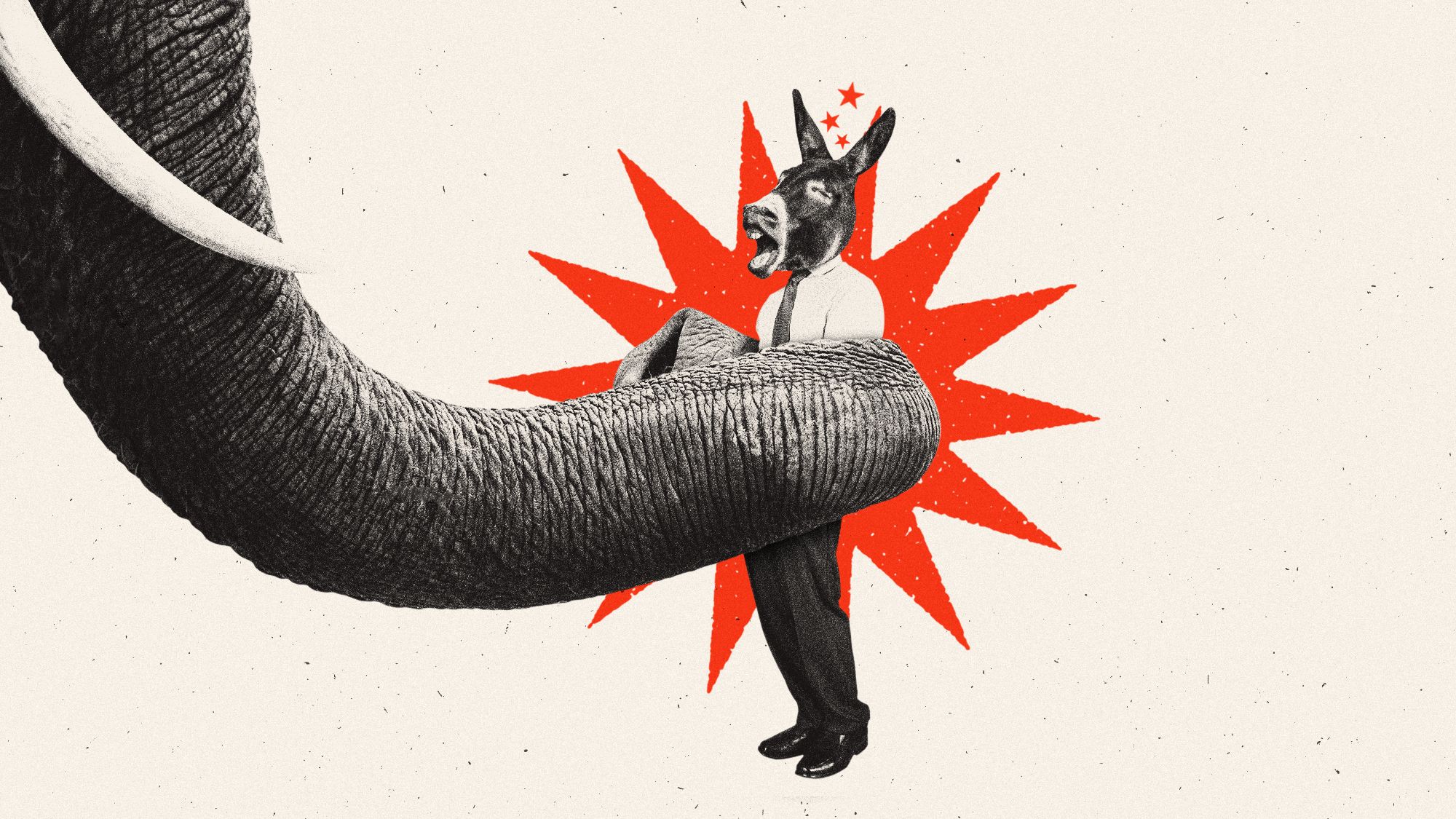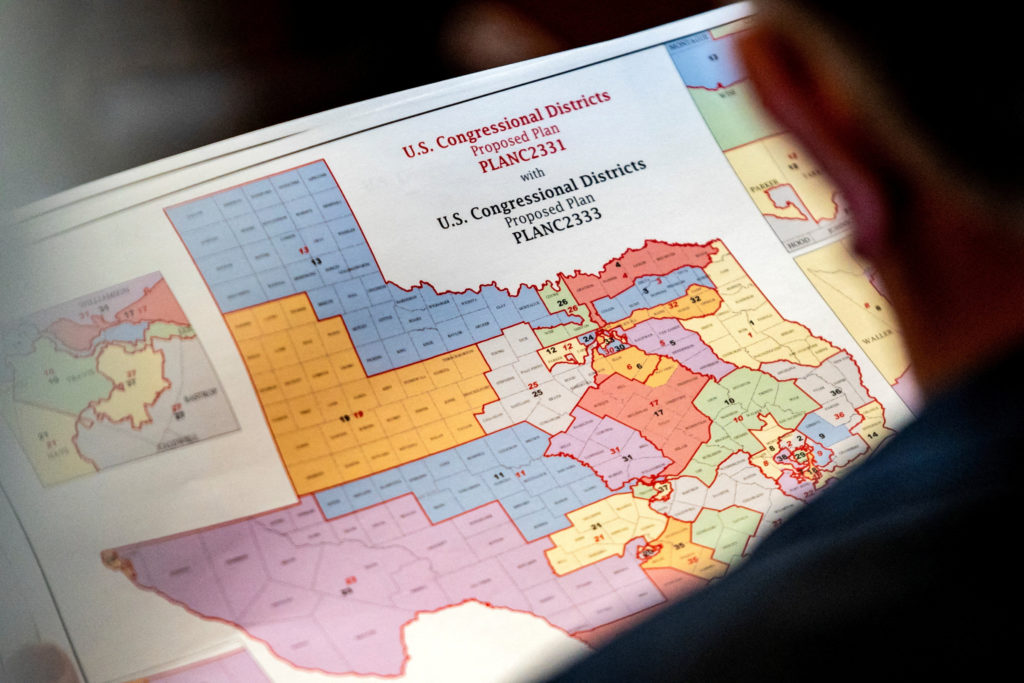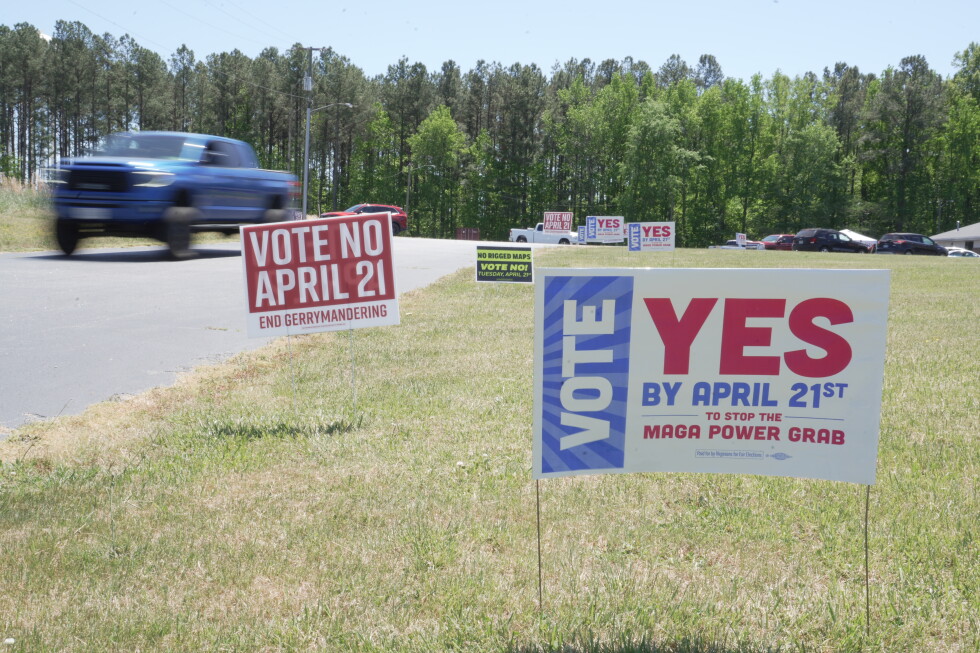
Democrats are poised to finish several seats behind Republicans in 2026 in the nationwide race to redraw maps for the U.S. House. They can catch up in 2028, but only if they overcome a series of redistricting hurdles that the GOP does not face.That’s because Democrats, in many states, can draw partisan political lines only if they evade constraints — some self-imposed — on their ability to counterpunch.In Colorado, New Jersey, New York and Washington, redistricting commissions draw boundaries that are not supposed to benefit either party. Democrats will have to gain voters’ permission to nullify those politically popular bodies and replace their balanced maps with ruthlessly gerrymandered ones to match what Republicans did after President Donald Trump last year demanded a sweeping redrawing in Republican-controlled states in an attempt to help his party keep its House majority.
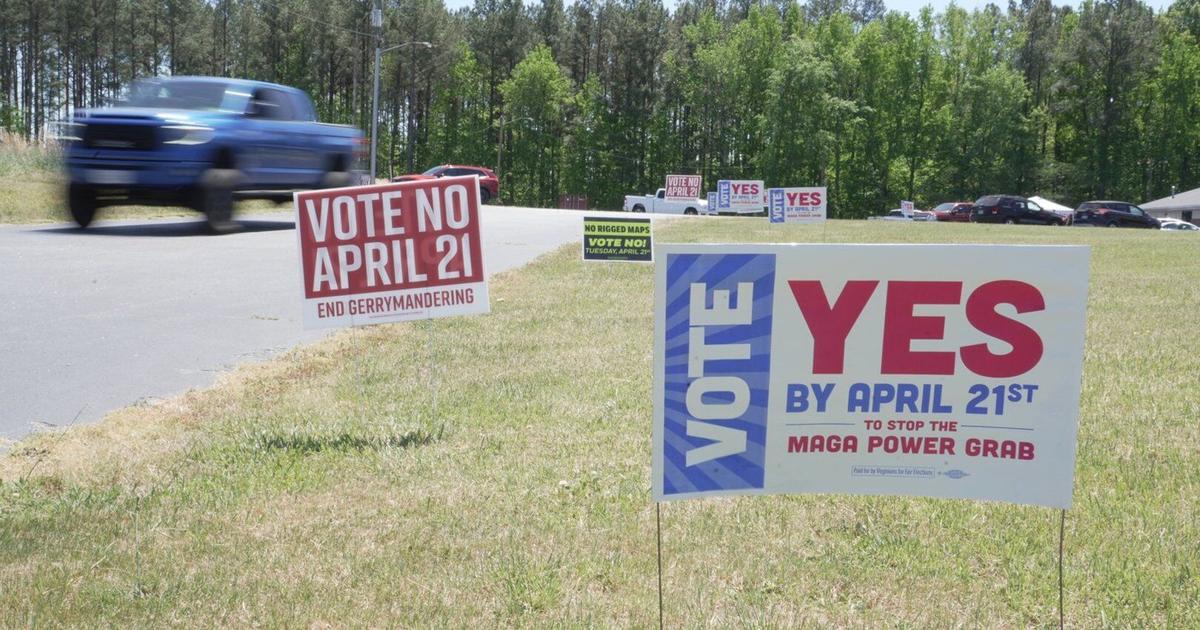
If the Democrats get a detail wrong in their process, courts could unwind the new maps. That is what happened in Virginia this month when the state Supreme Court invalidated voter-approved maps that would have given Democrats four more winnable seats. The court found the Democratic-controlled legislature did not follow the correct procedure when it placed the measure on the ballot.“It’s going to be expensive, it’s going to be unpopular, and it’s going to be a challenge for them to do what they want,” said Adam Kincaid, executive director of the National Republican Redistricting Trust.