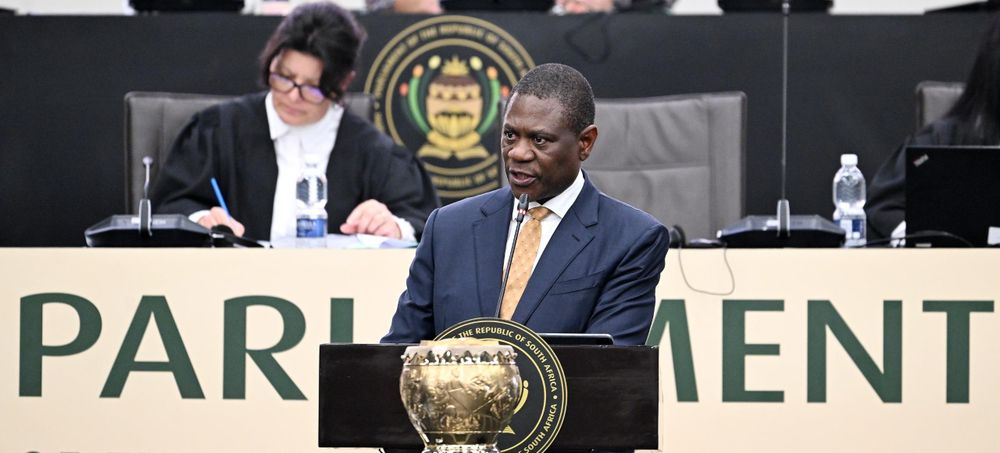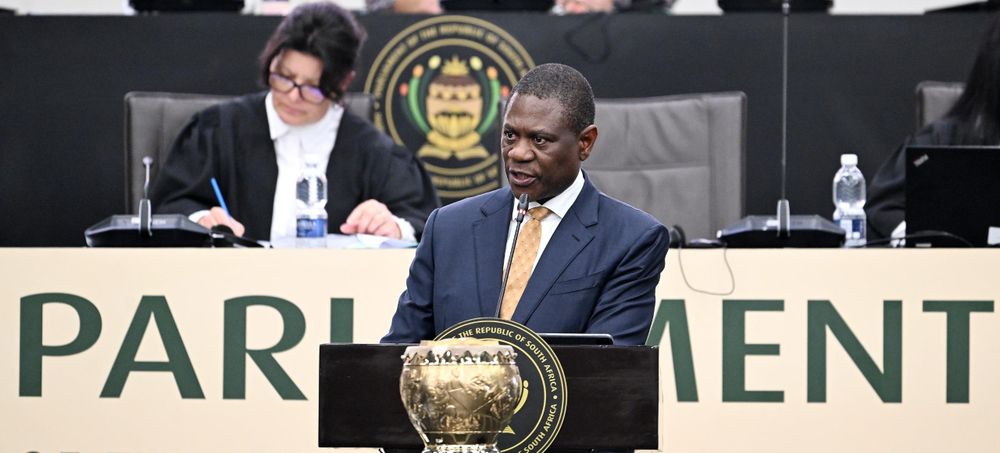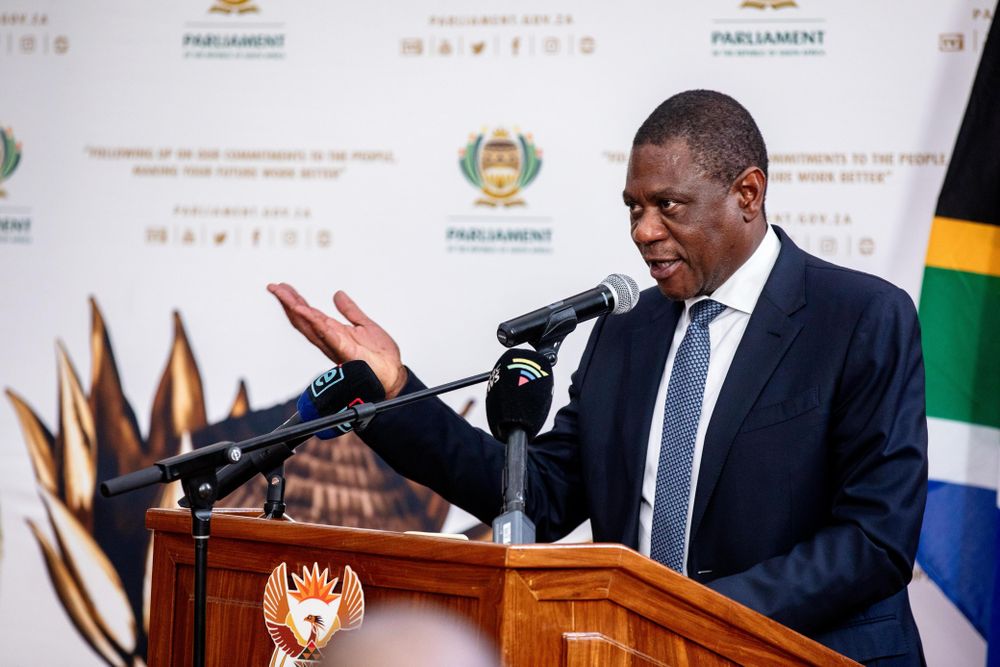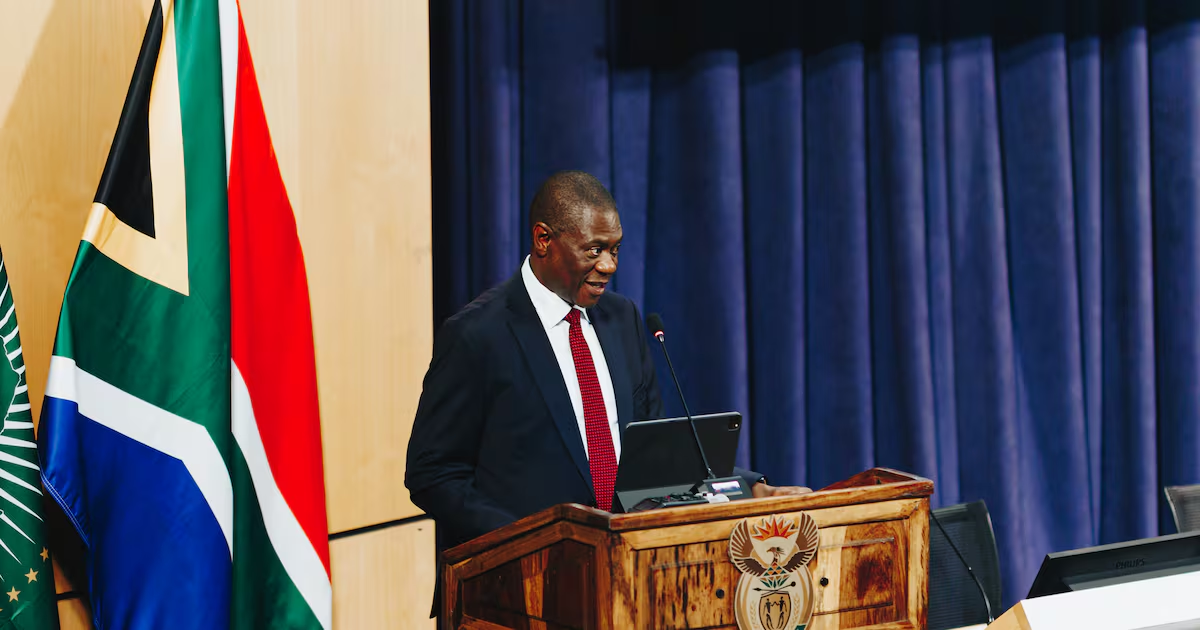
Deputy President Paul Mashatile has ruled out adopting 1652 as the cut-off date for land restitution, telling MPs government will retain the current constitutional framework that allows claims for dispossession after June 19 1913.Mashatile was responding to a question in the National Assembly from FF Plus MP Dr Wynand Boshoff, who asked whether the government intended to adopt 1652 as the cut-off year for land reform and restitution.The deputy president said the arrival of Europeans in 1652 marked “the beginning of a protracted process” of land dispossession, but the government did not intend to change the current legal framework.He said the existing framework was guided by section 25(7) of the constitution and the Restitution of Land Rights Act, which provide for restitution claims after June 19 1913.“In my view, these provisions are adequate in dealing with the issue of land reform. Any change to this framework would require lengthy constitutional and legislative processes, which will further be complicated by developments that have taken place in our country over three centuries,” he said.Mashatile said the government remained committed to “a just, equitable, and legally sound land reform programme” that addressed historical dispossession while protecting economic stability and food security. He conceded there were delays, saying these were caused partly by disputes within families and communities.ANC MP Dr Nobuhle Pamela Nkabane asked Mashatile what support had been prioritised for small-scale farmers facing rising fuel and fertiliser costs. Mashatile said smallholder farmers were receiving subsidised fertiliser, seed and production inputs through the Comprehensive Agricultural Support Programme and Ilima/Letsema initiatives.He said this was being complemented by infrastructure support, including fencing, irrigation systems, boreholes and mechanisation, to help farmers sustain production despite rising input costs.“In partnership with the Land and Agricultural Development Bank (Land Bank) and other development finance institutions, blended finance instruments are also being expanded to cushion farmers against market volatility and to strengthen their access to affordable credit,” Mashatile said.He said the government was also accelerating the localisation of fertiliser production and promoting climate-smart farming to reduce dependence on imported inputs.Patriotic Alliance MP Sheila Peters asked Mashatile what had been done through the district development model to improve healthcare access and what consequence management measures were in place for officials who failed to deliver adequate services.Mashatile said the government had increased investment in primary healthcare facilities, including clinics and community health centres in underserved areas, and was strengthening partnerships with the private sector where capacity constraints existed.He said the Presidency and the national department of health were implementing the Ideal Clinic Realisation and Maintenance programme across primary healthcare facilities.On accountability, Mashatile said measures included performance agreements for senior health officials, disciplinary action in cases of non-performance or negligence, and stronger oversight by provincial departments and national monitoring systems.“We acknowledge challenges remain, particularly regarding 24-hour services in some communities, and these are being addressed through phased infrastructure upgrades and human resource deployment,” he said.DA MP Baxolile Nodada asked Mashatile whether it was unfitting for cabinet members not to declare luxury gifts received from foreign governments, and what action he intended to take as leader of government business.Mashatile said the government’s position was clear. “Transparency and accountability are non-negotiable principles,” he said.He said members of the executive were required under the Executive Members’ Ethics Code to disclose all gifts above the prescribed threshold, including those received from foreign governments. “Failure to declare such gifts would constitute a breach of the code,” Mashatile said.He said he would continue to emphasise strict compliance with ethics codes and support referrals to relevant ethics authorities where warranted.ANC MP Pumelele Ndamase asked what the government was doing to address discrimination against women in land allocation, particularly in areas governed by traditional leaders.Mashatile said the government was working with the National House of Traditional and Khoisan Leaders, the Commission for Gender Equality, civil society and all spheres of government to combat discrimination against women in land ownership and tenure security.He said the department of rural development and land reform was prioritising women beneficiaries in land reform programmes, strengthening legal protections for women under communal land systems and expanding access to agricultural support, finance and extension services for women farmers.“By empowering women, we empower families and communities,” Mashatile said. “By empowering families and communities, we empower the nation.”MK Party MP Mmabatho Mokoena-Zondi asked Mashatile what measures had been implemented to strengthen intelligence-led policing and inter-agency co-ordination, particularly in response to violent crime on the Cape Flats.Mashatile said the safety of communities was a government priority and work was under way to strengthen the criminal justice system.“The safety of our communities remains the priority of this government. We are continually investing in strengthening the criminal justice system to be able to fight crime and ensure safer communities.”He said government had strengthened crime intelligence capabilities, improved co-ordination between SA Police Service (SAPS) crime intelligence, the State Security Agency and other agencies, established joint operational structures in the justice, crime prevention and security cluster, expanded intelligence-led operations in hotspots including the Cape Flats, and improved information sharing across agencies.Mashatile said SAPS and its partners were refining stabilisation and anti-gang strategies, improving co-ordination between detectives, crime intelligence and prosecutors, and using structures such as the anti-gang priority committee.He said implementation was under way, while medium-term reforms, including capacity building and systems integration, would be rolled out over the medium-term expenditure framework period.
Mashatile rules out 1652 land claim cut-off as MPs press him on farms
Government boosts support for small-scale farmers amid rising input costs
887 words~4 min read