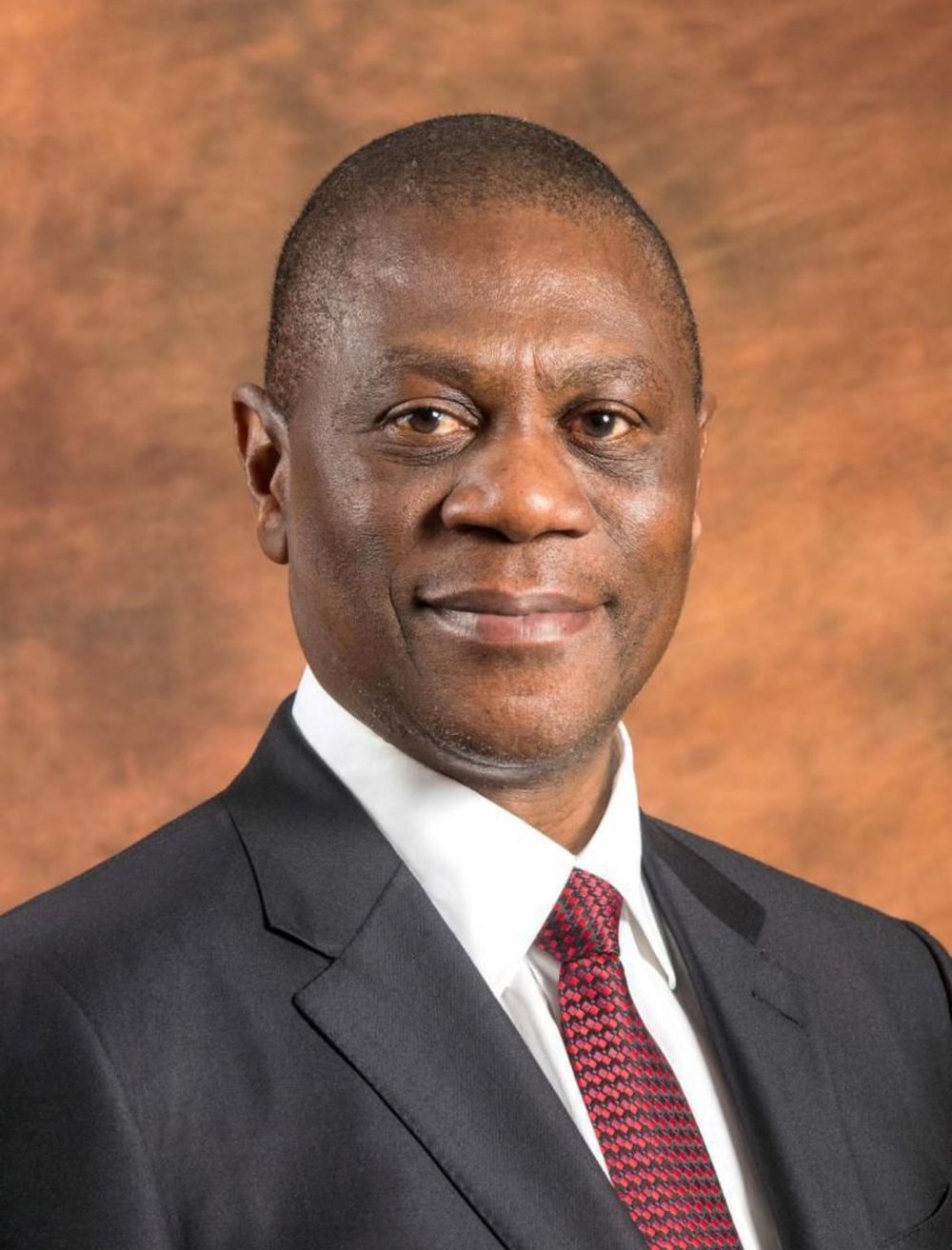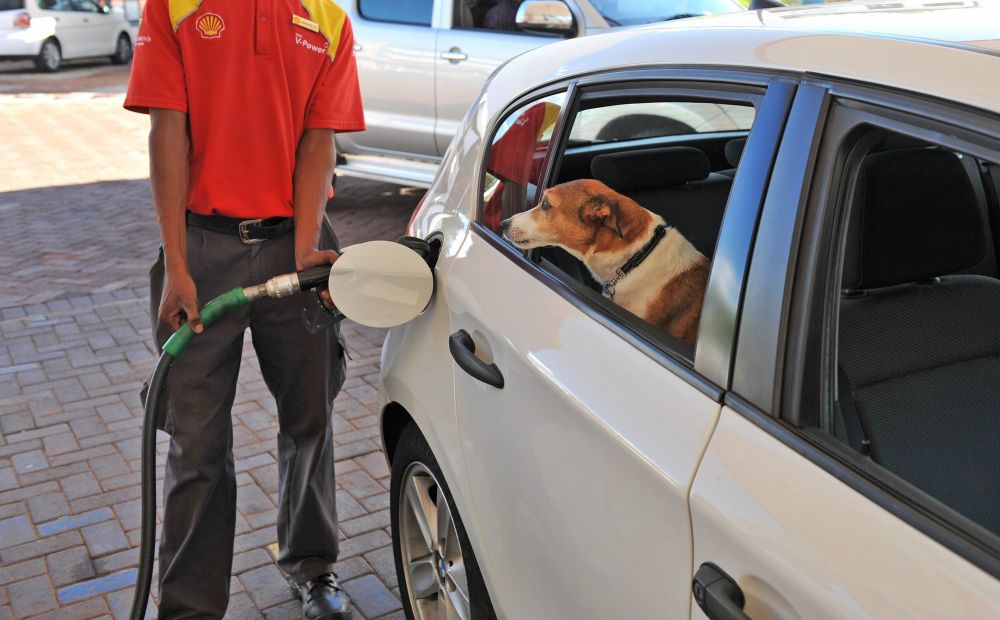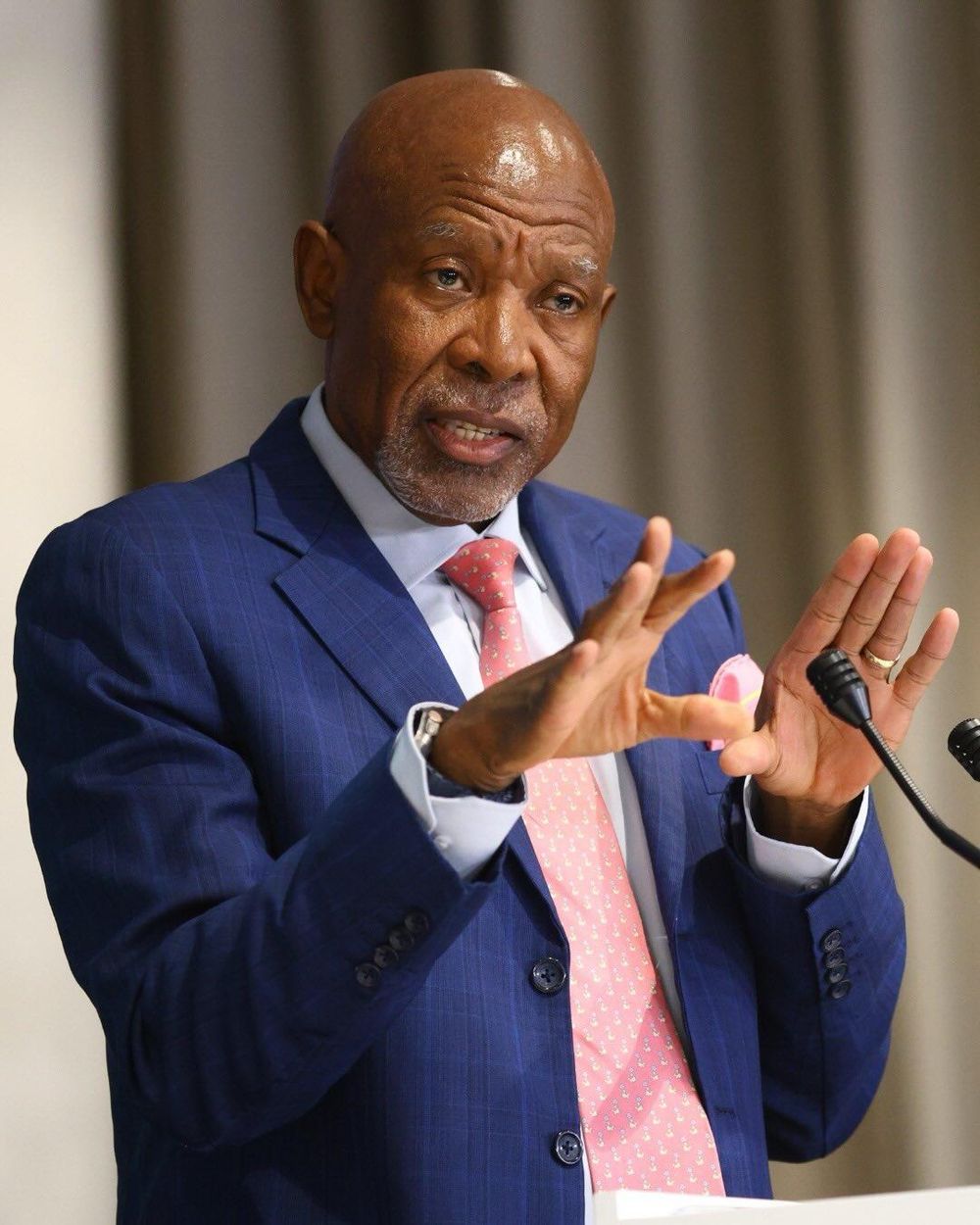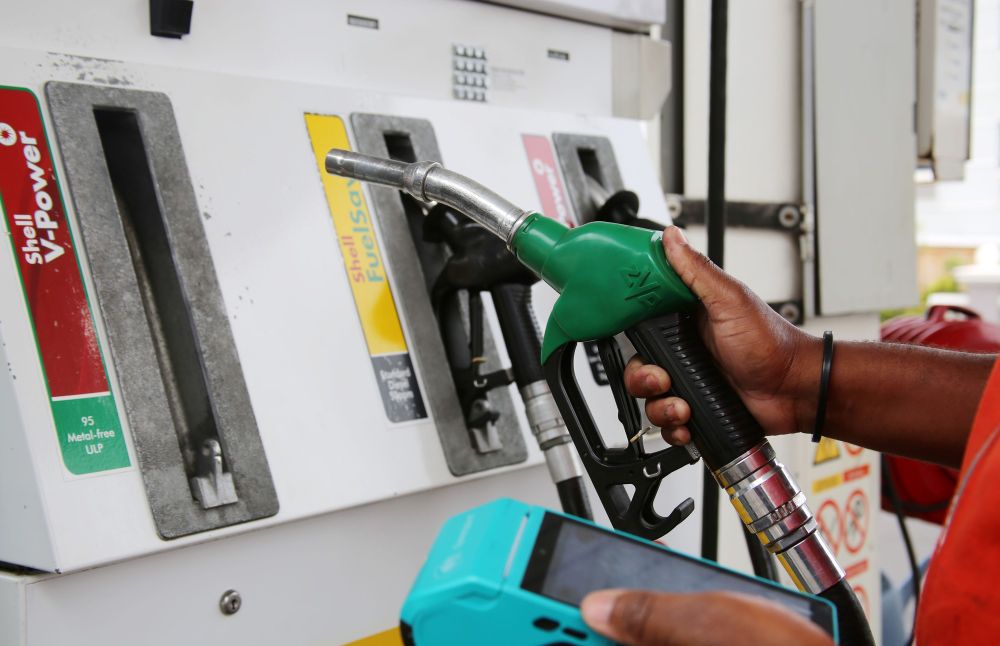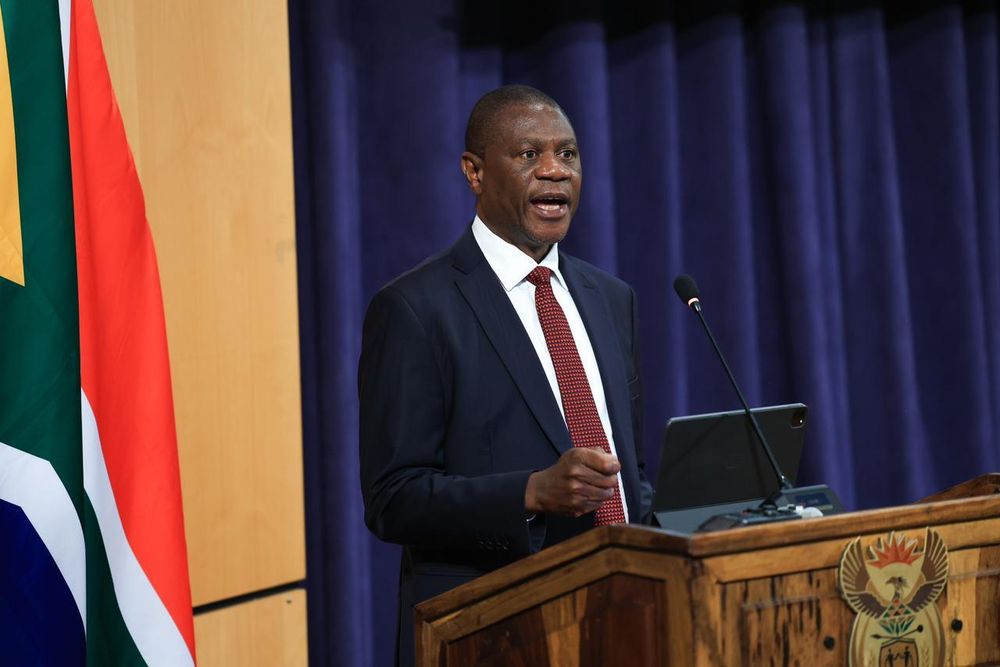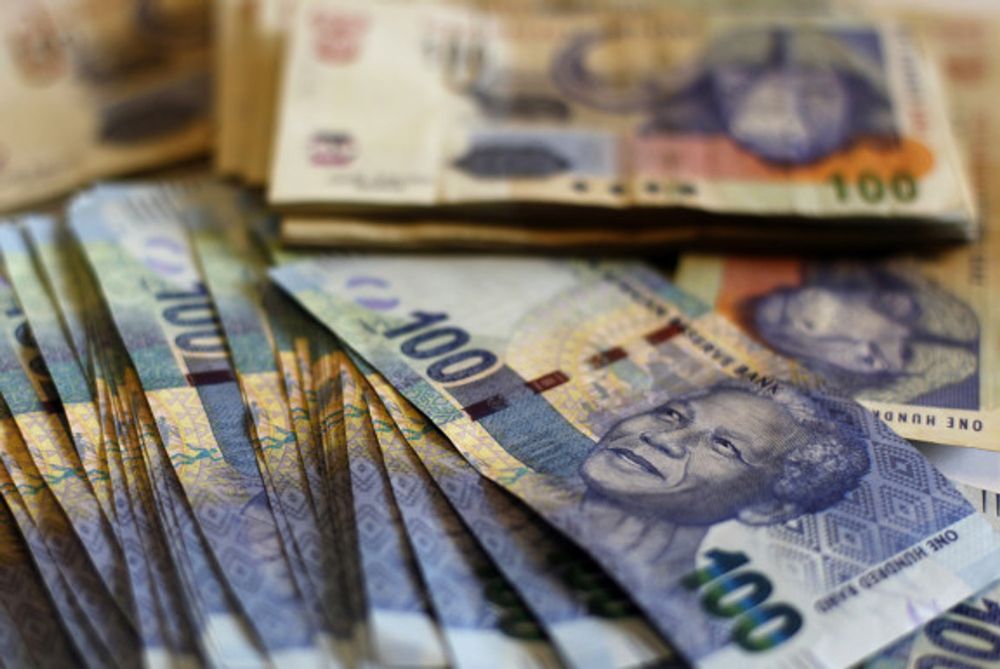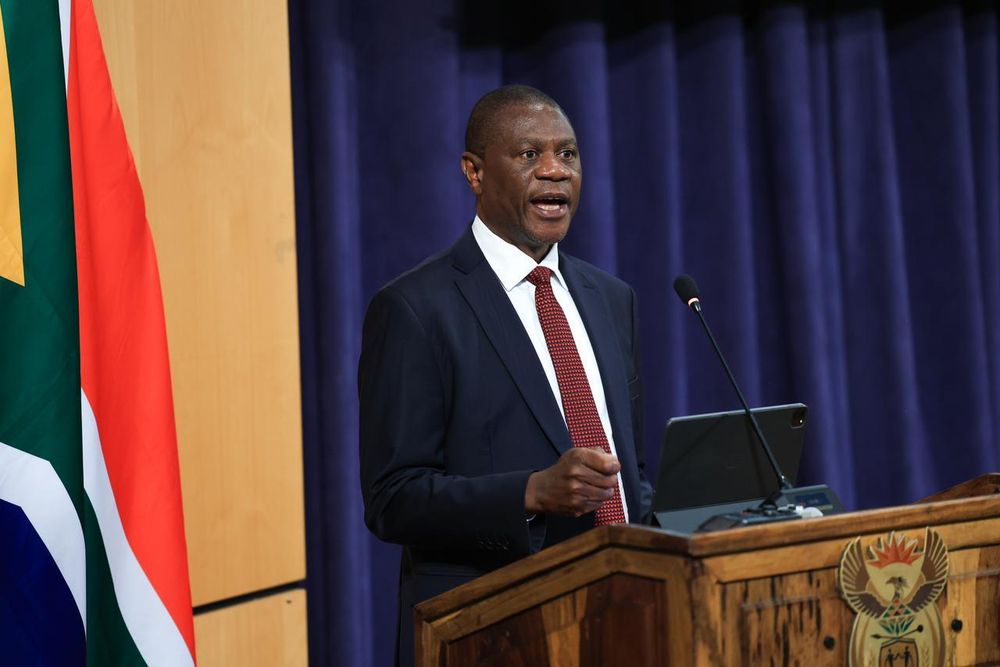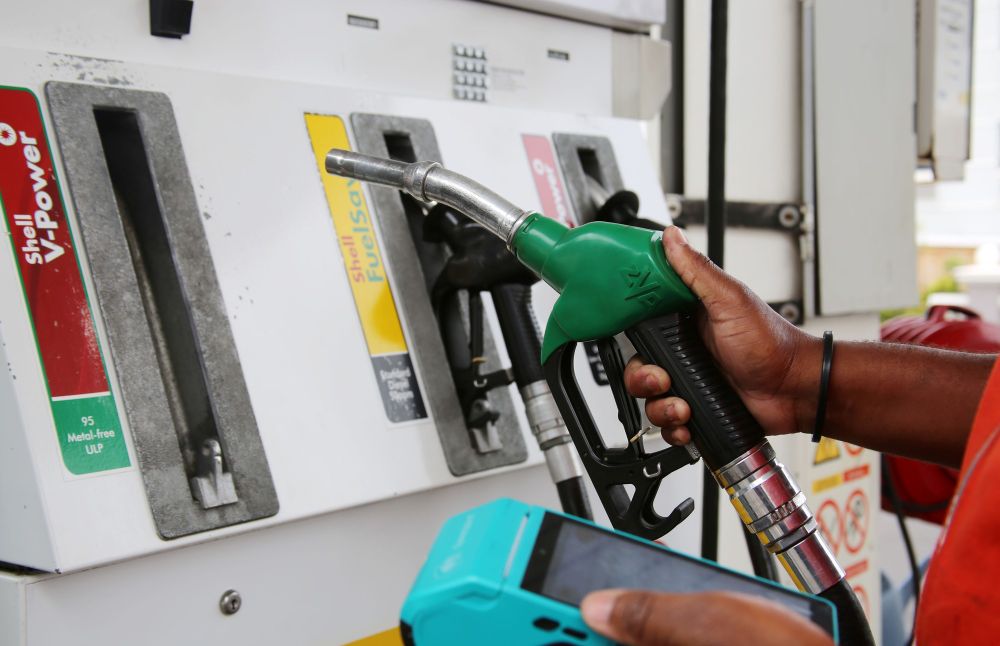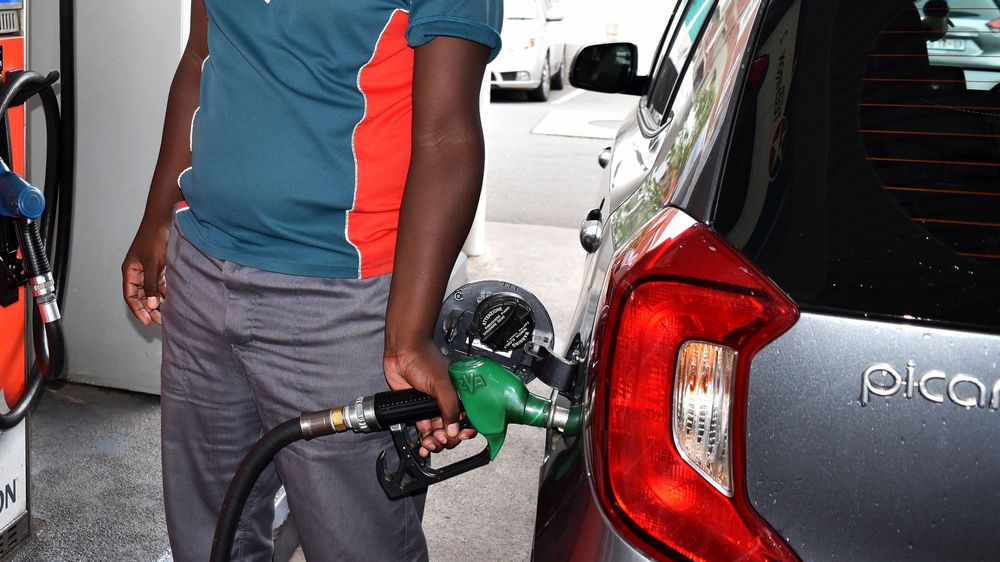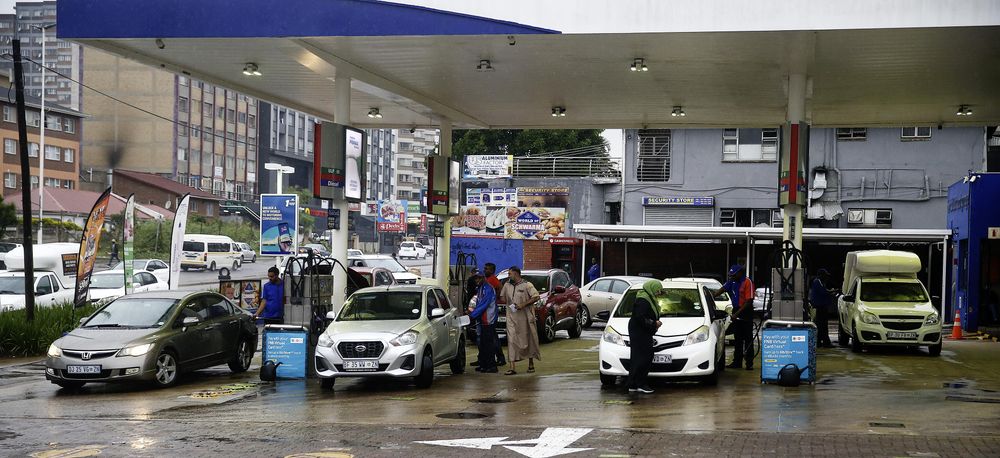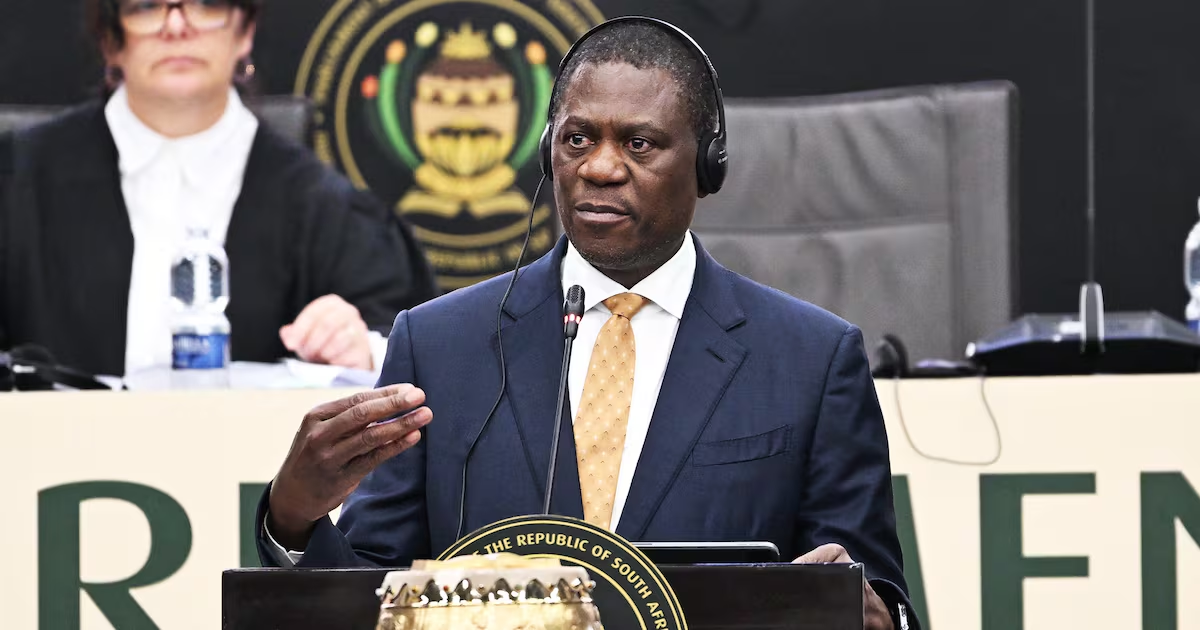
Deputy President Paul Mashatile has signalled that the extension of the government’s fuel levy relief beyond June is not yet on the cards as fuel price shocks filter into headline inflation, but said the GNU would consider various interventions.Responding orally to questions in parliament this week, Mashatile said finance minister Enoch Godongwana would continue the work he has conducted with mineral & petroleum resources minister Gwede Mantashe to investigate possible fuel price relief measures.“The issue of the fuel levy, the minister of finance will continue to look at that,” Mashatile said. “As you say, it will come to an end, but we will look at other mechanisms of support, should that not be continued. So we will not abandon the farmers.”This comes as Stats SA announced this week that the consumer price inflation (CPI) print for April surged to 4%, with Brent crude oil price shocks from the war in the Middle East finally filtering into headline inflation.When the war began, Godongwana and Mantashe introduced fuel levy price relief by lowering the fuel levy from R4.10 a litre to R1.10 a litre to soften the blow on consumers. That relief was extended to the end of June this week.The surge in CPI has also raised expectations among economists that the South African Reserve Bank (SARB) monetary policy committee (MPC) could possibly hike the repo rate when it meets on Thursday.Mashatile said the government needed to continue to look at local interventions to support consumers, businesses and farmers “in a way that can keep them sustainable”.“Obviously, the fuel levy has been one of the mechanisms; that reduction helped them a lot, but all the other interventions I mentioned are critical to continue to keep in place as negotiations are continuing to ensure that the war does not continue,” he said. ”Because it does have a big impact, not only on farmers but on prices generally, and not only in South Africa but in the world broadly.”Mashatile said the reduction in the fuel levy introduced by Godongwana went some way to cushion consumers.“But as I said, we are looking at other methods of ensuring that they are sustainable, including ... the support that we give — fencing, making sure that they’ve got a supply of fertilisers, seeds — in an affordable manner.”Patrick Kelly, Stats SA head of price statistics, said the jump in the CPI print was the highest inflation print since August 2024, when the headline inflation print was 4.4%, and that consumers were dealt a painful fuel price blow in April.The index for fuel rose by 18.2% from March, the steepest monthly increase since the current CPI series began in 2008,” Kelly said. “Petrol prices were up by 15.2% and diesel by 35.4%. The price for inland 93 octane petrol rose to R23.25 a litre in April, the fifth largest increase for this grade in 50 years and the largest this century.“The index for fuel rose by 18.2% from March, the steepest monthly increase since the current CPI series began in 2008,” Kelly said. “Petrol prices were up by 15.2% and diesel by 35.4%. The price for inland 93 octane petrol rose to R23.25 a litre in April, the fifth largest increase for this grade in 50 years and the largest this century.”Tertia Jacobs, Treasury economist at Investec, told Business Times that the fuel price shock was now clearly beginning to feed through into inflation data, particularly via the transport component.“The key concern for the SARB will be whether these pressures remain temporary or whether they begin to alter inflation expectations and generate more persistent second-round effects,” she said.“The MPC is widely expected to hike the policy rate by 25bps at next week’s MPC meeting. We currently attach a probability of around 50% to such an outcome.”Jacobs said that even if the MPC chooses to hold rates unchanged in May, they believe the probability of a hike being delivered at the July meeting would rise materially should oil prices remain elevated and core inflation continue to firm.“Importantly, the SARB is almost certain to revise its inflation projections higher. At the March MPC, the Bank published a range of alternative scenarios around the inflation outlook.”She said Investec expected that the revised baseline would likely shift toward a position somewhere between the previous intermediate position and more adverse positions.What makes the decision particularly difficult is the global backdrop, she added.“Relatively few central banks have responded to the recent energy shock with outright rate hikes, while some emerging market central banks, including Brazil and Mexico, have continued easing policy.“Moreover, the rand has been range-bound. A decision by the SARB to tighten policy in this environment would therefore place it among a relatively small group of central banks taking a more pre-emptive approach to inflation risks.”
Mashatile noncommittal on extension of fuel levy relief beyond June
A surge in CPI to 4%, driven by fuel price shocks, comes ahead of a SARB repo rate call this week.
792 words~4 min read