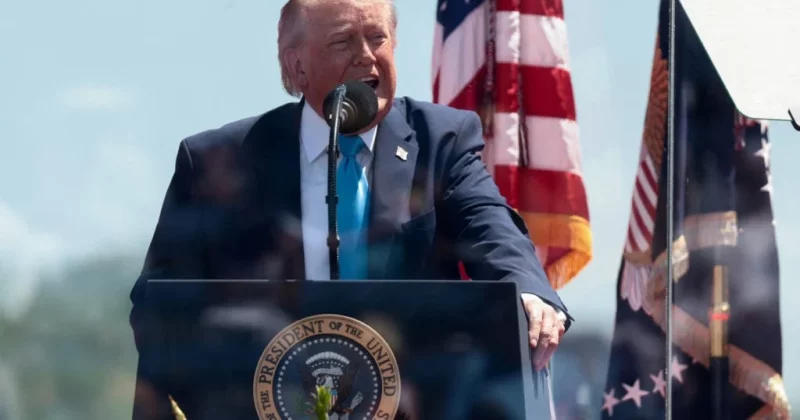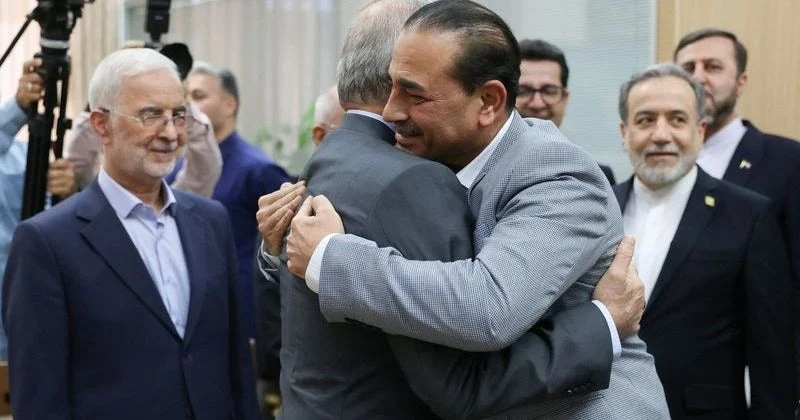
The US and Iran are inching toward a framework agreement that could pause one of the most volatile geopolitical conflicts of 2026. US President Trump has described the pact as “largely negotiated.” Iranian officials have characterized the situation with a paradox: the agreement is both “very far” and “very close” to resolution, with key wording disputes still blocking the finish line.
What the deal could look like
The emerging framework centers on a few critical components. A 60-day ceasefire extension is on the table, building on the fragile truce that Pakistan brokered starting April 8. The reopening of the Strait of Hormuz is also reportedly part of the package. And perhaps most consequentially, the deal would kick off two months of dedicated nuclear negotiations.
This isn’t being pitched as a comprehensive peace deal. It’s a temporary framework designed to create space for harder conversations later. The conflict traces back to US-Israeli military strikes on Iranian sites in early 2026, which triggered rapid escalation across the Middle East. Over roughly three months, the situation hardened into a tense standoff. Reports from early May indicated that responses to diplomatic overtures were expected within 48 hours, suggesting the pace of negotiations had accelerated considerably.