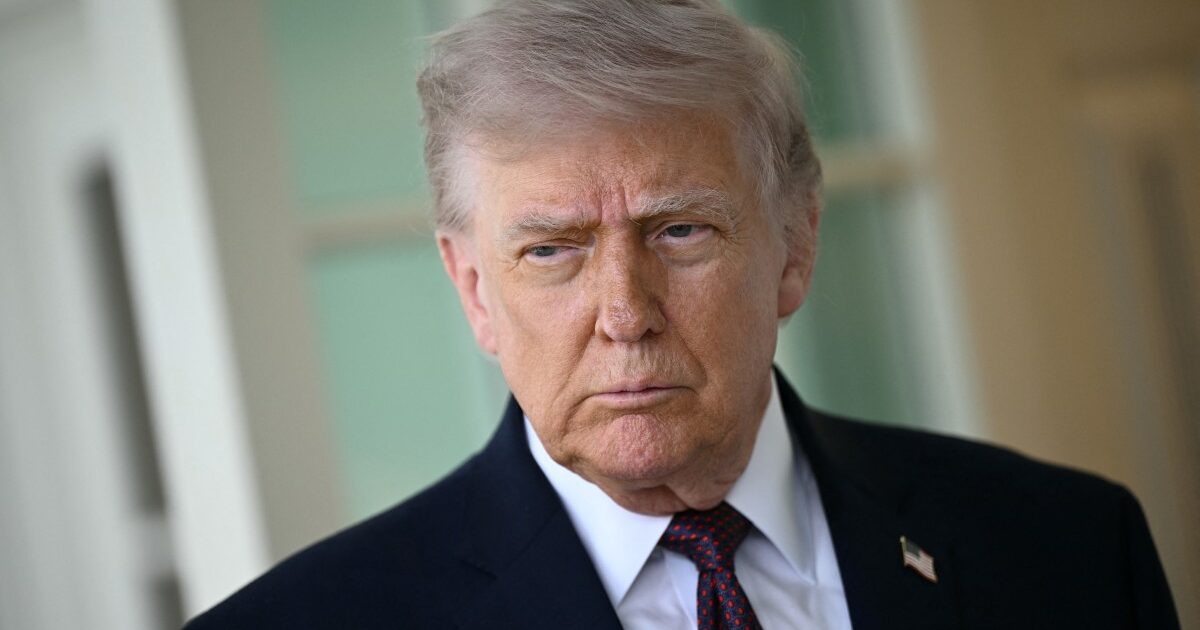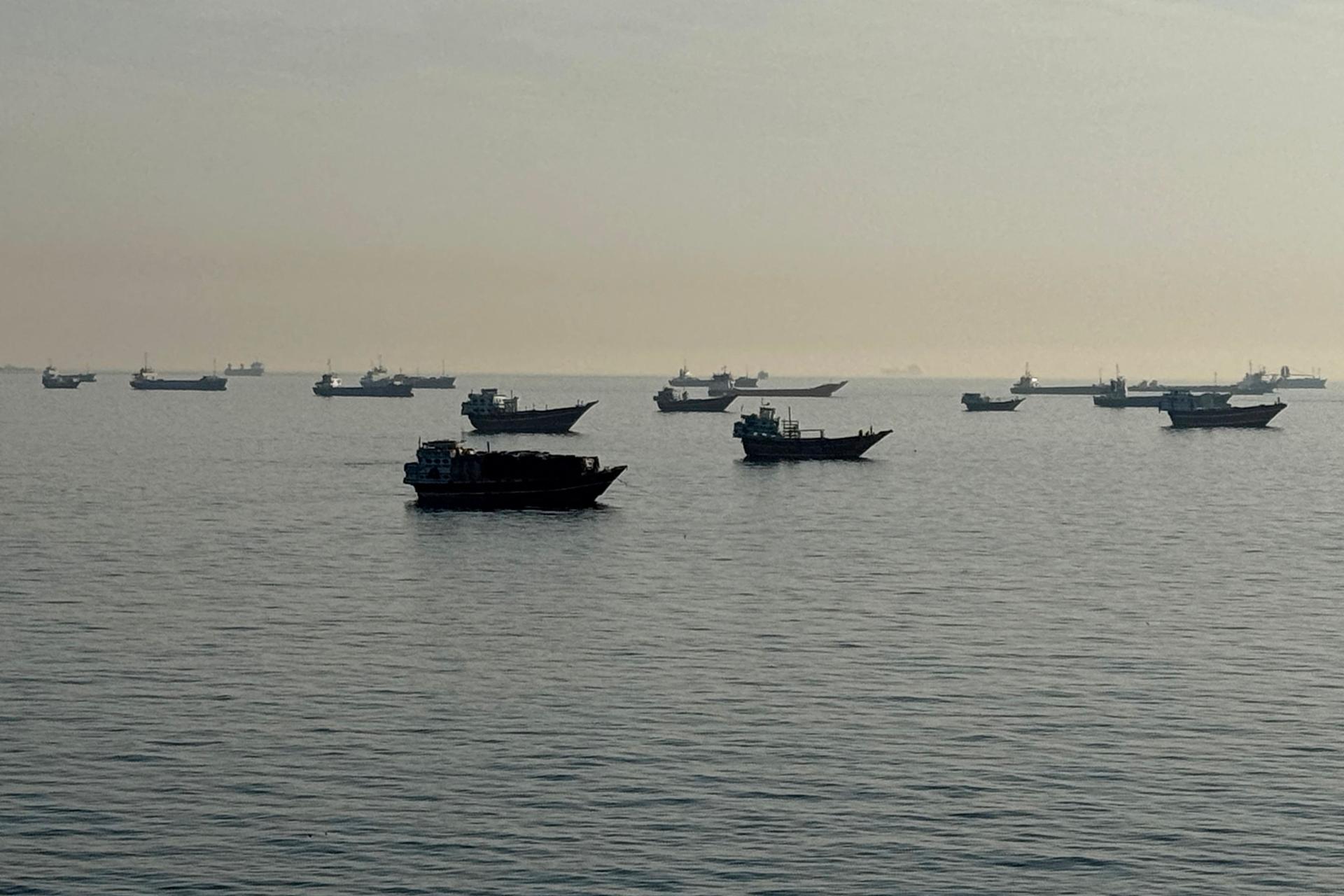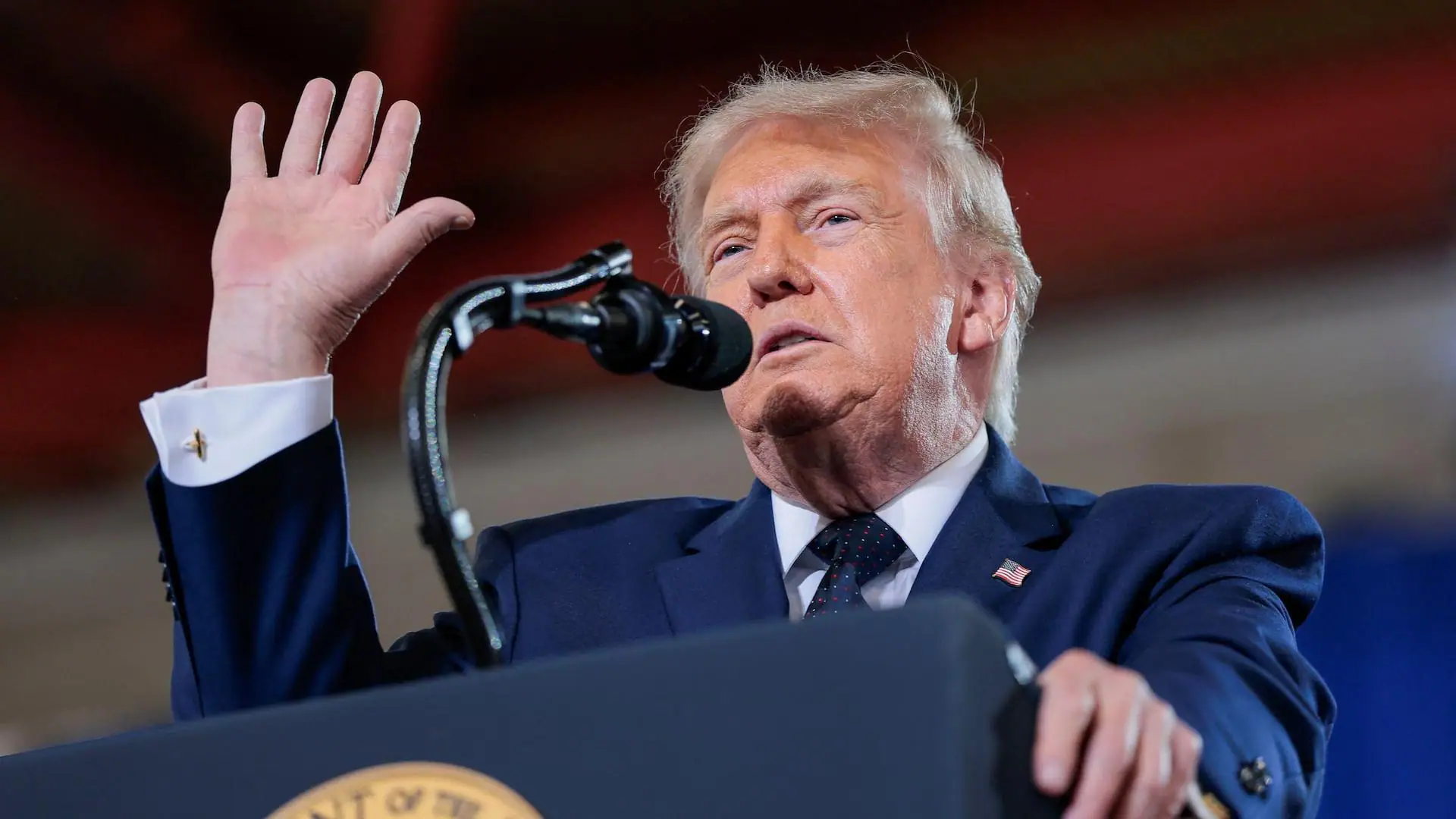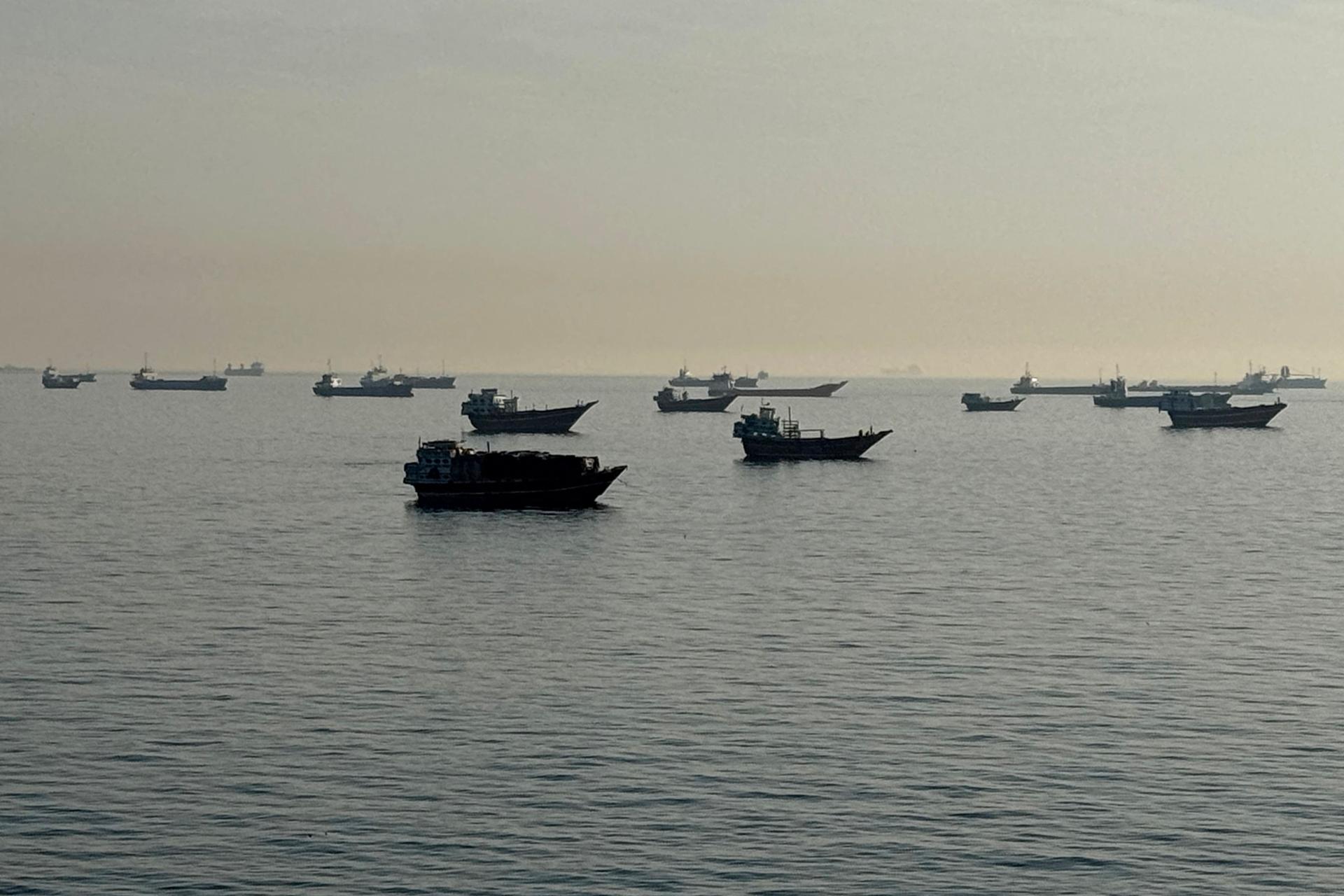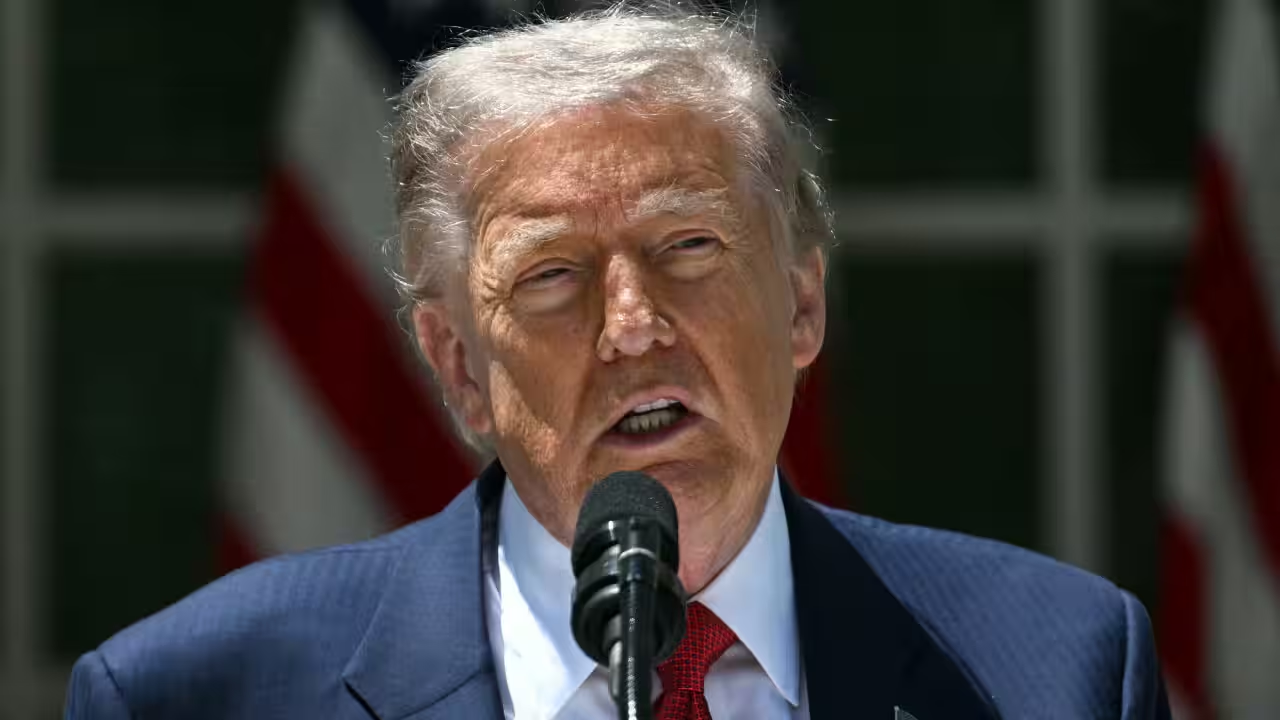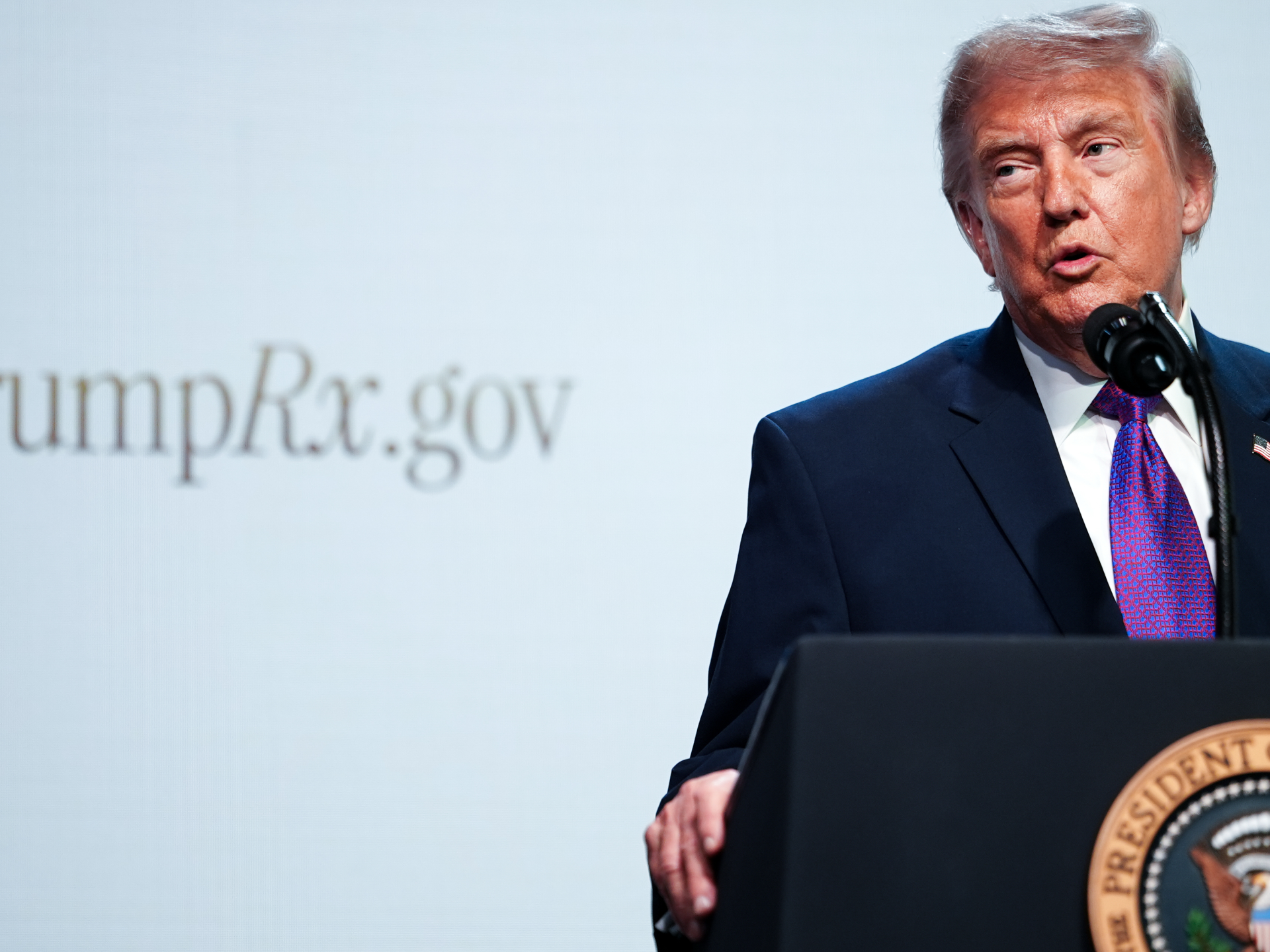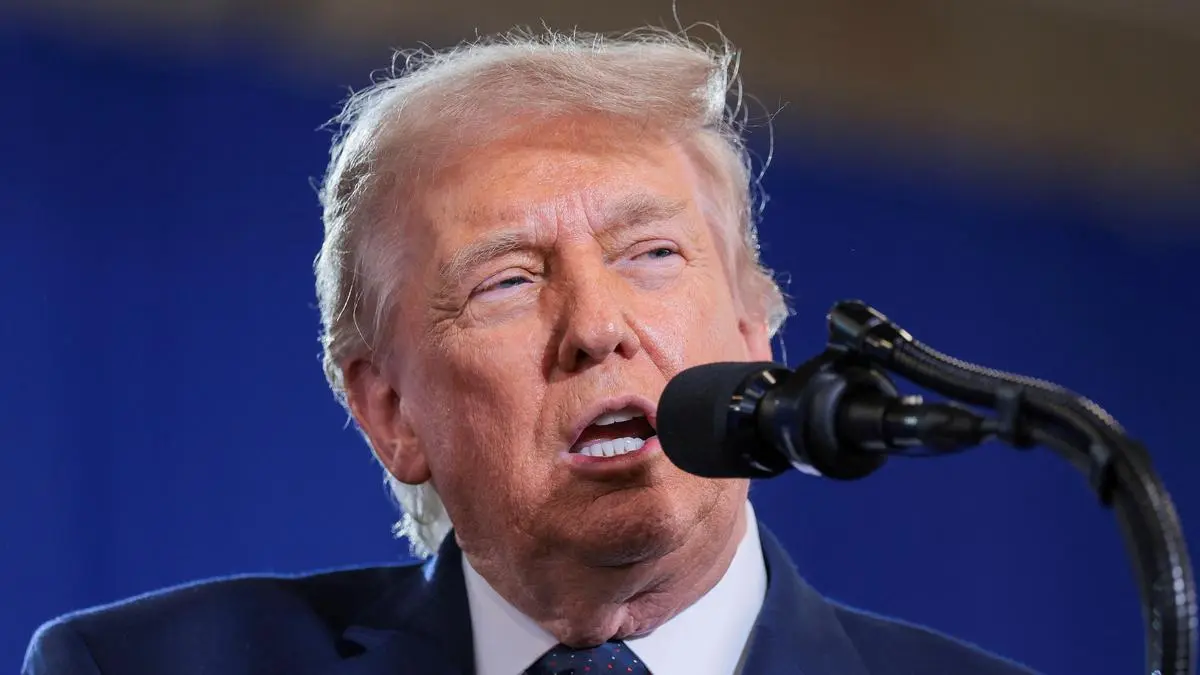
Questions remain over Hormuz, nuclear concessions and whether IRGC will back the planLast updated: May 24, 2026 | 14:074 MIN READUS President Donald Trump said Saturday a deal with Iran had been "largely negotiated," with the proposal including opening the crucial Strait of Hormuz, though the agreement was "subject to finalisation." AFP fileDubai: A draft agreement that US President Donald Trump says is “largely negotiated” could pave the way for the biggest de-escalation in the Iran war since fighting erupted in February — reopening the Strait of Hormuz, easing pressure on global oil markets, and launching a fresh round of nuclear negotiations between Washington and Tehran.But while both sides appear closer than at any point in recent weeks, major disagreements remain over Iran’s nuclear programme, the future of the Strait of Hormuz, sanctions relief, and the sequencing of concessions, according to Axios, CNN and multiple media reports.The proposed framework — described by US officials and sources familiar with the talks — centres on a temporary memorandum of understanding (MOU) lasting 60 days, during which both sides would suspend some wartime measures while negotiating a broader agreement.But major questions remain over whether Iran’s increasingly influential security establishment — particularly the Islamic Revolutionary Guard Corps (IRGC) — would ultimately accept compromises that could reduce Tehran’s leverage over Hormuz and its nuclear programme. Analysts say wartime decision-making inside Iran has shifted further toward hardline military figures in recent months.The draft has not been formally finalised and could still unravel.What’s in the proposed deal?According to US and regional sources, the agreement would unfold in phases.1. Hormuz reopening and shipping securityThe first phase would focus on reducing tensions in the Gulf.Under the draft framework:Iran would reopen the Strait of Hormuz to near pre-war shipping levels. Tehran would begin clearing mines deployed in the waterway. The US would gradually ease its naval blockade of Iranian ports. Some sanctions waivers would allow Iran to resume oil exports. Iranian assets frozen abroad could begin to be partially released. The US has framed the approach as “relief for performance” — meaning sanctions relief would come only after verifiable Iranian steps.US officials argue the arrangement could rapidly ease pressure on global energy supplies after months of severe disruption in the Strait, through which roughly one-fifth of the world’s oil and gas normally flows.However, Iran’s state-affiliated media has disputed suggestions that Hormuz would return fully to its pre-war status.State-linked outlet Tasnim said Tehran would continue asserting “sovereignty” over the Strait and warned that “free passage” would not automatically resume.Iran also insists the US maritime blockade must be lifted within 30 days before any major normalisation in Hormuz navigation takes effect.Nuclear negotiations remain unresolvedThe most difficult issues appear to have been postponed rather than settled.The draft framework reportedly includes:Iranian assurances it will not pursue nuclear weapons. Talks on suspending uranium enrichment. Negotiations over the fate of Iran’s stockpile of highly enriched uranium. Discussions on broader sanctions relief and unfreezing Iranian funds. But Tehran has publicly denied agreeing to any new nuclear restrictions at this stage.Tasnim reported Sunday that “Iran has not accepted any actions in the nuclear domain at the current juncture.”That contradiction highlights the fragile nature of the proposed deal: Washington appears to view the MOU as the beginning of a pathway toward deeper nuclear concessions, while Tehran is portraying it more narrowly as a maritime and economic arrangement.US military stays in placeEven if the agreement proceeds, the military build-up in the region is expected to remain.According to US officials:American forces deployed during the conflict would stay in the Gulf during the negotiation period. Withdrawals would only occur if a final agreement is reached. Israel would retain freedom to act against Hezbollah if the group attempts to rearm or launch attacks. The draft also reportedly includes provisions aimed at ending hostilities between Israel and Hezbollah in Lebanon.Israeli Prime Minister Benjamin Netanyahu is said to have expressed concerns about parts of the proposal during a call with Trump, though US officials described the conversation as respectful.Pakistan and Gulf states played key mediation rolesThe diplomatic push accelerated after intense regional mediation over recent days.According to sources familiar with the talks:Pakistan has emerged as a central mediator. Pakistan's Defence Forces chief Field Marshal Asim Munir travelled to Tehran as part of efforts to finalise the framework. Trump spoke to UAE President His Highness Sheikh Mohamed bin Zayed Al Nahyan and other Gulf leaders. Saudi Arabia, Qatar, Egypt and Turkey also backed efforts to prevent further escalation. The involvement of Gulf states reflects growing regional fears that a prolonged conflict could destabilise energy markets and maritime trade routes for months. Iran’s leadership sends mixed signalsIranian President Masoud Pezeshkian stressed that no final decision would be made without approval from Supreme Leader Mojtaba Khamenei and Iran’s Supreme National Security Council.That comment reinforced uncertainty over whether Tehran’s internal power structure is fully aligned behind the proposed framework.At the same time, US Secretary of State Marco Rubio said “significant progress” had been made but reiterated that Washington’s red line remains unchanged: Iran “can never possess a nuclear weapon.”Rubio also condemned Iranian threats against shipping in Hormuz, calling them illegal under international law.Why the deal mattersIf implemented, the agreement could:Reduce the immediate risk of renewed US-Iran strikes. Ease pressure on oil and LNG markets. Restore partial shipping flows through Hormuz. Open a pathway toward broader negotiations. But key questions remain unanswered:Will Iran ultimately agree to meaningful nuclear concessions? Will the US fully lift sanctions? Can Hormuz truly return to normal operations? And will the IRGC — now central to Iran’s wartime decision-making — agree to concessions on Hormuz and the nuclear file?And can the temporary truce survive regional mistrust and domestic political pressures? For now, the proposed agreement appears less like a final peace settlement and more like an attempt to freeze a rapidly escalating conflict before it spirals further.A Senior Associate Editor with more than 30 years in the media, Stephen N.R. curates, edits and publishes impactful stories for Gulf News — both in print and online — focusing on Middle East politics, student issues and explainers on global topics.
What’s in Trump’s ‘largely done’ Iran deal — and will the IRGC agree?
Inside Trump’s ‘largely done’ Iran deal: how a 60-day truce could reopen the Strait of Hormuz, ease oil prices and test the IRGC’s grip on Tehran’s strategy.
1,080 words~5 min read