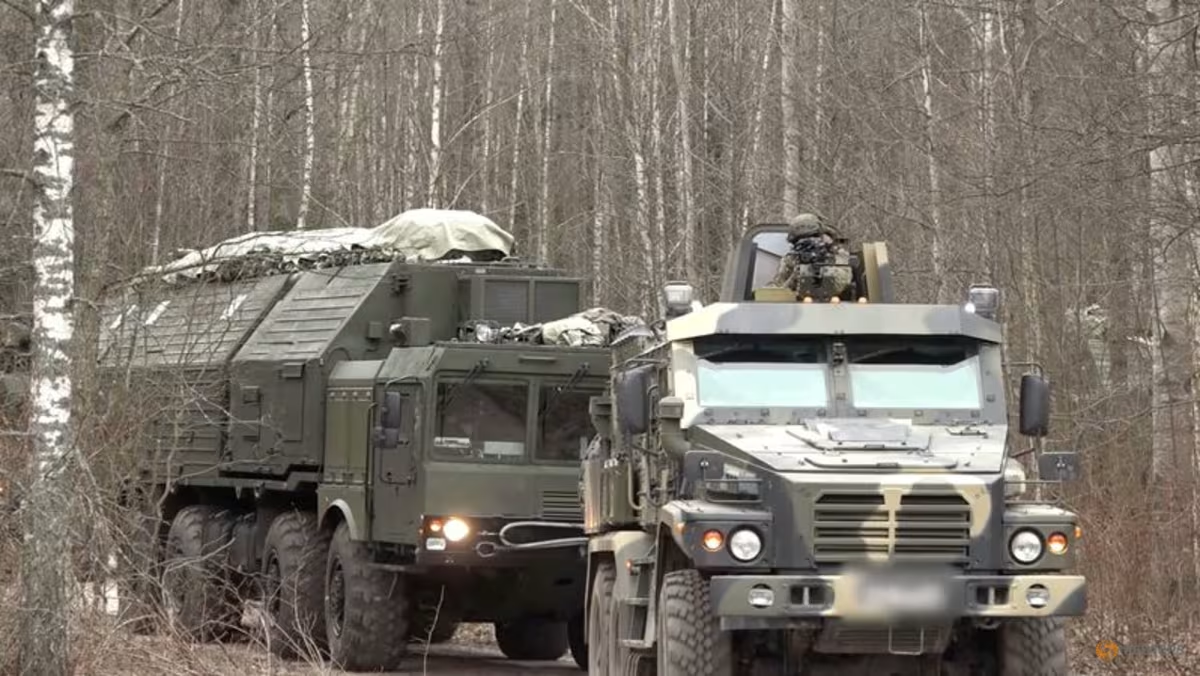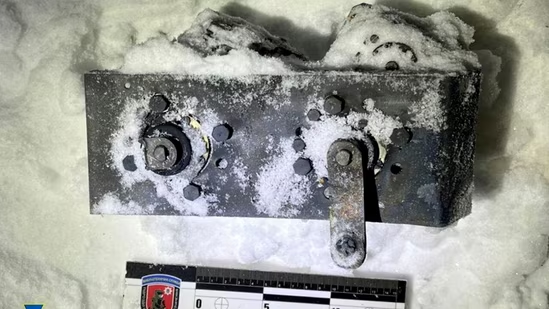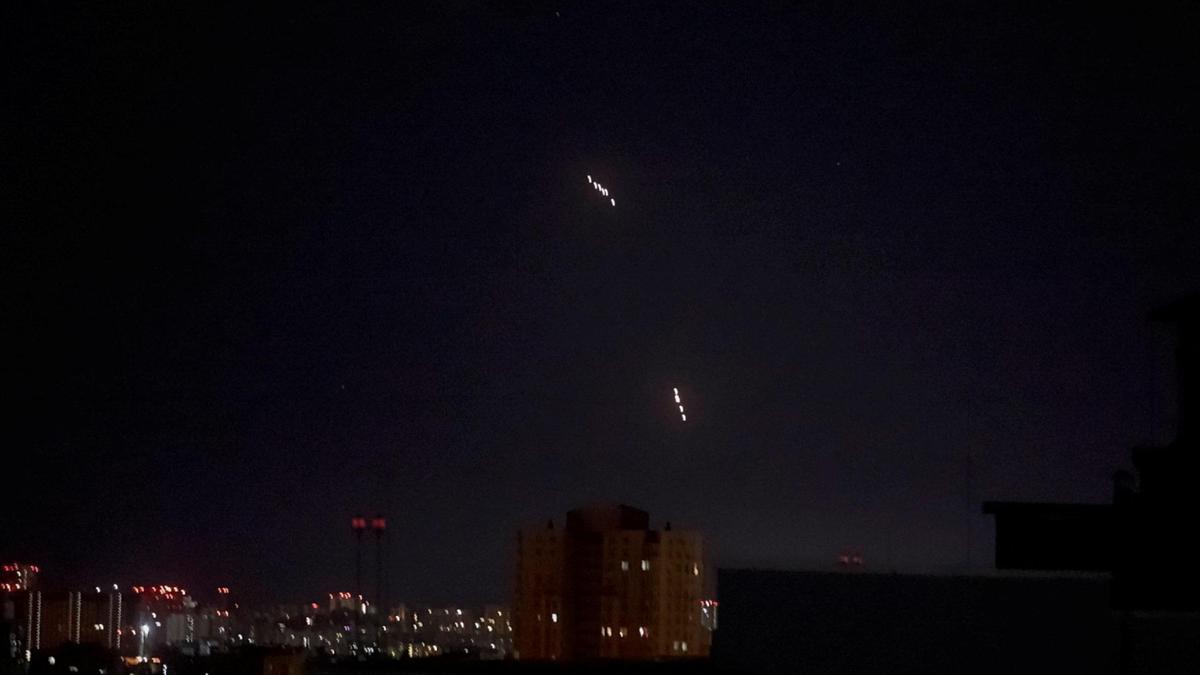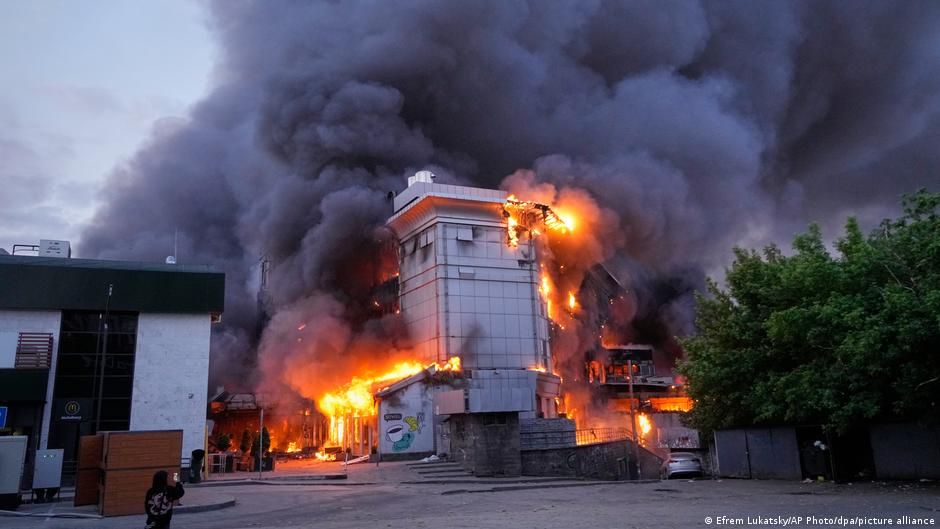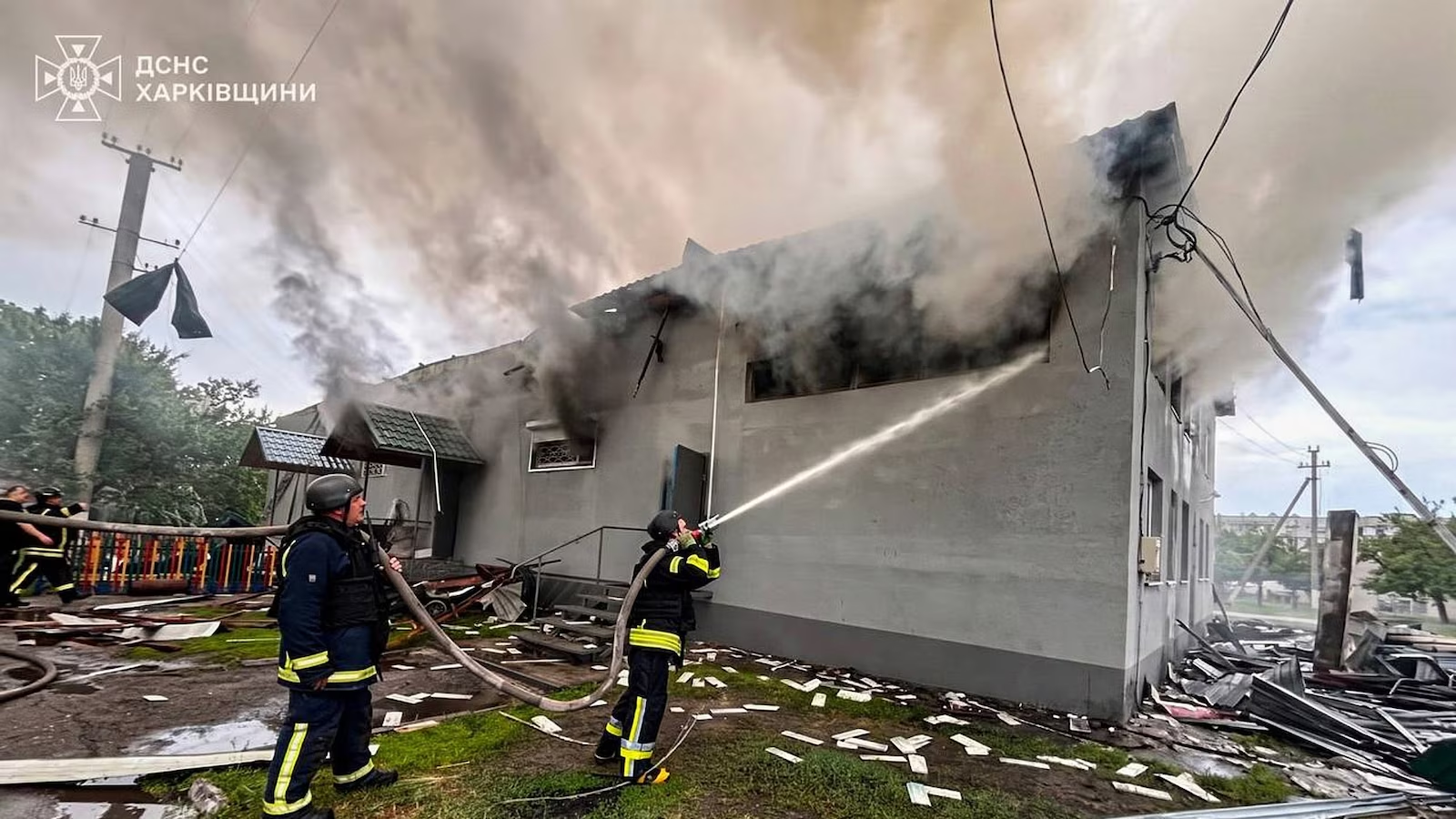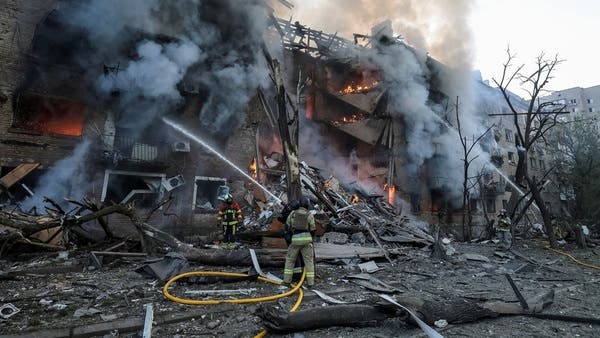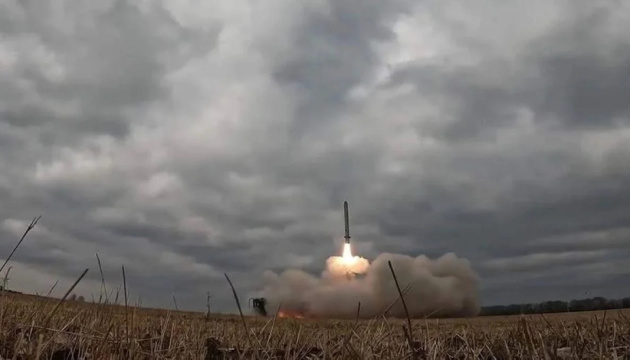
Russia has ramped up its use of advanced missile systems against Ukraine, deploying both its Oreshnik intermediate-range ballistic missile and Zircon hypersonic cruise missiles in separate strikes.
On January 9, 2026, Russia fired the Oreshnik IRBM at an aviation repair plant in Ukraine’s Lviv region, uncomfortably close to NATO territory. It was only the second confirmed deployment of the missile, which Moscow describes as nuclear-capable and engineered with advanced maneuverability to evade interception systems.
What happened, and why it matters
The Kremlin framed the Oreshnik strike as a targeted response to what it alleged were drone attacks on a residence belonging to President Putin. Ukraine and the US have both denied that claim.
Then, on February 16, 2026, Russia launched four Zircon hypersonic cruise missiles alongside Iskander-M systems and other weapons in a broader assault on Ukrainian targets. Ukrainian air defenses reportedly managed to intercept or jam two of the four incoming Zircon missiles.