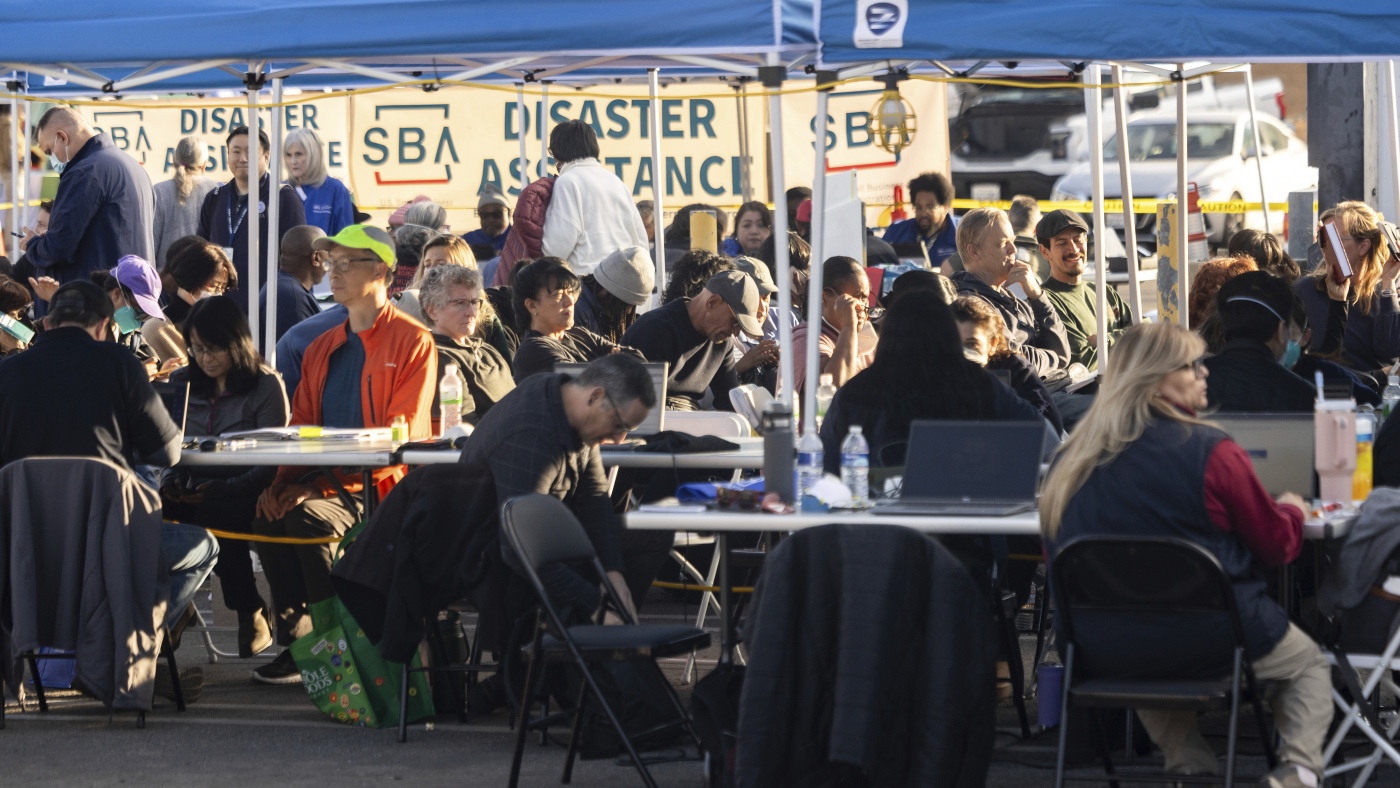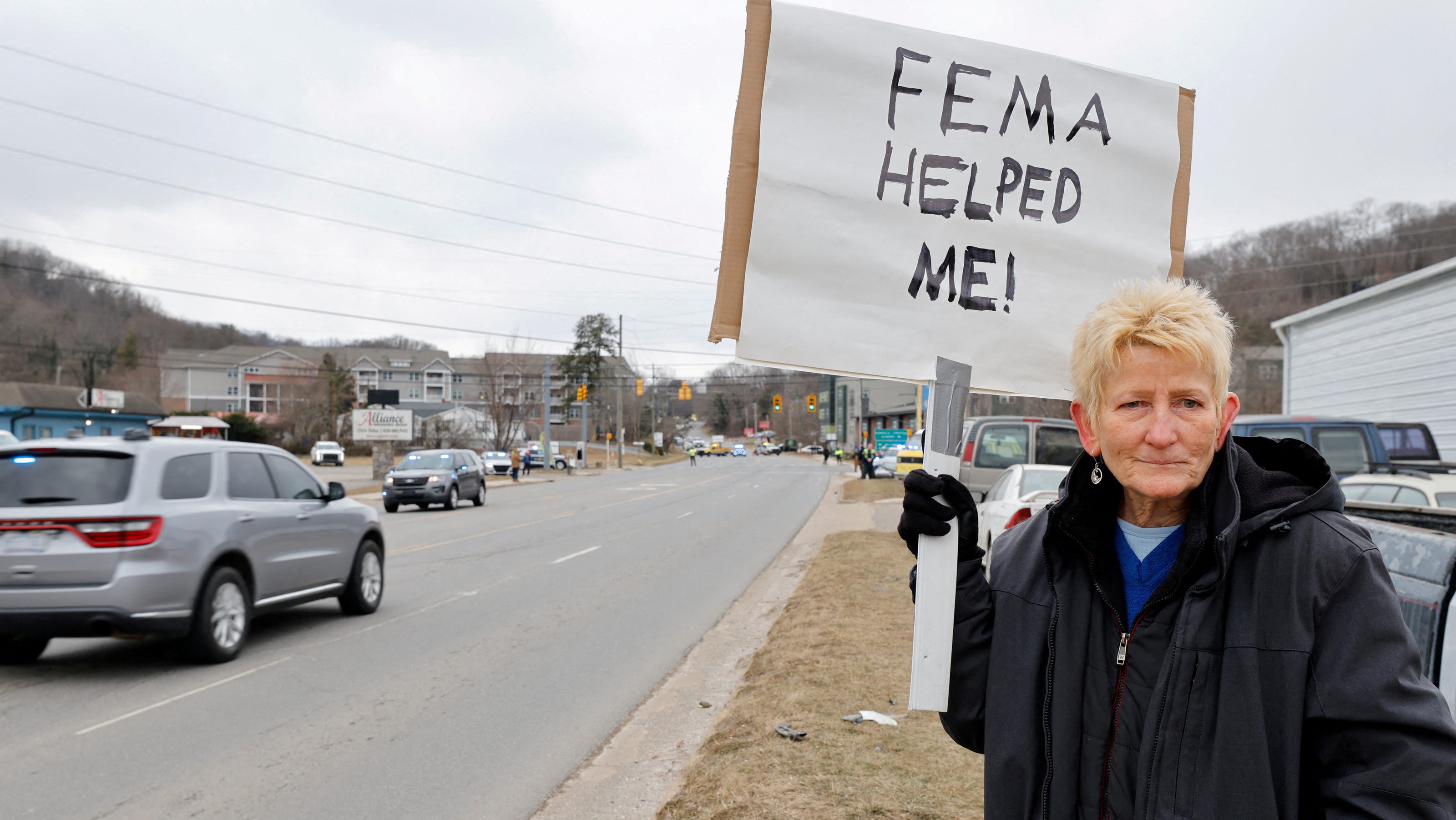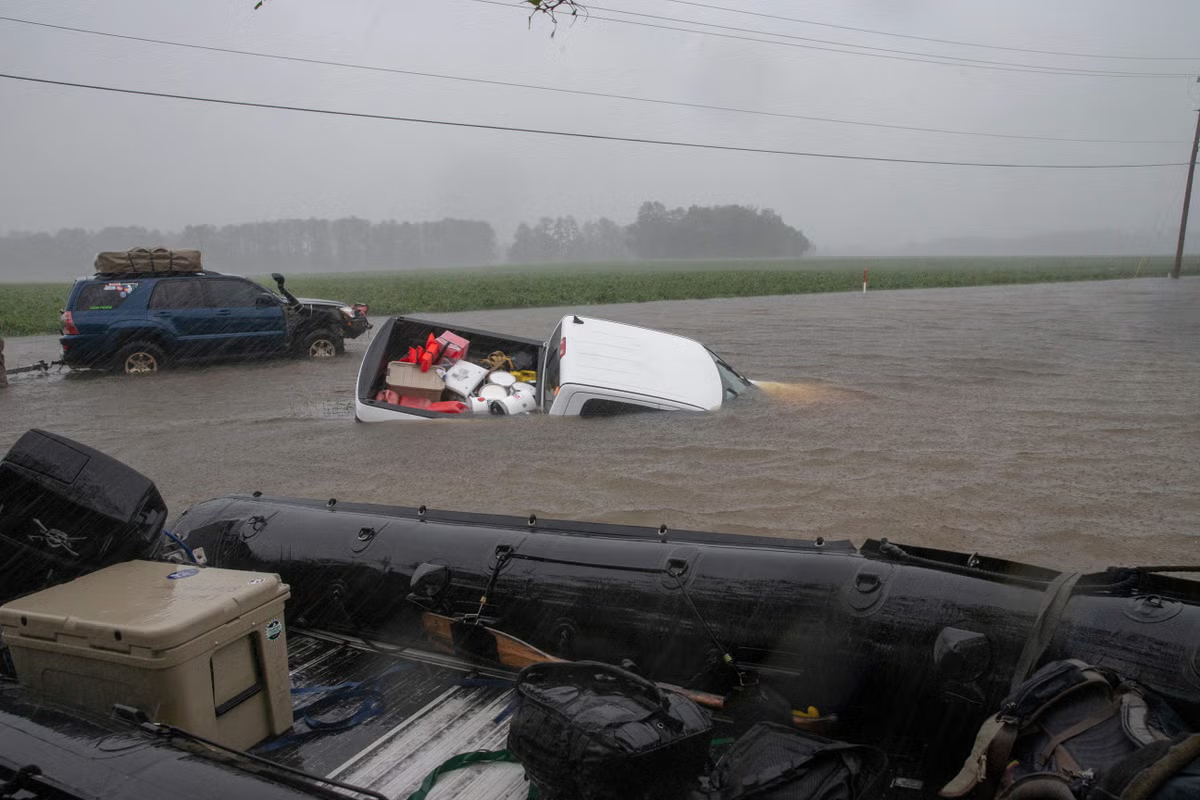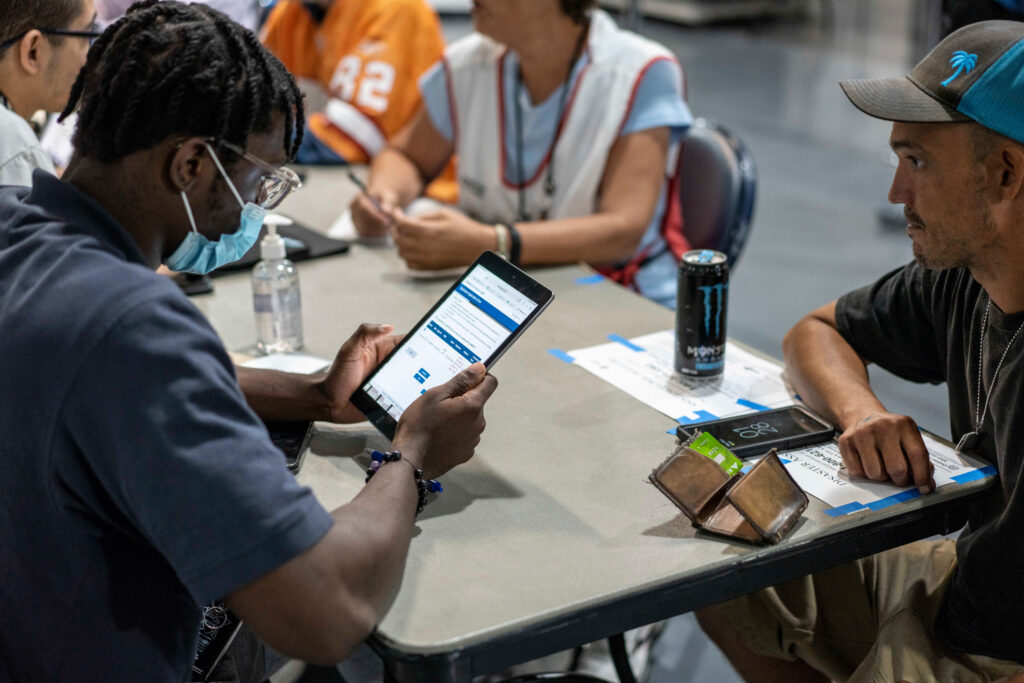
When disaster strikes, those who turn to government agencies for assistance tend to be the most vulnerable: senior citizens, individuals with special needs, homeowners who had insurance and a disaster plan but were living paycheck-to-paycheck and suddenly have no place to go.
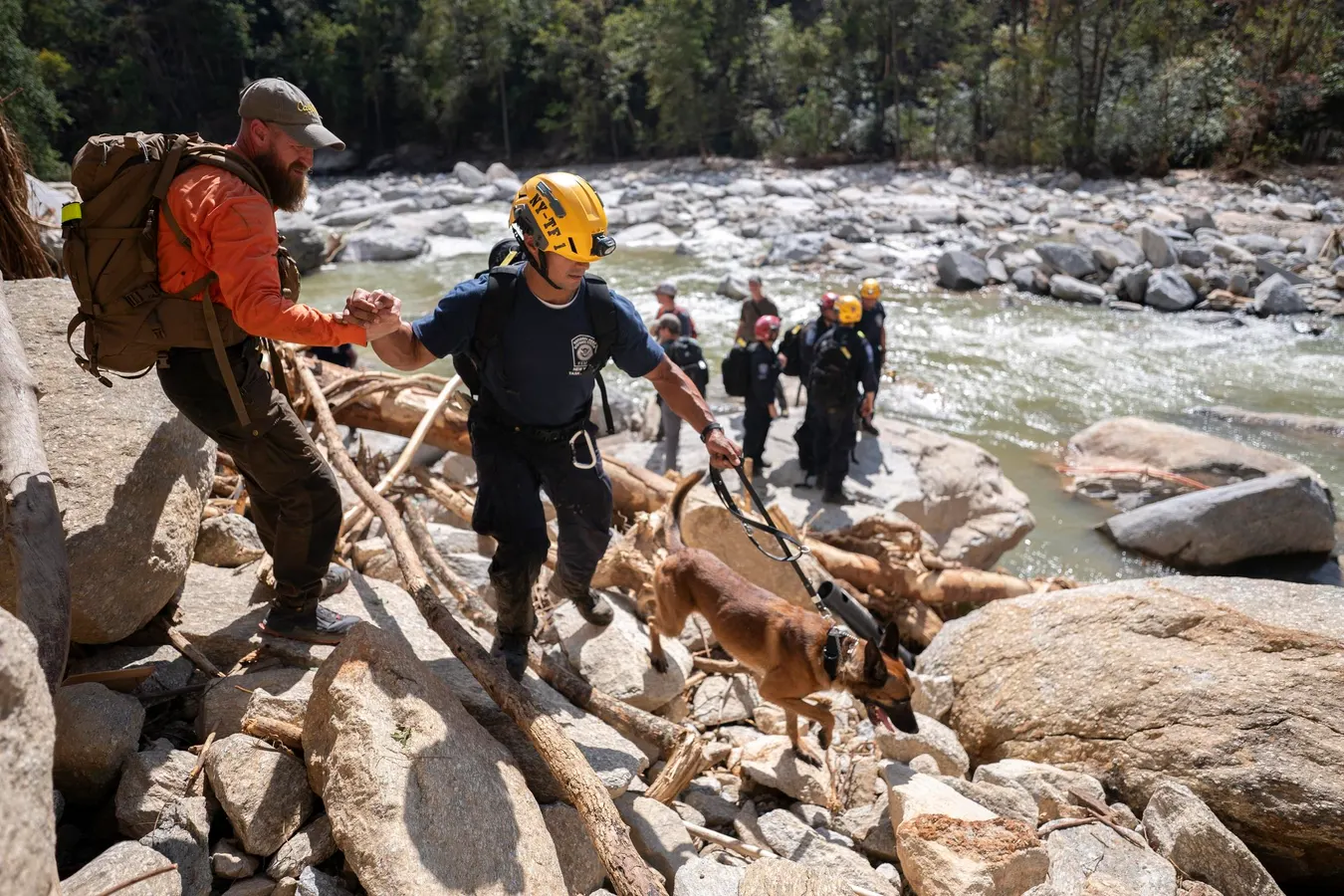
“Those are the people that are reliant on FEMA to come in and help,” said Alan Harris, emergency manager in suburban Seminole County, Florida, outside of Orlando. “If they’re not coming in to help us at the local level, we’ll help to the best of our ability, but with no funding I don’t know what that is going to look like.”
That is the kind of concern circulating now among state and local emergency managers and others engaged in the work of disaster response, as the Trump administration aims to streamline the Federal Emergency Management Agency and hand over more of the agency’s responsibilities to state, local and tribal entities.
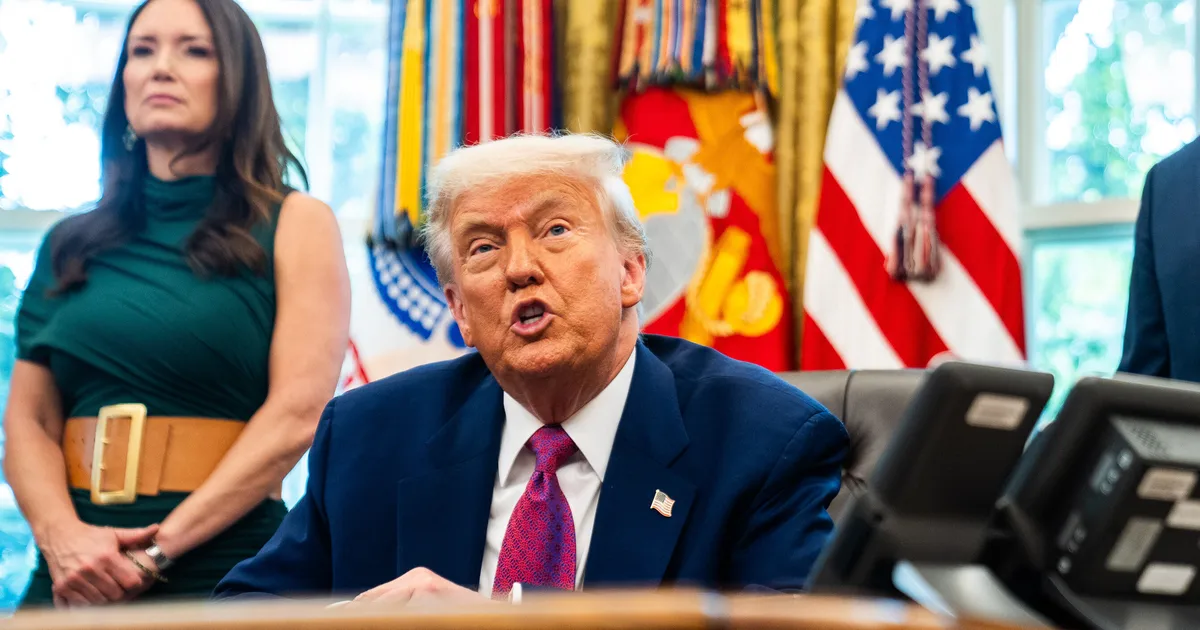
During his first week in office, President Donald Trump appointed a task force to evaluate FEMA and identify reforms. Not long after, he issued an executive order calling on state and local governments and individuals to “play a more active and significant role in national resilience and preparedness.” He even has suggested the possibility of eliminating the agency altogether.