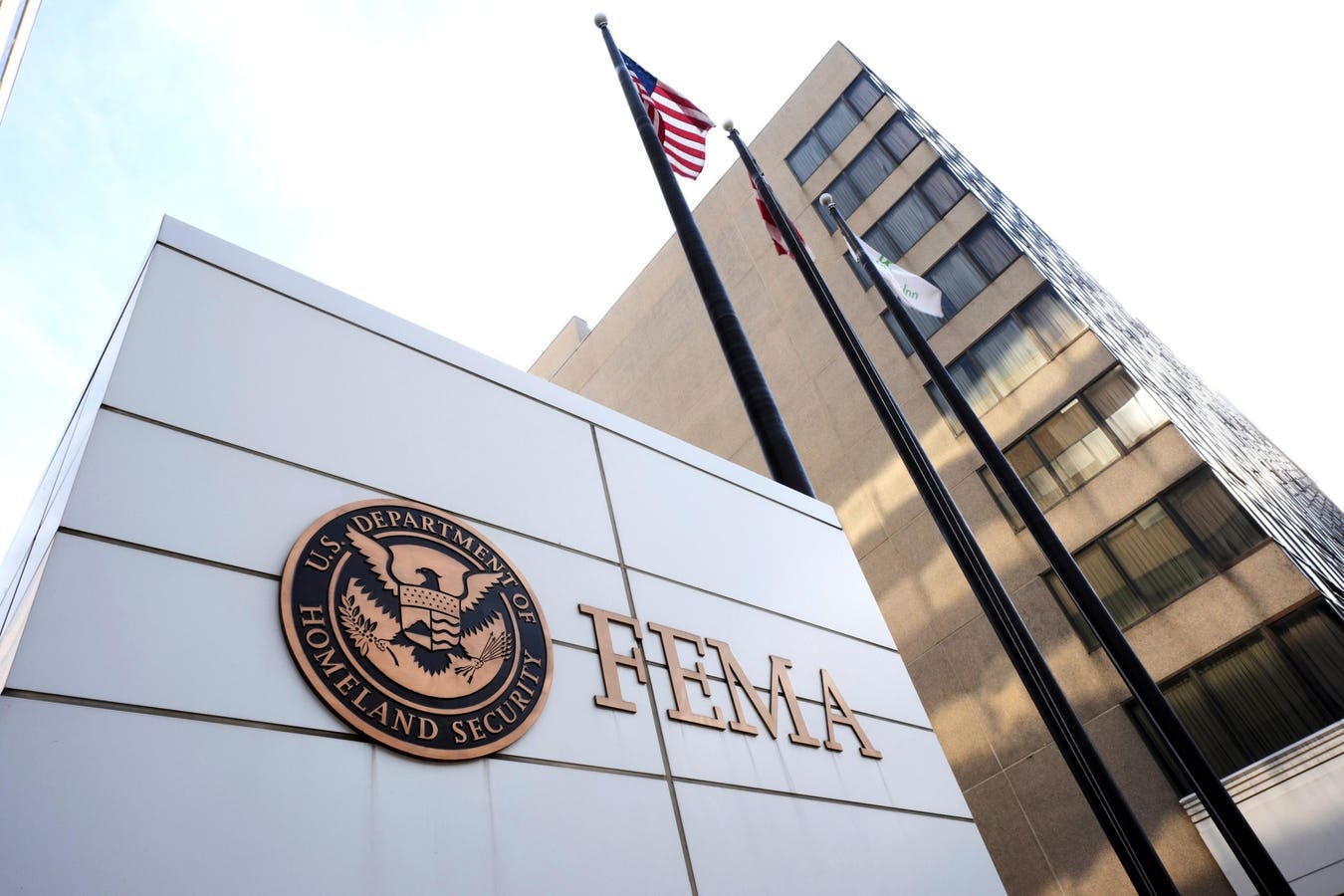
FILE - The Federal Emergency Management Agency headquarters is photographed in Washington, May 5, 2025. (AP Photo/Gene J. Puskar, File)
The FEMA Review Council’s final report does not abolish FEMA. It does something more complicated. It proposes a smaller, faster, and more state-centered disaster system. FEMA 2.0 would keep the federal government involved in catastrophic events but move more responsibility for ordinary disaster recovery to states, tribes, territories, counties, and local governments.
That is a major shift in the federal disaster compact. For decades, the Federal Emergency Management Agency has been criticized for slow reimbursements, complex paperwork, inconsistent survivor assistance, and cumbersome grant programs. The Council’s answer is to make FEMA less of an operator and more of a funder, coordinator, standards-setter, and backstop for the worst disasters.
The Council’s central doctrine is that disaster response should be “locally executed, state or tribally managed, and federally supported.” That language tracks a familiar emergency management principle. But the report would give the phrase new force by changing disaster declaration rules, survivor assistance, public assistance, mitigation funding, and the structure of the agency itself.