Tramino / Getty Images
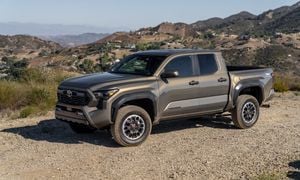
Pickup trucks occupy a difficult position in the conversation about fuel economy. Their size, mass, and aerodynamic profile work against efficiency, and their core purpose — hauling heavy loads, towing trailers, and handling terrain that smaller vehicles cannot — tends to push powertrains toward higher output over lower consumption. For buyers who need a truck’s capabilities, there has historically been no way around the fuel costs those capabilities impose. Gas prices in spring 2026 are trending upward, and the question of which truck costs the least to fuel over time has become more pressing than it was a few years ago.
The market has responded. Hybrid powertrains, turbocharged engines that extract more work from less fuel, and diesel options now appear across the pickup segment in ways they did not a decade ago. Several trucks can now achieve combined fuel-economy ratings approaching 40 miles per gallon. That number would have seemed implausible for a four-door, four-wheel-drive vehicle capable of towing a trailer. Even full-size trucks, traditionally the least efficient category in the segment, now offer hybrid and diesel configurations that meaningfully reduce per-mile fuel costs relative to the purely gasoline powertrains that once dominated the segment.