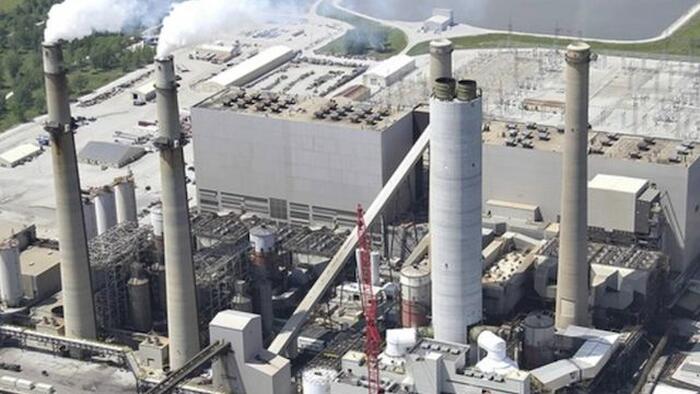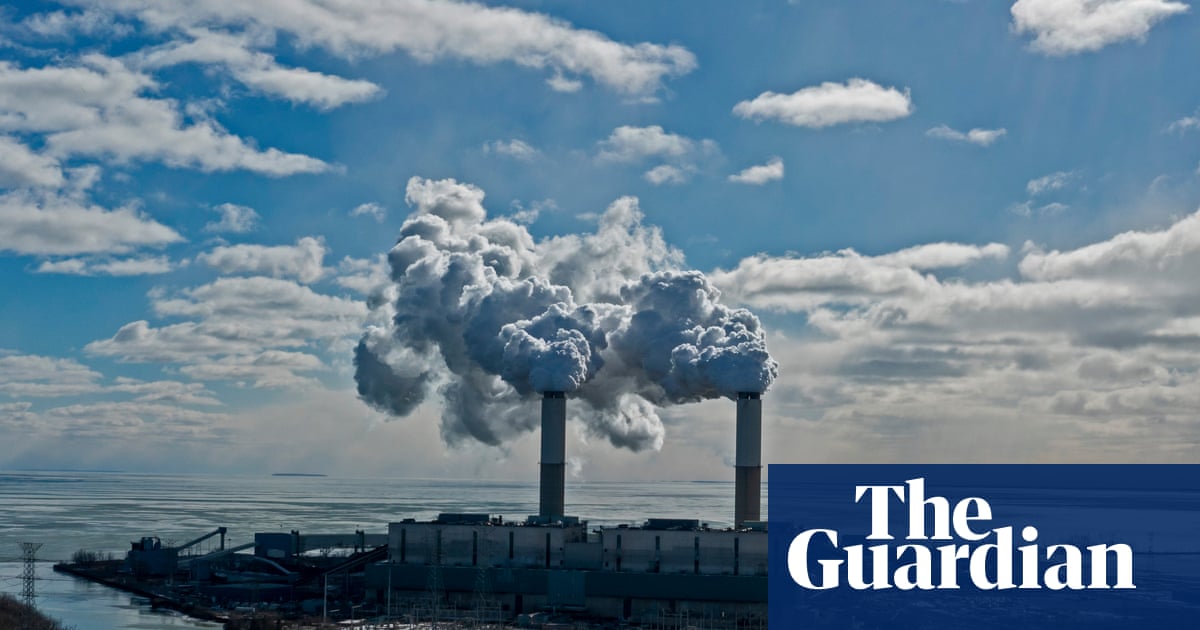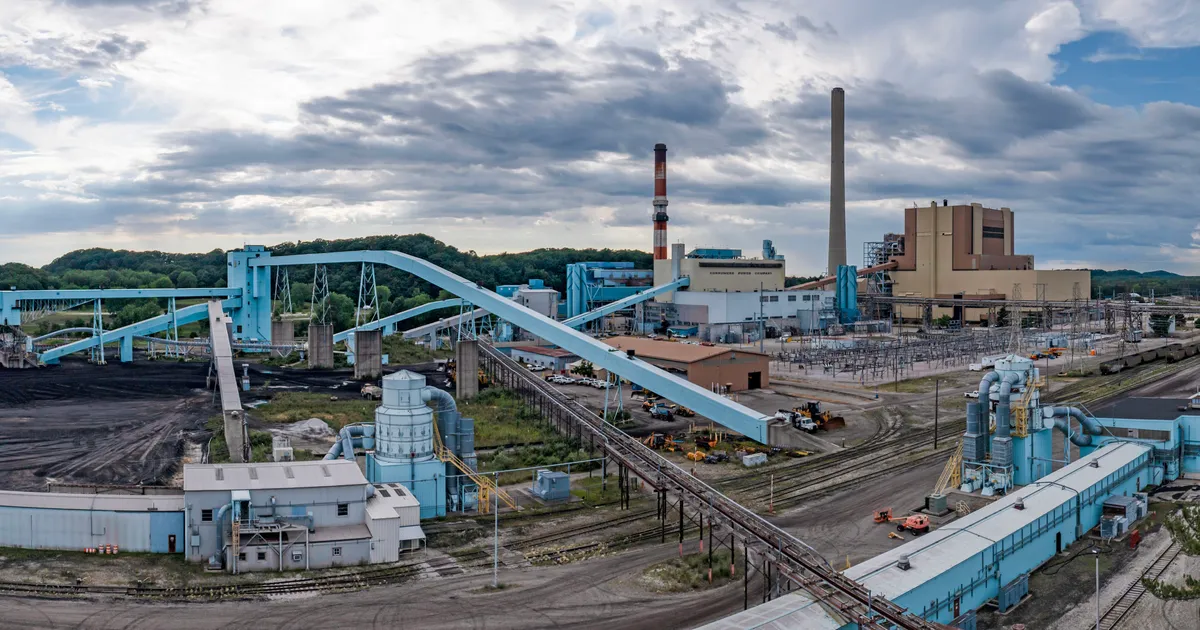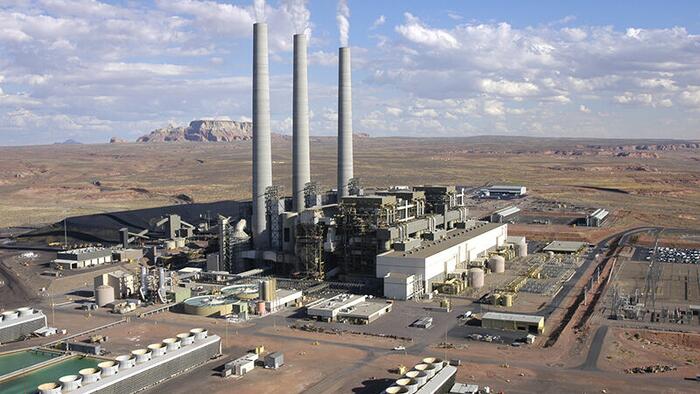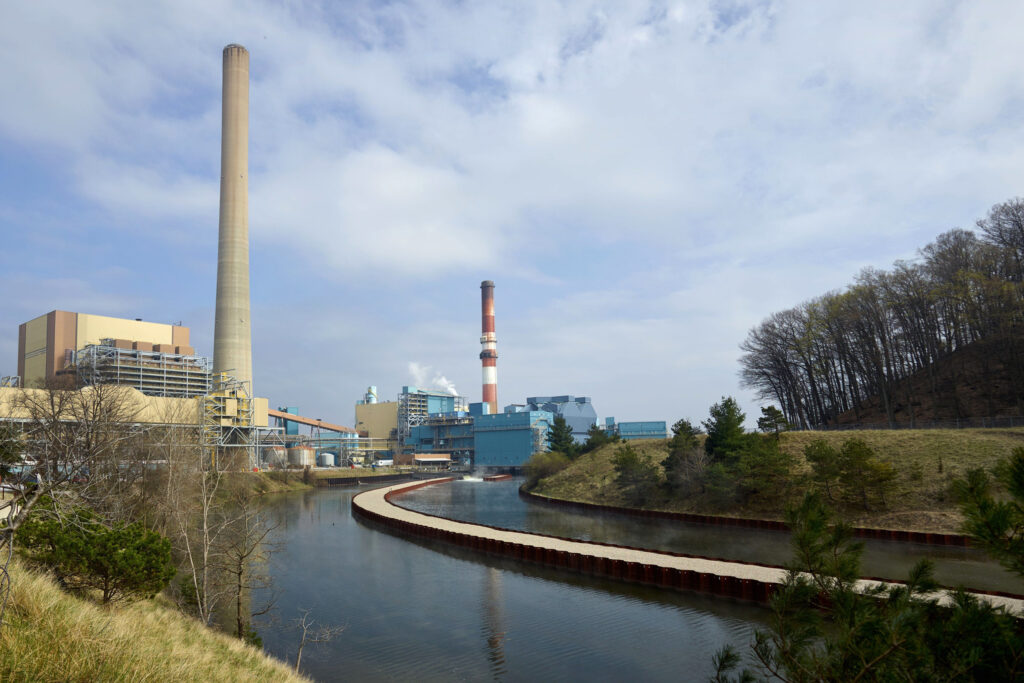
The Trump administration has kept a Michigan coal-fired power plant operating nearly a year past its scheduled retirement date to meet rising energy demand, even as lawsuits unfold and critics warn the move could cost ratepayers. Over the past year, the Department of Energy has been at the forefront of keeping aging coal plants operating to prevent blackouts during peak summer and winter seasons. The J.H. Campbell coal-fired plant in Michigan received its fifth emergency order from the DOE earlier this week, requiring it to remain operating far past its retirement date. The DOE directed the region’s grid operator, the Midcontinent Independent System Operator, and the plant’s operator, Consumers Energy, to keep the facility open through Aug. 16, 2026. The plant was set to retire almost one year ago, on May 31, 2025.
However, the DOE has argued that its repeated delays in the plant’s retirement provide a “critical” energy source to the region’s grid.
“The energy sources that perform when you need them most are inherently the most valuable—that’s why beautiful, clean coal was the MVP during peak capacity events this past year,” Energy Secretary Chris Wright said in a statement.
Demand for energy has grown in recent years, partly due to the rapid growth of artificial intelligence, data centers, manufacturing, and increased electrification. The U.S. Energy Information Administration said U.S. electricity demand is forecast to rise 1.3% in 2026, averaging almost 4,250 billion kilowatthours and increasing another 3.1% in 2027.