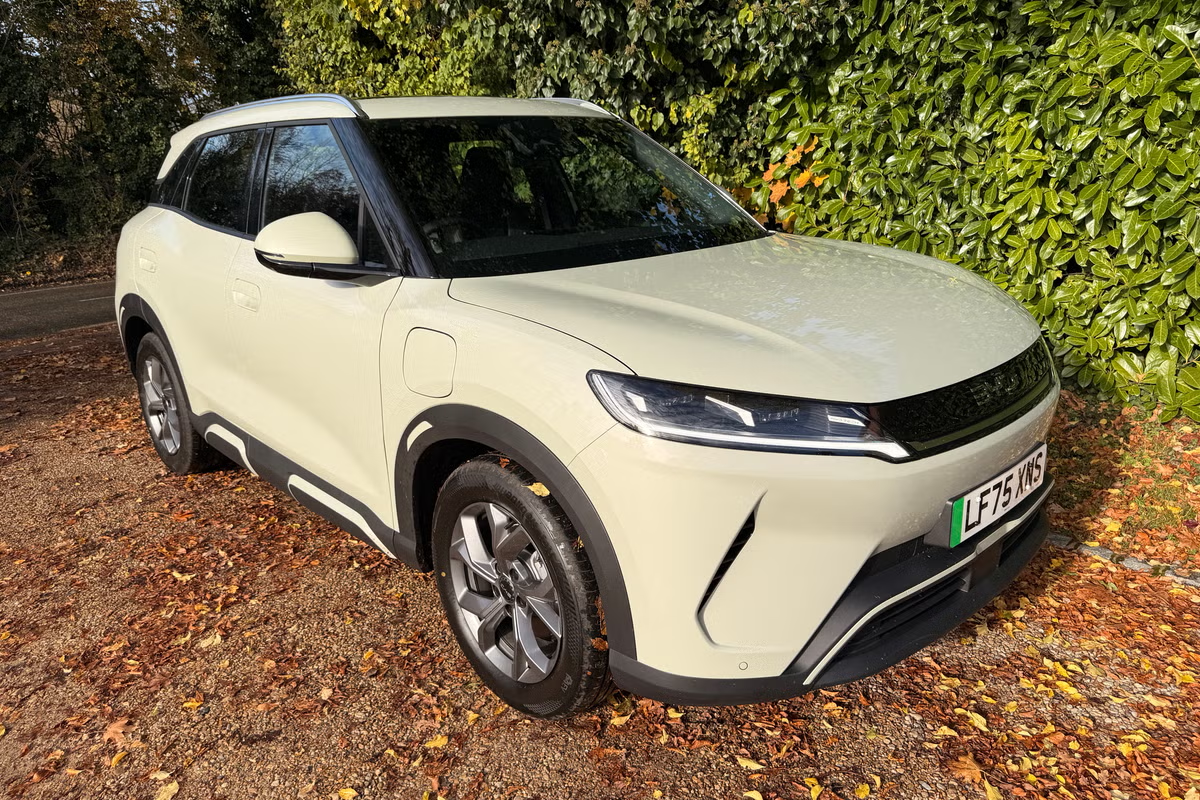
Rising fuel costs and ongoing geopolitical tensions are accelerating the transition from internal combustion engine (ICE) vehicles to electric vehicles (EVs), with efficiency gains emerging as a central driver of change in transport energy consumption.
Since the escalation of the US and Israel's war in Iran, fuel price volatility has pushed more consumers towards electrified transport.
Data from Bloomberg shows that in March 2026 alone, 206,200 EVs were sold across France, Germany and the UK, marking a 44% increase year-on-year. Other markets are seeing similar momentum, with sales more than doubling in South Korea and reaching 16,000 units in Italy, up 67% compared to the previous year.
Against this backdrop, Energy Digital examines how EV efficiency compares with ICE vehicles from an energy perspective.
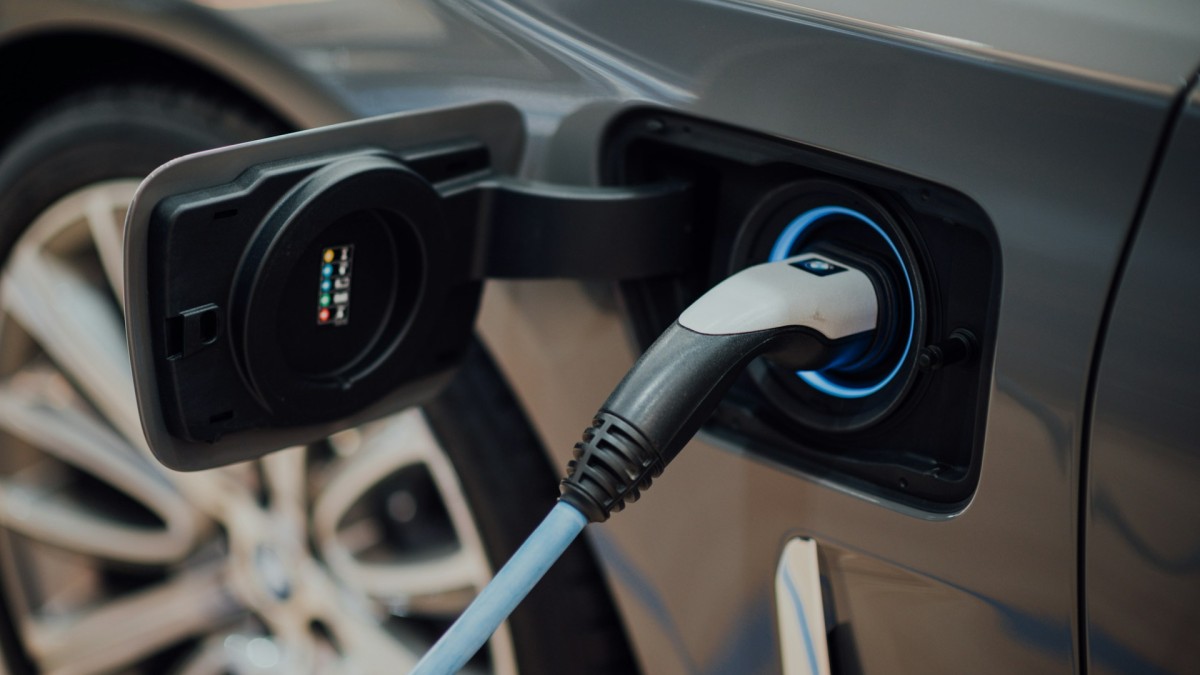
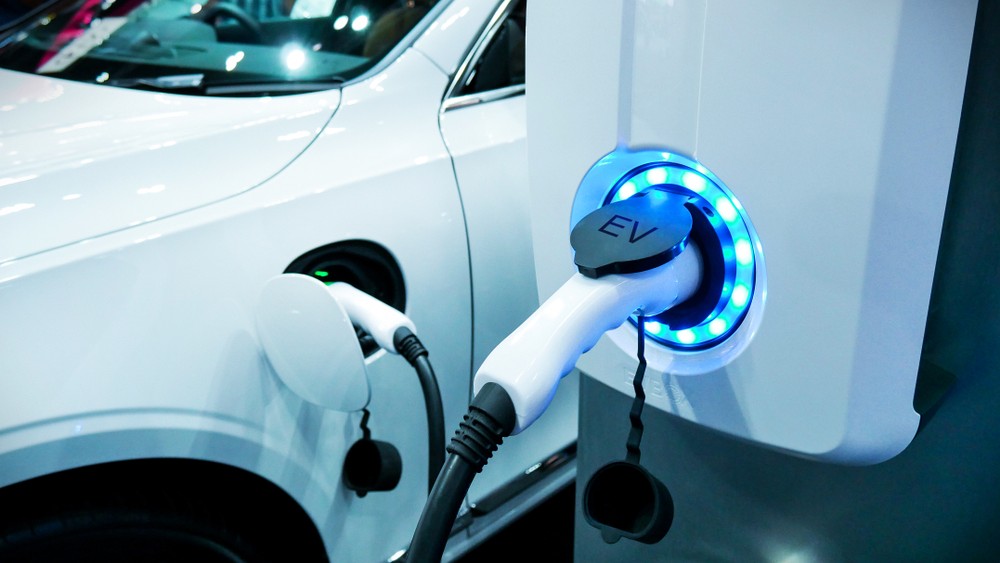
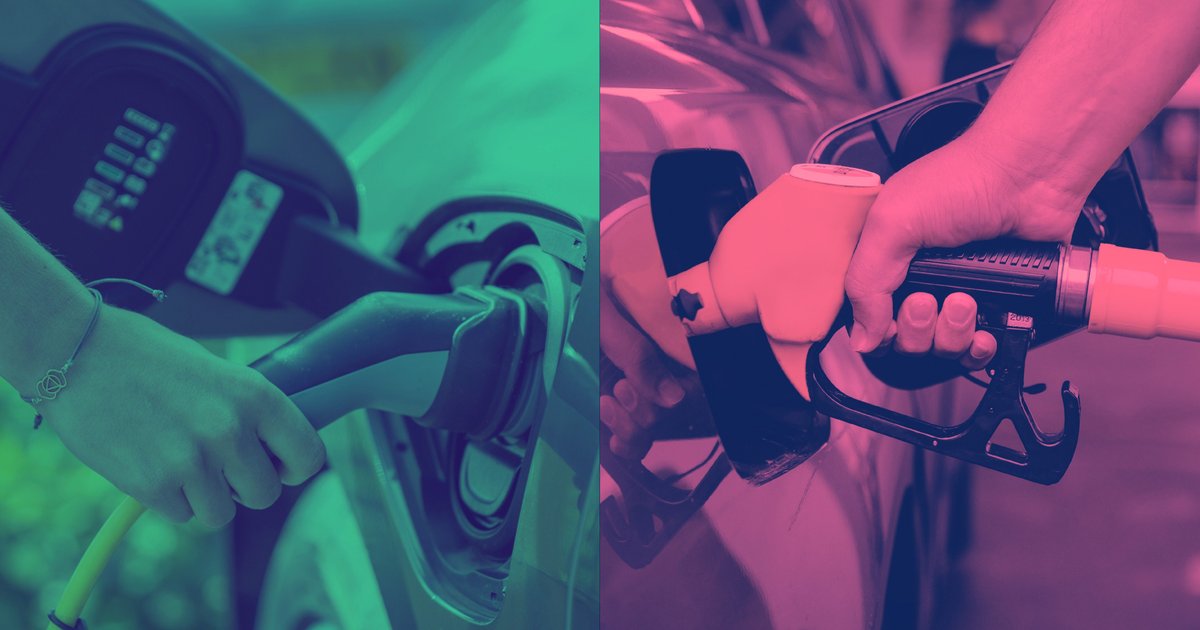
At a fundamental level, EVs and ICE vehicles rely on entirely different energy systems. EVs draw electricity from the grid and convert it into motion via batteries and electric motors, while ICE vehicles depend on combustion processes that release energy through heat.