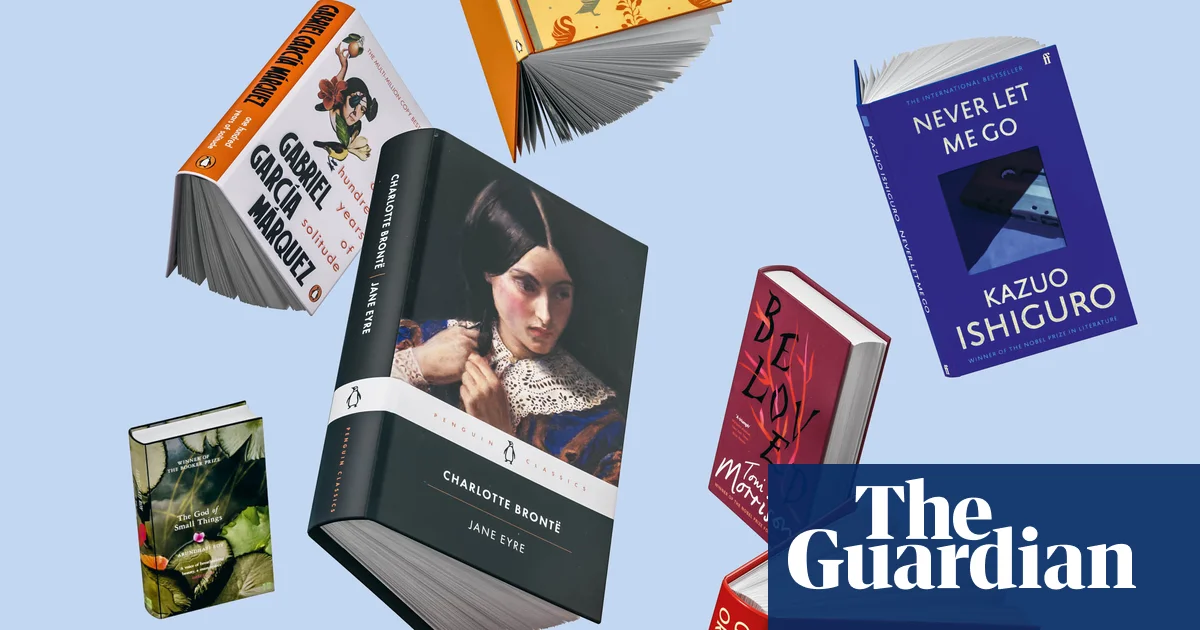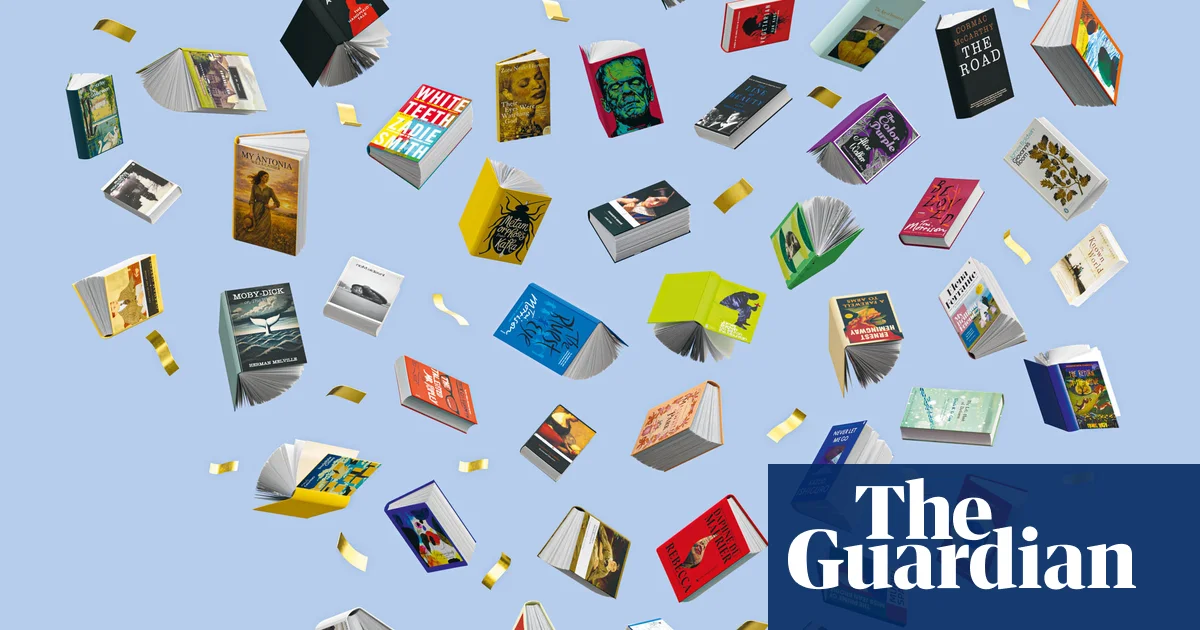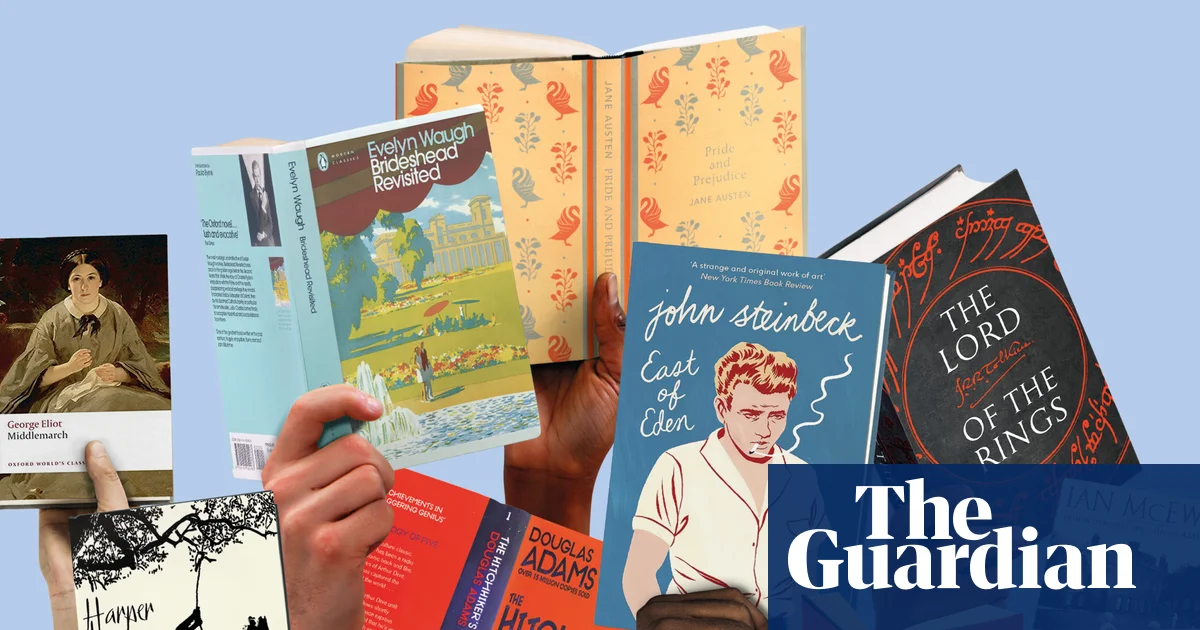
Over the past week it has seemed impossible to move for fatheads pontificating about The Guardian’s “100 best novels” list. Such rankings are an easy way to generate engagement (such as this column). Indeed, over the past few months social media has been much taken up with fake lists, either plucked from thin air or misattributed to more respectable sources, on topics such as “best rock bands” or “best ever television series”. One can scroll through 50 posts outraged at the selection before encountering someone wearily pointing out that you’re not arguing with the genuine views of the BBC or Rolling Stone (or whatever). Never mind the veracity, feel the interaction.The Guardian’s list, whatever you think of the results, was composed in honourable fashion. The paper asked 172 authors, critics and academics, among them Irish cultural royalty such as Anne Enright, Colm Tóibín and Eimear McBride, to rank their top 10 novels and then shoved the results into a big sum that delivered the highest-quality rage bait.Even without looking at the list you could guess what the arguments would be. There is not enough genre fiction. There are too many novels written in English. It is too woke. It is not woke enough. In The Spectator Michael Henderson pondered “the problem with the Guardian’s top 100 books list” and decided that “when critical responses harden into perceived wisdom, it can end up being tiresome”. Well, maybe. We will come back to that.As a perennially joyless and spiteful man, I was delighted (but not especially surprised) to find no mention of The Lord of the Rings. People really need to shake the stubborn notion that the works of JRR Tolkien comprise literature for grown-ups. I would have liked Anthony Powell’s A Dance to the Music of Time, long a personal obsession, to make the 100, but I was not “disappointed” in its absence. That roman-fleuve is no longer fashionable with literary sorts and was, almost certainly, a less likely inclusion than Tolkien’s Epic Pooh (as Michael Moorcock described The Lord of the Rings).What the panel delivered was a surprisingly old-fashioned list largely composed of long-established greats. The pathetic attempt in online quarters to suggest that Middlemarch’s position at number one was the result of positive gender discrimination deserves only derision. Over the past 50 years or so George Eliot’s masterpiece has bedded in as academics’ pick of the greatest English novel. It was surely ante-post favourite for a publication that has its roots in Manchester.Elsewhere, what do we get? Jane Austen and Charles Dickens secure four titles each. (It’s interesting to see the once undervalued Our Mutual Friend among the latter’s scorers.) James Joyce’s Ulysses is in the top three. Well, duh. Big hitters such as Moby Dick, In Search of Lost Time and War and Peace are all there. So far, so usual suspects.The anti-woke tendency got some tinder for their box with Toni Morrison’s Beloved separating Ulysses and Middlemarch at number two. John Podhoretz, editor of the conservative magazine Commentary, could not get to his keyboard fast enough. “Among the most ludicrous aesthetic judgments in the annals of Western culture,” he fumed. “Embarrassing tokenism”.[ Toni Morrison examined slavery and its legacy with unflinching detailOpens in new window ]Morrison, among the most powerful voices in African-American literature, is, alas, no longer around to snub a nose at the critics while, with her other hand, gesturing towards her Nobel Prize in Literature. The placing of Beloved is a surprise but no sort of shocker.What we have here is a contender for that most venerable of intellectual tools: a literary canon. Furious tirades from the likes of Podhoretz only support that definition. If the list were a more committed exercise in diversity then he wouldn’t be singling out one supposedly ludicrous judgment. The Guardian surely did not mean it that way. No doubt a more eccentric list would have generated even wider debate. Instead, for good or ill, we have a list of Great Books: a guide to which leather-bound volumes you should display on your most visible bookshelf.The idea is less fashionable than it once was in universities. Those complaining about the western bias in The Guardian’s list are, of course, entirely correct. Harold Bloom’s The Western Canon: The Books and School of the Ages, a 1994 book much beloved of those opposed to academic revisionism, recommends many of the novelists at the upper end of the Guardian list: Joyce, Dickens, Proust, Kafka. By all means rail digitally about the lack of African and Asian novels. Those complaints serve as worthy footnotes to the main text.As long as those provisos are understood, however, this document, like rival canons, offers a solid starting point for those wishing to shape a literary sensibility. Deployed responsibly, a canon is an effective weapon (with apologies).
Donald Clarke: Guardian's greatest novels list is rage bait but it's of the highest quality
The Guardian’s much talked-about ‘100 best novels’ ranking is a surprisingly old-fashioned list largely composed of long-established greats
800 words~4 min read