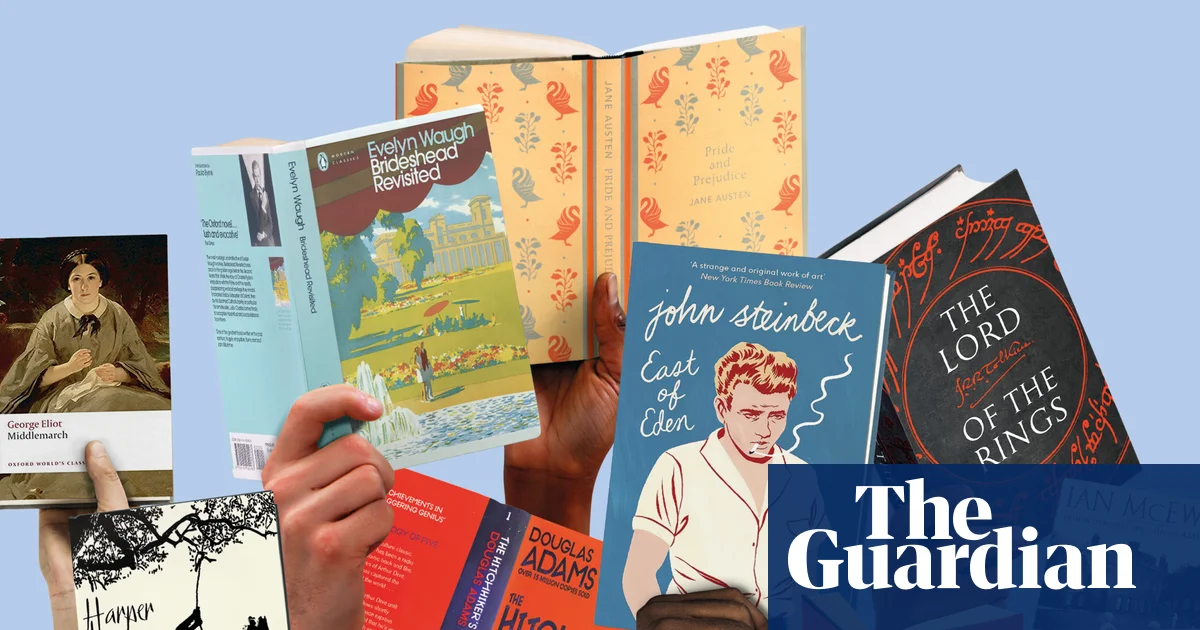
The Guardian has asked a panel of authors and critics to nominate their favourite novels to make up a ‘Top 100’, and to nobody’s surprise the highest places were bagged by that well-known half-back line: Proust, Tolstoy and Joyce. ‘Reigning supreme’, as Fluff Freeman might have said, was George Eliot. Yes, Middlemarch, the supreme novel of provincial England, was number one.
Great writers, all. Yet how flat it seems. Ulysses, for instance, is a remarkable book, even if it is savoured more by writers than readers. It is long, self-consciously clever, and assumes a familiarity with the ancient world. But not everybody has the patience to last the course.
When a ‘Hot Hundred’ finds room for Nervous Conditions by Tsitsi Dangarembga, as the Guardian’s list does, and no place anywhere for Evelyn Waugh, one wonders about the judges’ sanity
This is part of the problem with ‘approved lists’ compiled by experts. There’s no denying that we all love to show off, and that some voices are worth hearing. Yet when critical responses harden into perceived wisdom, it can end up being tiresome.
As can reading when it is presented as a civic duty rather than a personal pleasure. If we determine a novel’s value by the writer’s ethnicity or social background – as in the case of the Guardian list – it can feel like you are trapped in an undergraduate lecture room.