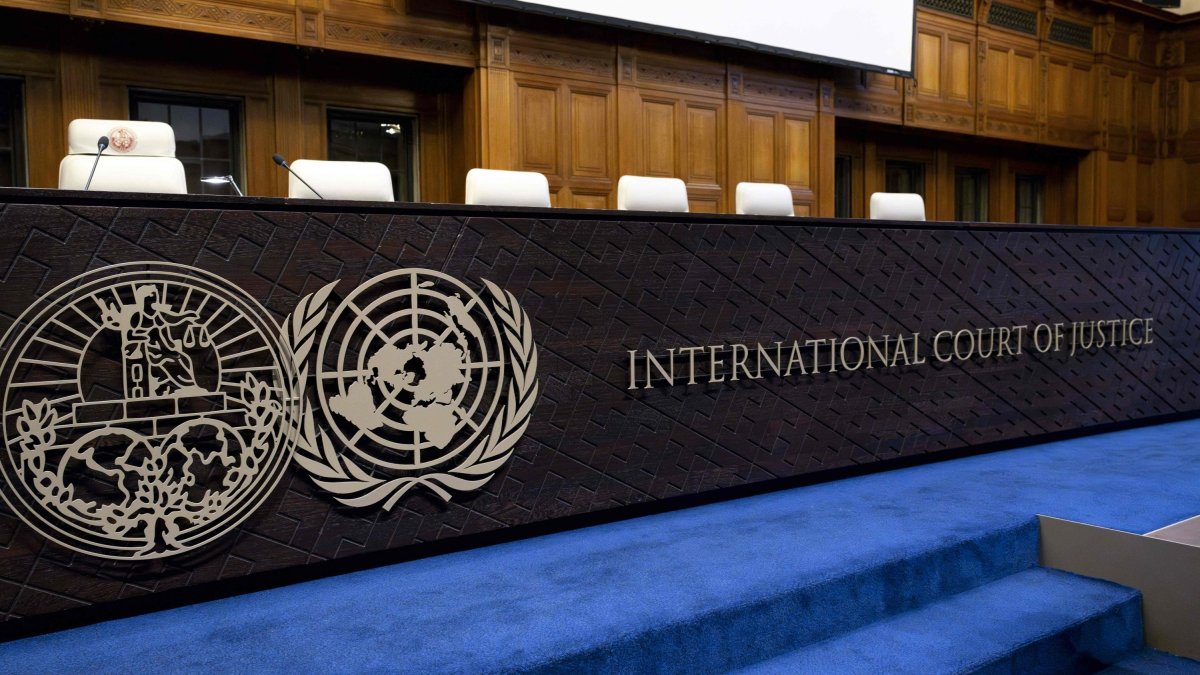
adsThe Court of Cassation of Belgium has on 22 May 2026, brought to a close one of the most consequential legal chapters in the country’s modern relationship with its colonial past. By rejecting the Belgian State’s appeal in the Métis case, the Court affirmed an earlier ruling that held Belgium civilly liable for the forced separation of mixed-race children from their African mothers during the colonial era. The conduct, the courts characterised as constituting crimes against humanity.
The judgment is historic. Yet history teaches us that court rulings, no matter how significant, rarely settle the deeper questions that societies must confront. Courts can determine liability. They can award compensation. They can establish legal truth. But they cannot by themselves create reconciliation, restore dignity, or build a shared future.
The Work That Belongs to Statesmanship
As someone who has followed this case closely and publicly argued in January 2025 that Belgium should not appeal the original judgment, I view the Court’s decision not as a victory for one side and a defeat for another. Such a framing would be both simplistic and counterproductive. Rather, it is an opportunity for Belgium to demonstrate what a mature democracy does when confronted with difficult truths about its past.