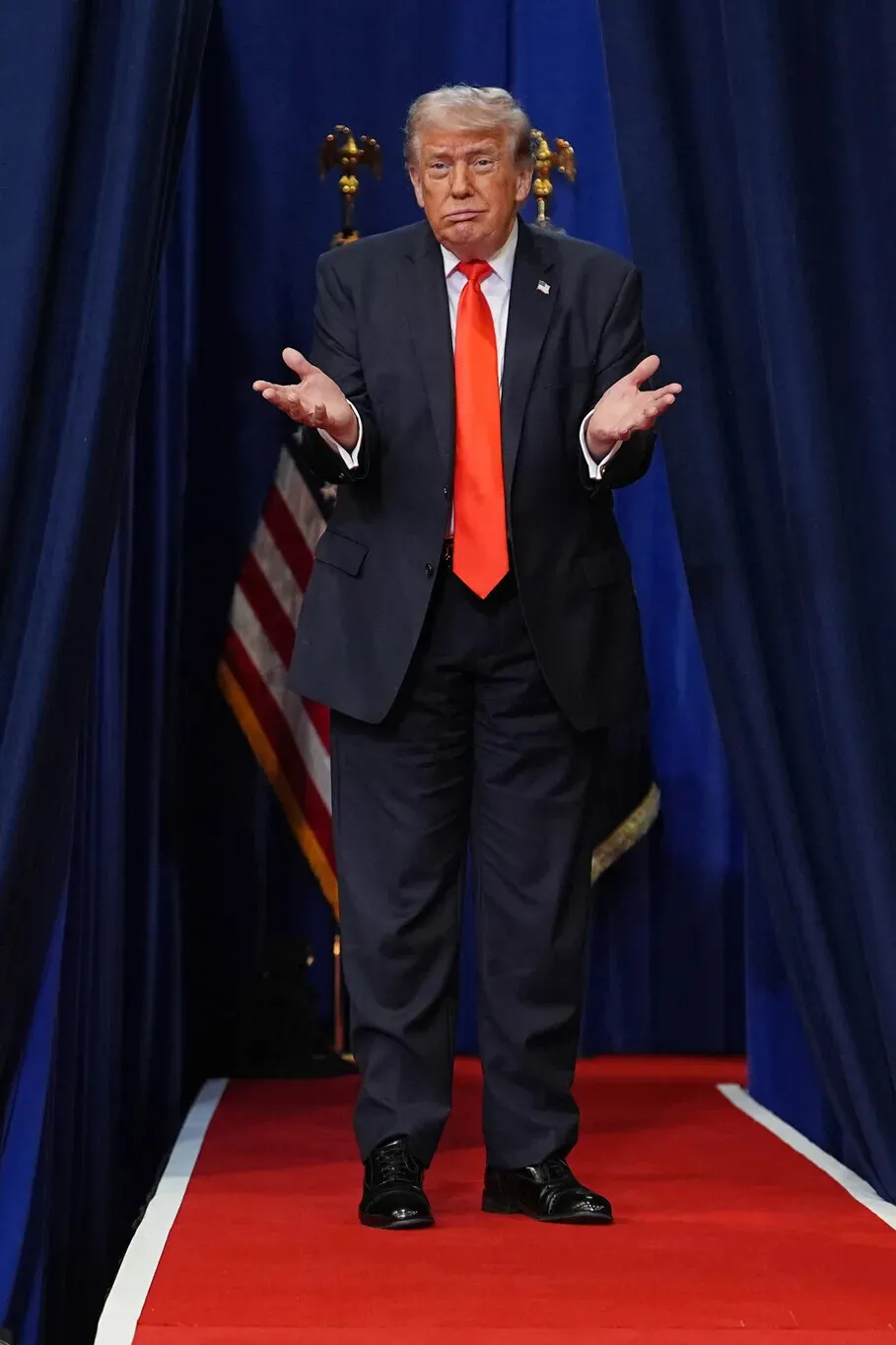
US President Donald Trump visits The Villages Charter School in Florida on May 1, 2026. (AP/Yonhap)
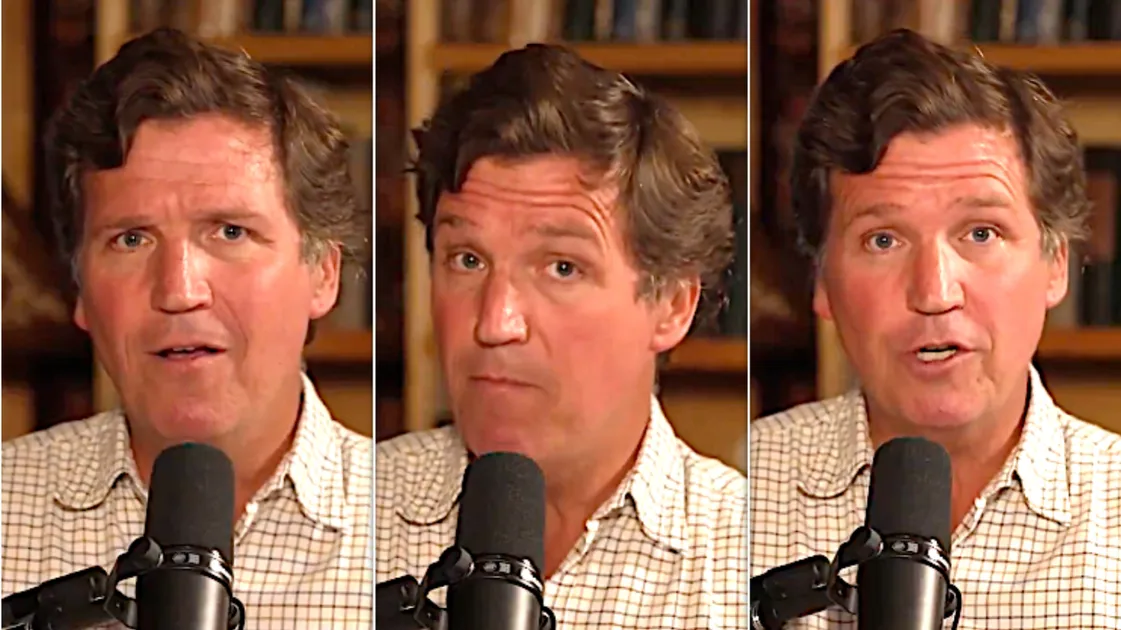
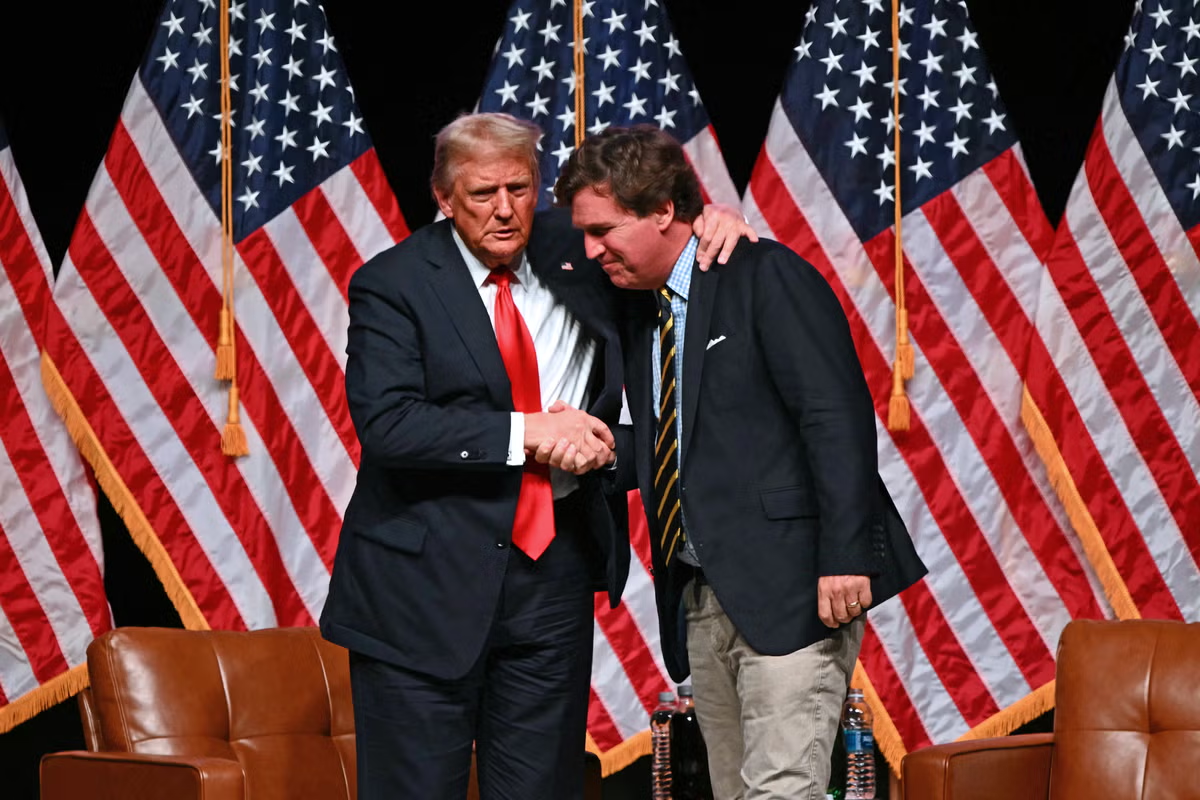
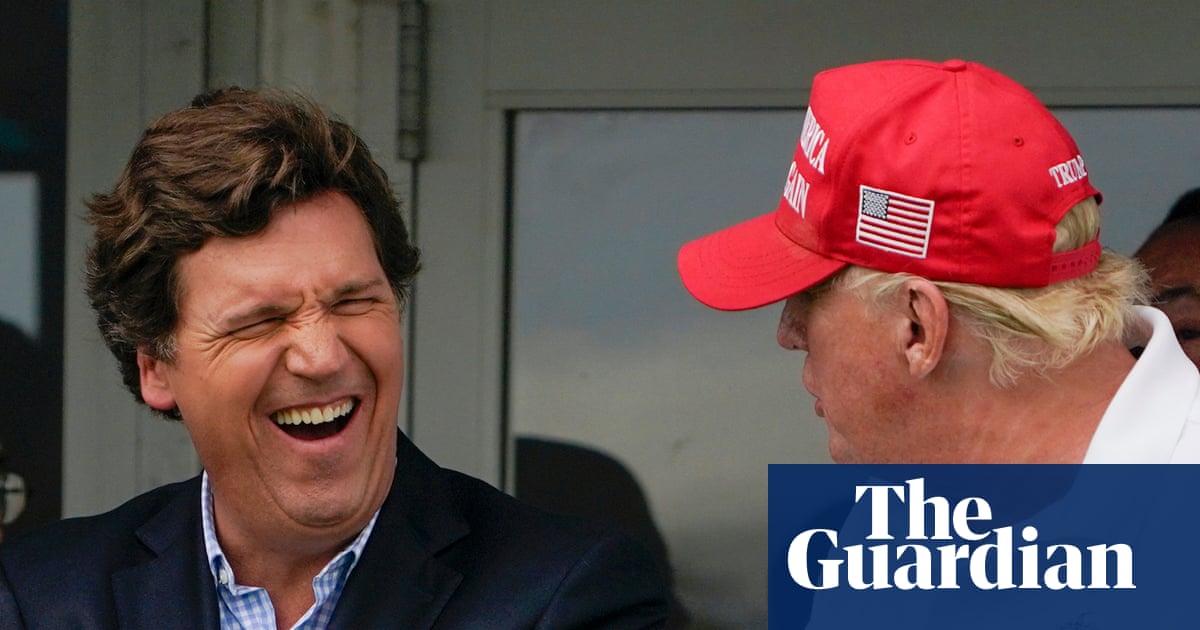
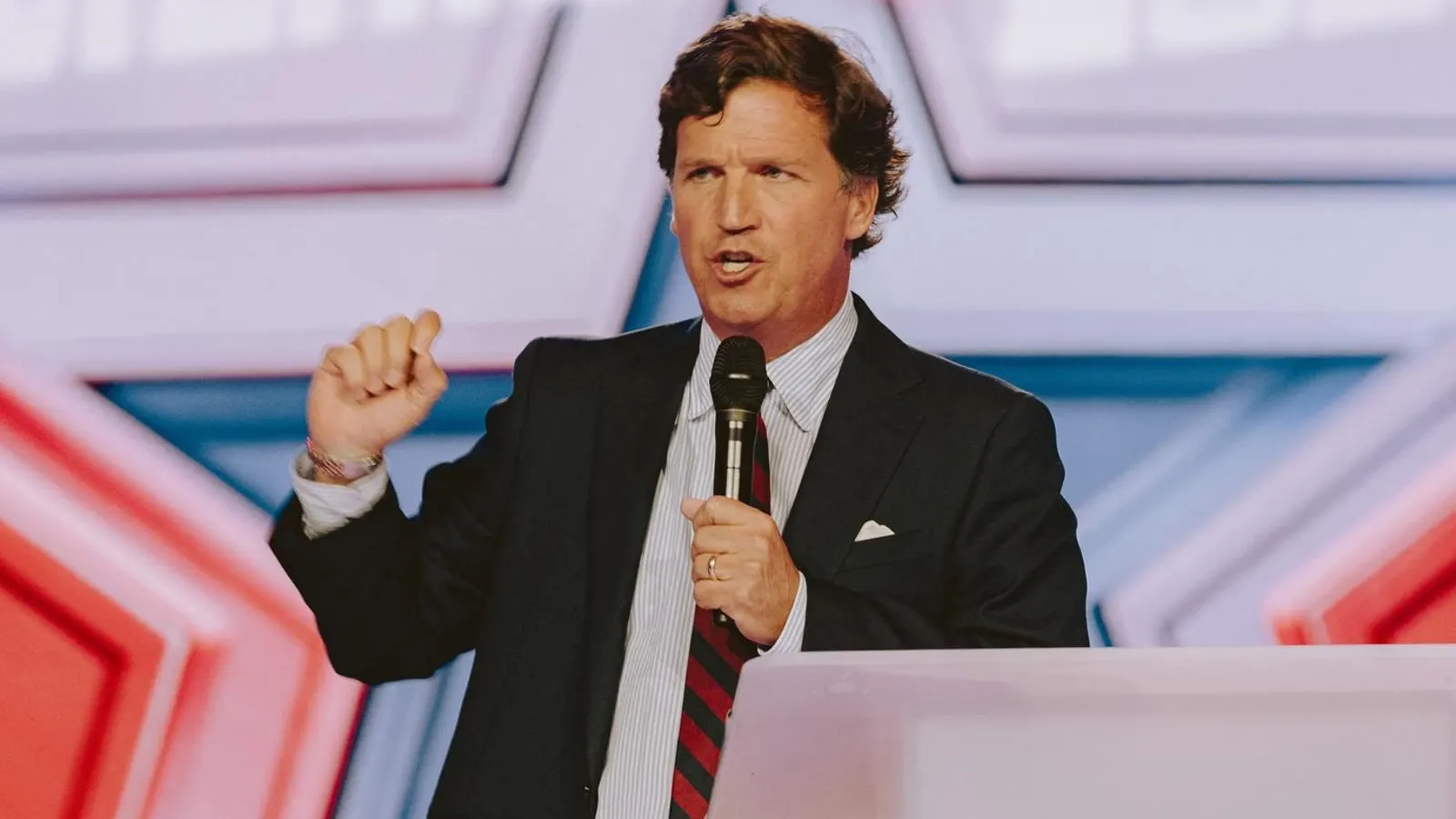
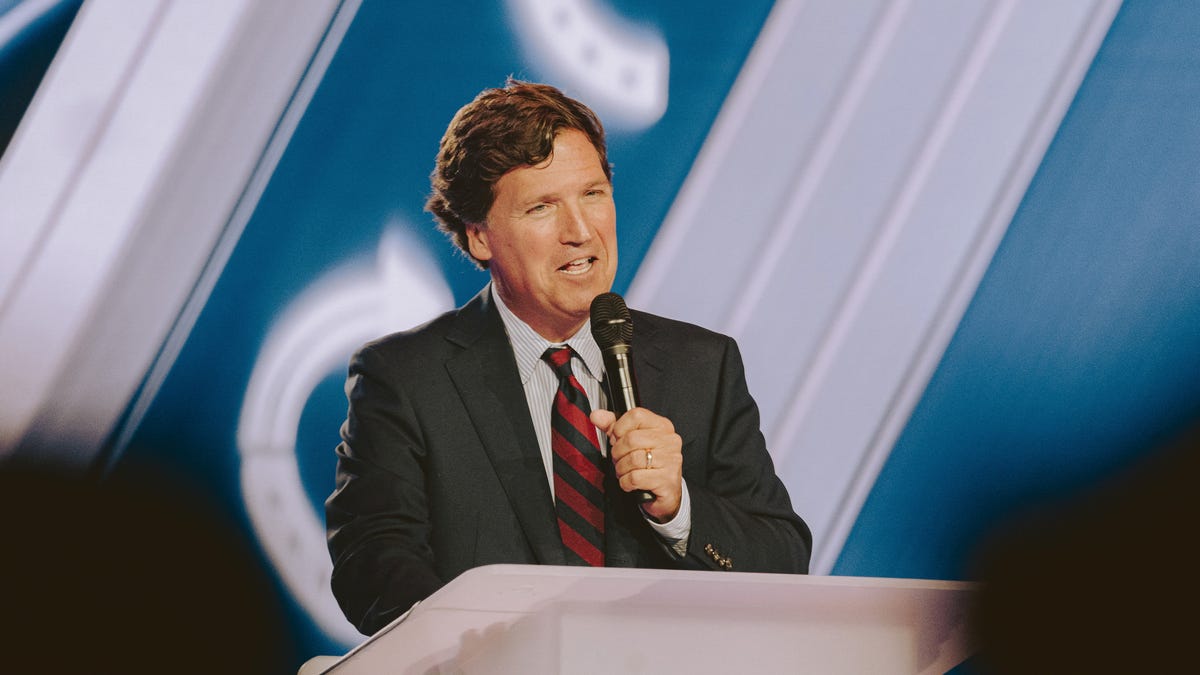
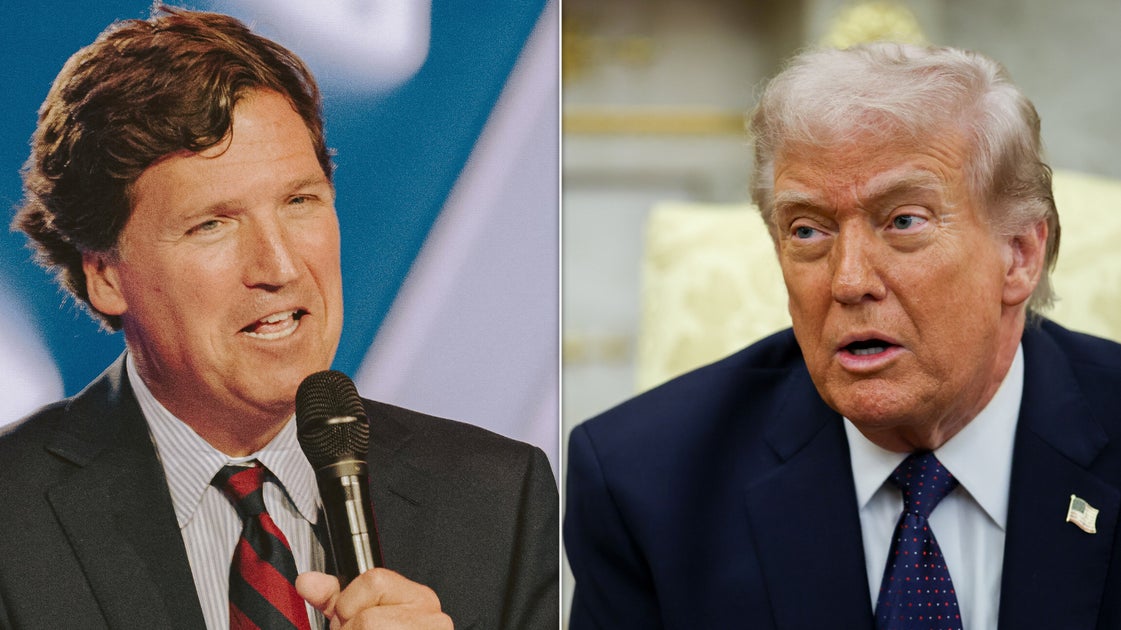
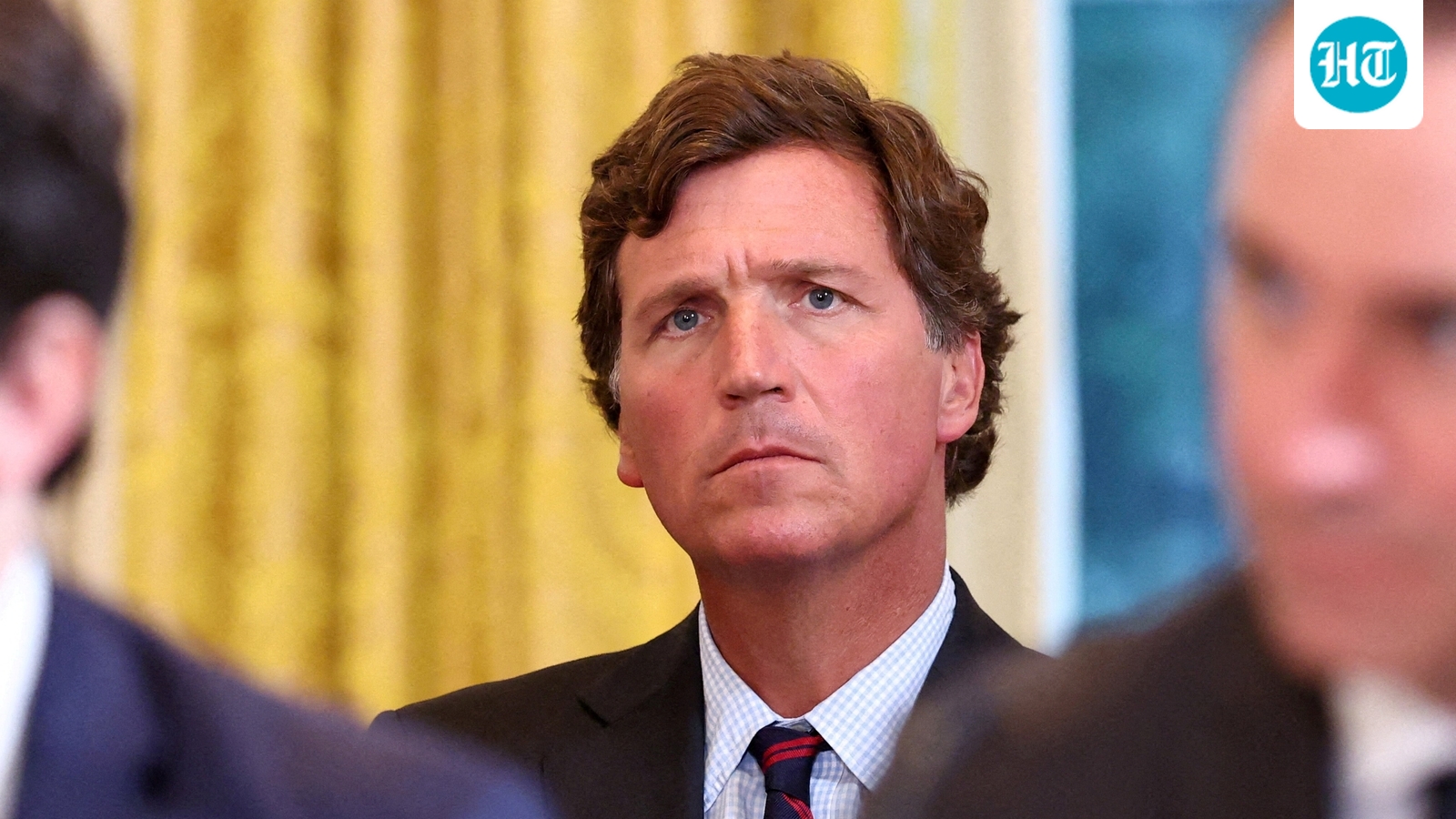
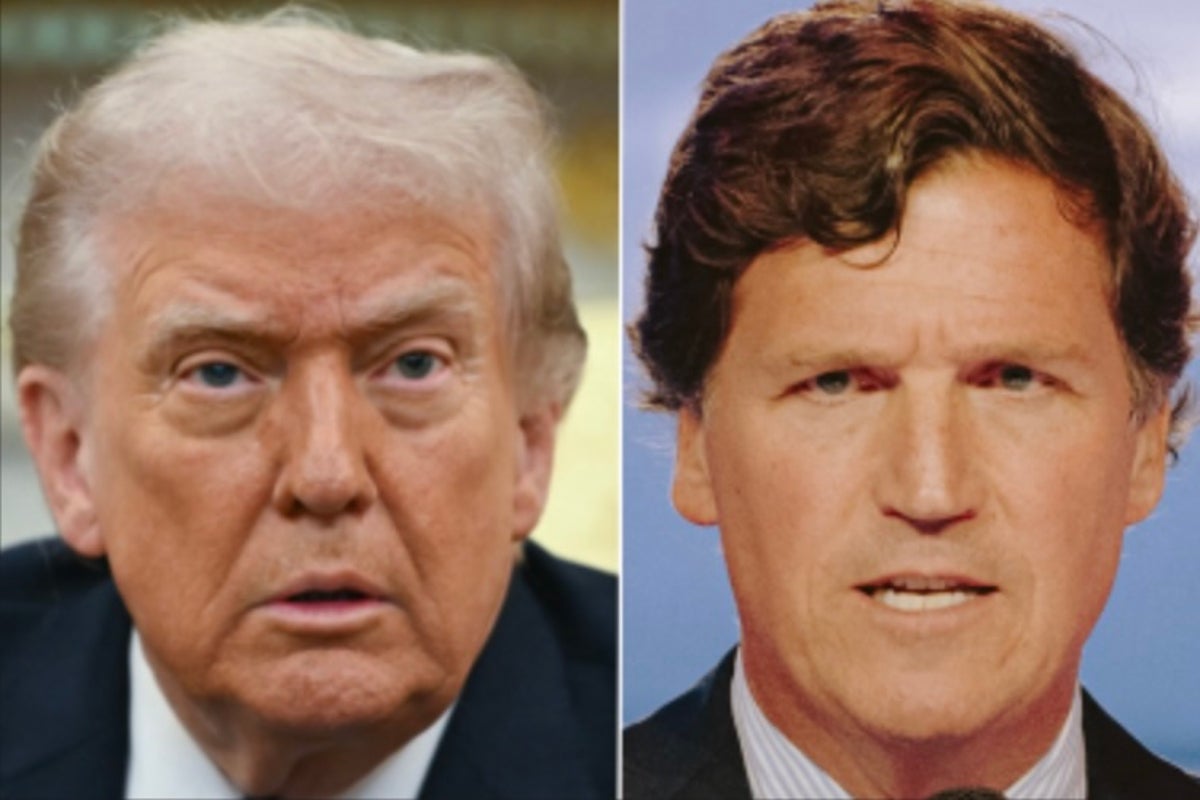
“You know, we’ll be tormented by it for a long time — I will be. And I want to say I’m sorry for misleading people. It was not intentional, that’s all I’ll say.”The conservative political commentator Tucker Carlson publicly retracted his support of US President Donald Trump on his podcast last month. Carlson is the poster boy of the far-right media ecosystem that provided the foundation for Trump’s political career. By turning his back on Trump, Carlson, who has thousands of adoring followers, has laid bare the growing division within the MAGA movement, led by conservative Trump supporters. The US and Israel’s war with Iran has split the MAGA movement. When Trump abandoned his promise to end America’s “forever wars,” and began a new war, his supporters split into two camps: those who remained fiercely loyal to Trump and those who opposed war and advocated for isolationism. Political reporter Jason Zengerle called Carlson’s denunciation of Trump a great test of the nature of the MAGA movement: “Is MAGA a cult of personality or is it actually an ideological movement?” The far-right media ecosystem, which once used its powerful reach on YouTube, podcasts, and other social media to help elect Trump, is now engulfed in a conflict where former allies are calling each other “traitors.” Conservative and far-right personalities are criticizing Trump for betraying the “America First” policy. Candace Owens and Alex Jones are calling for Trump’s removal from office by bringing up the possible invocation of the 25th Amendment, which defines the grounds for the president’s suspension of duties. After Trump issued a threat that “a whole civilization [would] die” in Iran, Megyn Kelly slammed the president, saying, “Can’t he just behave like a normal human?” Podcasters such as Joe Rogan and Tim Dillon, who helped Trump win support among young Americans and men, are beginning to distance themselves from his administration. Curt Mills, the editorial director of The American Conservative magazine, stated, “Nothing has dissected the MAGA coalition more than this war of choice with Iran.”On the other hand, pro-Israel right-wing figures such as Mark Levin, Ben Shapiro and Laura Loomer sided with Trump, saying the president is eliminating threats to US security. They also blasted Carlson as a “traitor” (Levin), “mentally ill” (Loomer) and “threat to national security.” Trump also joined the chorus of criticism by calling Carlson “Low IQ” and someone who would “say anything necessary for some ‘free’ and cheap publicity.” “They’re not ‘MAGA,’ they’re losers, just trying to latch on to MAGA,” he wrote on Truth Social.Ahead of the November midterm elections, Republicans are growing increasingly concerned as their conservative media network, long one of their greatest assets, shows signs of instability. Trump’s approval rating has fallen to its lowest level since the start of his second term, and young, Hispanic, Black and independent voters who supported him in the 2024 presidential election are showing signs of defection.Carlson is shaking up the Christian fundamentalist audience — one of MAGA’s core bases — through the use of religious rhetoric in the process such as likening Trump to the Antichrist. The recent escalation of the tension between Trump and Pope Leo XIV has lent further weight to Carlson’s criticism. Some say Carlson’s anti-Trump stance is a declaration of the commentator’s political autonomy aimed at the 2028 presidential election. Regardless of whether he enters the Republican primaries, launches his own party, or runs as an independent, his fanbase numbering in the tens of millions is expected to remain a political resource that cannot be ignored.Yet Trump’s grip on the Republican Party remains strong. In the Republican primary in Indiana on May 5, five out of six incumbent Republican lawmakers who opposed Trump’s gerrymandering plan lost to pro-Trump candidates. Opinion polls also show that the war with Iran has the support of the majority of traditional Republicans and voters with MAGA leanings.The result of the ideological war among American conservatives is also expected to affect the direction of Washington’s foreign policy. If Carlson-style isolationism gains traction, efforts to reduce American troops in Korea or increase their strategic flexibility could pick up momentum. But if Trump loyalists take the lead, they are expected to offer unconditional support for whatever policy Trump pursues. A foreign policy that prioritizes the superiority of military force over diplomatic negotiations could also become more entrenched. Whoever wins this veritable MAGA civil war will likely foreshadow the direction of Trump’s America.By Jung Yu-gyung, staff reporterPlease direct questions or comments to [english@hani.co.kr]