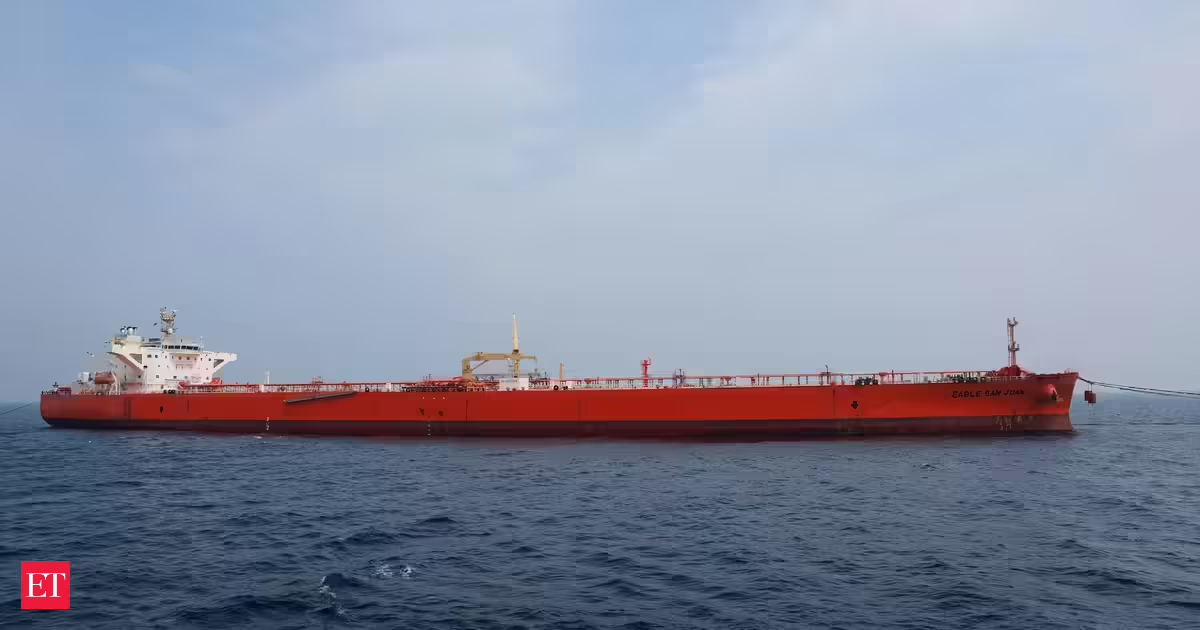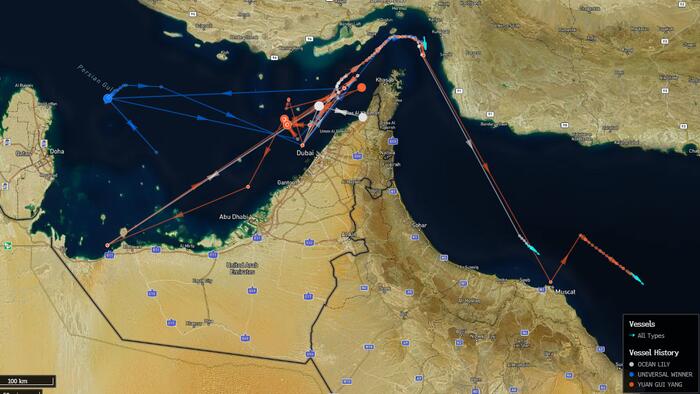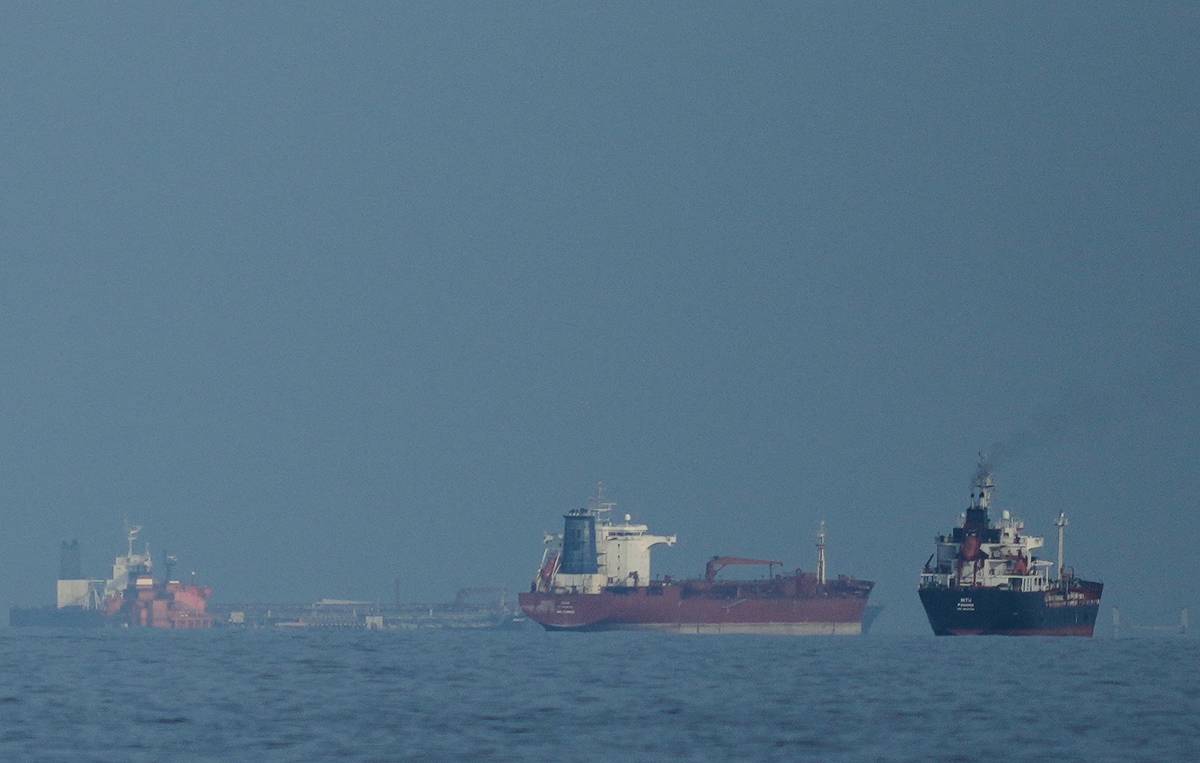
On March 1st, a bulk carrier called the Run Chen 2 went dark. Her AIS transponder stopped broadcasting at 9:30 PM local time, just as she approached the western mouth of the Strait of Hormuz. She reappeared about seven hours later in the Gulf of Oman. Whatever happened in between, she didn't want anyone to see.
She wasn't the only one. Between 40 and 50 ships went offline in the same region that night. Some were at anchor, hedging their bets. Others made the same midnight run. By the following morning, maritime intelligence platforms were reporting that the number of dark vessels was still climbing.
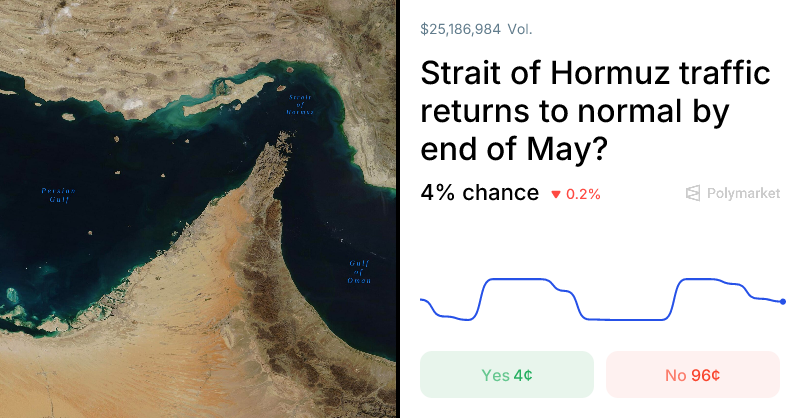
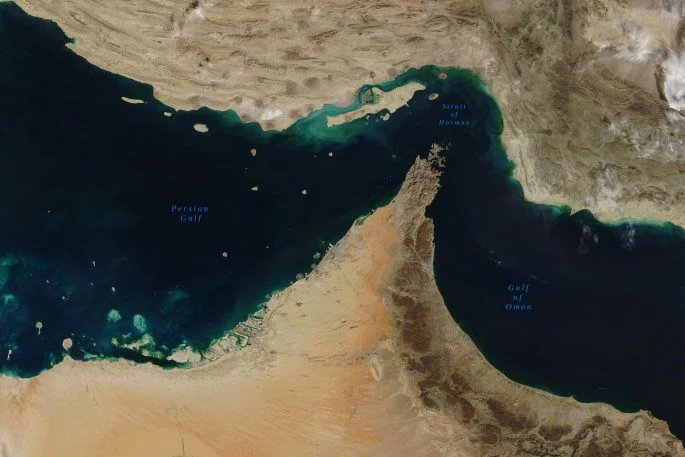
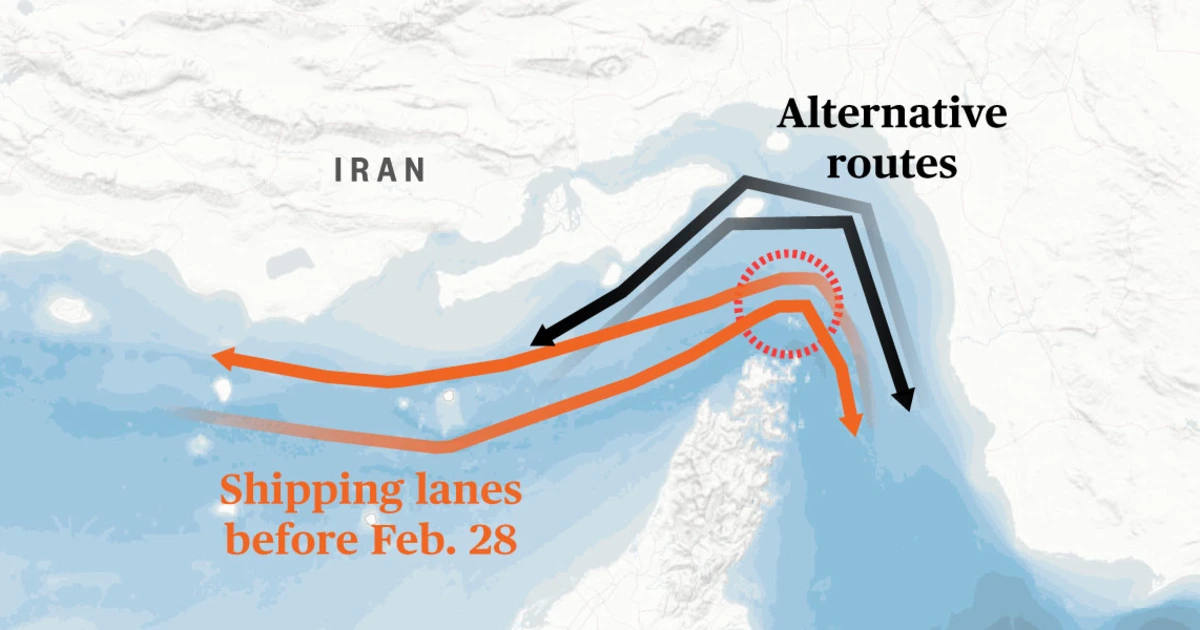
The Strait of Hormuz — 21 miles wide at its narrowest, two-mile-wide shipping lanes in each direction — had effectively shut down. Not with a gate or a blockade, but with something more powerful: the withdrawal of insurance. When underwriters pull war-risk coverage for a body of water, the ships stop coming. Doesn't matter what the captain thinks. The ship's flag state, its P&I club, its charterer, its cargo owner — any one of them can say no. And they all said no.
What happened next was the fastest rewrite of global shipping economics anyone has ever seen.
The Rate Explosion