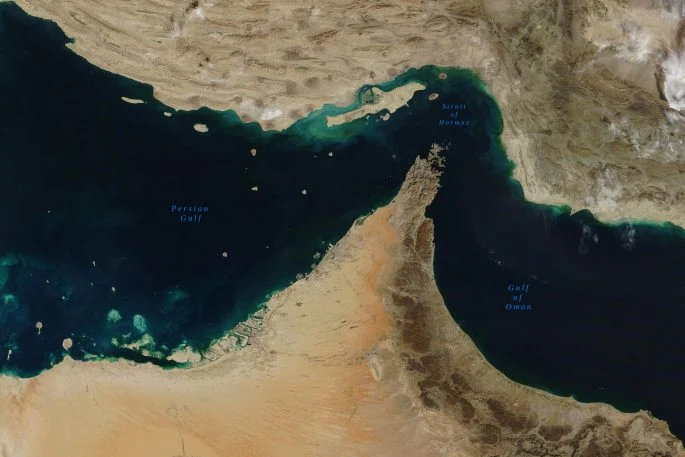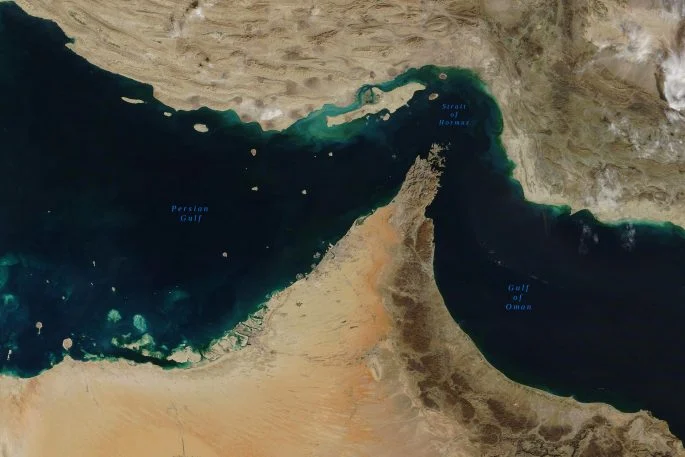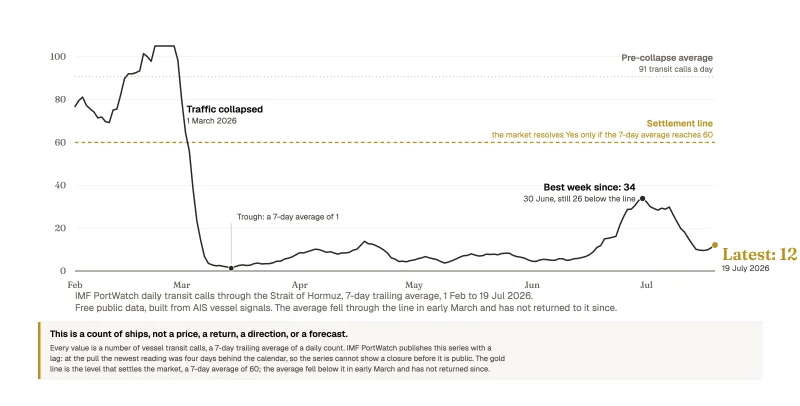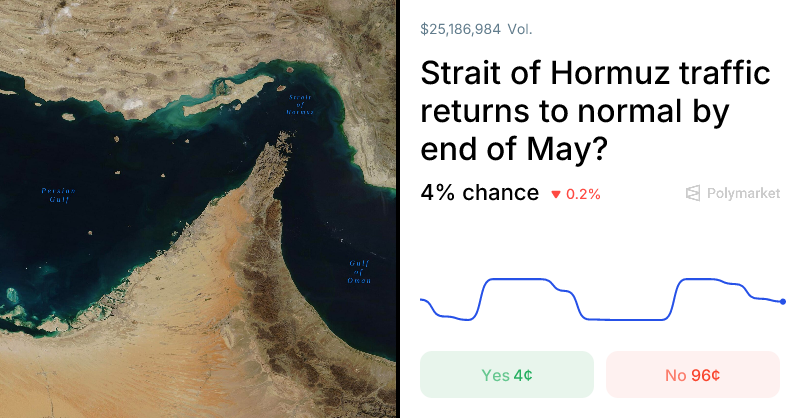
This market will resolve to “Yes” if IMF Portwatch publishes a 7-day moving average of transit calls (“Arrivals of Ships”) for the Strait of Hormuz equal to or above 60 for any date between market creation and May 31, 2026. Otherwise, this market will resolve to “No”.
Daily transit calls include container, dry bulk, roll-on/roll-off, general cargo, and tanker ships. Ships not reported by IMF Portwatch will not be considered.
This market will resolve as soon as IMF Portwatch publishes a 7-day moving average of transit calls equal to or above the specified level, or once data has been published for the final date in the specified period and no such value has been published. If no data has been published for the final date of the specified period within 14 calendar days (ET) after the end of that period, this market will resolve based on data published up to that point.
Revisions to previously published data points made within this market’s timeframe will be considered. However, they will not disqualify a previously published data point from qualifying. Revisions to previously published data points after data is published for May 31, 2026, however, will not be considered.
The resolution source for this market will be IMF Portwatch, specifically the transit calls data published for the Strait of Hormuz at https://portwatch.imf.org/pages/cb5856222a5b4105adc6ee7e880a1730, both in the chart and through downloadable files.Ongoing geopolitical tensions stemming from the U.S.-Israeli conflict with Iran since late February 2026 have kept Strait of Hormuz transits at roughly 40-50% of pre-crisis volumes, with daily ship counts averaging 35 versus a normal 60-plus and oil throughput near 4.4 million deadweight tons daily against an average of 10.3 million. Iranian restrictions enforced by the Islamic Revolutionary Guard Corps, combined with war-risk insurance constraints and a backlog of over 1,500 stranded vessels, have prevented normalization despite limited recent transits by Chinese and other tankers. With only days remaining until May 31, trader consensus at 96.5% for "No" reflects these persistent barriers. A rapid diplomatic breakthrough or verified full resumption of pre-war flows before the deadline could still shift the outcome.This market will resolve to “Yes” if IMF Portwatch publishes a 7-day moving average of transit calls (“Arrivals of Ships”) for the Strait of Hormuz equal to or above 60 for any date between market creation and May 31, 2026. Otherwise, this market will resolve to “No”.Daily transit calls include container, dry bulk, roll-on/roll-off, general cargo, and tanker ships. Ships not reported by IMF Portwatch will not be considered.This market will resolve as soon as IMF Portwatch publishes a 7-day moving average of transit calls equal to or above the specified level, or once data has been published for the final date in the specified period and no such value has been published. If no data has been published for the final date of the specified period within 14 calendar days (ET) after the end of that period, this market will resolve based on data published up to that point.Revisions to previously published data points made within this market’s timeframe will be considered. However, they will not disqualify a previously published data point from qualifying. Revisions to previously published data points after data is published for May 31, 2026, however, will not be considered.The resolution source for this market will be IMF Portwatch, specifically the transit calls data published for the Strait of Hormuz at https://portwatch.imf.org/pages/cb5856222a5b4105adc6ee7e880a1730, both in the chart and through downloadable files.Market Opened: Mar 31, 2026, 5:41 PM ETVolume$25,164,377End DateMay 31, 2026Market OpenedMar 31, 2026, 5:41 PM ETThis market will resolve to “Yes” if IMF Portwatch publishes a 7-day moving average of transit calls (“Arrivals of Ships”) for the Strait of Hormuz equal to or above 60 for any date between market creation and May 31, 2026. Otherwise, this market will resolve to “No”.