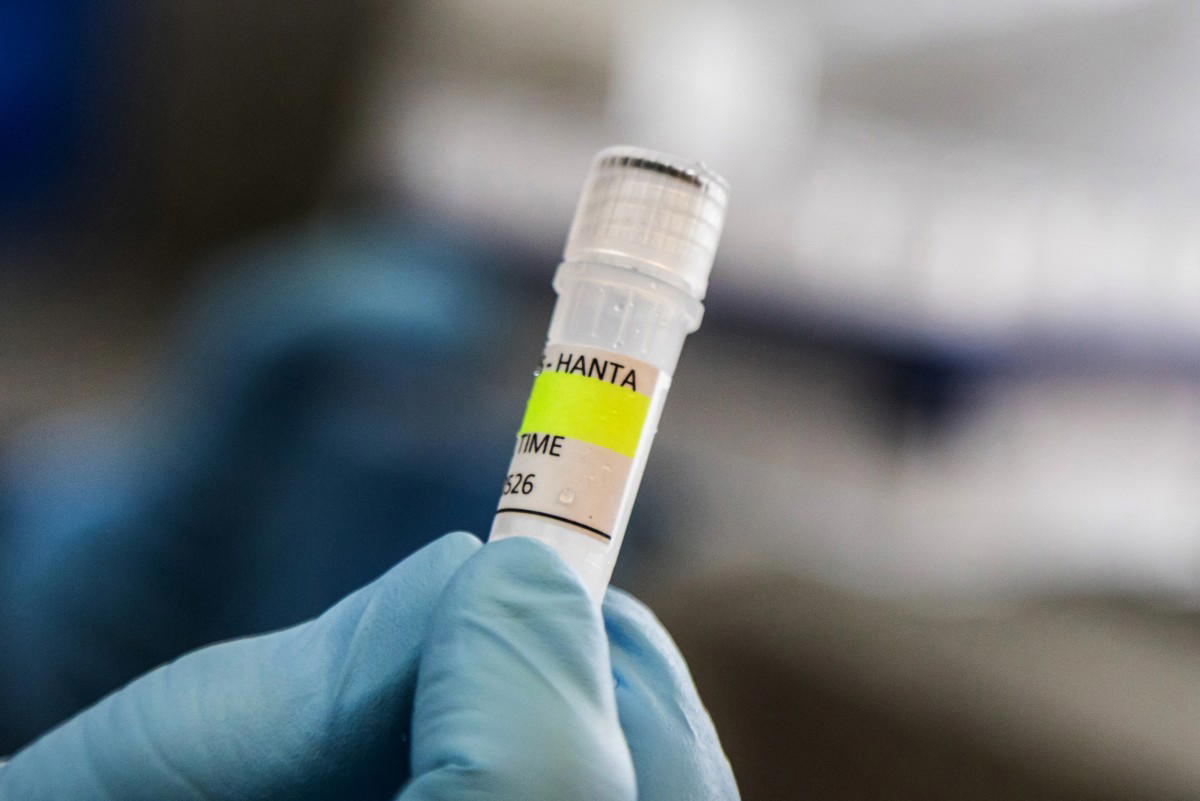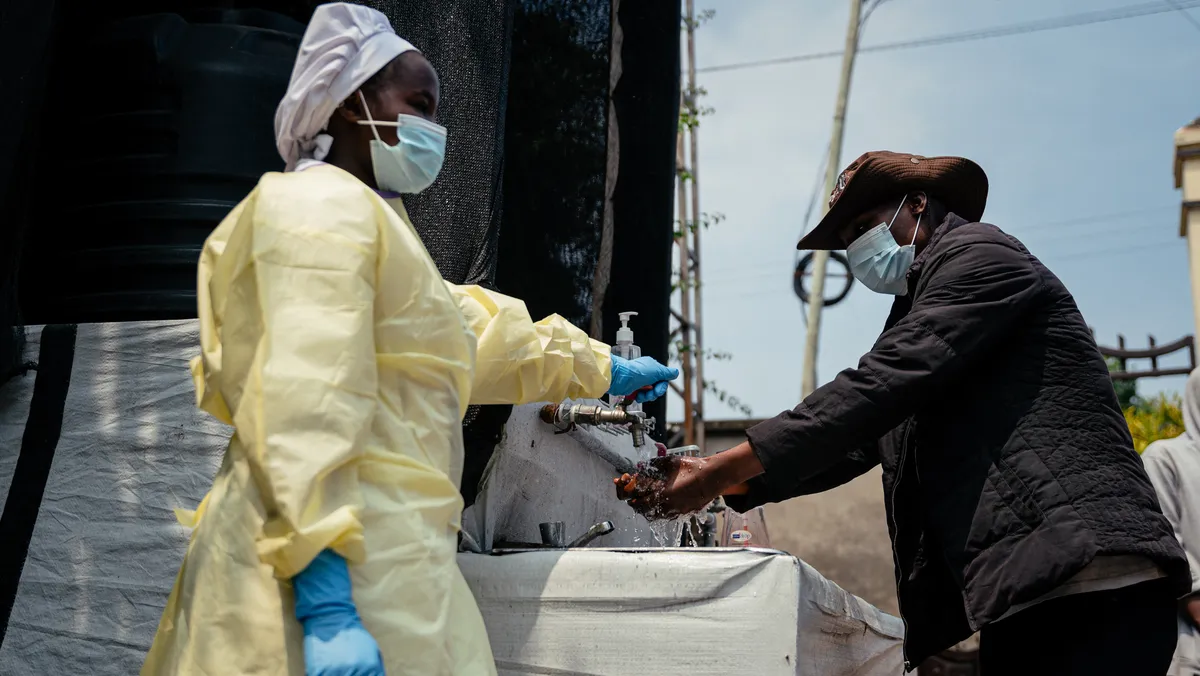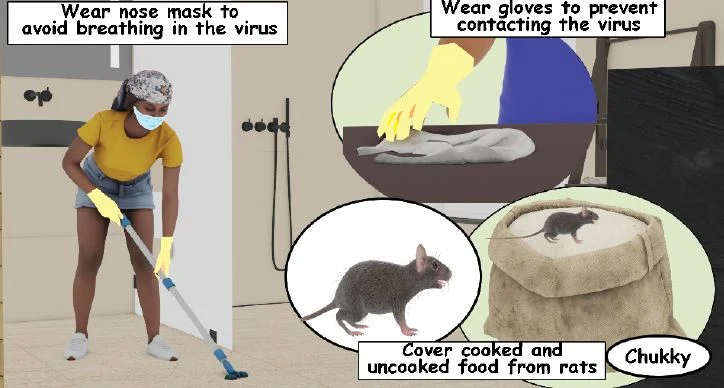
As global health authorities intensify surveillance over the spread of Hantavirus, concerns are beginning to grow over Nigeria’s vulnerability to the rodent-borne disease amid poor sanitation, overcrowded communities, weak public awareness and health gaps.
Although no confirmed case has been officially recorded in the country, the presence of rodents in homes, markets, and food storage areas could increase the risk of exposure if preventive measures are neglected.
The development has also renewed conversations around Nigeria’s preparedness to detect and respond to emerging infectious diseases before they escalate into a public health emergency, especially as recent global conversations about Hantavirus have raised anxieties among Nigerians already battling recurring disease outbreaks, poor sanitation, and worsening living conditions.
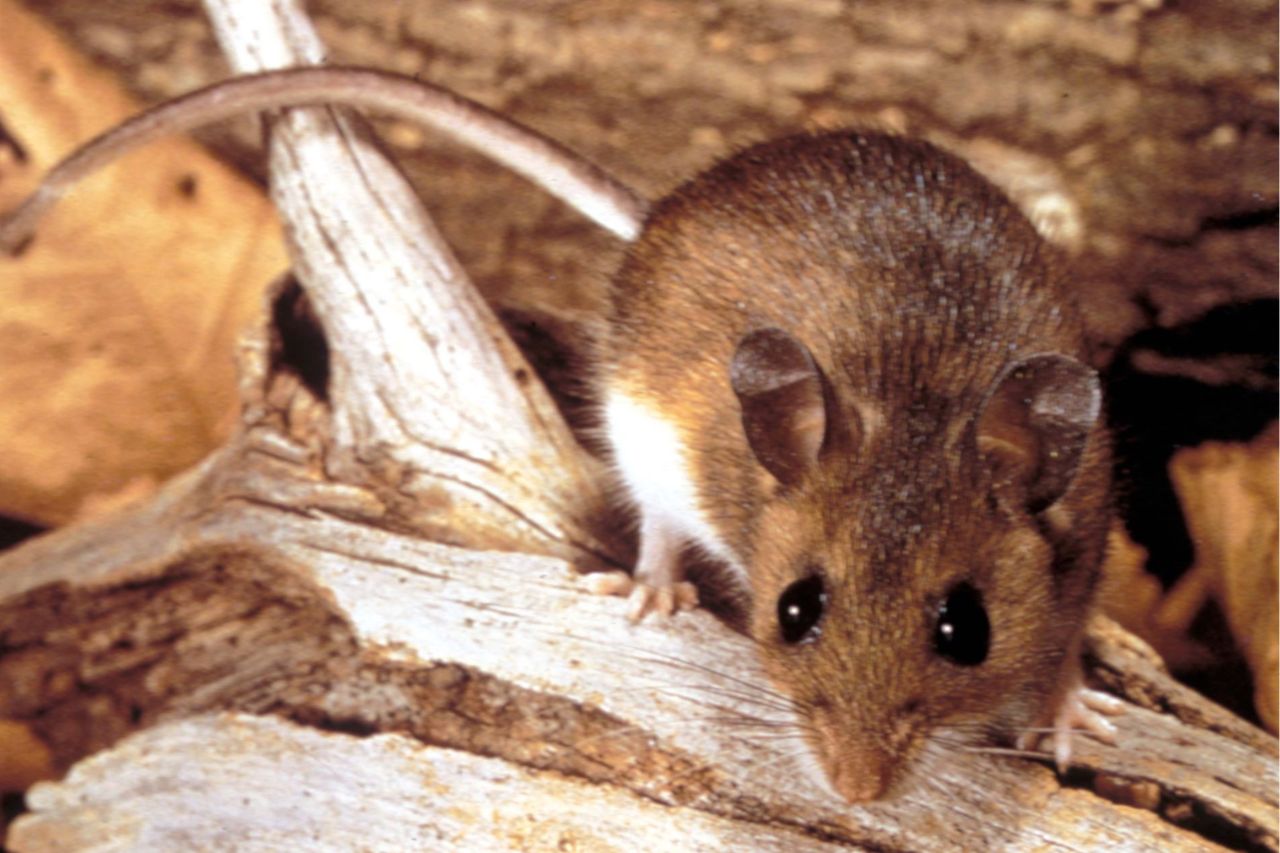
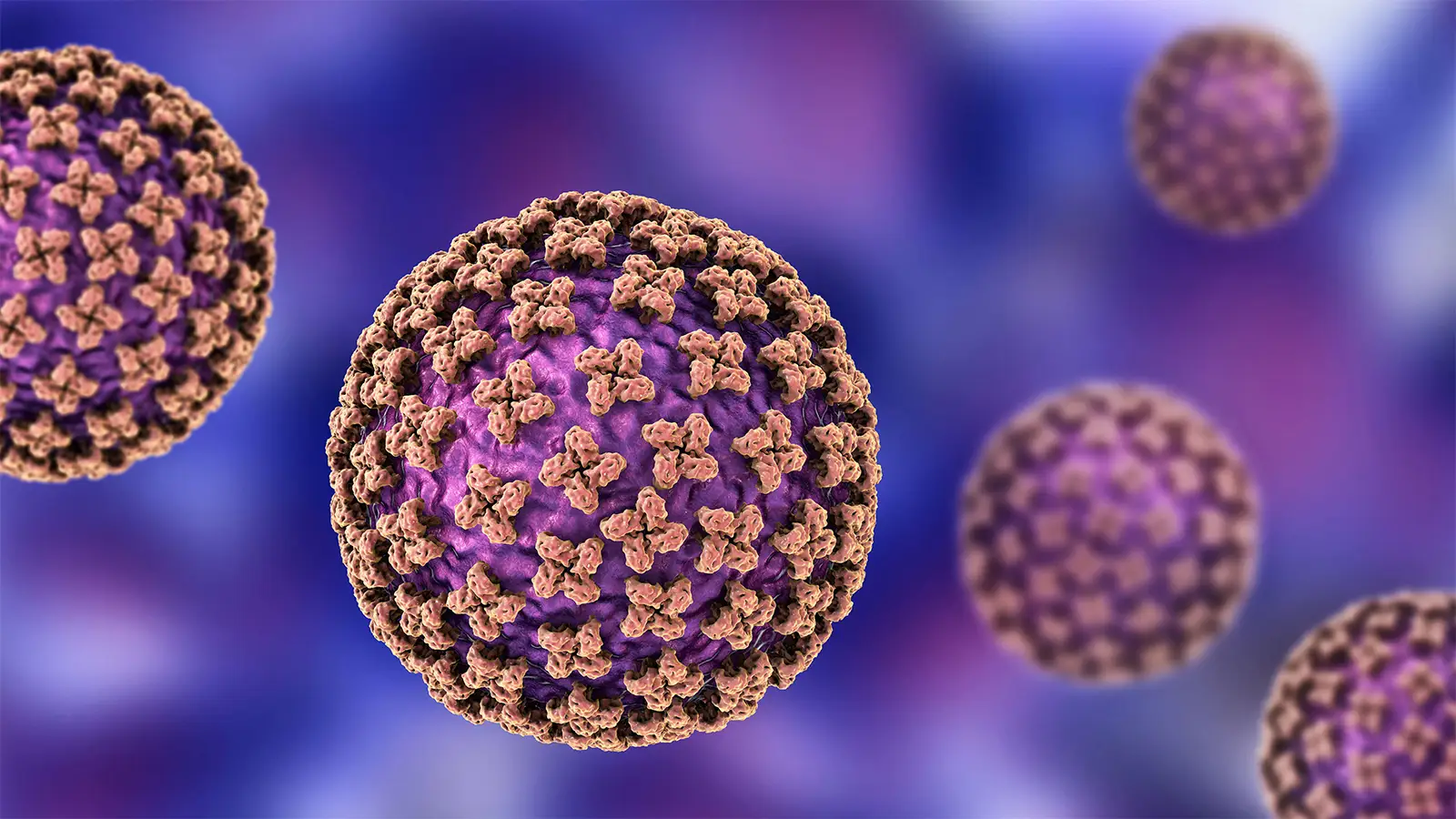
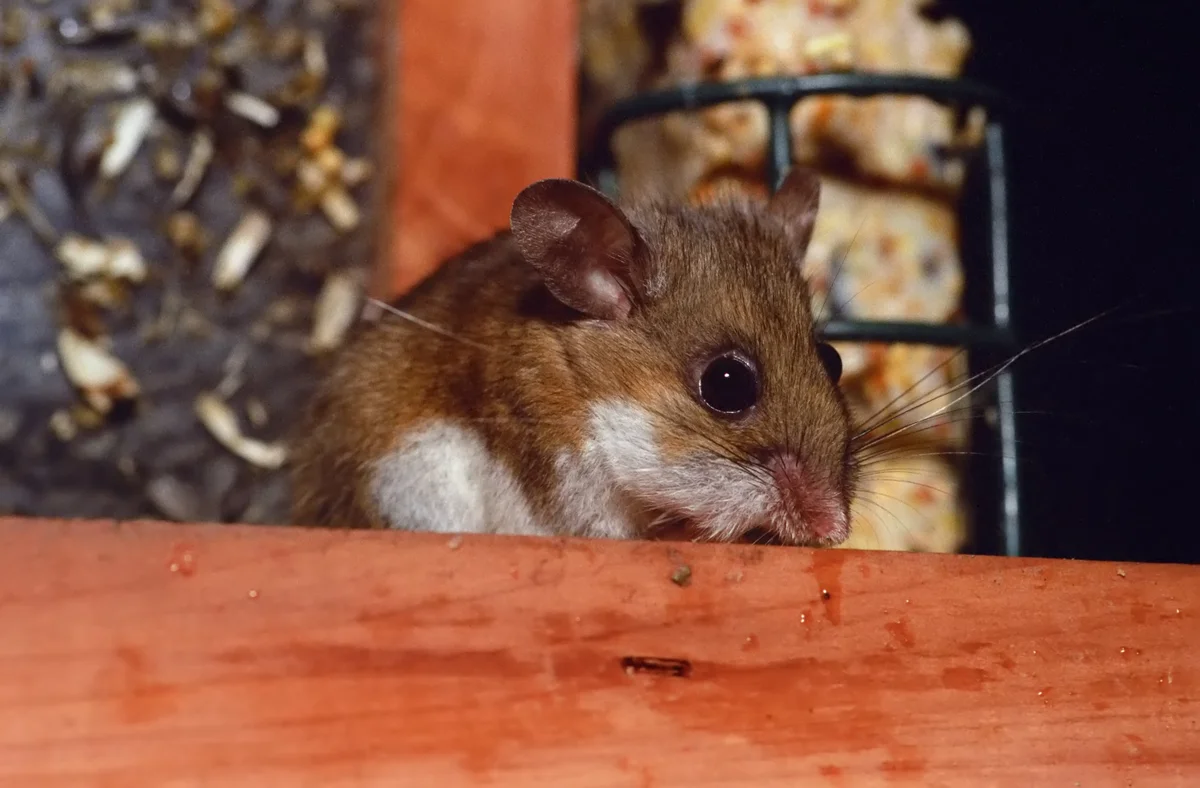
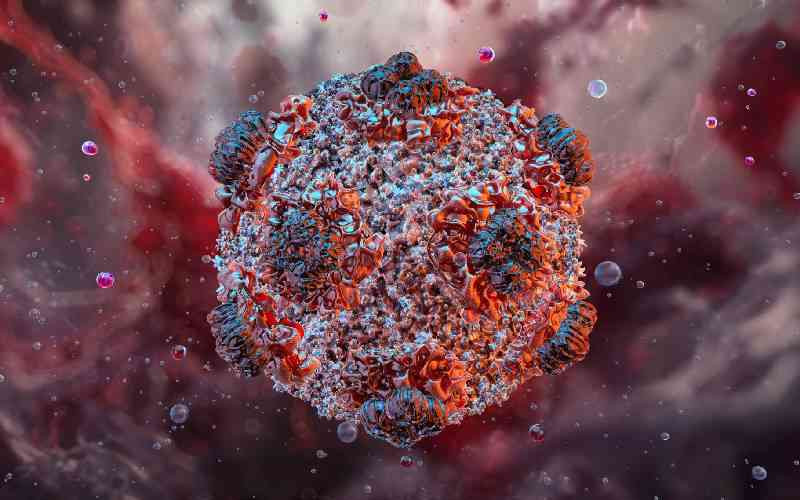
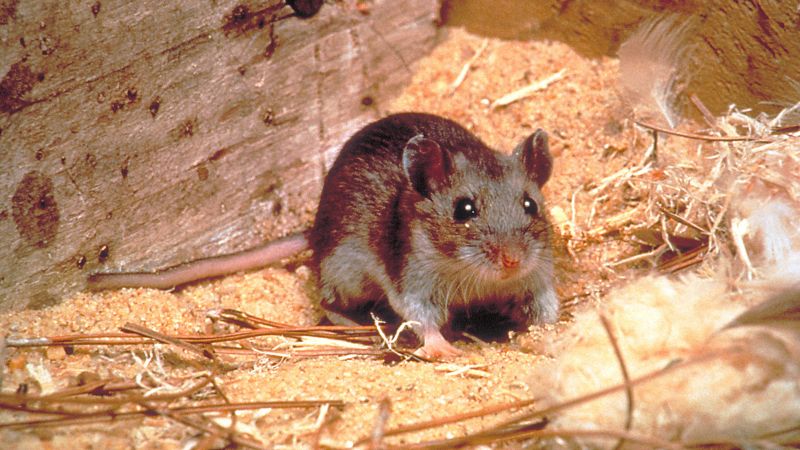
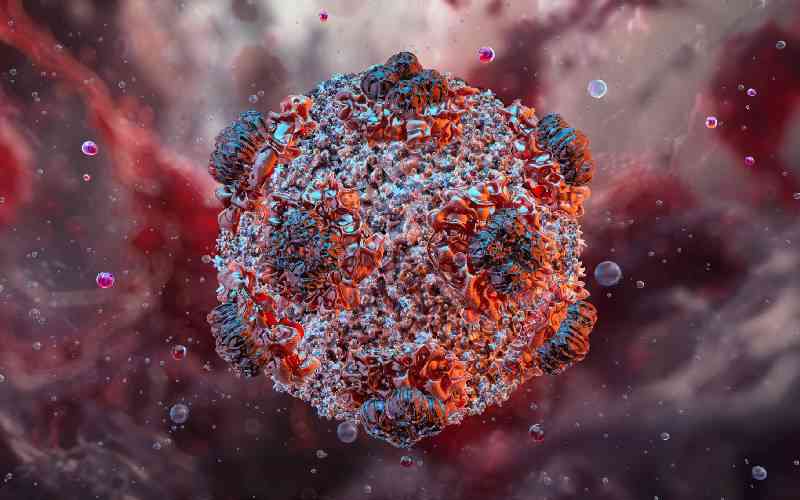
Hantaviruses are zoonotic viruses that naturally infect rodents such as rats and mice and are occasionally transmitted to humans.
Infection in people can result in severe illness and often death, although the diseases vary by type of virus and geographical location.