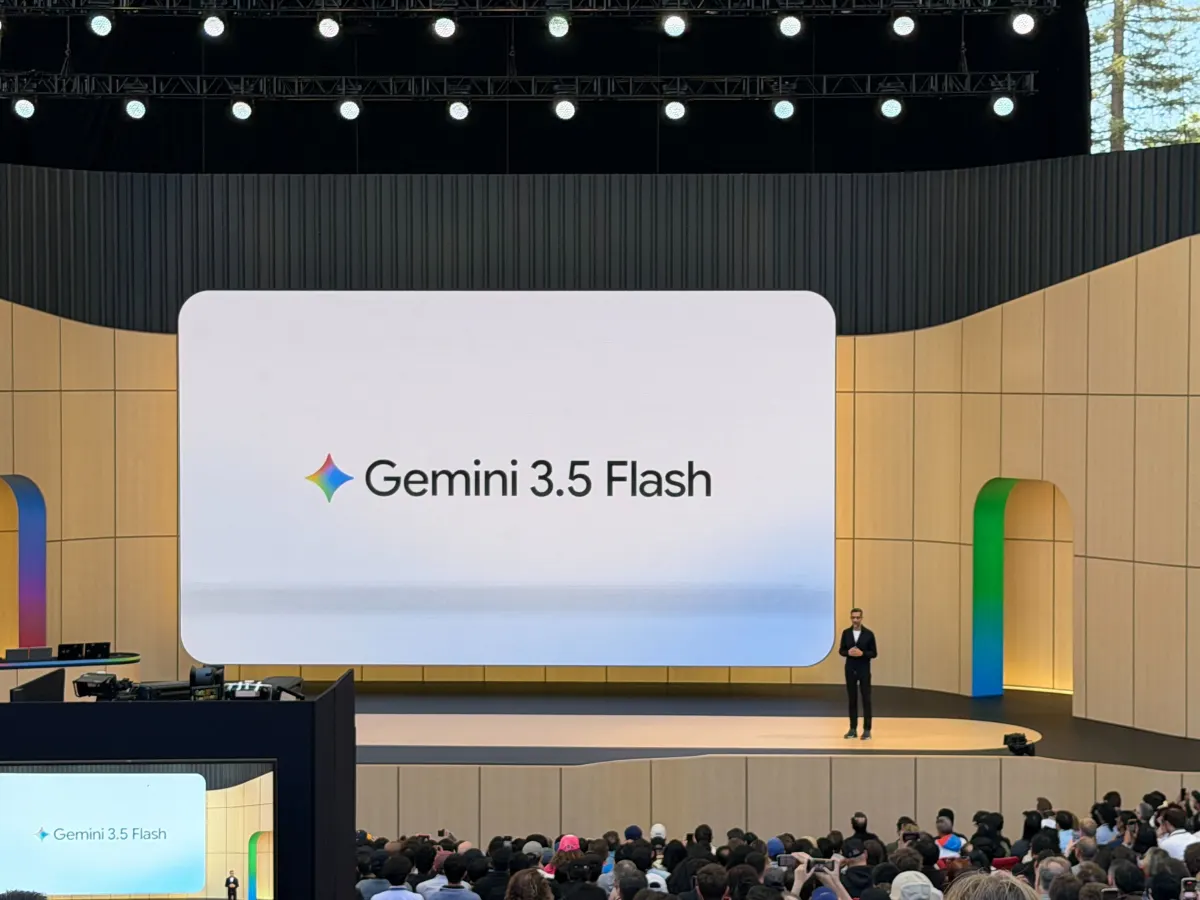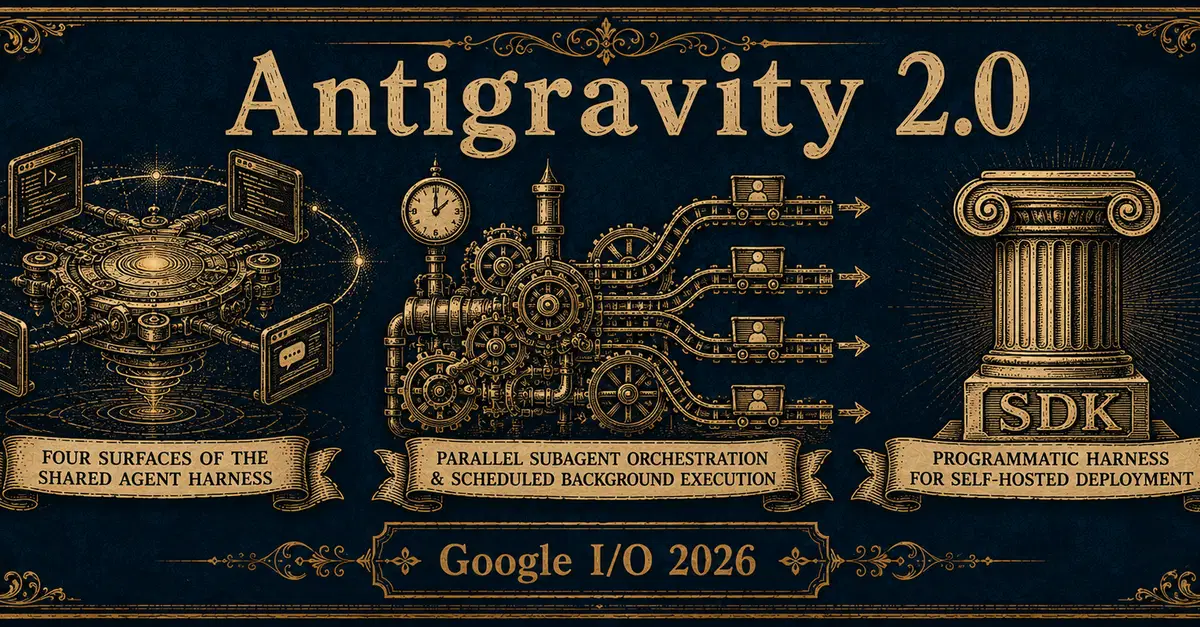
The headlines at Google I/O 2026 went where you'd expect — Gemini 3.5, the new intelligent eyewear shipping in the fall, Antigravity 2.0 with its new CLI and subagents. CodeMender — Google DeepMind's autonomous code-security agent — got folded into Agent Platform almost as a footnote. Most coverage moved on.
That's a mistake. CodeMender is the most architecturally significant announcement of the event, and not because it finds bugs. Tools have found bugs for decades. It's significant because of how it claims to find them, and because of what its architecture quietly admits about where AI security is actually heading.
Read Google's own description of how CodeMender works:
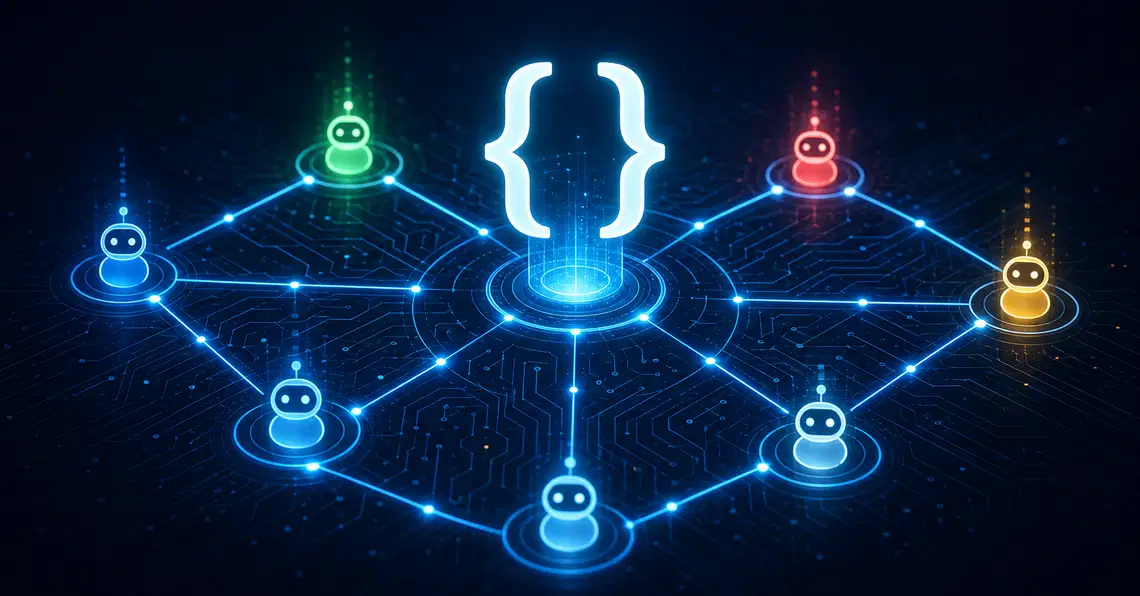
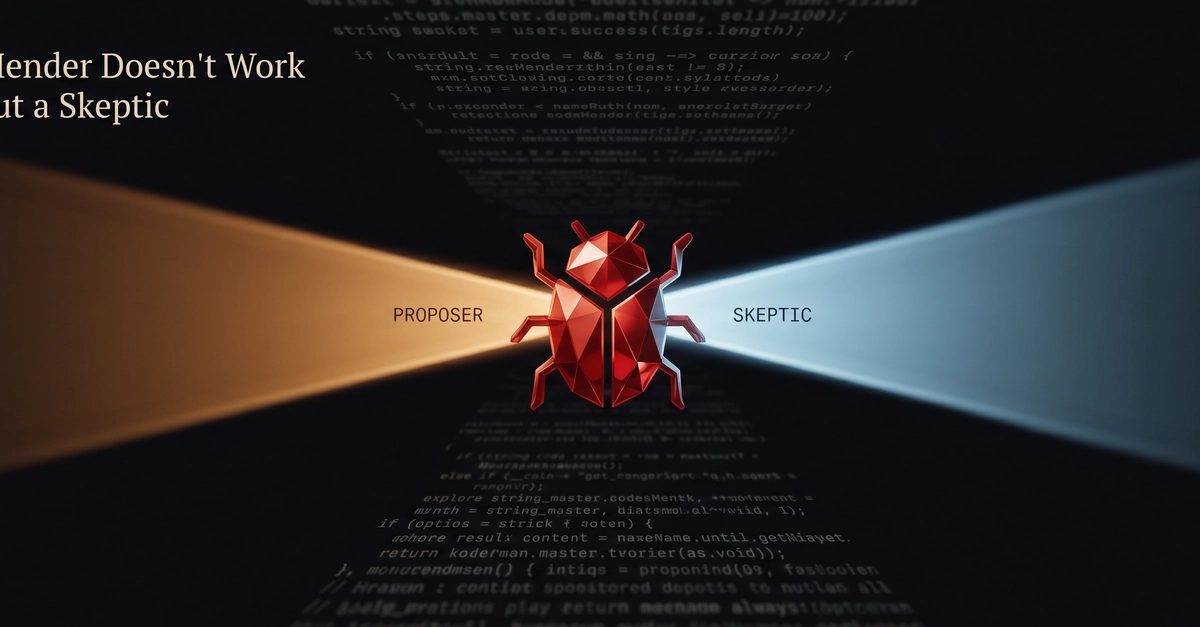
CodeMender is an AI-powered agent utilizing the advanced reasoning capabilities of our Gemini models to automatically fix critical code vulnerabilities. […] These patches are then routed to specialized "critique" agents, which act as automated peer reviewers, rigorously validating the patch for correctness, security implications and adherence to code standards before it's proposed for final human sign-off.
Read that twice. A reasoning model proposes a patch. A separate "critique" agent — Google's own term — sits behind it and rigorously validates before anything reaches a human. CodeMender isn't a model. It's a loop. And the critique agent is doing the load-bearing work.