Show Caption
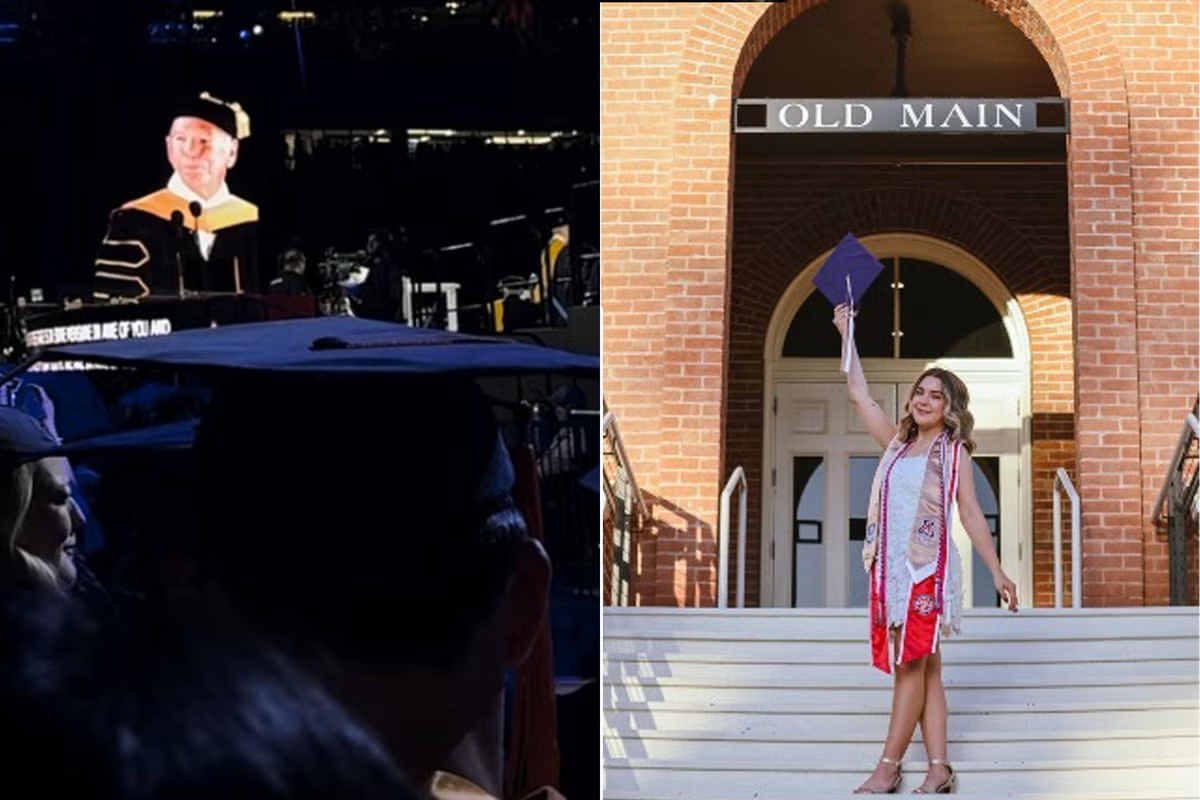
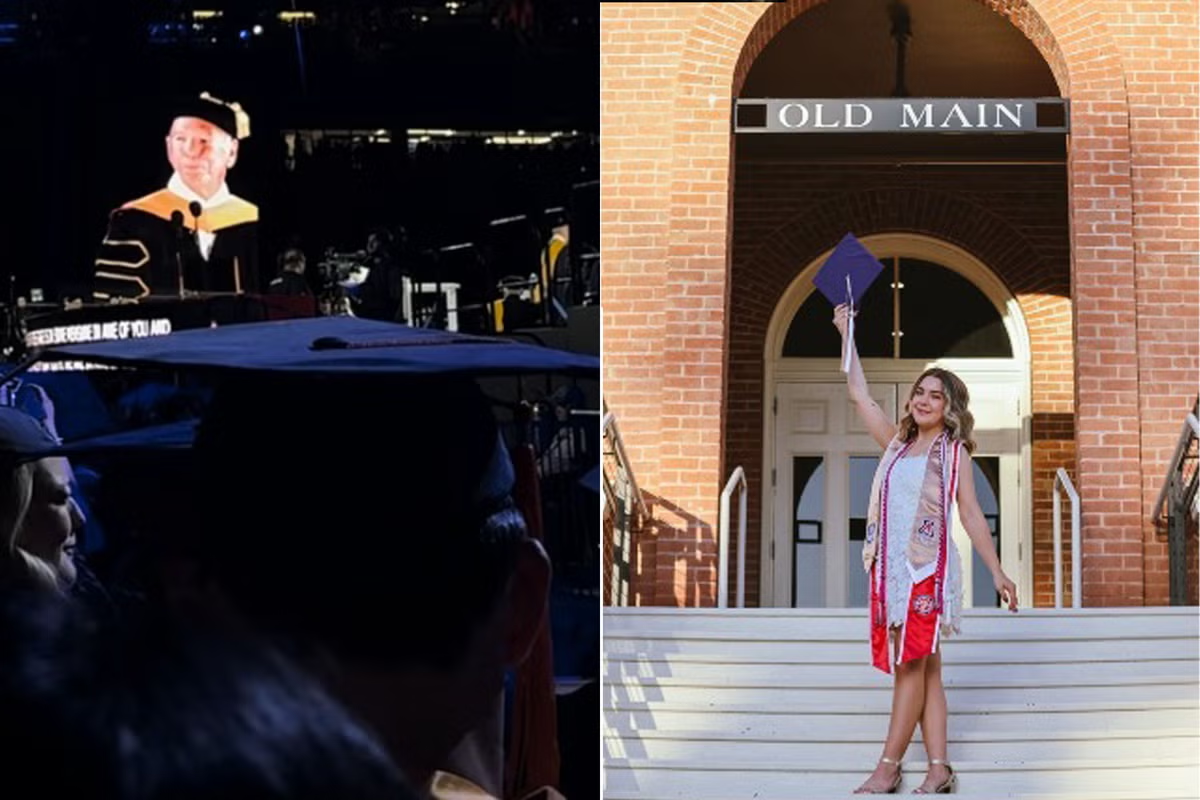
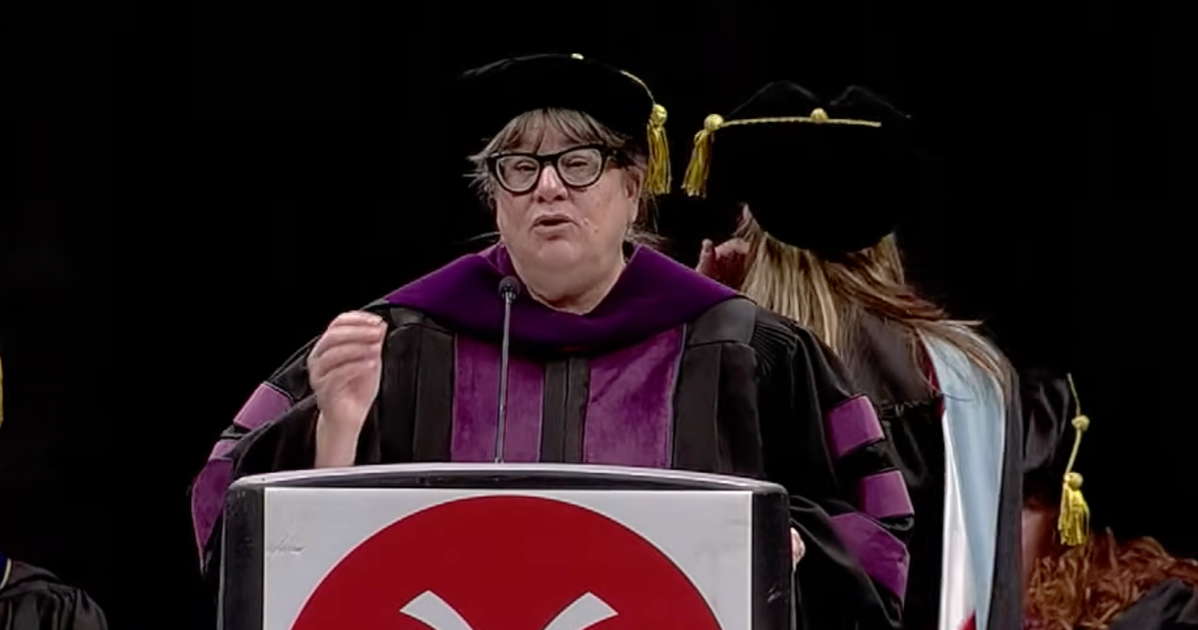
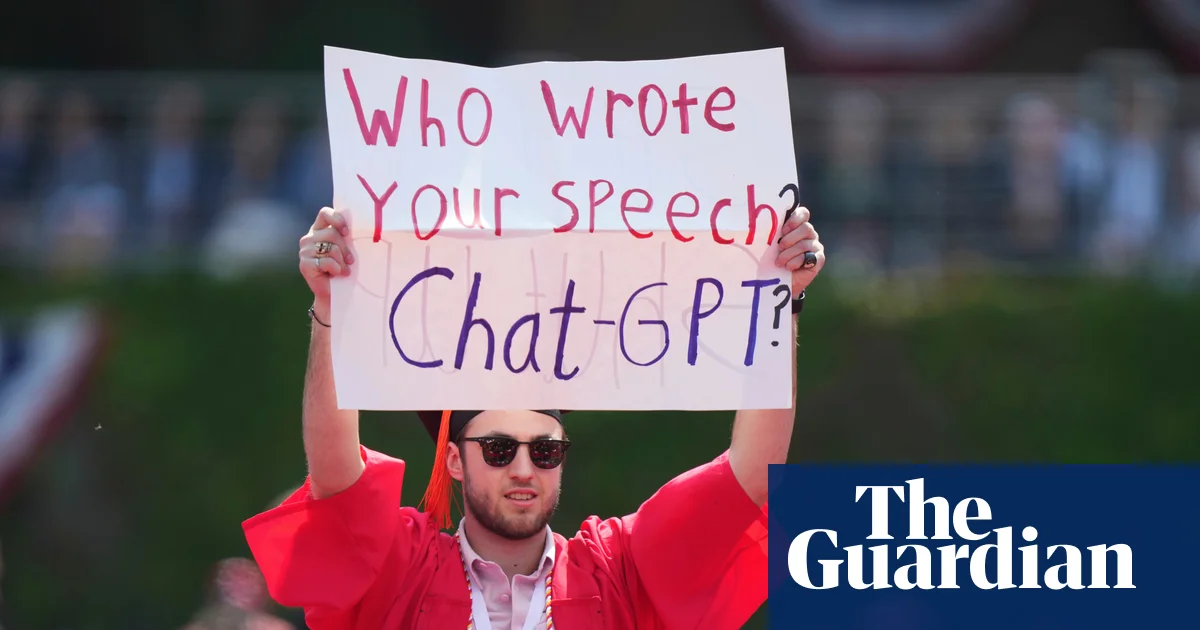
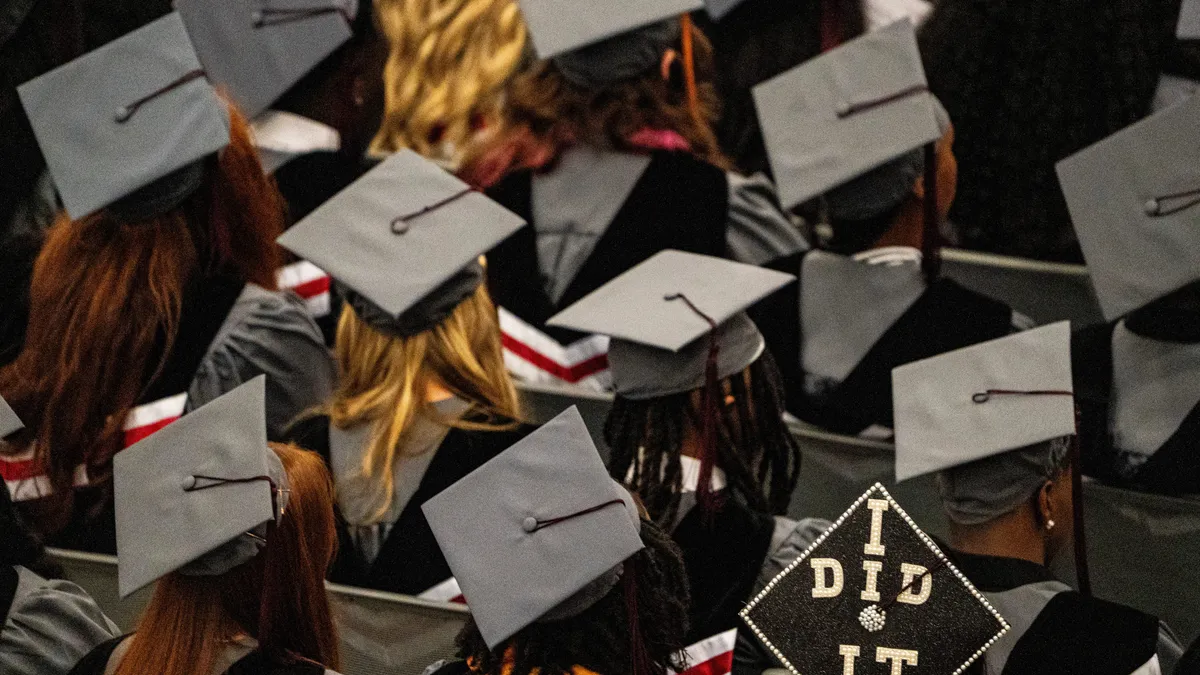
A time usually marked by loud cheering, congratulatory handshakes and perhaps a few tears of joy was interrupted this commencement season, as graduation speakers' speeches at multiple colleges around the United States were booed and jeered.What set the crowds off was the praise, or even the mere mention, of a common hot topic: artificial intelligence."OK, I struck a chord. May I finish?," said real estate development executive Gloria Caulfield as the audience erupted in loud booing at a ceremony at the University of Central Florida on May 8, reported the USA TODAY Network in Florida. The crowd's reaction came after Caulfield called AI's rise the "next Industrial Revolution.""AI sucks!" someone in the audience can be heard yelling in a video of the incident.A few moments later, the audience erupted again, this time in cheers, after Caulfield said AI was not part of our lives just a few years ago.It's a scene that played out at ceremonies in at colleges in Arizona, Florida and Tennessee this month as commencement season is underway, bringing with it speeches from notable speakers across high-profile sectors invited to impart their wisdom on graduates.Today's college students have a mix of feelings about AI, said Fabrizio Cariani, a professor and chair of the philosophy department at the University of Maryland who teaches a class called “AI and the Human Experience.""There's certainly a cluster of students who are secretly or openly embracing AI," Cariani told USA TODAY. "And then there are some students – and I think this is probably what was going on in these graduation examples – who are worried about the impact of AI on labor markets and on entry-level jobs."AI becomes controversial at graduationsAt Middle Tennessee State University on May 9, Big Machine Records CEO Scott Borchetta was also booed while talking about AI at the commencement ceremony for the school's college of media and entertainment, which is named after Borchetta, reported the Nashville Tennessean, part of the USA TODAY Network.In his speech, Borchetta highlighted that the speed of technological development in the last decade exceeded the pace of the previous half-century."Streaming rewrote the economics, social media rewrote the discovery model, AI is rewriting production as we sit here," he said.When the crowd started booing, he pushed back: "I know it. Deal with it," he added. "Like I said, it's a tool."At Glendale Community College in Arizona, AI was booed for another reason; an AI announcing software botched the names of graduates or skipped them entirely, reported the Arizona Republic, part of the USA TODAY Network. Hundreds of students were impacted.The school's president, Tiffany Hernandez, addressed the problem on stage during the May 15 ceremony, and many in the crowd booed.“Here's what's happening. We're using a new AI system as our reader,” Hernandez said. “That is a lesson learned for us.”Many of the students ended up walking the stage a second time, with a real person reading names instead.Wozniak applauded for saying graduates have 'AI, Actual Intelligence'Apple co-founder Steve Wozniak received applause from graduates at a commencement speech for telling them that they have “AI, Actual Intelligence.”Meanwhile, in Michigan, Apple co-founder Steve Wozniak received applause and laughter when he made an AI quip at Grand Valley State University's commencement."You all have AI," he said. "Actual intelligence."Why graduates are reacting so strongly to AICariani cautioned that the strong reactions of crowds at graduation ceremonies don't mean all college students or graduates are rejecting AI. On his campus in Maryland, there is something of a stigma around using AI in academic work, so some proponents are more quiet about their attitudes, he said. But still, a good portion of students have very real concerns about AI and its impact on their lives in college and beyond.College students tend to have a few key concerns about AI, he said: uncertainty over AI's impact on the job market, worries over the ecological impact of big generative AI data centers, questions about academic integrity and even the abstract concept of what authenticity means in a world with AI.In Cariani's class about AI, he wanted to implement certain assignments for which its use was prohibited, but others that he asked students to collaborate with AI to brainstorm about. Some students embraced the idea, but the reaction of a majority was "this attitude of rejection that we are also seeing in these graduation booings."A recent Quinnipiac poll of Americans' thoughts about how AI will impact jobs found that Gen Z – to which most of today's college graduates belong – is the most pessimistic generation on this topic. A whopping 81% thought the advancement of AI will cause a decrease in job opportunities.At Marquette University in Wisconsin, AI expert Chris Duffey spoke at the undergraduate ceremony despite backlash from students, reported the Associated Press.“Given how AI has become an increasing threat towards our jobs, especially for our graduating class, we thought it was a little bit tone deaf,” recent graduate Sami Wargo told the AP, adding that she joined other students in booing Duffey.Grace Reimer, who graduated with an associate's degree in fine arts from Glendale Community College in Arizona, said she felt the school ruined "one of the biggest moments in my life" with the AI name announcement blunder."This ceremony was supposed to be something big for me," Reimer told the Arizona Republic. In photos of Reimer on stage during the graduation, the incorrect name and degree are displayed, she said.Students also pointed out to the Republic that their class syllabi had strict rules about the use of AI in academic work; Reiner said students can be punished or expelled for it.Though Cariani said he has an interest in AI, he doesn't think it's a bad thing for graduates to be booing its mention. He was glad to see the evidence that students are thinking critically about the topic, and hopes they will go beyond booing and, for example, take active roles in shaping policy around it."I think it's a good development to put these questions at the front of the conversation," he said. "Booing is an immediate reaction. I'm assuming that behind this immediate reaction, there is some collection of thoughts, and I want to see those thoughts enter the conversation."In some ways, the advancement of AI is inevitable, he said: "The best thing we can do is have conversations about how to direct these tools towards the betterment of humanity and society."Contributing: Stephanie Murray, the Arizona Republic; Diana Leyva, the Nashville Tennessean; and Samantha Neely, USA TODAY Network-Florida