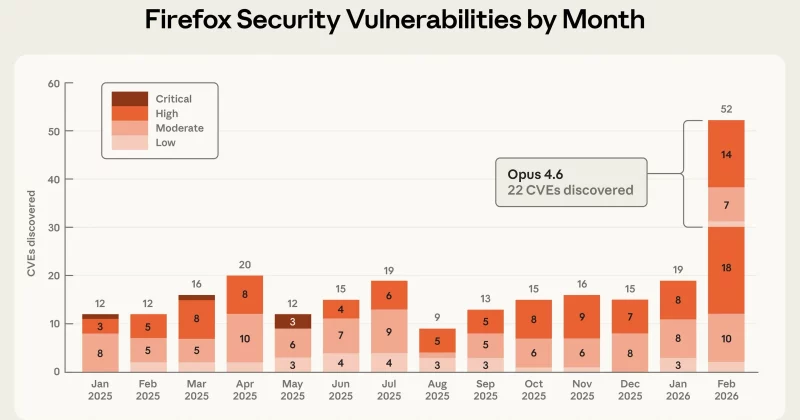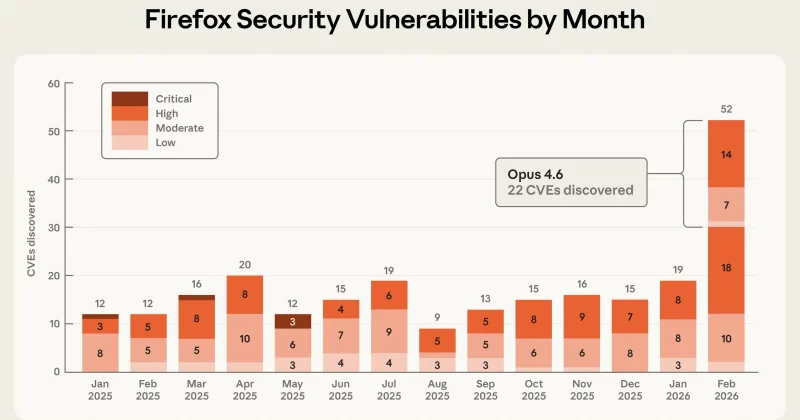
Anthropic just demonstrated what happens when you point a sufficiently powerful AI model at the world’s software and tell it to find every crack in the foundation. The answer: more than 10,000 high- and critical-severity vulnerabilities, many of them previously unknown zero-days lurking in major operating systems and web browsers.
Project Glasswing, the AI safety company’s proactive defense initiative, launched on April 7, 2026. By May 22, roughly six weeks later, the project’s Claude Mythos Preview model had already surfaced a staggering volume of security flaws that human researchers might have taken years to catalog.
What Claude Mythos Preview actually found
The vulnerabilities weren’t trivial edge cases buried in obscure software libraries. They affected foundational infrastructure: the operating systems and browsers that billions of people use daily.
Among the discoveries were a 27-year-old vulnerability in OpenBSD, a system long considered one of the most security-conscious operating systems in existence, and a 16-year-old flaw in FFmpeg, the open-source multimedia framework that quietly powers video processing across countless applications and platforms.