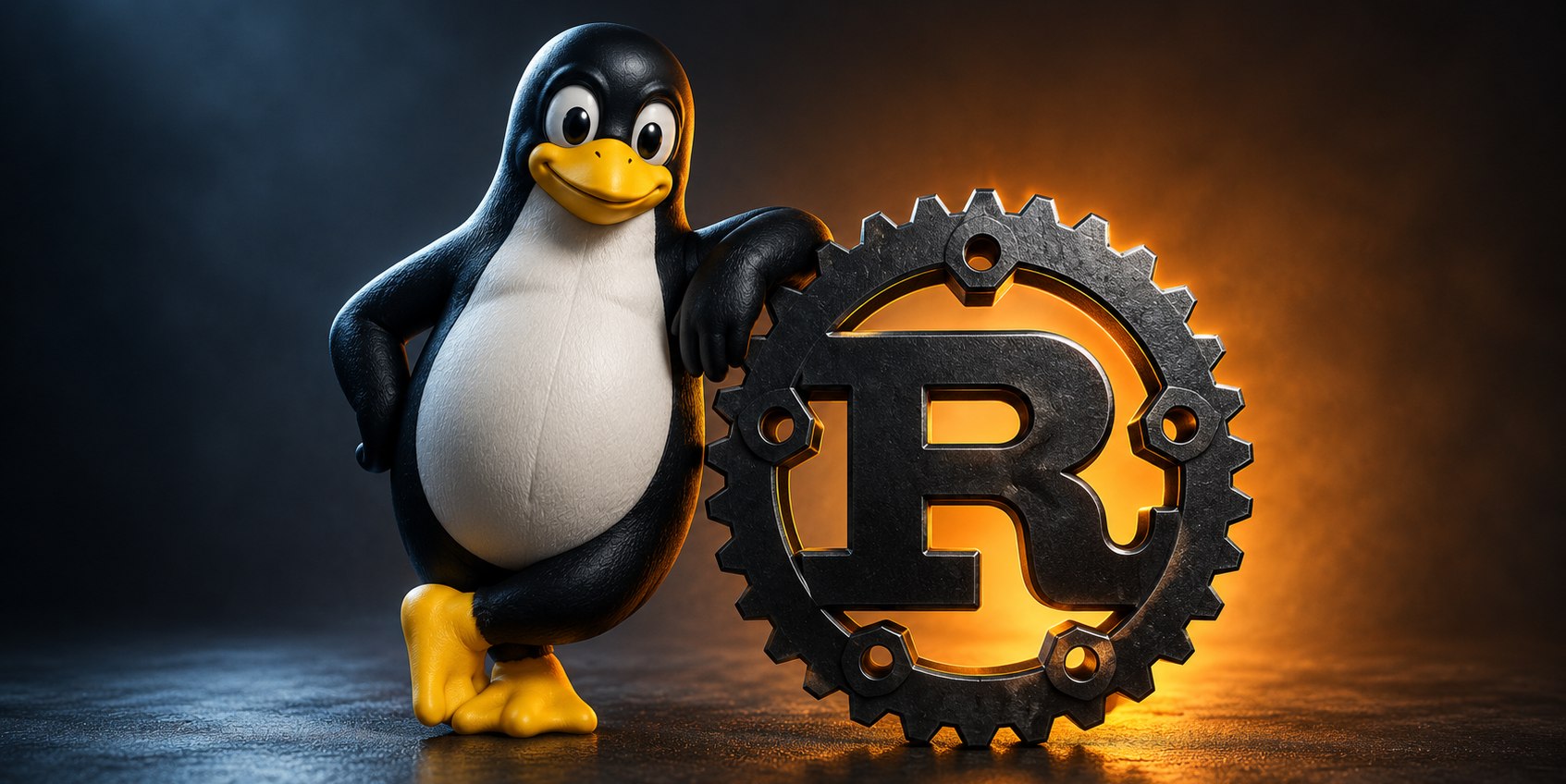
Why Rust Is Becoming the Backbone of Modern Operating Systems — From Linux to Windows 11
For decades, the people who build operating systems made a deal with the devil: maximum performance in exchange for accepting that their software would be riddled with memory bugs. C and C++ ruled the kernel because they gave programmers direct, raw control over hardware. The price was a category of vulnerabilities so persistent that the industry eventually had to admit it wasn't a talent problem. It was a language problem.
Rust is the industry's attempt to tear up that contract.
What began as an experiment inside Mozilla has become something far more consequential foundational infrastructure for kernels, drivers, hypervisors, and cloud platforms. Rust is no longer a curiosity for adventurous developers. It is increasingly the language that serious systems software is being built in. And the reason is simple: it offers performance comparable to C while making an entire class of catastrophic bugs structurally impossible.
That's not a small claim. It's the most important development in systems programming in a generation.