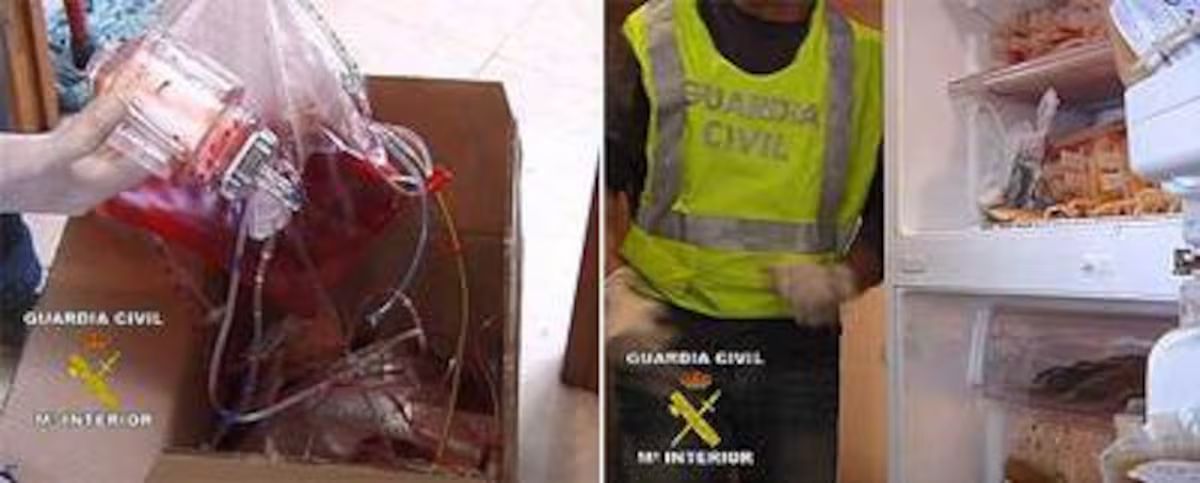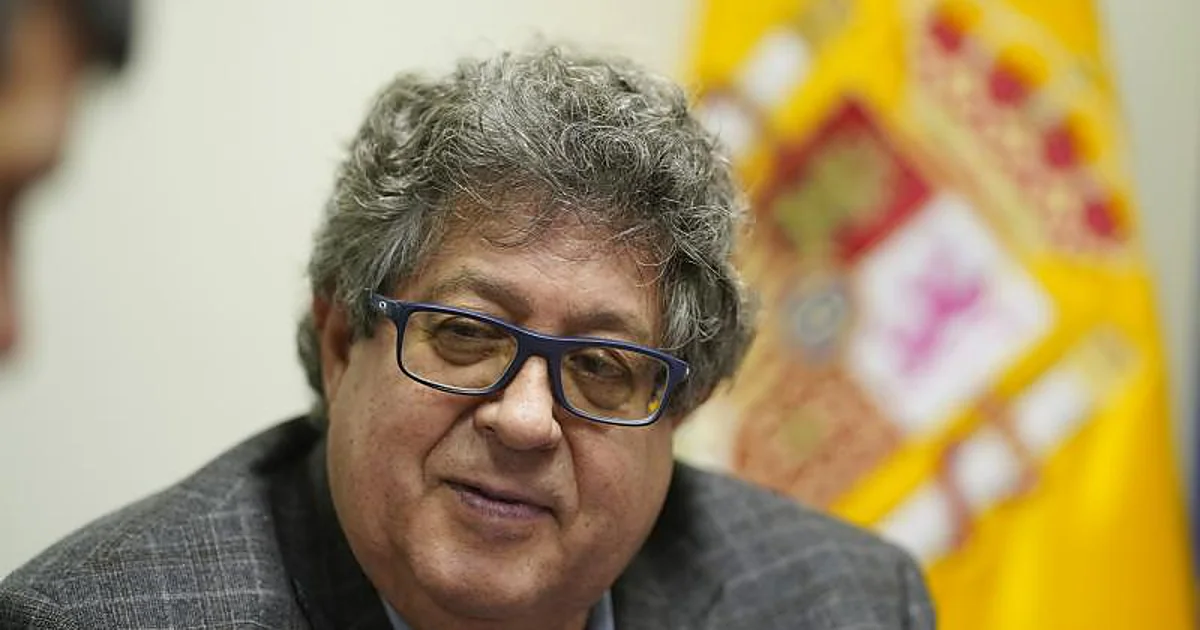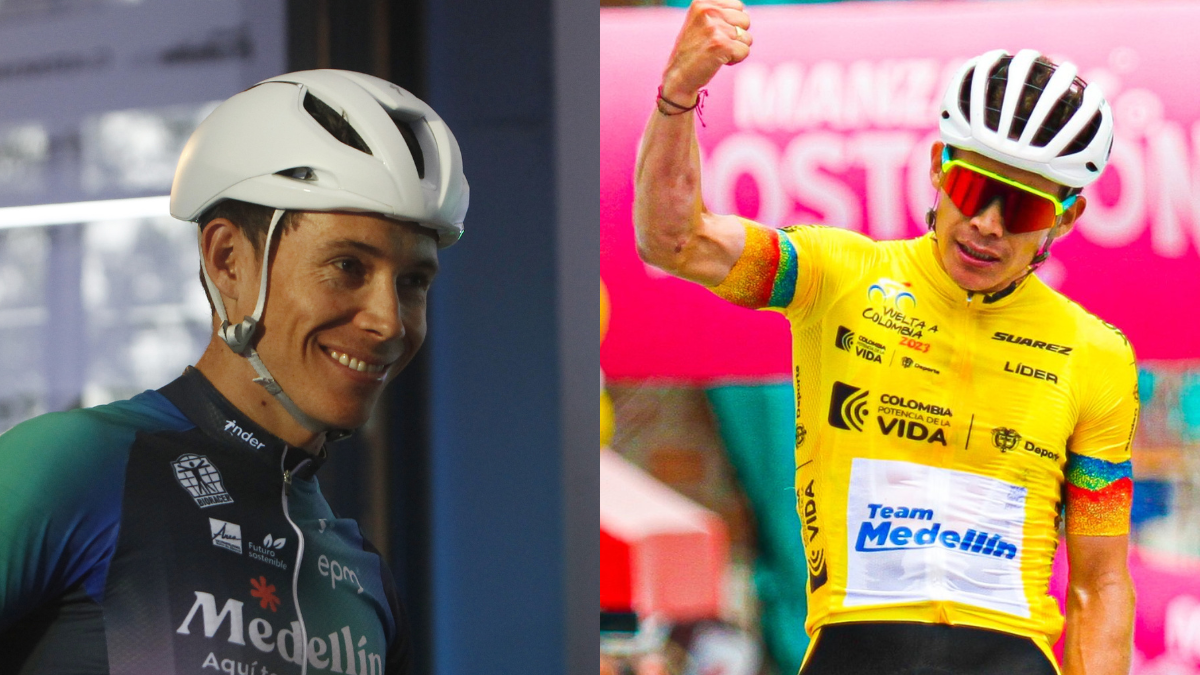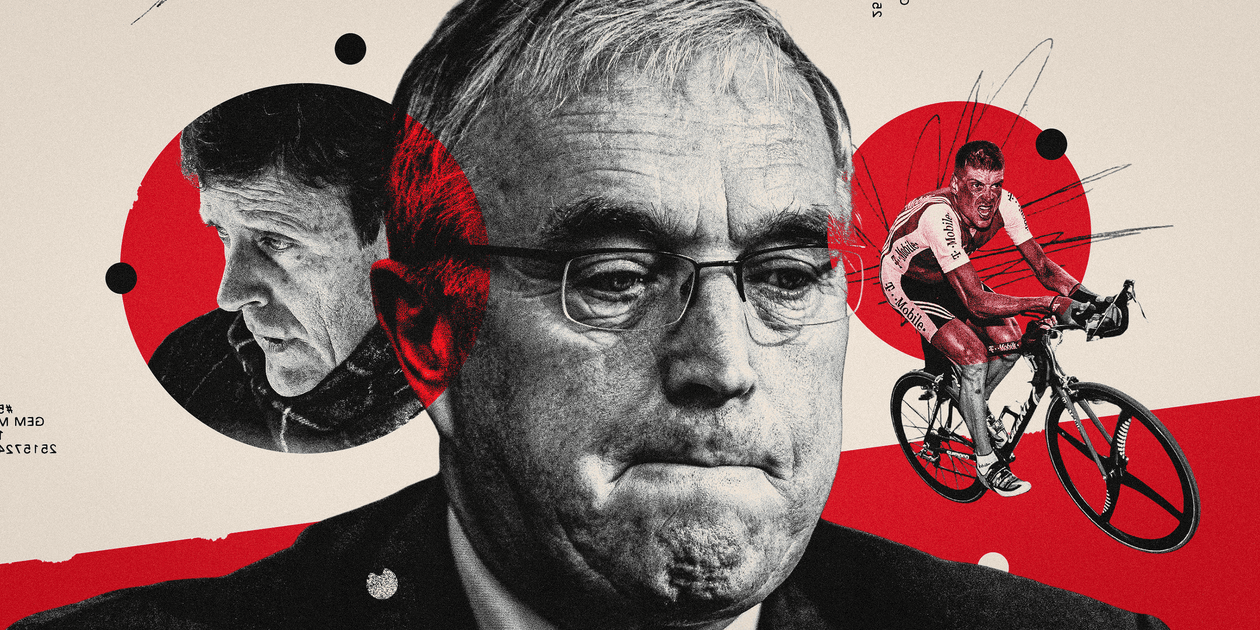
Pat McQuaid had only been the president of the International Cycling Union (UCI) for eight months when the governing body’s lawyer, Philippe Verbiest, knocked on his office door on the morning of May 23, 2006. “He came in and said: ‘Pat, a big scandal is about to drop in Spain’.”Not another one , McQuaid would have been forgiven for uttering. At the time, cycling was a byword for cheating. Eight years earlier, the Festina affair had almost led to the Tour de France’s abandonment, while just months before McQuaid assumed the presidency role at the UCI, Lance Armstrong won the last of his seven yellow jerseys — victories he’d eventually be stripped of in 2012.The last thing cycling wanted — or needed — was another seismic doping episode, and especially not during the final week of the Giro d’Italia, which was happening concurrently. But that’s exactly what transpired.What unfolded was a scandal that even today has more unanswered than answered questions, with many of the rumored athletes involved never being formally linked to Fuentes. It would taint Spain’s sporting reputation for decades to come. But along the way, cycling would become the sport in focus, unfairly McQuaid believes, with a Tour de France winner and a Giro D’Italia champion temporarily banned from the sport.“Word started filtering through that the Spanish doctor Eufemiano Fuentes was involved,” McQuaid remembers, speaking to The Athletic . “Within 24 hours I was in Madrid.”After a three-month investigation setting the foundations for what was to come, Operación Puerto had been launched by Spain’s military police, the Guardia Civil, to uncover a sophisticated and extensive doping ring that was focused on blood doping and performance-enhancing drugs. Blood doping was still undetectable at the time and had come back into vogue in the early 2000s after a test to detect synthetic Erythropoietin (EPO) — the endurance drug of choice during the 1990s — was successfully rolled out at the 2000 Sydney Olympics.When McQuaid arrived in the Spanish capital, he demanded as much information as possible from the investigators. “I asked how many cyclists were involved,” McQuaid says.“They wouldn’t give me a definitive number but they said up to 100 athletes from four or five different sports, and cycling was one of them. My thoughts flying back to Aigle (the UCI’s base in the Swiss Alps) were: ‘Well, it’s bad, but at least we’re not the only sport involved.'”McQuaid’s presumptions about other sports sharing equal blame and retribution were to be proven wrong — this became another doping story intrinsically linked to cycling. “For a long, long time, it’s annoying me that cycling was the only sport to be really hit by it,” he rues.Twenty years on, cycling — and the wider anti-doping landscape — continues to feel the effects from Operación Puerto, one of the sport’s darkest chapters among several gloomy eras.“It left a very black mark on cycling,” McQuaid admits. “Festina was industrialized doping: not just one guy in a room injecting himself, but complete teams having doping operations. That took a while to overcome. Then Puerto came along and it again looked like athletes had found a new way. And the UCI’s hands were tied in terms of taking action against the cyclists thanks to doping not being a criminal offense in Spain so there was limited evidence sharing with the UCI.“How do you face that? How do you defeat it, deal with it? One of the top teams’ sponsors called me up and said: ‘If cycling doesn’t get to grips with this, we’re not going to have a business of cycling; the business will completely fold’. It was up to all of us to ensure nothing like this ever happened again. We all needed to up our game.”The origins of Puerto — Puerto means mountain pass or ‘col’ in Spanish, giving the operation a distinct cycling theme — can be traced back to March 2004, when the Spanish newspaper AS produced an extensive report covering the confessions of the ex-Kelme Costa Blanca cyclist Jesús Manzano.In it, Manzano blew the whistle on what were, he alleged, the widespread doping practices that had taken place during his time at Kelme, detailing the substances and methods, including EPO and blood transfusions, he said were being used, the people involved, including Fuentes, and the locations where blood transfusions were carried out. Manzano claimed that he thought he was going to die as a result of doping on two occasions.Jesús Manzano during his press conference in April 2004, when he first spoke about alleged doping practices during his time at Kelme (PIERRE-PHILIPPE MARCOU/AFP via Getty Images)Vicente Belda, manager of the Kelme team, denied Manzano’s allegations: “What he is saying makes me sick. He is not telling the truth. Our lawyers are working on this.”Rather than Manzano’s words leading to an immediate investigation, he was instead the subject of death threats. The Spanish police took note of Manzano’s claims but it would take another revelation for them to begin to take action.That occurred when recently-crowned 2005 Vuelta a España winner Roberto Heras of Liberty Seguros tested positive for EPO — a result which was later overturned in the Spanish courts. Even so, this provided the catalyst for the investigation into Fuentes to get underway, as his team manager Manolo Saiz claimed Fuentes doped riders on his Liberty Seguros squad.Fuentes was a well-known figure in Spanish sport. He had worked with the Spanish Olympic team at their home Barcelona Olympics in 1992, and had also been on the payroll of the Spanish ONCE cycling team in the 1990s. Additionally, he had connections with football, boxing, tennis and athletics.The Civil Guard began investigating Fuentes in February 2006, and in the course of three months, they listened in on phone calls and photographed and filmed suspected doping clients entering clinics and hotel rooms. They were guided by Manzano’s claims when they raided certain addresses in Madrid and Zaragoza.In a central Madrid hotel on May 23, 2006, police found Fuentes meeting with José Luis Merino Batres, the head of haematology at a local hospital and an ex-director of a transfusion center, and Saiz, the manager of Liberty Seguros.The trio were arrested and police obtained 10 mobile phones and business cards that were annotated with codenames such as: ‘Kelme, new 6, Czech’ and ‘Clasicómano Luigi’, ‘Bella’, ‘Falla’, ‘Birillo’ and ‘Valv-Piti’ — the last two involving riders whose dogs had those names. Saiz was found in possession of €60,000 in cash and a number of doping products. He claimed the cash was for his team’s operations and also denied ever doping his riders. and was later cleared of wrongdoing, as was the haematologist.
Operación Puerto 20 years on: The doping investigation that tore cycling apart
The impact and aftermath of the 2006 investigation into doctor Eufemiano Fuentes which saw the downfall of some of the sport's biggest stars
3,565 words~16 min read