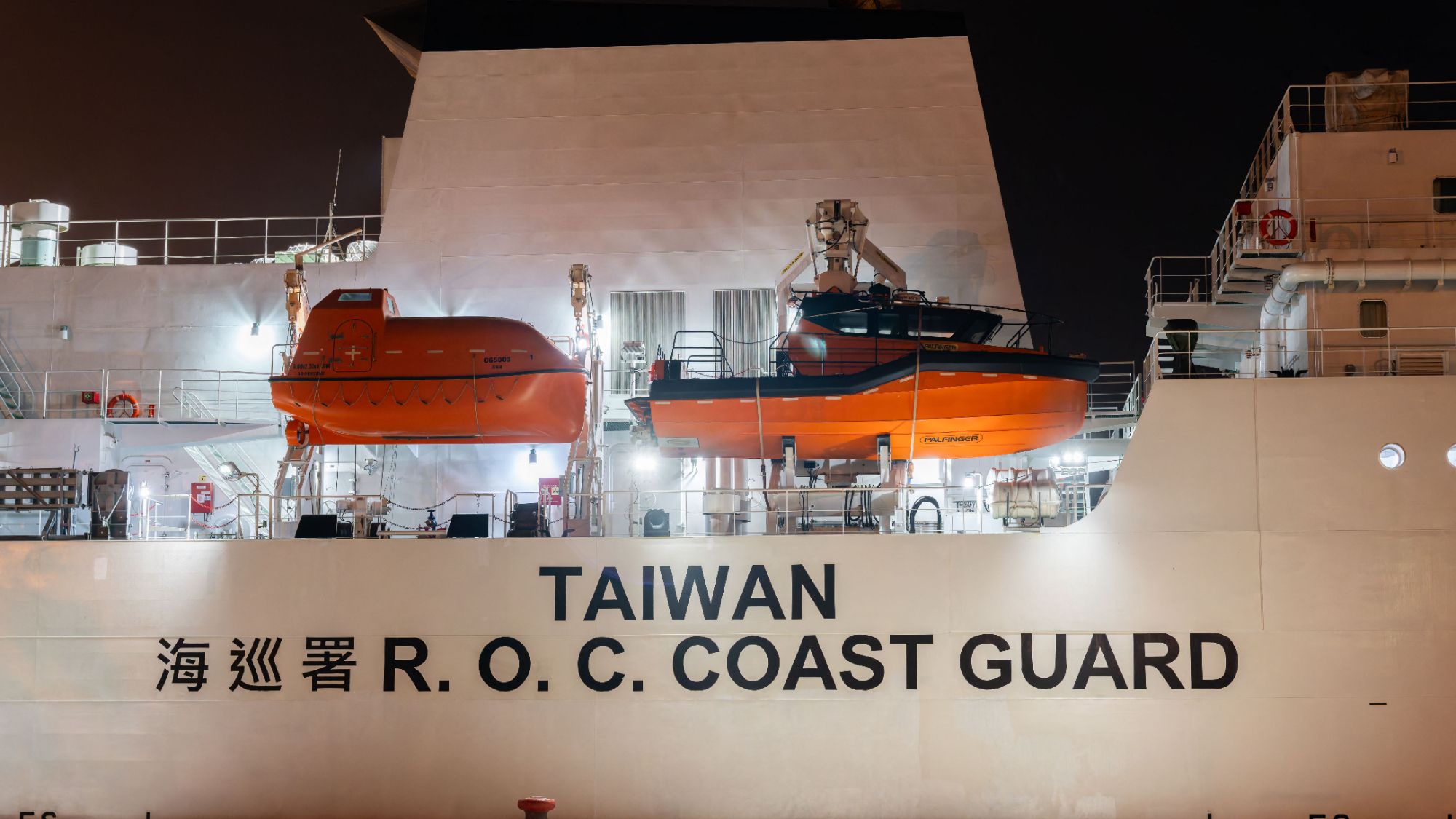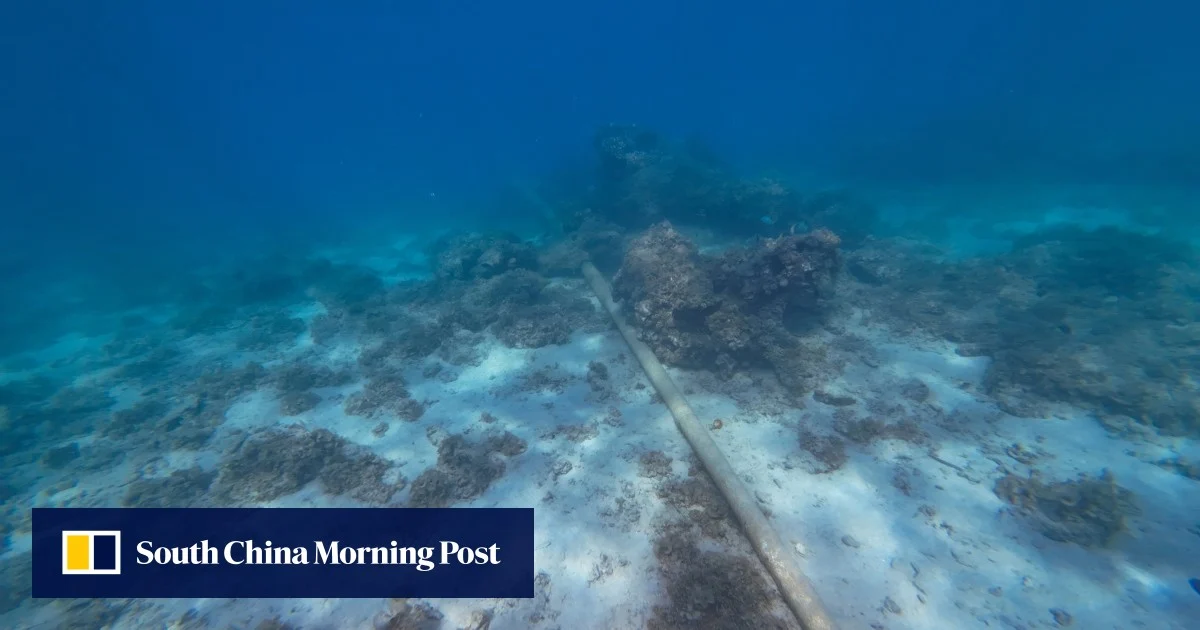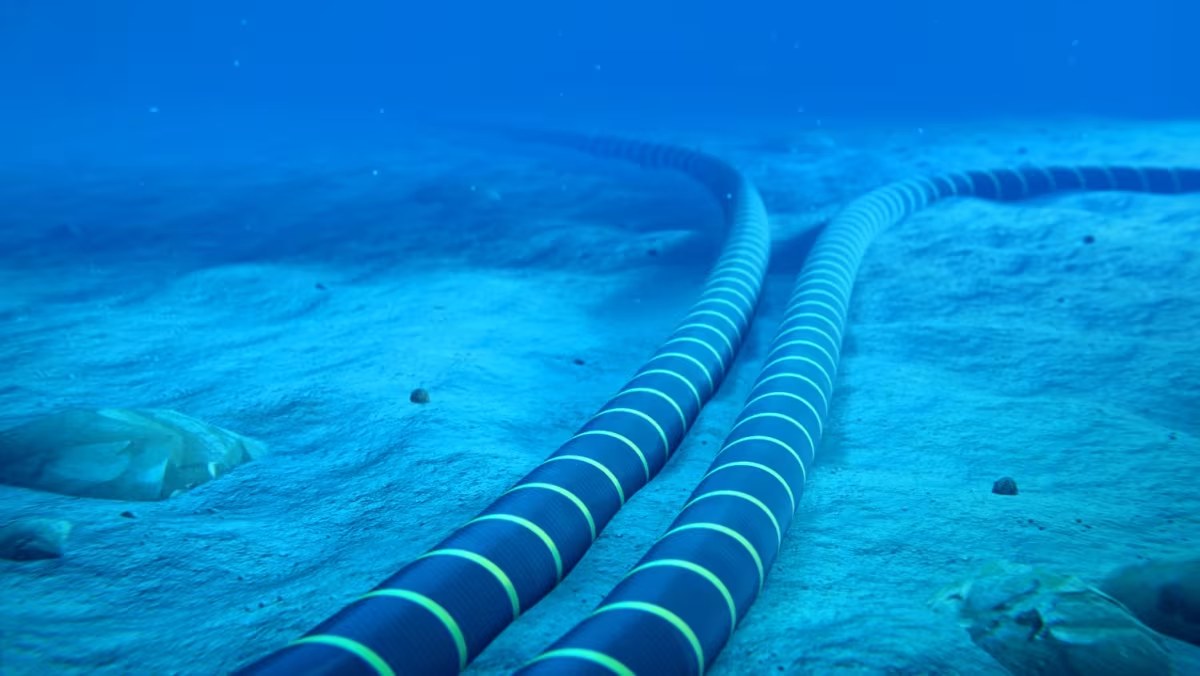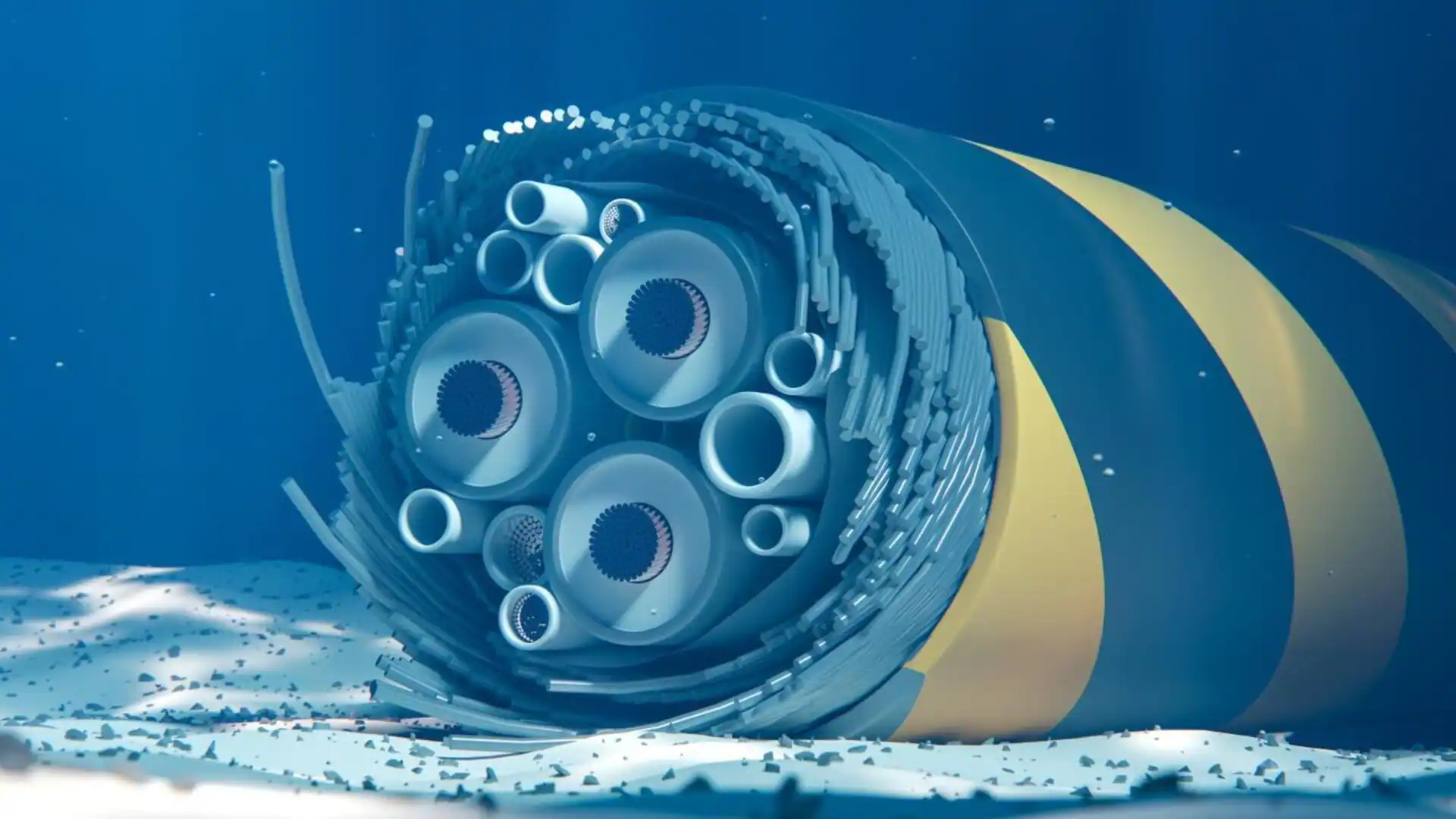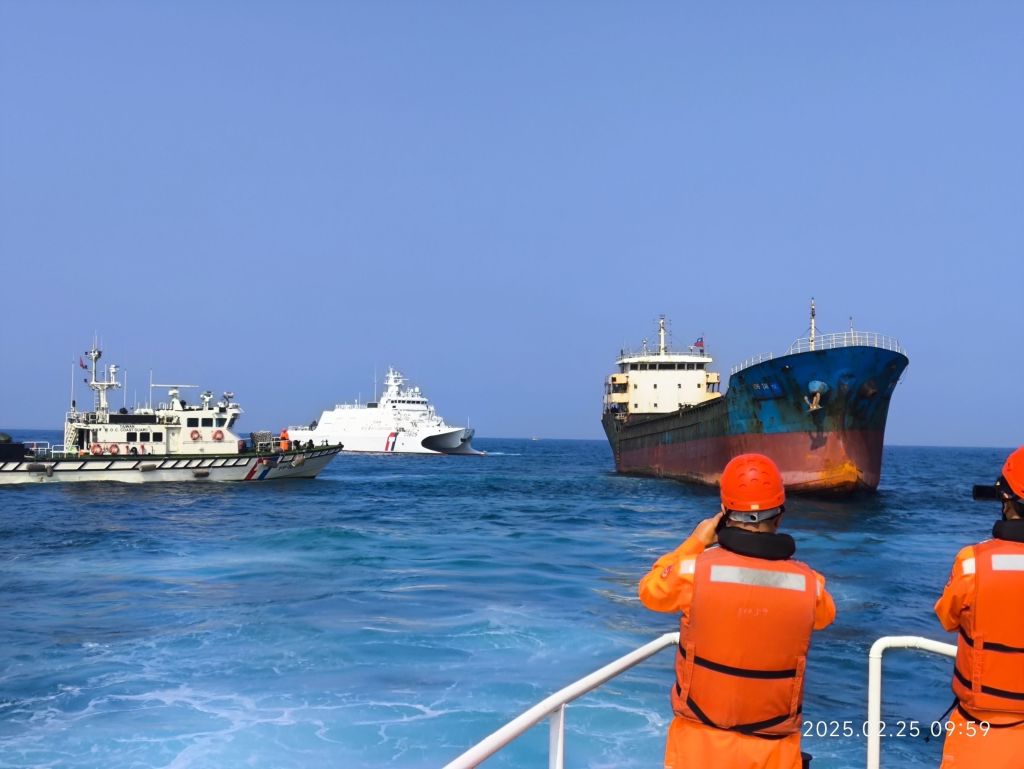
In February 2023, half a year or so before I visited, a couple of Chinese ships cut two domestic undersea cables running out from Taiwan’s main island. One of these, named Taima No. 3, provided connectivity to the island of Nangan. On paper, the ships were a fishing boat and a cargo vessel, but the Chinese navy so frequently uses ostensibly civilian craft for military purposes that it’s impossible to be certain whether the cuts to these cables were accidental or not. Nangan is part of a spray of islets called the Matsu Islands, and cables in this small archipelago had been damaged at least twenty times in the preceding five years. The 2023 cuts, coming on the heels of a year of bitter tension with China, were a fresh reminder of Taiwan’s mid-ocean vulnerability. Fifteen international cables connect Taiwan to the world. Its western flank faces China, and its eastern flank is seismically unstable; over a three-year period, Taiwan’s international and domestic cables suffered more than fifty cuts as a result of both manmade and natural factors. Were a foreign power to snap those fifteen international cables, Taiwan — the West’s buffer against China, and the semiconductor factory to the planet — would be unmoored from the world it needs and the world that needs it.
China, Taiwan, and the vulnerable web of undersea cables
In his new book, The Web Beneath the Waves, writer Samanth Subramanian examines big tech’s role in subsea cables and growing geopolitical tensions around them. This is an excerpt on the threats that Taiwan faces from China.
1,458 words~7 min read