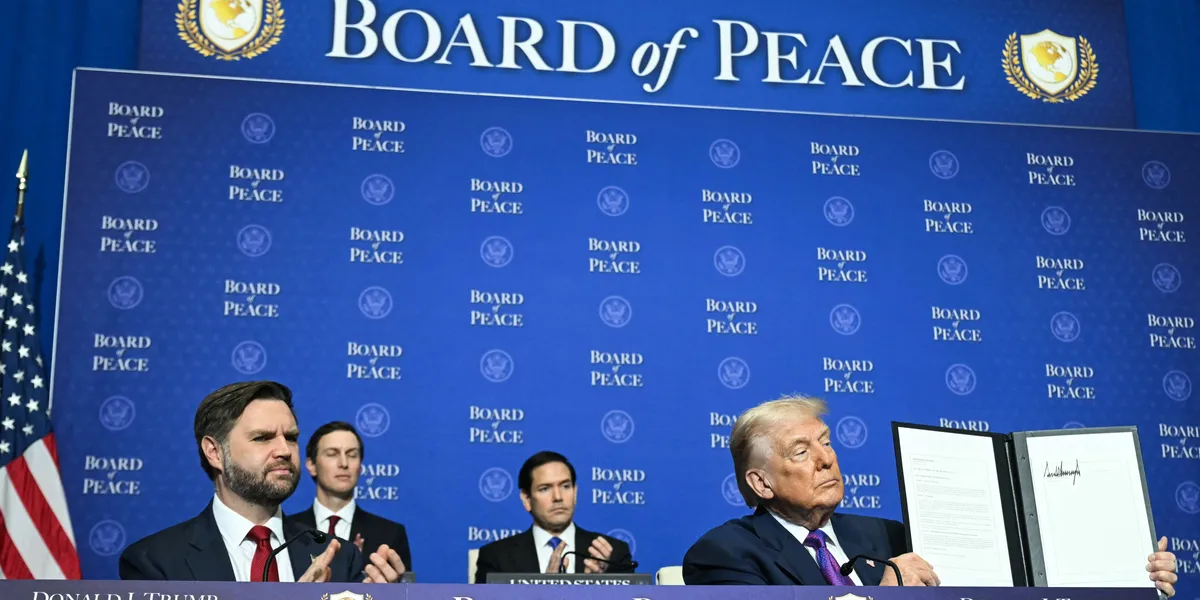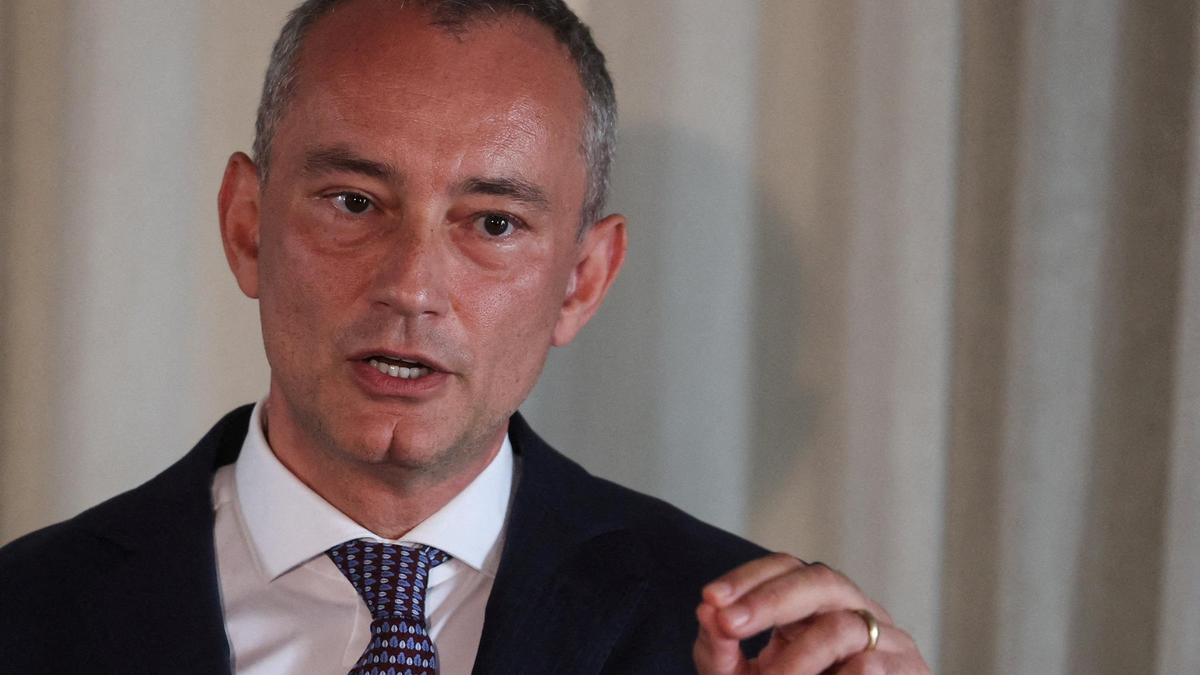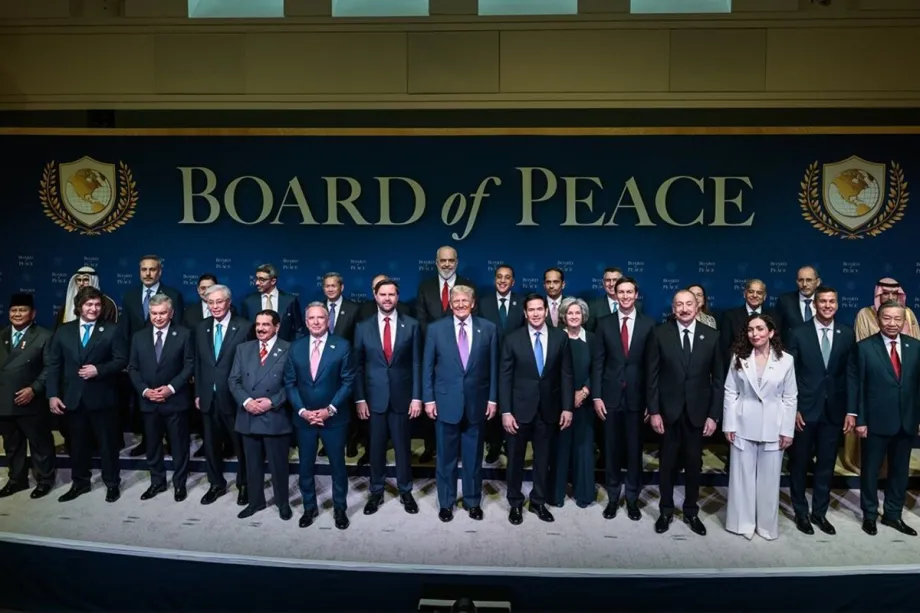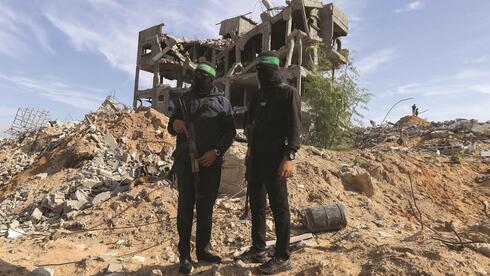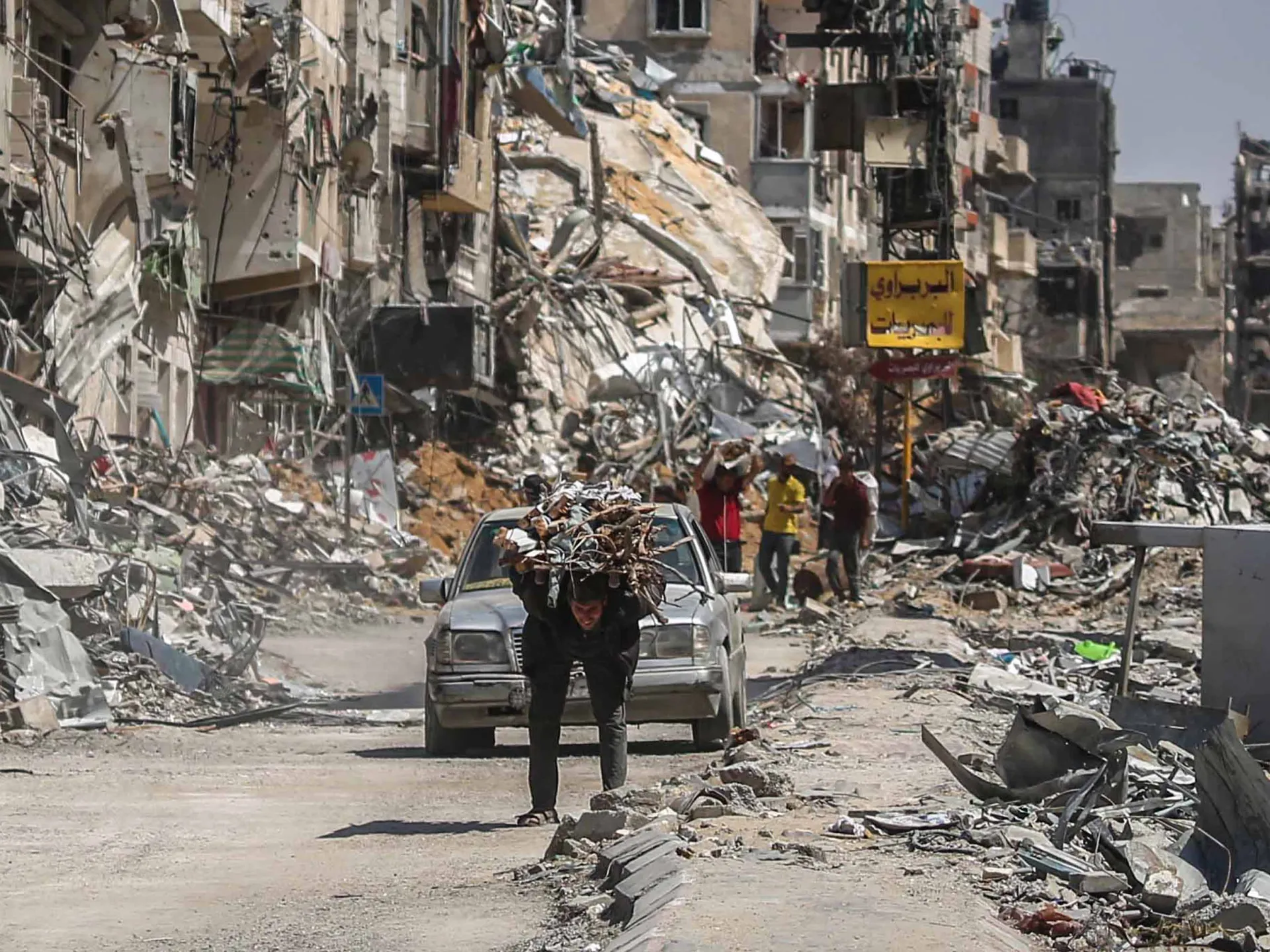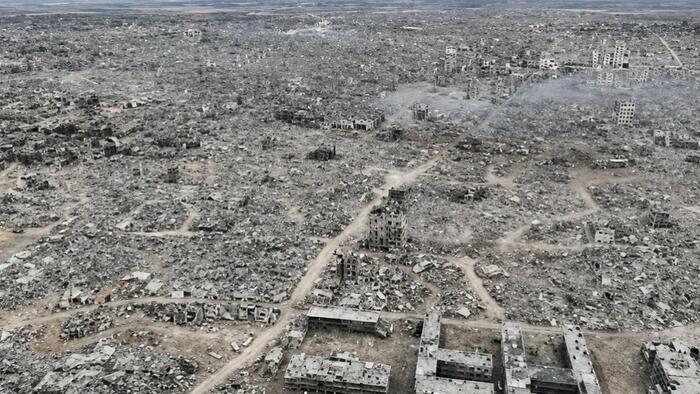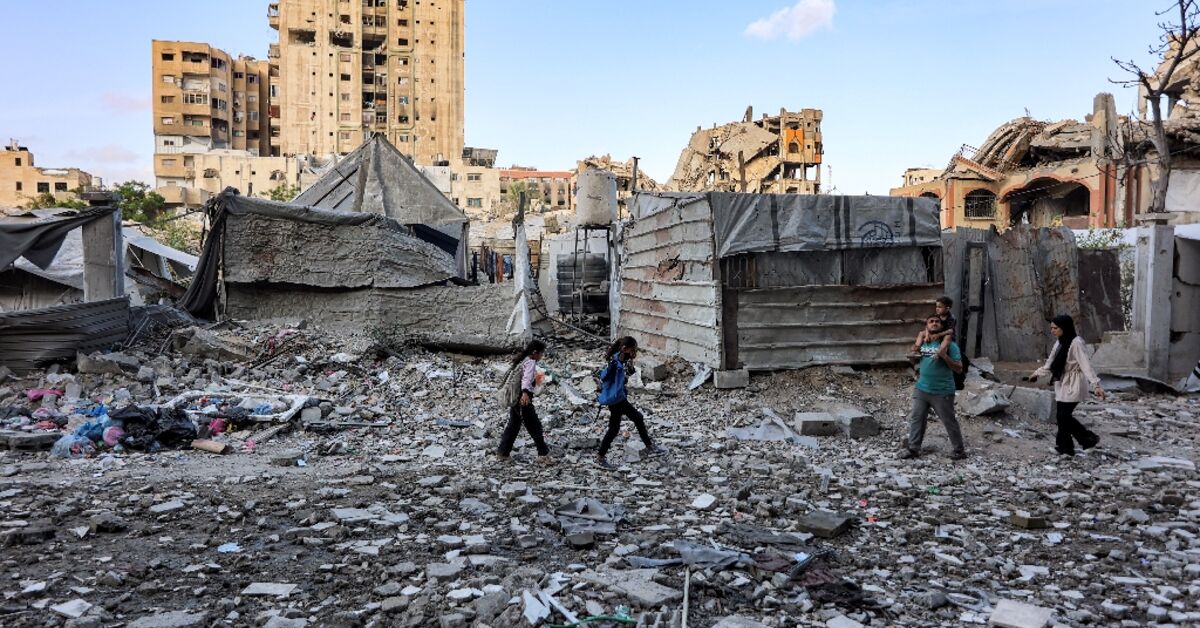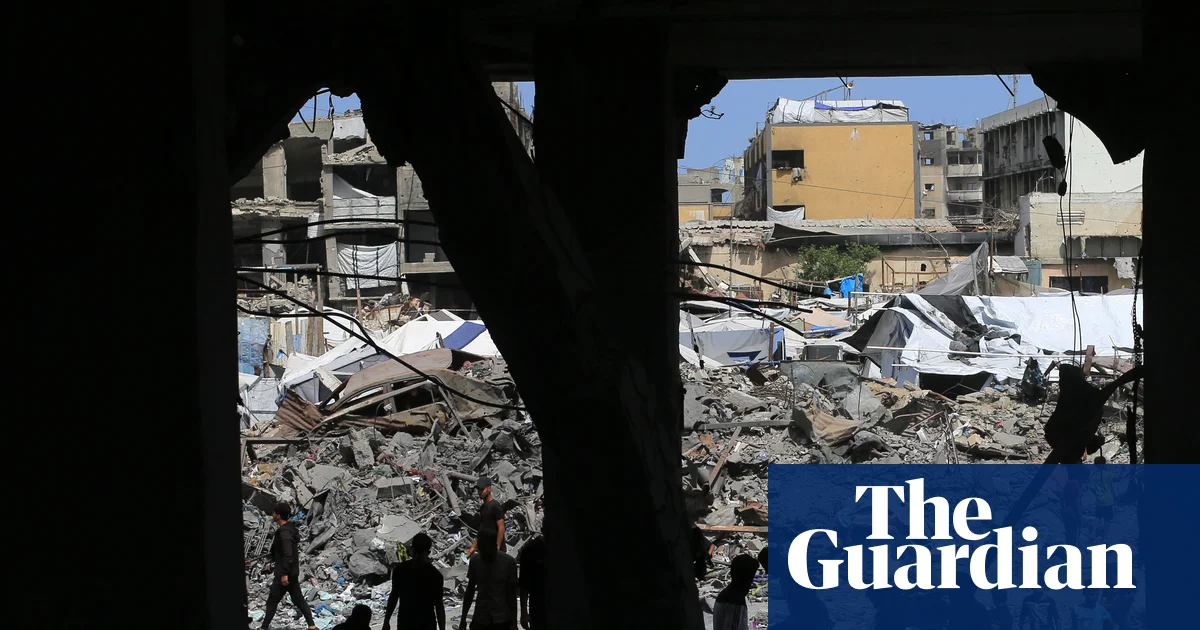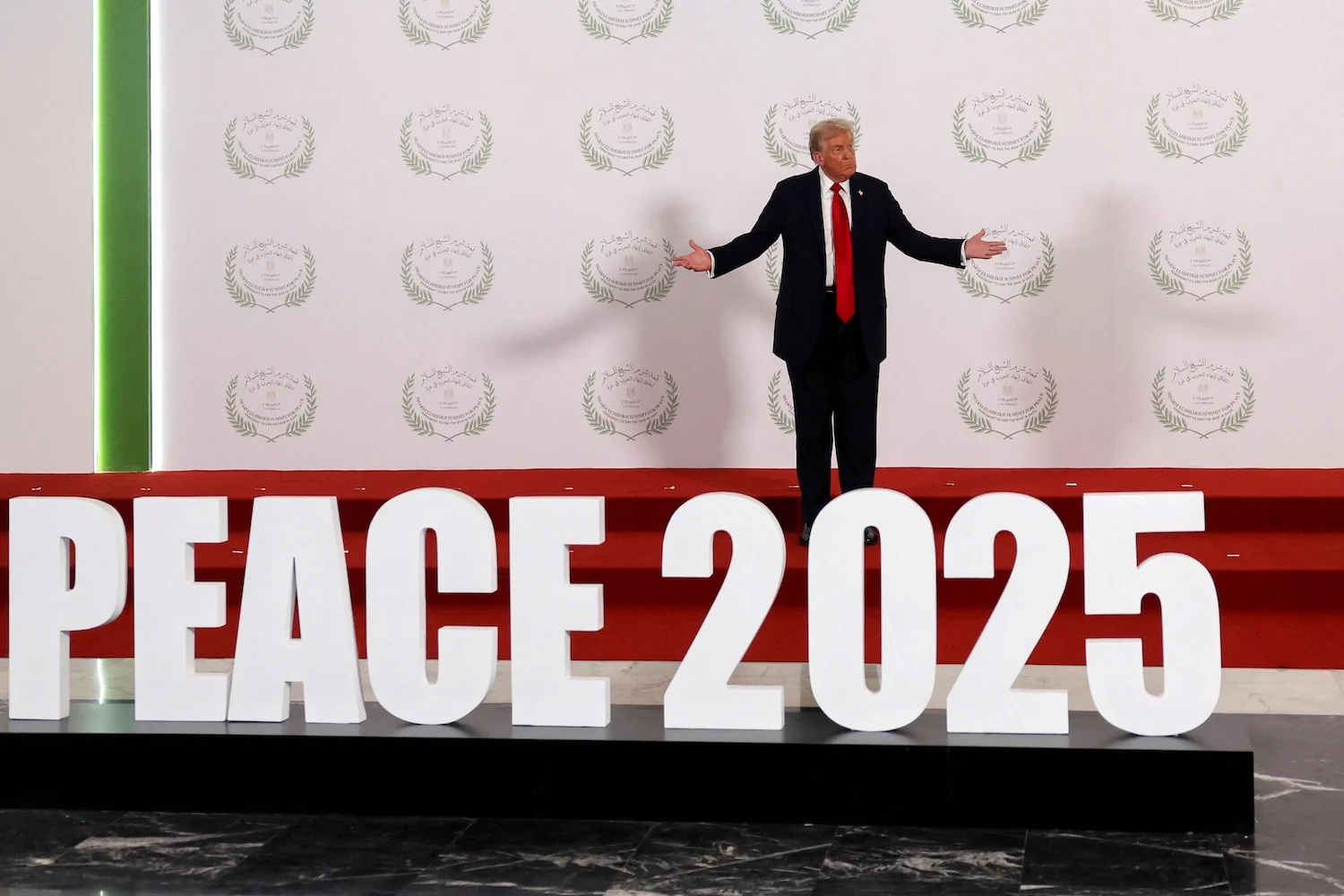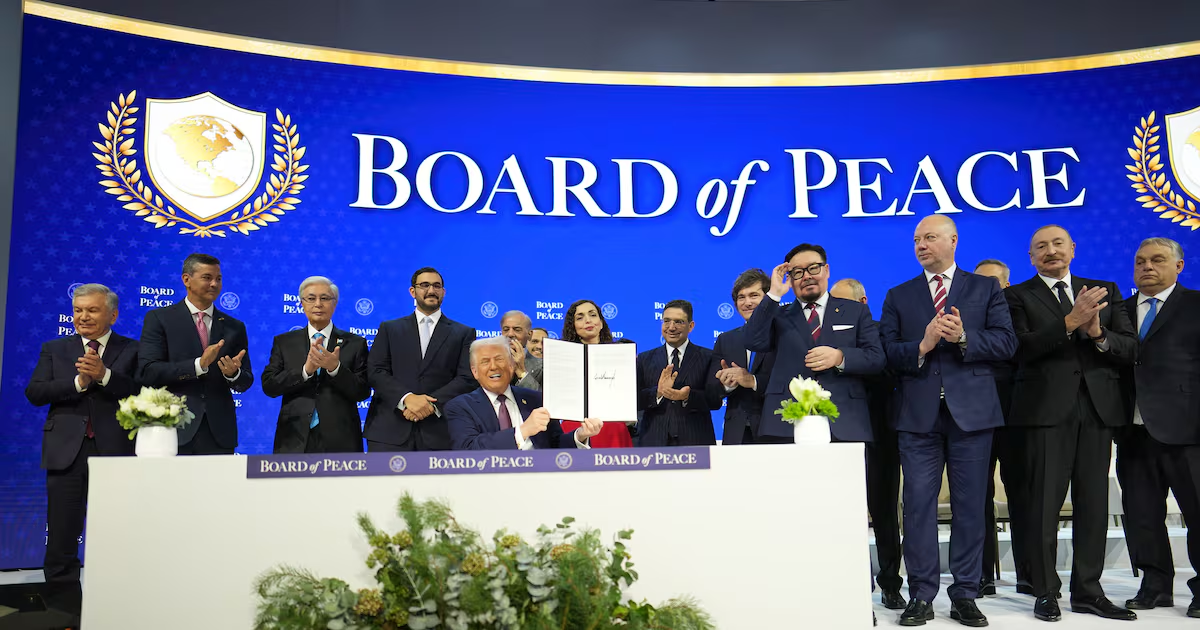
World·AnalysisU.S. President Donald Trump’s plan to rebuild Gaza is under growing strain as violence persists — more than 800 Palestinians have been killed since the ceasefire began — and his Board of Peace blames Hamas’s refusal to disarm for stalling progress.Blocked aid, ongoing attacks are testing U.S. president's plan for postwar GazaMargaret Evans · CBC News · Posted: May 23, 2026 4:00 AM EDT | Last Updated: 5 hours agoListen to this articleEstimated 6 minutesThe audio version of this article is generated by AI-based technology. Mispronunciations can occur. We are working with our partners to continually review and improve the results.U.S. President Donald Trump attends the inaugural Board of Peace meeting at the U.S. Institute of Peace in Washington, D.C., on Feb. 19. (Kevin Lamarque/Reuters)Remember Donald Trump's "Board of Peace"? The lynchpin of the U.S. president's 20-point plan for ending Israel's war in Gaza and rebuilding the decimated territory with a vague nod toward eventual Palestinian statehood?Critics won't be surprised to hear it's in trouble.On Thursday, in a report to the United Nations Security Council, which backs the plan, the board's high representative for Gaza, Nickolay Mladenov, said a "deteriorating status quo" in the territory threatened to become permanent, with "Hamas holding military and administrative control over two million people across less than half the territory."Inaction, Mladenov warned by video link, would lead to "another generation of children growing up in tents in fear, with despair as the most rational thing for them to feel — no security for Israel and no viable pathway to Palestinian self-determination."In a written report submitted to the Security Council on May 15, the board called Hamas's refusal to disarm "the principal obstacle" to progress.Children search for reusable items at a landfill beside a tent camp housing displaced Palestinians in Deir al-Balah, central Gaza Strip, on April 16. (Abdel Kareem Hana/The Associated Press)It was fulsome in its praise of Trump, whose initiative led to an October ceasefire after two years of brutal conflict.Israel was rarely mentioned by name in the report, but it did note that Mladenov had repeatedly warned that "every violation, from whatever quarter" risked unravelling a deal many critics have already labelled a ceasefire in name only.Aid agencies accuse Israel of obstructionMore than 800 Palestinians, including over 200 children, have been killed since the ceasefire began, according to Gaza's Ministry of Health. After Mladenov's briefing to the UN, aid agencies Oxfam, Refugees International and Save the Children US accused Israel of continuing to obstruct the entry of aid into Gaza, despite obligations laid out in the Trump plan.At a news conference in New York, they said medical equipment — including ultrasound machines and incubators — have not been allowed into Gaza and that medical evacuations remain severely restricted by Israel.Nickolay Mladenov, a Bulgarian diplomat and the Board of Peace's lead envoy for Gaza, holds a briefing for members of the media in Jerusalem on May 13. (Ammar Awad/Reuters)UNICEF's Salim Oweis, currently in Gaza on a mission, said he has seen a greater volume of aid entering the Gaza Strip since his last visit in February, but it's still not enough."We're not at the point where we need to be," he said in a phone interview with CBC News. "The needs are still huge. People have been under fire for almost two and a half years, and all their resources have been depleted."Board of Peace envoy says stalled ceasefire hinges on disarmament of HamasOweis also said there's been no change to the way in which aid agencies are negotiating access to Gaza with Israel since the creation of the Board of Peace."We're still doing the same thing, with the same clearances, with the same waiting times and all that comes with the process."Palestinian children play with a makeshift wagon at a tent camp sheltering displaced people in Khan Younis, in the southern Gaza Strip, on May 9. (Ramadan Abed/Reuters)The cost of rebuilding GazaThe UN has estimated that the cost of rebuilding Gaza will top $70 billion (US).Oweis said it will be an overwhelming task."The majority of the Gaza Strip is destroyed, and to be able to rebuild, we need to clear things out first. That's not something [Gazans] are able to do, both because of resources but also because of the scale of the destruction." A Palestinian woman is shown at the site of an Israeli strike on a house in the Jabalia refugee camp, in northern Gaza, on May 19. (Ebrahim Hajjaj/Reuters)In its May 15 report, the Board of Peace called for the urgent distribution of funds "committed but not yet disbursed" to the project."Many of us, I think, were concerned about [the Board of Peace] from the beginning because it was very vague in its aims and objectives for Gaza in particular," said Julie Norman, a professor of international relations who co-ordinates the Israel-Palestine Initiative at University College London."I think we're seeing the results of that now in that it has become increasingly an irrelevance on the ground."Part of the skepticism comes with the structure of the board itself, a top-down affair with 28 founding members and Trump, who installed himself as the permanent chairman.Board layers below that include several Trump loyalists and former British prime minister Tony Blair in an endeavour the U.S. president has said could "spread out to other things."A tent camp for displaced Palestinians stretches among the ruins of buildings destroyed during the Israel-Hamas war, in Gaza City on May 15. (Abdel Kareem Hana/The Associated Press)The National Committee for the Administration of Gaza (NCAG) is the only layer made up of Palestinians — about 15 technocrats forming a transitional body to oversee Gaza's recovery and its governance until the Palestinian Authority can take over."They are the one body within the Board of Peace that had Palestinian representation," said Norman, who believes the NCAG should already be on the ground in Gaza.Trump hosts 1st Board of Peace meeting, announces pledges for reconstruction-peacekeeper funding for GazaSeveral media reports have suggested the board members are cooling their heels in Cairo until they're given permission to enter the Gaza Strip."It was really important, I think, for Palestinians to see the NCAG having some autonomy, some legitimacy, and instead we've seen them exactly the opposite," Norman said.WATCH | UN Security Council urged to push Hamas to disarm:Board of Peace envoy urges UN Security Council to push Hamas to disarmMay 21|Duration 4:19U.S. President Donald Trump’s Board of Peace, created to oversee the administration and reconstruction of Gaza, briefed the United Nations Security Council on Thursday, asking it to ‘use every means at its disposal’ to push Hamas to disarm.Iran war diverted attention from GazaBut there are those who say it would be a mistake for the NCAG to move before conditions on the ground in Gaza have improved, including more substantial funding for reconstruction and the presence of a stabilization force.It's by no means clear how it would work before Hamas has ceded control and its weapons decommissioned.Analysts say the Iran war has taken attention away from Gaza, particularly in Gulf states concerned with their own security.'The rats are like a storm': Palestinians seeking refuge in rubble struggle with rodent infestationsNorman said the distraction of the Iran war has enabled both Israel and Hamas to double down on their positions without much pressure.But she said she doesn’t think it's changed the course of what's happening now."I think the positions that they both have taken are ones that we would have expected anyway. Hamas was not and is not looking to disarm. Israel is not willing to withdraw, especially with elections later this year."ABOUT THE AUTHORMargaret Evans is the senior international correspondent for CBC News based in the London bureau. A veteran conflict reporter, Evans has covered civil wars and strife in Angola, Chad and Sudan, as well as the myriad battlefields of the Middle East.
ANALYSIS | Trump's Board of Peace struggles to progress beyond far-from-perfect ceasefire in Gaza | CBC News
U.S. President Donald Trump’s plan to rebuild Gaza is under growing strain as violence persists — more than 800 Palestinians have been killed since the ceasefire began — and his Board of Peace blames Hamas’s refusal to disarm for stalling progress.
1,302 words~6 min read