blueapples on X | ashesofacacia.substack.com
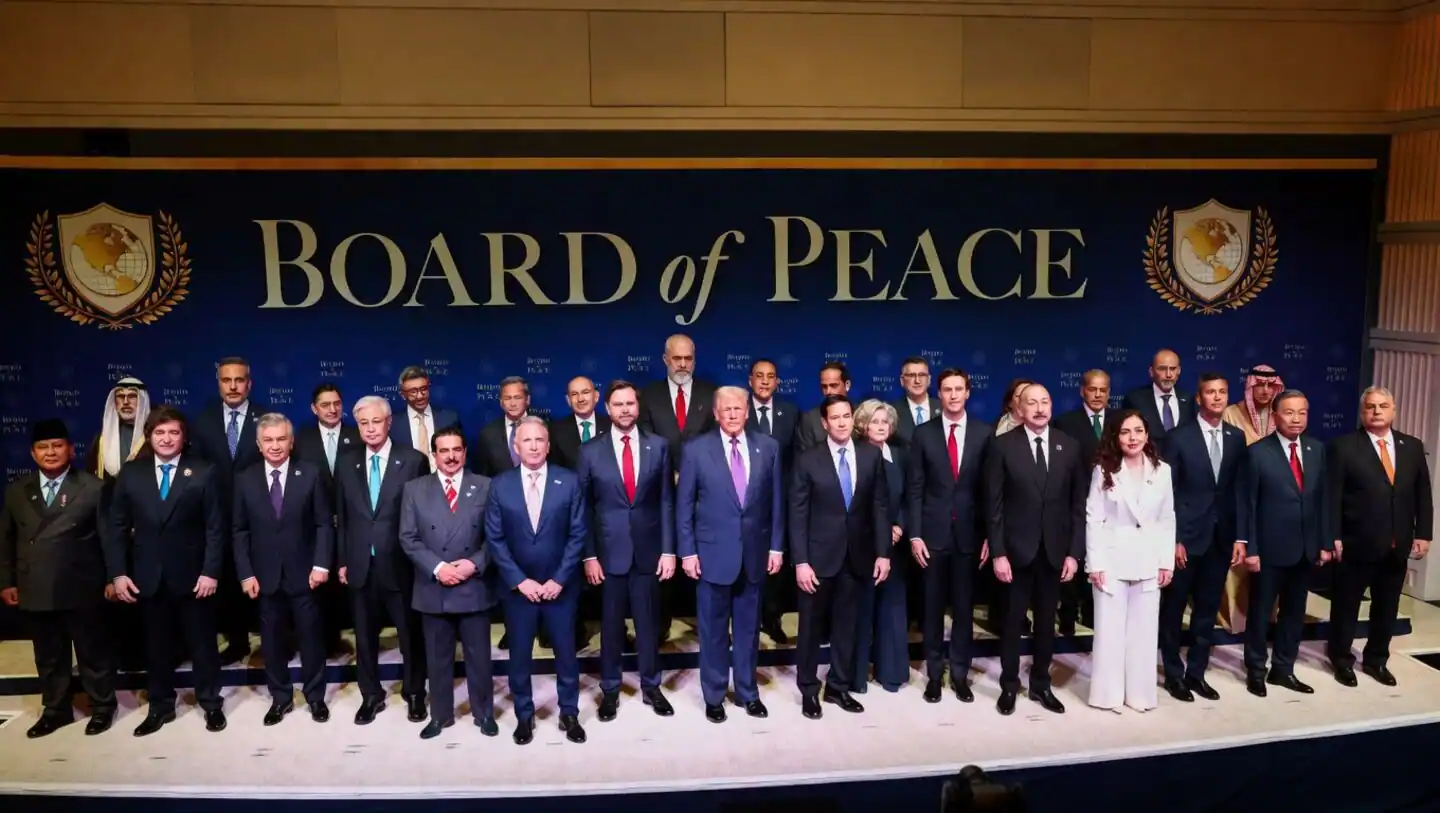
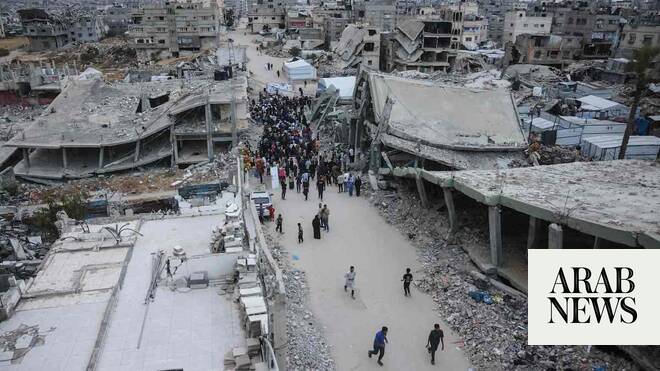
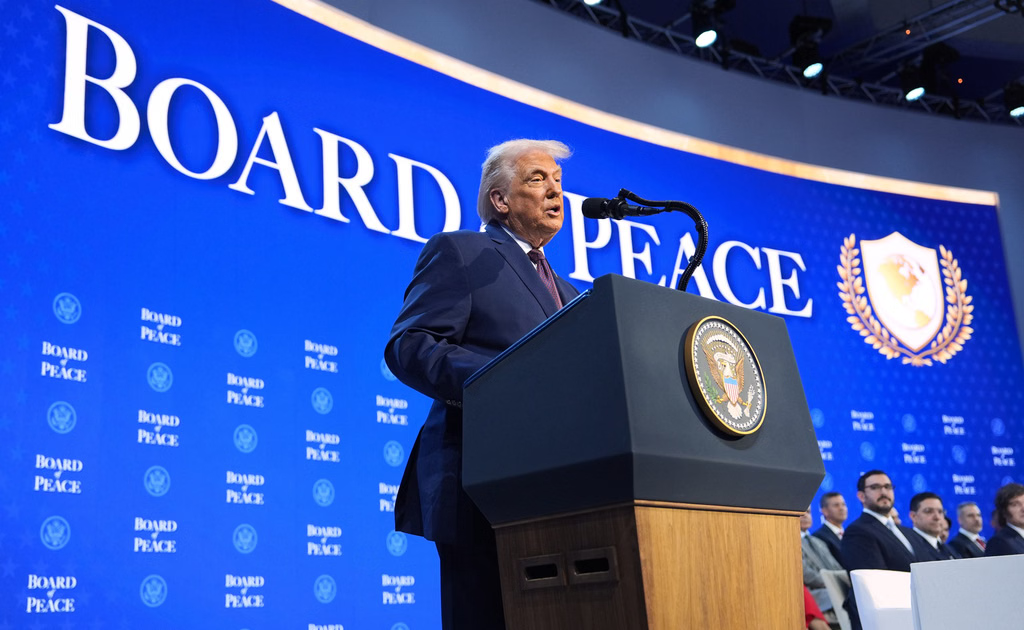
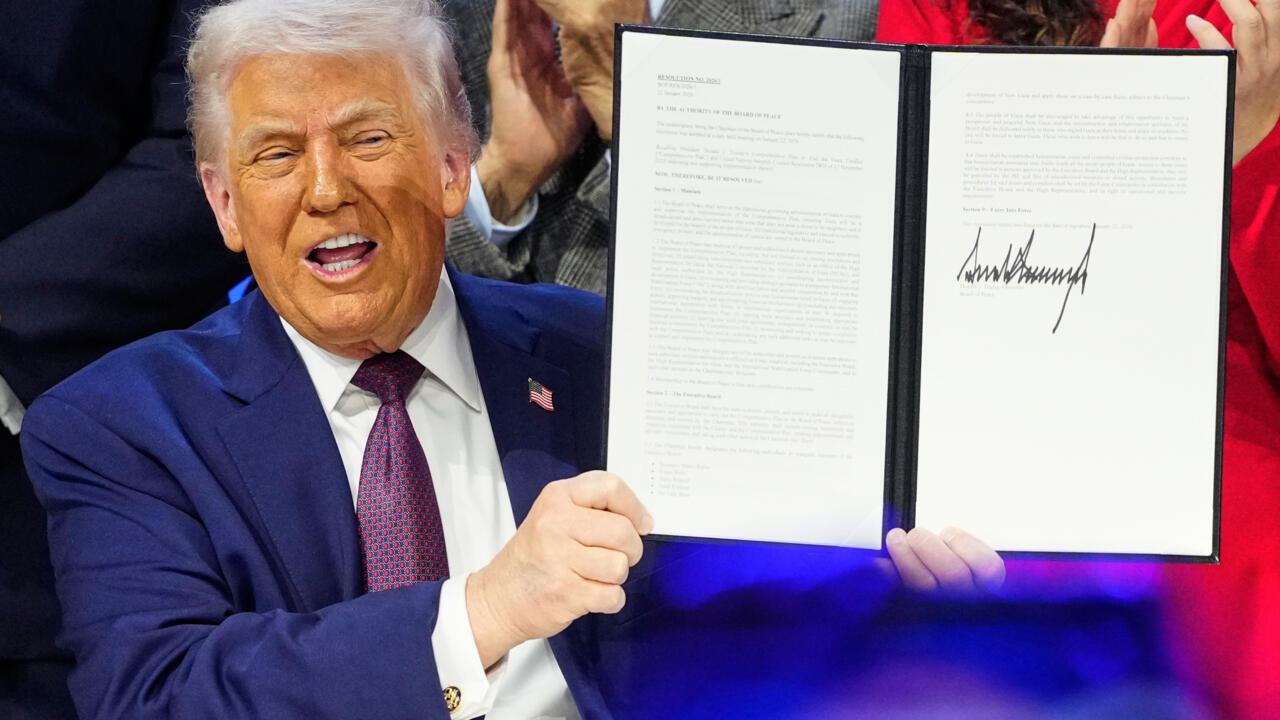
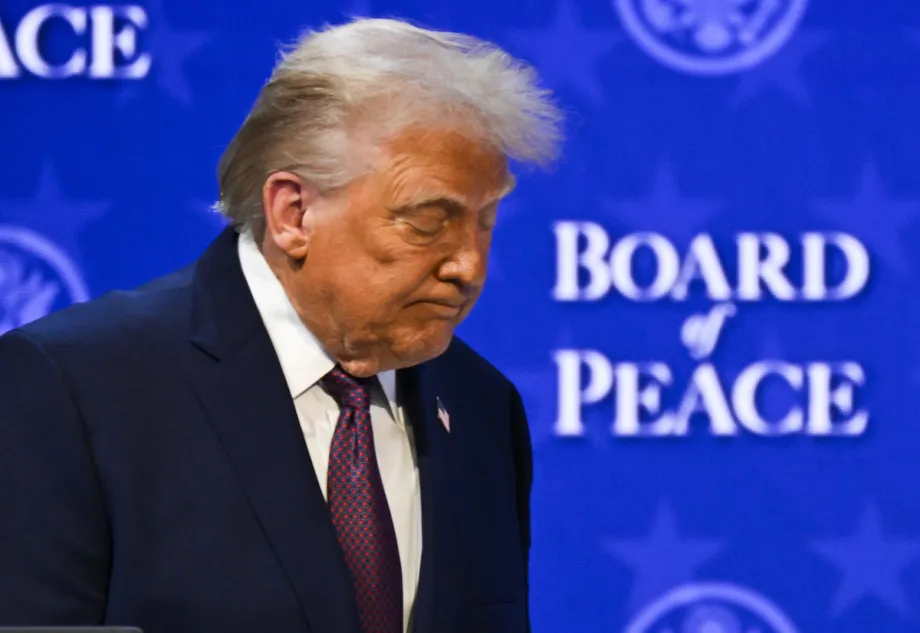
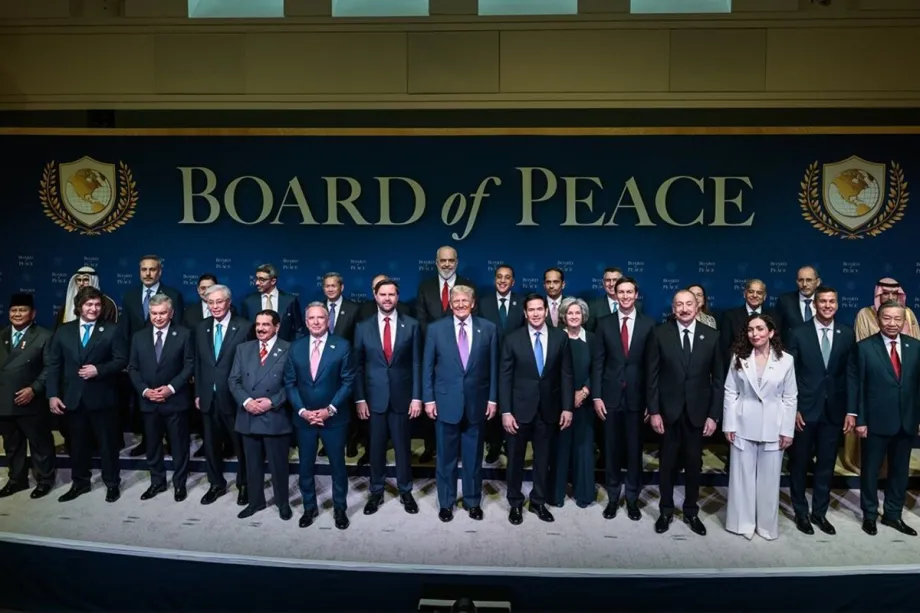
When the United Nations Security Council (”UNSC”) officially approved of the 20-point peace plan constructed by the Trump administration and agreed upon by the State of Israel and Hamas on November 17th, 2025, the world looked at the development with cautious optimism that a lasting peace in the Middle East had finally been brokered. However, that optimism was largely drowned out by skepticism from critics and policy analysts alike who took issue with the parameters of the peace plan and the vision it had for a post-war Gaza Strip. Chief among those parameters that raised red flags was the establishment of the Board of Peace, which would be tasked with oversight of the ceasefire, efforts to rebuild the Gaza Strip, and the establishment of a technocratic council assigned to govern the territory in the aftermath of the war. Since its establishment, the Board of Peace has been met with criticism over its governance model, doubts over its ability to raise the funds needed to carry out its mission, and its ulterior political motives. While Trump administration and Israeli government officials have disavowed those criticisms, a report alleging the drastic shortfall of the Board of Peace’s funding gives credence to the doubt it has been mired within since its inception.According to four separate sources with familiarity of the Trump Board of Peace’s finances who spoke to The Financial Times, the fund established by the board through the World Bank has had zero dollars deposited into it despite receiving $17 billion in pledges from partners ranging from the United States and the European Union (”EU”) to several Arab states. Instead of operating through the World Bank-administered fund approved by the UNSC, the Board of Peace has been accepting deposits directly through an account it established with American multinational banking institution JPMorgan Chase & Co. That delivery mechanism for funds paid to the Board of Peace amplifies the concerns raised over its transparency. Unlike the World Bank fund established by the UNSC when it agreed to the Trump administration’s Gaza peace plan, the board’s account with JPMorgan is not subject to any oversight or reporting on its finances. That lack of transparency raises further questions over not just the board’s financial outlook but also about how the funds that have been delivered to it are being used.An official with the Board of Peace spoke to The Financial Times in an effort to ensure that the board was funded in line with expectations. The official conveyed that the board’s World Bank fund was just one of several mechanisms created to accept contributions from member states involved in financing the reconstruction of the Gaza Strip. They indicated that the reasons behind the World Bank fund’s coffers being empty were because “contributors have opted to use other options,” alluding to the board’s account with JPMorgan. Addressing the issue of transparency, the official stated that the Board of Peace will report its finances to its own executive board. That executive board chaired by President Donald J. Trump includes U.S. Secretary of State Marco Rubio; U.S. Special Envoy to the Middle East Steve Witkoff; Trump’s son-in-law and senior advisor Jared Kushner; former U.K. Prime Minister Tony Blair; CEO of Apollo Global Management Marc Rowan; President of the World Bank Ajay Banga; U.S. Deputy National Security Advisor Robert Gabriel; and Bulgarian former United Nations Special Coordinator for the Middle East Peace Process Nikolay Mladenov, who was named the director general of the Board of Peace. Despite assurances made by officials that the Board of Peace will report its finances to the executive board, they offered no definitive timeline on issuing those findings. Instead, the official who spoke with The Financial Times indicated that the financial reports will be provided “at a time deemed appropriate” that has yet to be formally announced.Concerns over the funding shortfall follow estimates that $70 billion will be needed for the Gaza reconstruction effort over the next decade to rebuild the 85 percent of buildings and infrastructure in the region destroyed by the Israel Defense Forces (“IDF”), a figure that far exceeds the $17 billion in pledges made to the Board of Peace. Despite its best attempts to assuage those concerns, the Board of Peace acknowledged the liquidity crisis it faces in a report it submitted to the UNSC on May 15th, 2026. “The Board of Peace underscores that the gap between commitment and disbursement must be closed with urgency. Funds committed but not yet disbursed represent the difference between a framework that exists on paper and one that delivers on the ground for the people of Gaza,” the report stated. The report issued to the UNSC contravened statements made by the board in April, in which it stated that “all funding requests have been met immediately and in full” in the face of mounting criticism including accusations that it had only received a tiny fraction of the $17 million in pledges made to it.Fundamentally incorrect and misleading reporting by @Reuters today.