Explore the complexities of side hustles in South Africa, from tax implications to managing irregular income, and learn how to navigate the gig economy while safeguarding your financial future.
The role of the nine-to-five is changing, and South Africa’s financial reality reflects this shift. According to the South African Reserve Bank, household debt levels remain high at around three-quarters of disposable income, while savings rates remain persistently low. This leaves many households with little room to absorb shocks, build long-term security, and to provide for retirement.
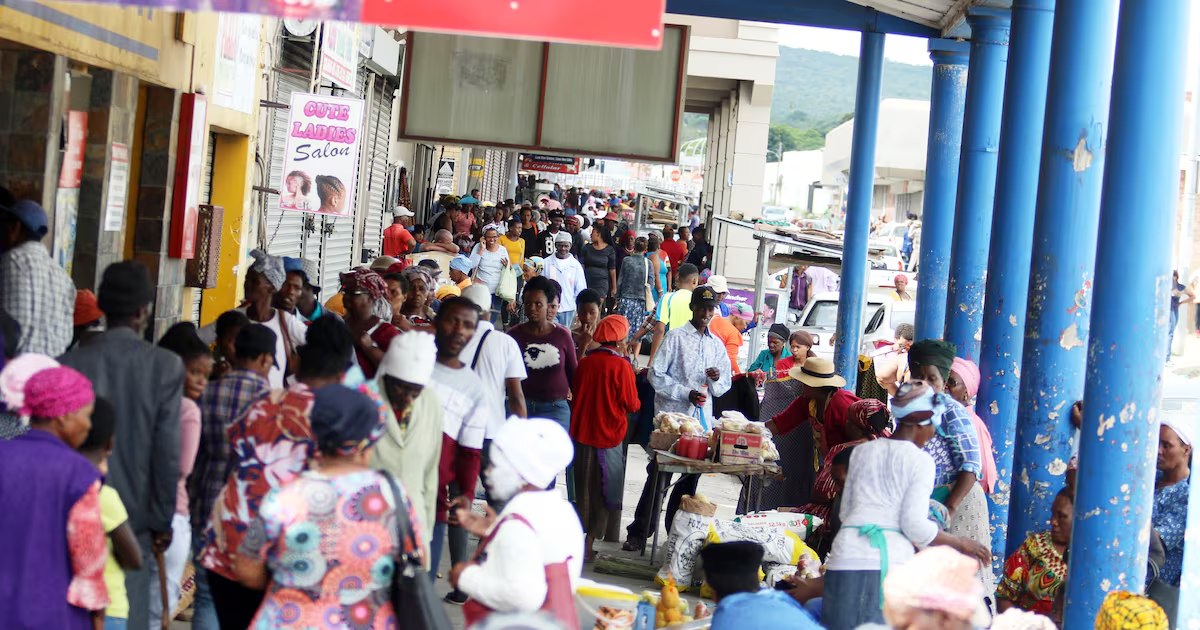
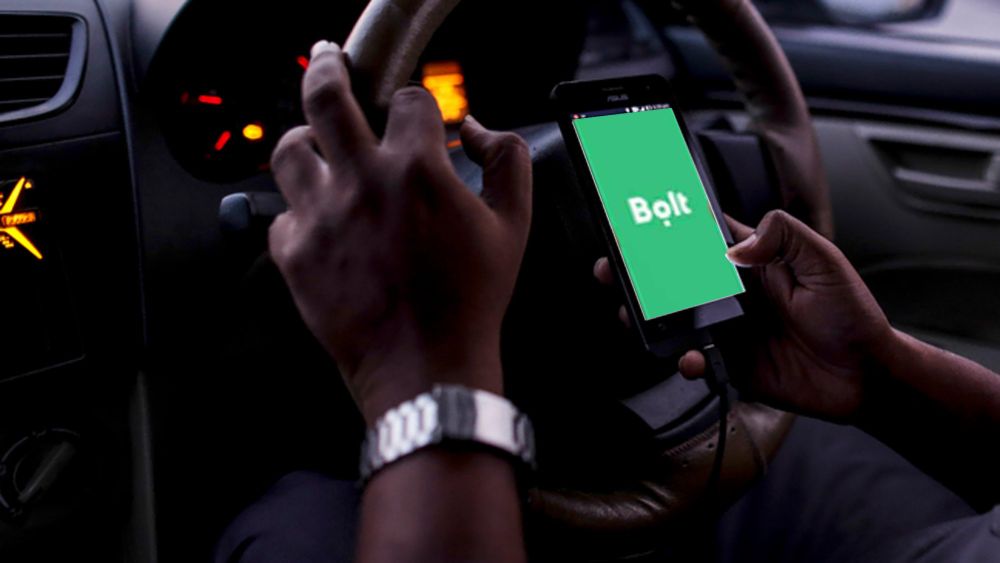
It’s estimated that more than half of South Africans are engaging in gig work or realising secondary income streams to navigate the rising cost of living.
However, while they are finding creative ways to bridge the gap, earning more does not always equate to getting ahead. While a second income offers the promise of financial freedom without a cohesive structure, it can introduce a level of complexity that actually threatens financial stability.
The opportunity beyond the pay cheque