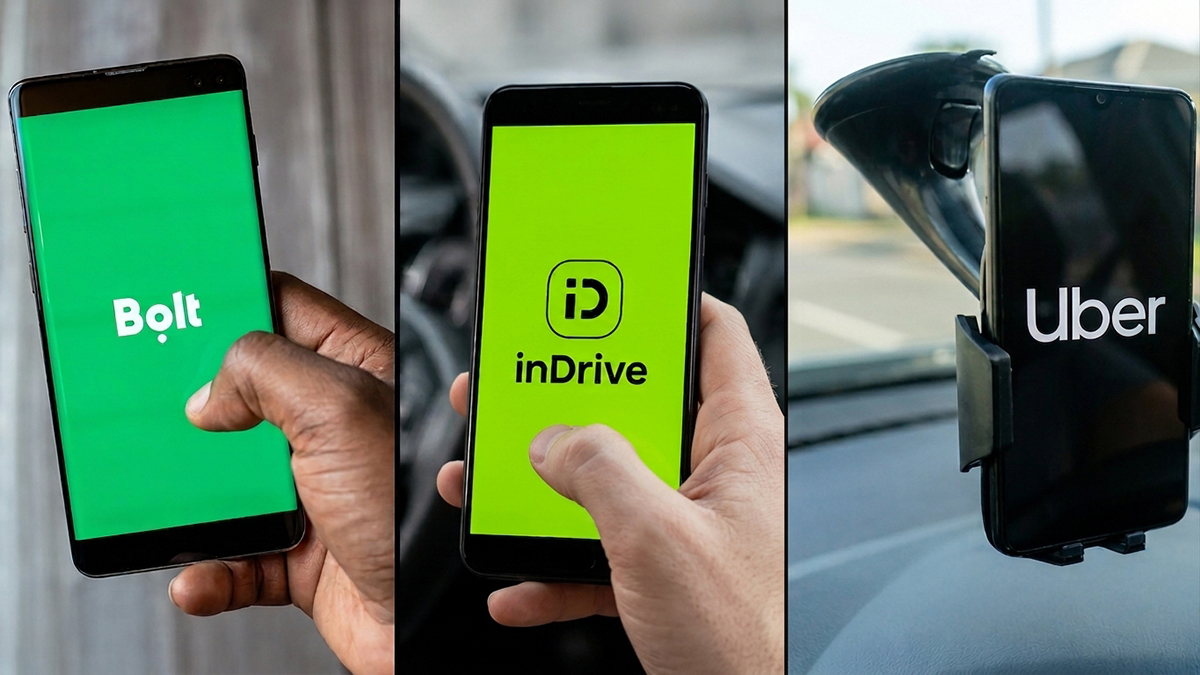
Proposed labour reforms will broaden the definition of an “employee” to include gig workers like e-hailing drivers, giving them essential protections such as a minimum wage, paid leave, and the right to collectively bargain.
Siyanda wakes before sunrise, logging into an e-hailing app, spending the next 10 hours navigating Johannesburg's relentless traffic. The 24-year-old picks up strangers and drops them off across a city that knows not his name. Despite his industrious efforts, he stands without the security of an employment contract, paid leave, medical cover, or even a fallback plan for unexpected situations. His commitment to building a life for himself contributes to the economy, yet, from a legal standpoint, he barely exists.
Siyanda's story is not an isolated case, says Nkosinathi Mahlangu, Youth Employment and Entrepreneurship Specialist at Momentum Group Foundation. South Africa is brimming with youth potential, yet millions of young South Africans find themselves navigating the gig economy as delivery riders, informal traders, and freelance workers of all sorts. This is a generation not lacking in ambition but striving to carve out livelihoods in a labour market that has largely left them behind. For many, the gig economy represents the only path available on the career ladder.