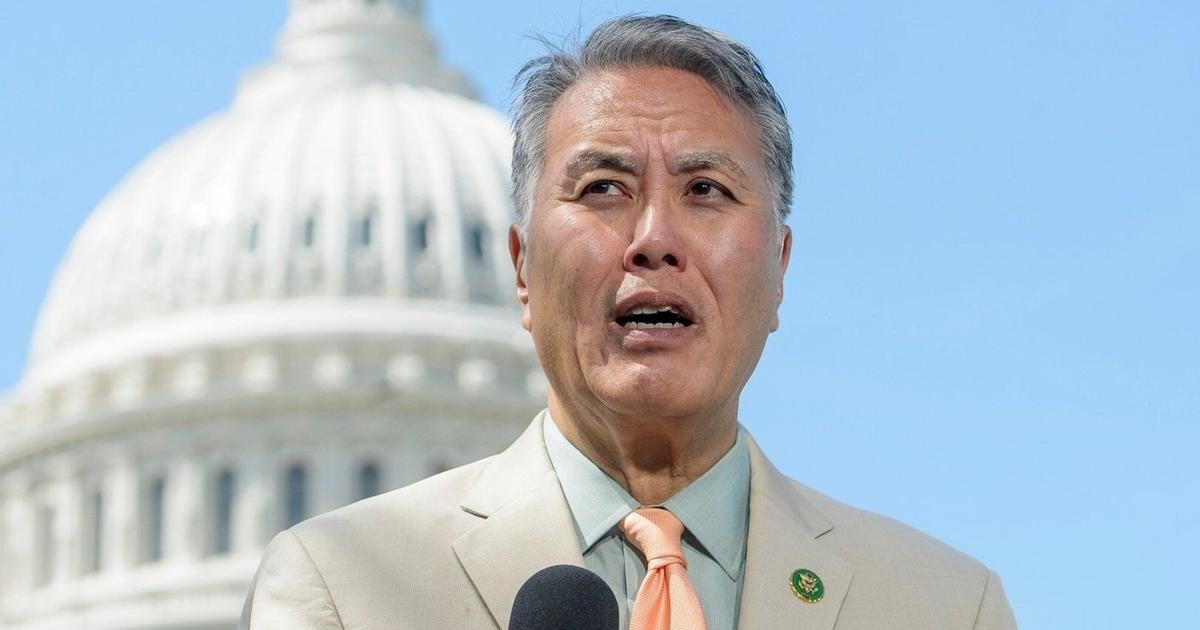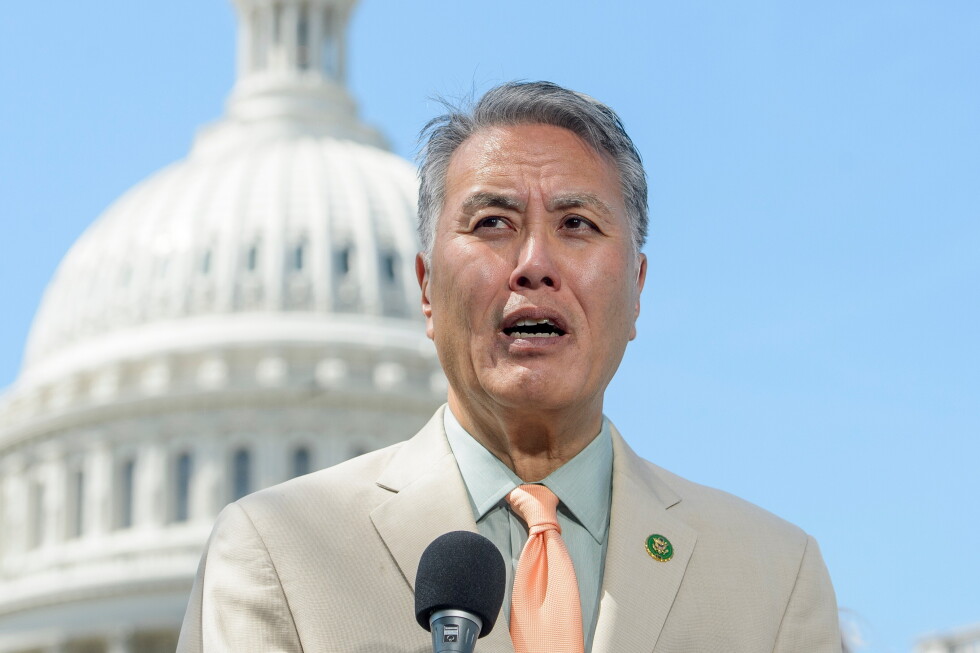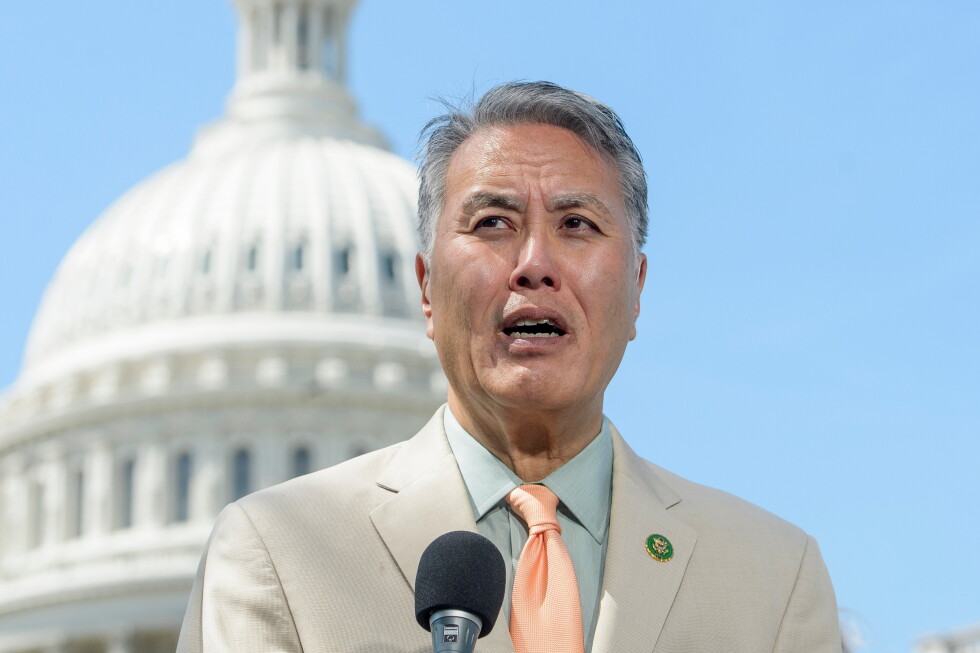
WASHINGTON (AP) — The congressman returned home last Fourth of July to startling stories in Southern California as immigration patrols swept through communities and one constituent told him about starting to carry a passport as proof of the right to be in the country.Rep. Mark Takano, whose American-born parents were both incarcerated as young children with their families during the forced relocation of Japanese Americans during World War II, could not help but see the parallels between that chapter of American history and this one.“I do feel like there’s a similarity of circumstance of my own 2-year-old father and my 1-year-old mother being labeled as enemy aliens and they’re considered a danger to national security,” he told The Associated Press in an interview.“They’re put into these incarceration camps,” he said. “Similar arguments have been made by this administration — that immigrants pose a grave danger to our country and it’s for the security of our country that we’re doing this.”
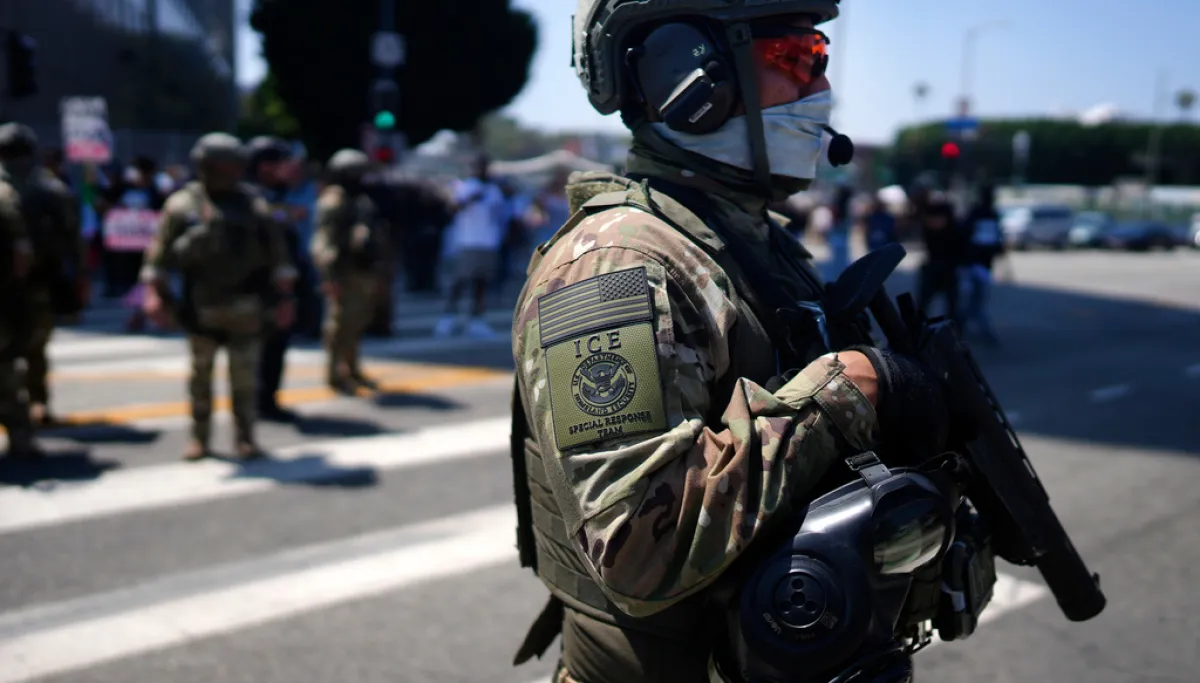
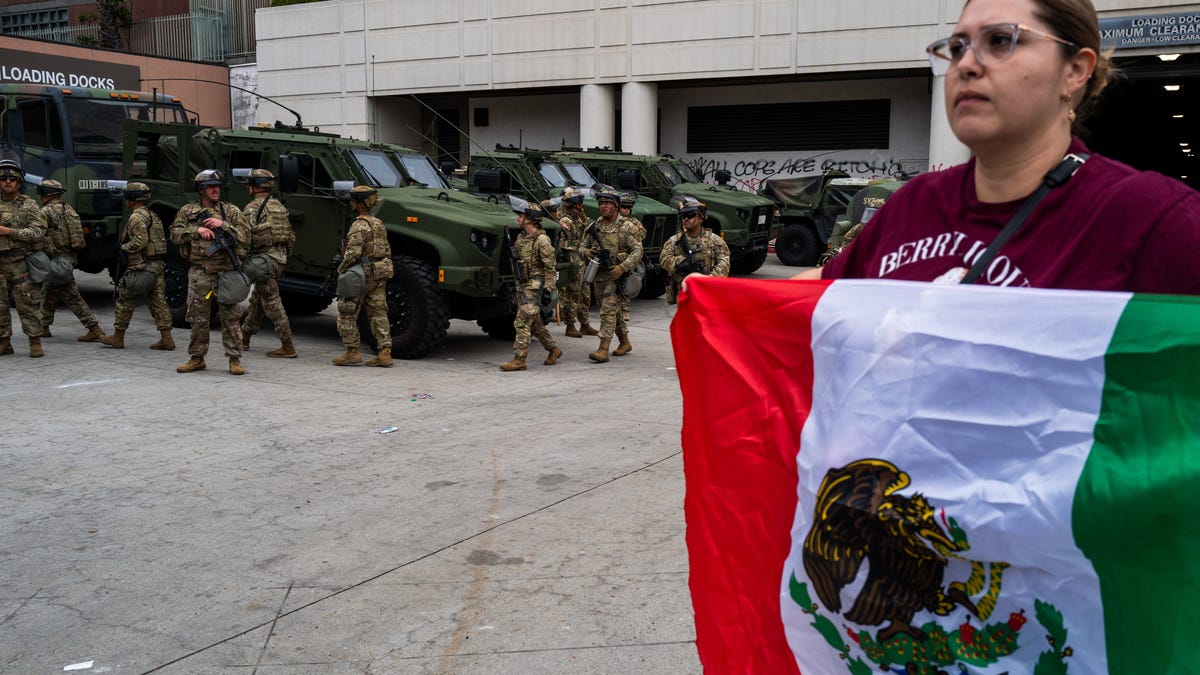
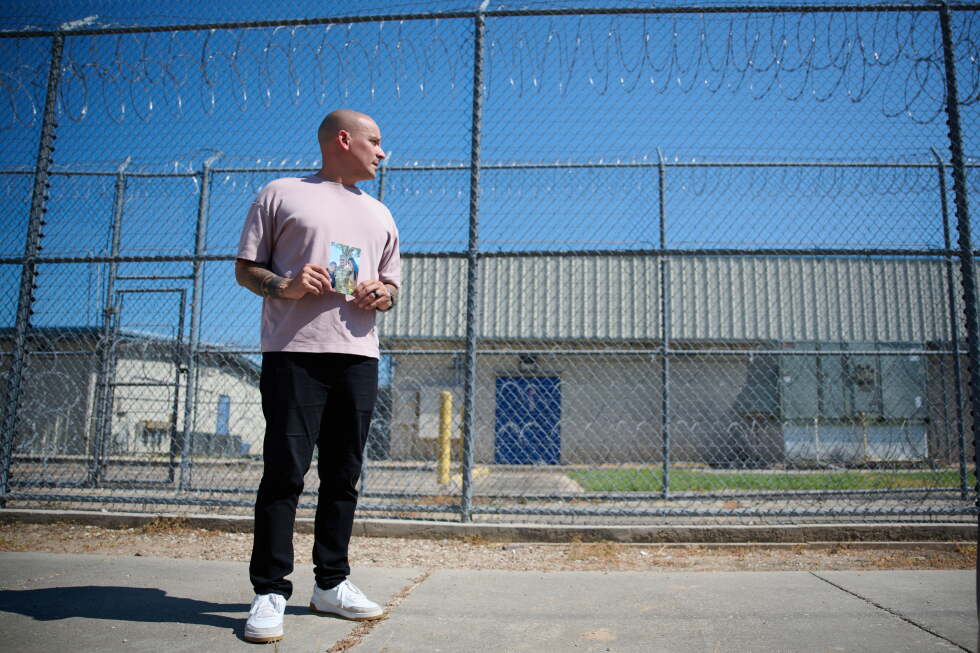
Echoes of history in Trump’s immigration sweepsPresident Donald Trump’s campaign promise of the largest mass deportation operation in U.S. history is at an inflection point. Americans are seeing what it looks like to round up, detain and deport thousands of people, particularly in the aftermath of the deaths this year of Renee Good and Alex Pretti, U.S. citizens protesting the actions in Minneapolis.The White House changed the leadership at the Department of Homeland Security as it reframes its approach. New Secretary Markwayne Mullin promised to keep the department off the front pages. But Trump is also under mounting pressure from conservative groups not to let up on the goal of deporting 1 million people a year. The president’s Republican allies in Congress are fueling the immigration and deportation actions with billions of dollars in special funds.