LifestyleMotoringDisabilityThe Blue Badge scheme allows disabled drivers and passengers to park closer to their destination13:45, 23 May 2026UK residents living with a disability or medical condition may be eligible to apply for a Blue Badge, allowing them to park closer to their destination.However, many motorists may not realise they could automatically qualify for the scheme. According to GOV.UK, a Blue Badge costs up to £10 in England and £20 in Scotland, while Welsh residents receive it free of charge. The badge is typically valid for up to three years, and holders must reapply before their current badge expires. So, who is eligible for a Blue Badge?Who can automatically get a Blue Badge?You automatically qualify for a Blue Badge if you are aged 3 or over and at least one of the following applies:You receive the higher rate of the mobility component of the Disability Living Allowance (DLA)You receive a Personal Independence Payment (PIP) because you can’t walk more than 50 metres (a score of 8 points or more under the ‘moving around’ activity of the mobility component)You are registered blind (severely sight impaired)You receive a War Pensioners’ Mobility SupplementYou have received a lump sum benefit within tariff levels 1 to 8 of the Armed Forces and Reserve Forces (Compensation) Scheme and have been certified as having a permanent and substantial disability that causes inability to walk or very considerable difficulty in walkingYou receive the mobility component of PIP and have obtained 10 points specifically for descriptor E under the ‘planning and following journeys’ activity, on the grounds that you are unable to undertake any journey because it would cause you overwhelming psychological distressGOV.UK states: "If you have any score other than 10 points under descriptor E, in the ‘planning and following journeys’ activity of PIP you may still be eligible for a Blue Badge, but you do not automatically qualify."This includes if you have a higher score of 12. You will have to provide evidence to demonstrate your eligibility, which will be assessed as part of your application."There are other groups who could also get a Blue BadgeYou may be eligible for a badge if one or more of the following applies:You cannot walk at allYou cannot walk without help from someone else or using mobility aidsYou find walking very difficult due to pain, breathlessness or the time it takesWalking is dangerous to your health and safetyYou have a life-limiting illness, which means you cannot walk or find walking very difficult and have a SR1 formYou have a severe disability in both arms and drive regularly, but cannot operate pay-and-display parking machinesYou have a child under the age of 3 with a medical condition that means the child always needs to be accompanied by bulky medical equipmentYou have a child under the age of 3 with a medical condition that means the child must always be kept near a vehicle in case they need emergency medical treatmentYou are constantly a significant risk to yourself or others near vehicles, in traffic or car parksYou struggle severely to plan or follow a journeyYou find it difficult or impossible to control your actions and lack awareness of the impact you could have on othersYou regularly have intense and overwhelming responses to situations causing temporary loss of behavioural controlYou frequently become extremely anxious or fearful of public/open spacesYour local council decides whether you can get a badge. It can take 12 weeks or longer. If you’re refused and disagree with the decision, you can appeal.It writes: "Your local council will decide if you are eligible for a badge. They cannot start the assessment process until they have all the necessary evidence."It may take 12 weeks or longer to assess your application. If they decide that you are not eligible and you think that they did not take account of all the facts, you can ask them to consider your application again."How do I apply for a Blue Badge in the UK?You can apply for yourself or on behalf of somebody else. You can also apply if you're an organisation that transports people who need a Blue Badge.You can apply or renew it here. There’s a different way to apply if you’re in Northern Ireland.When applying for a badge, you will need to provide:Proof of identityProof of addressA recent head and shoulders digital photoYour national insurance number (if you have one)Contact details (phone number, email and postal address)To prove your identity, you can provide a copy of either:Article continues belowBirth or adoption certificatePassportDriving licenceMarriage or civil partnership certificateDivorce or dissolution certificateTo prove your address, you can provide a copy of either:A recent council tax billA recent letter from a government department such as Department for Work and Pensions (DWP)Driving licenceA recent letter from a school (if you are under 16)Choose Daily Mirror as a 'Preferred Source' on Google News for quick access to the news you value.DisabilityDisability rightsCarsParking tickets
Drivers who could get a Blue Badge for common medical conditions
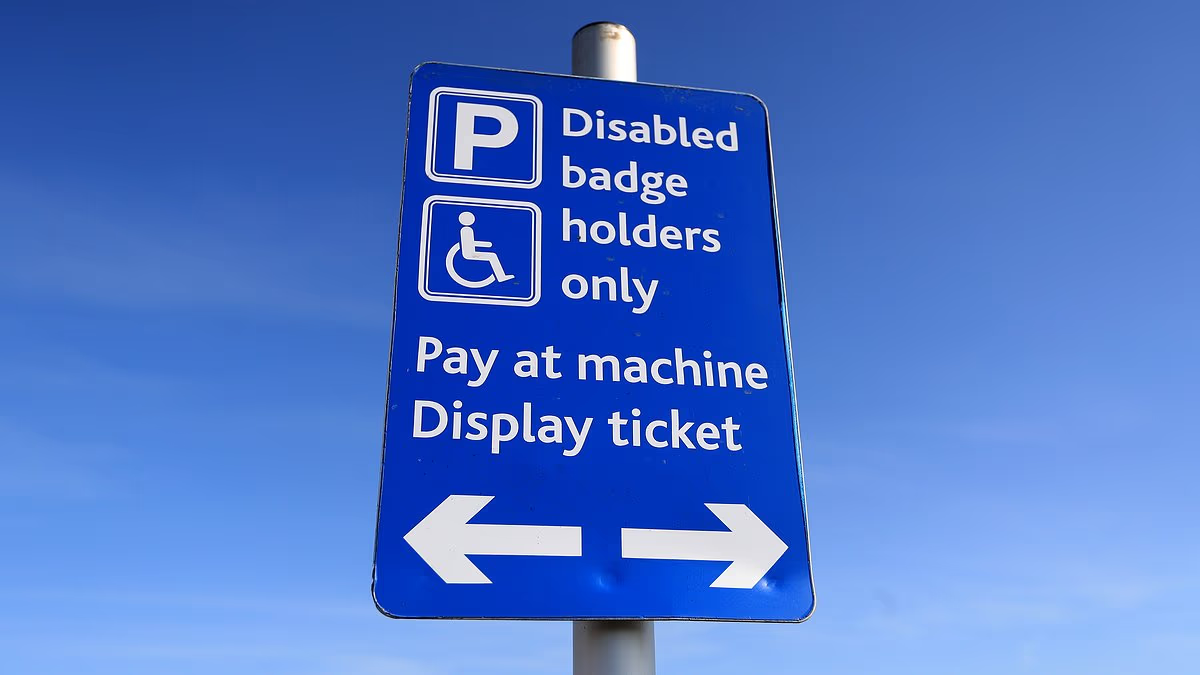
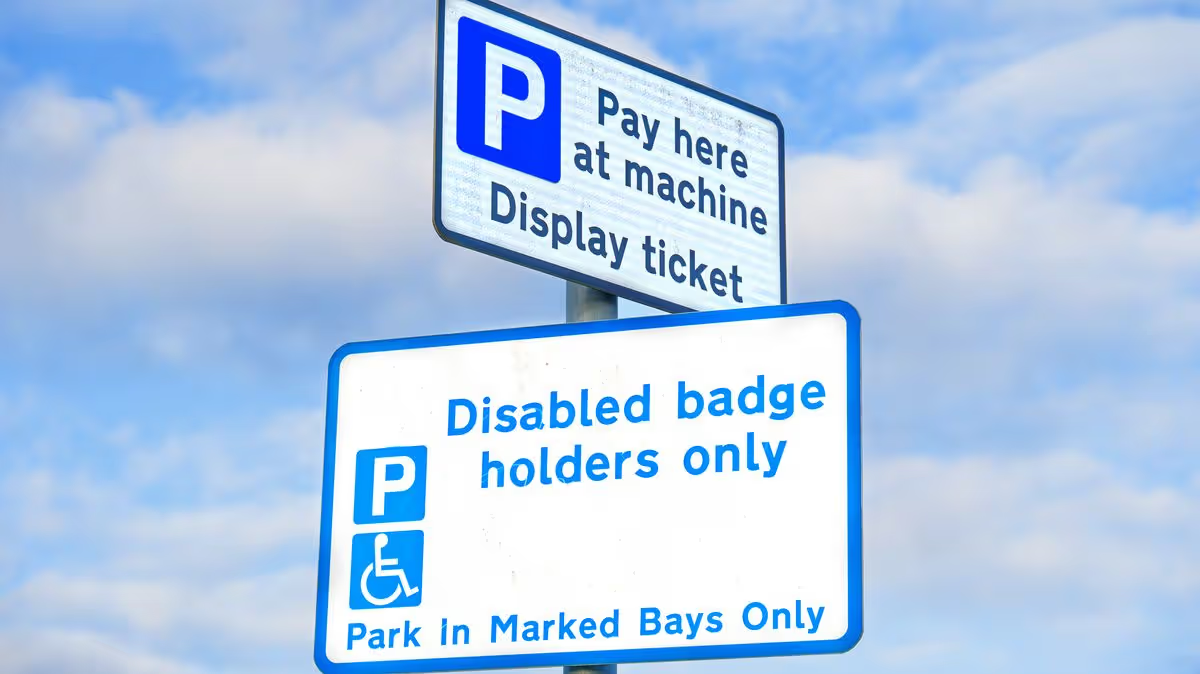
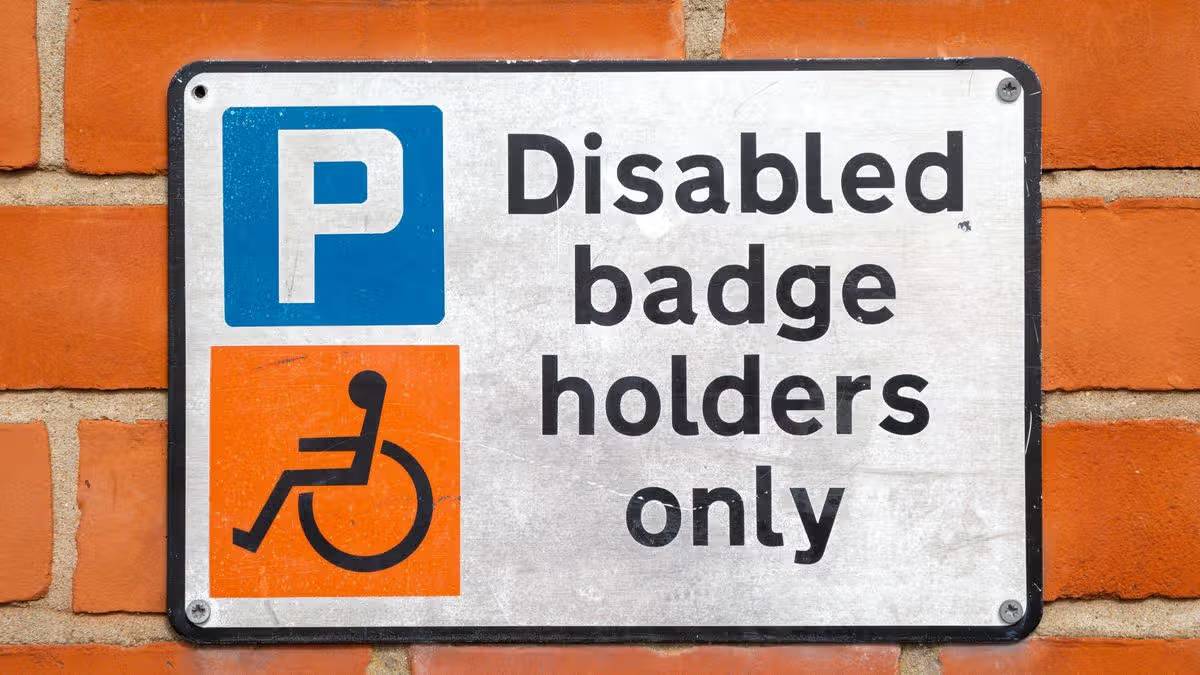
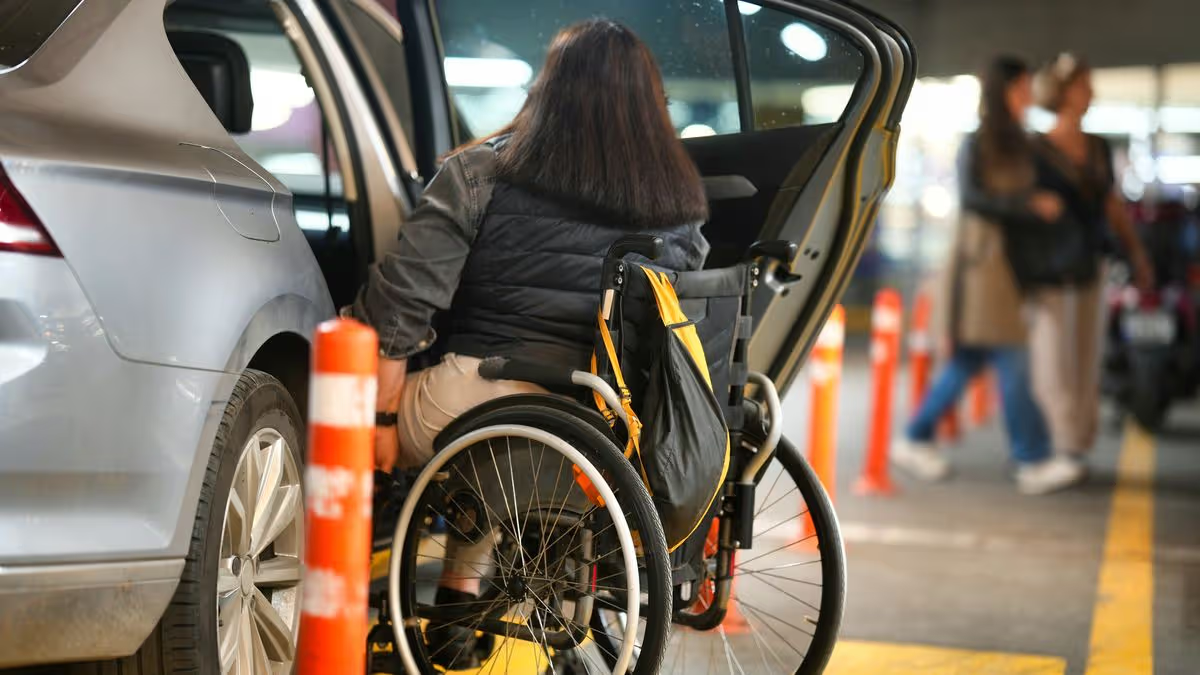
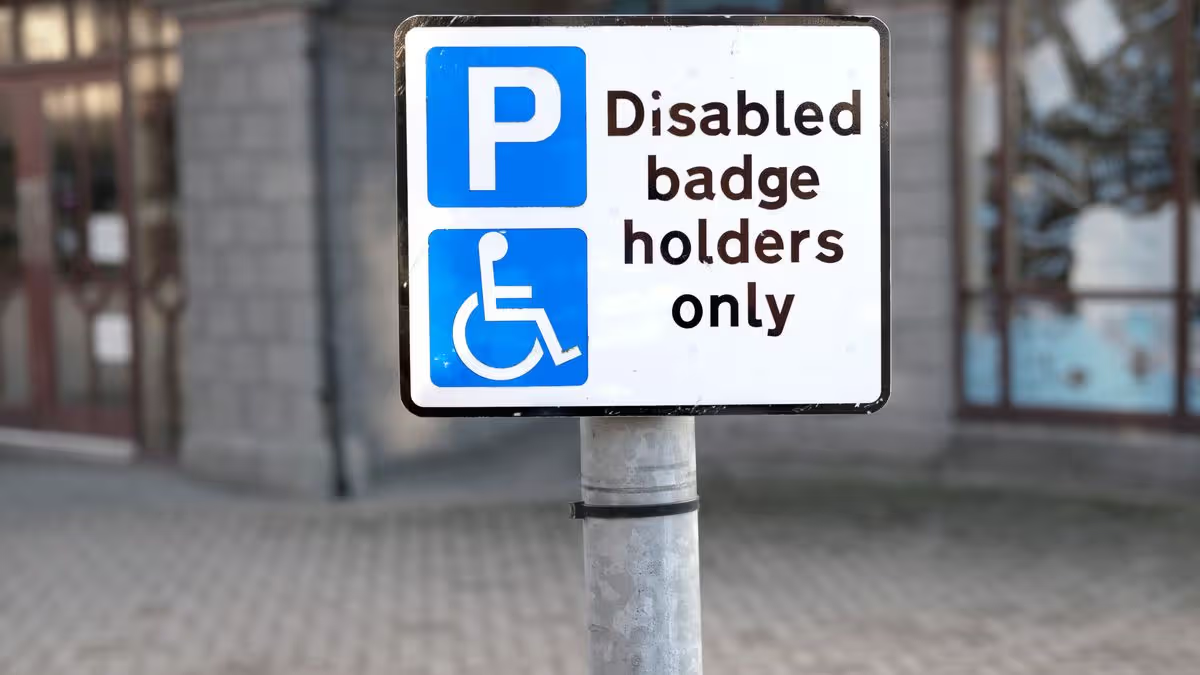
The Blue Badge scheme allows disabled drivers and passengers to park closer to their destination
814 words~4 min read