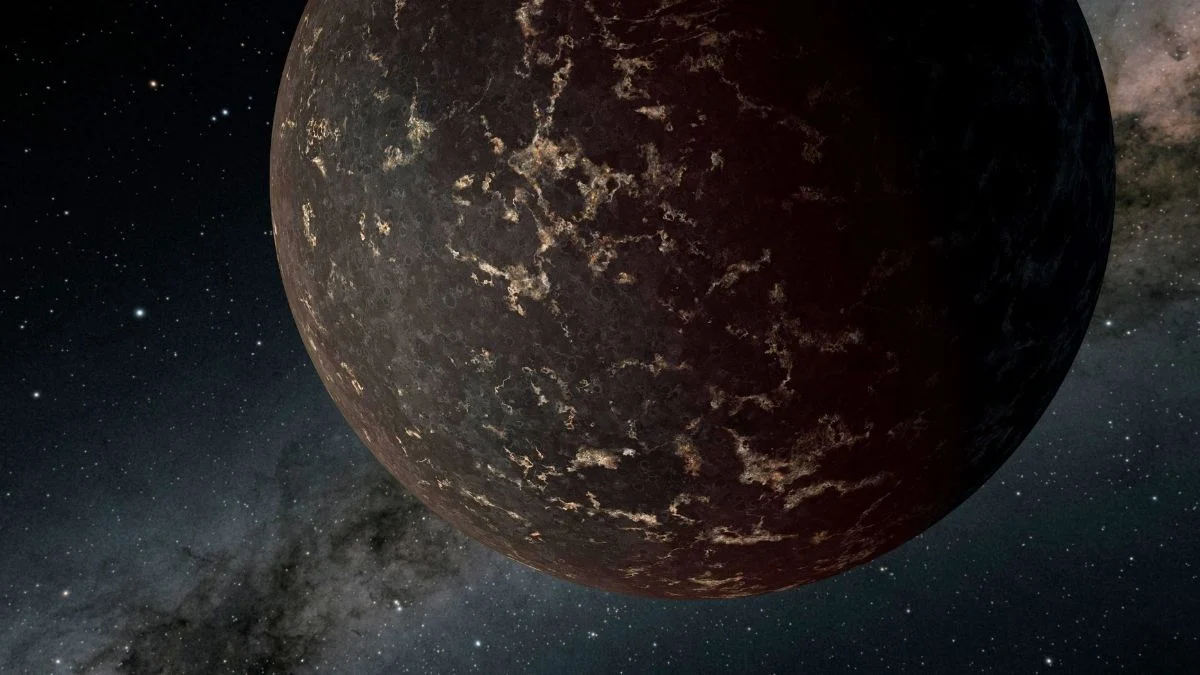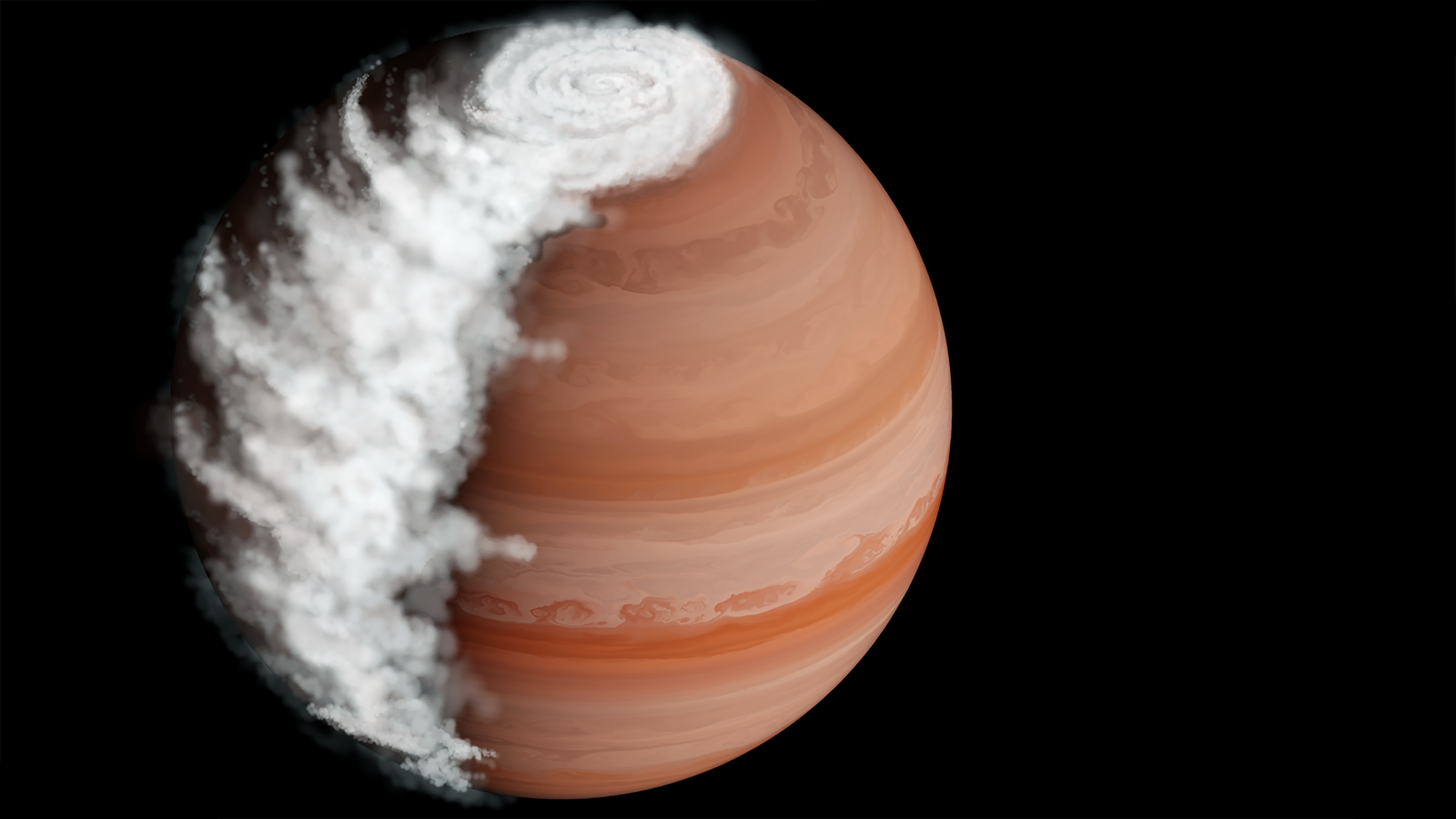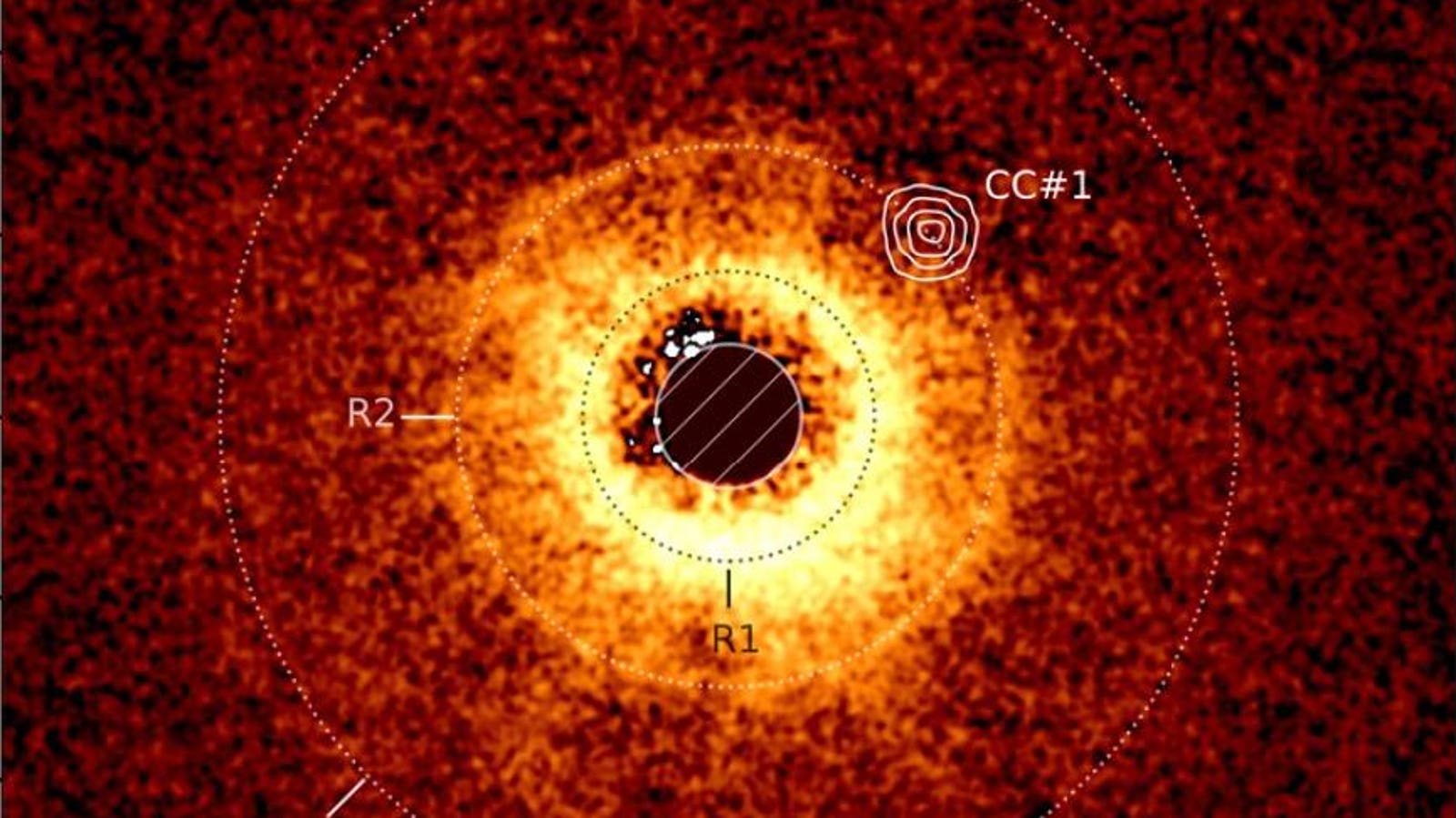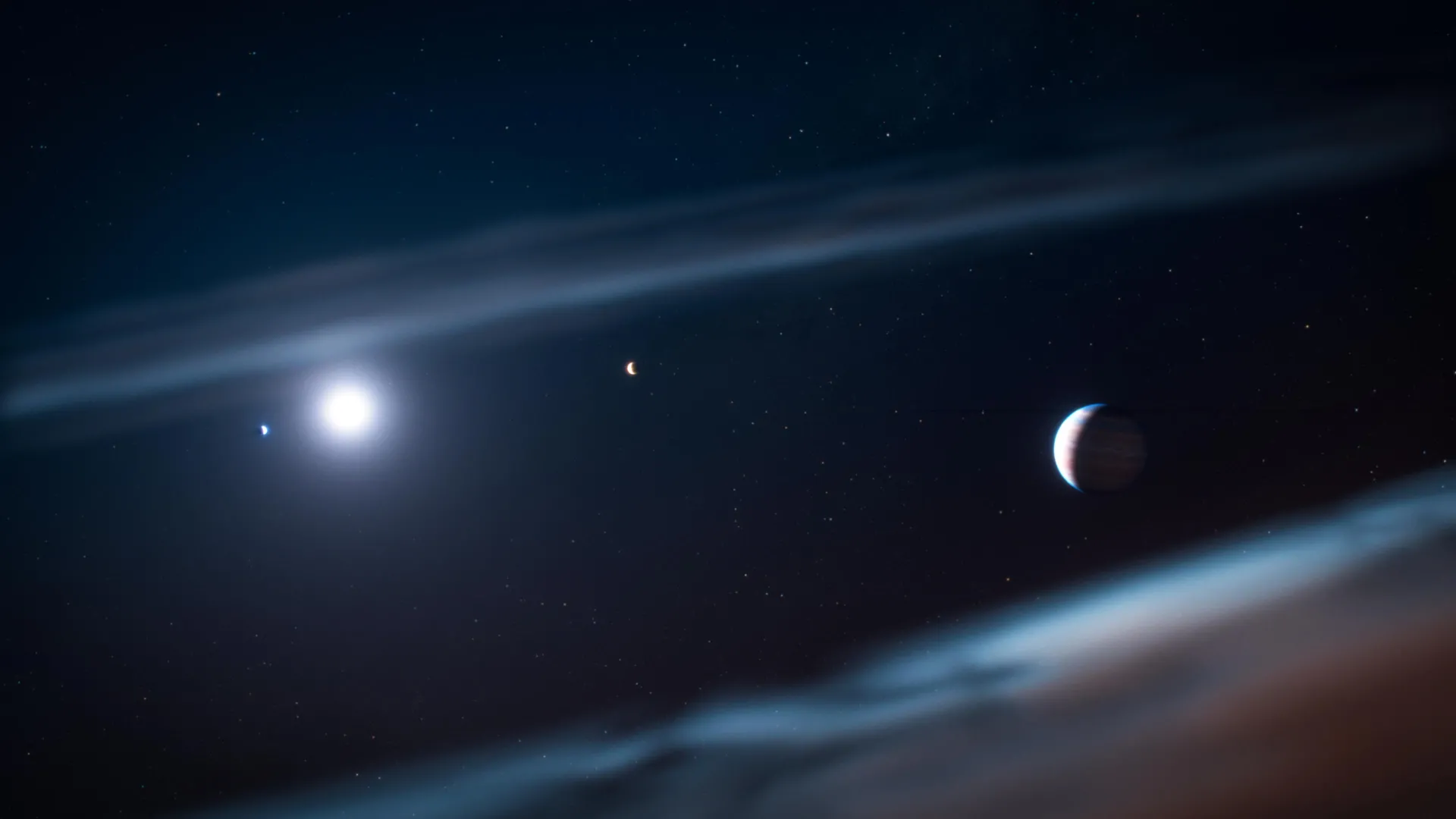
Image by Emre Can Acer via Pexels | Not representative
Scientists using NASA’s James Webb Space Telescope (JWST) have spotted a planet that looks and behaves in ways no one expected. Webb is the world’s most powerful infrared space telescope, developed by NASA with the European Space Agency (ESA) and Canadian Space Agency (CSA). Unlike optical telescopes, Webb mainly observes infrared light — electromagnetic radiation with wavelengths longer than visible red light — allowing it to study cool planets, dusty regions, and distant galaxies invisible to ordinary telescopes.
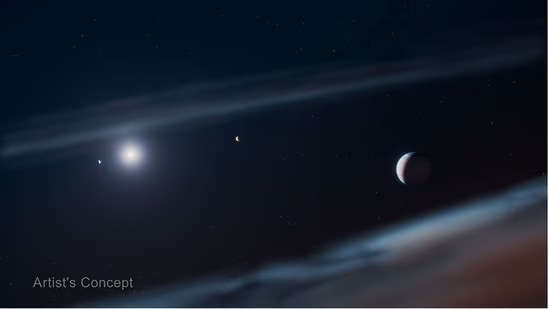
The planet, called PSR J2322-2650b, is about the same mass as Jupiter but orbits a pulsar. A pulsar is a rapidly spinning neutron star — the ultra-dense collapsed core left behind after a massive star explodes in a supernova. Although neutron stars can contain more mass than the Sun, they are only about the size of a city. Pulsars emit beams of electromagnetic radiation from their magnetic poles, and as they rotate, those beams sweep through space like a lighthouse beam. This discovery is unusual because only a handful of planets have ever been found around pulsars, and none of them resemble this one.
PSR J2322-2650b has an atmosphere made mostly of helium and carbon. An atmosphere is the layer of gases surrounding a planet, held in place by gravity. Scientists study atmospheres by examining how light interacts with them, since different gases absorb specific wavelengths that reveal their chemical makeup. Instead of the usual molecules seen on exoplanets — planets beyond our Solar System — such as water or methane, scientists detected molecular carbon, specifically C₂ and C₃. Molecular carbon consists entirely of carbon atoms bonded together and is extremely unusual in planetary atmospheres, where carbon normally combines with oxygen or hydrogen to form compounds such as carbon dioxide or methane.