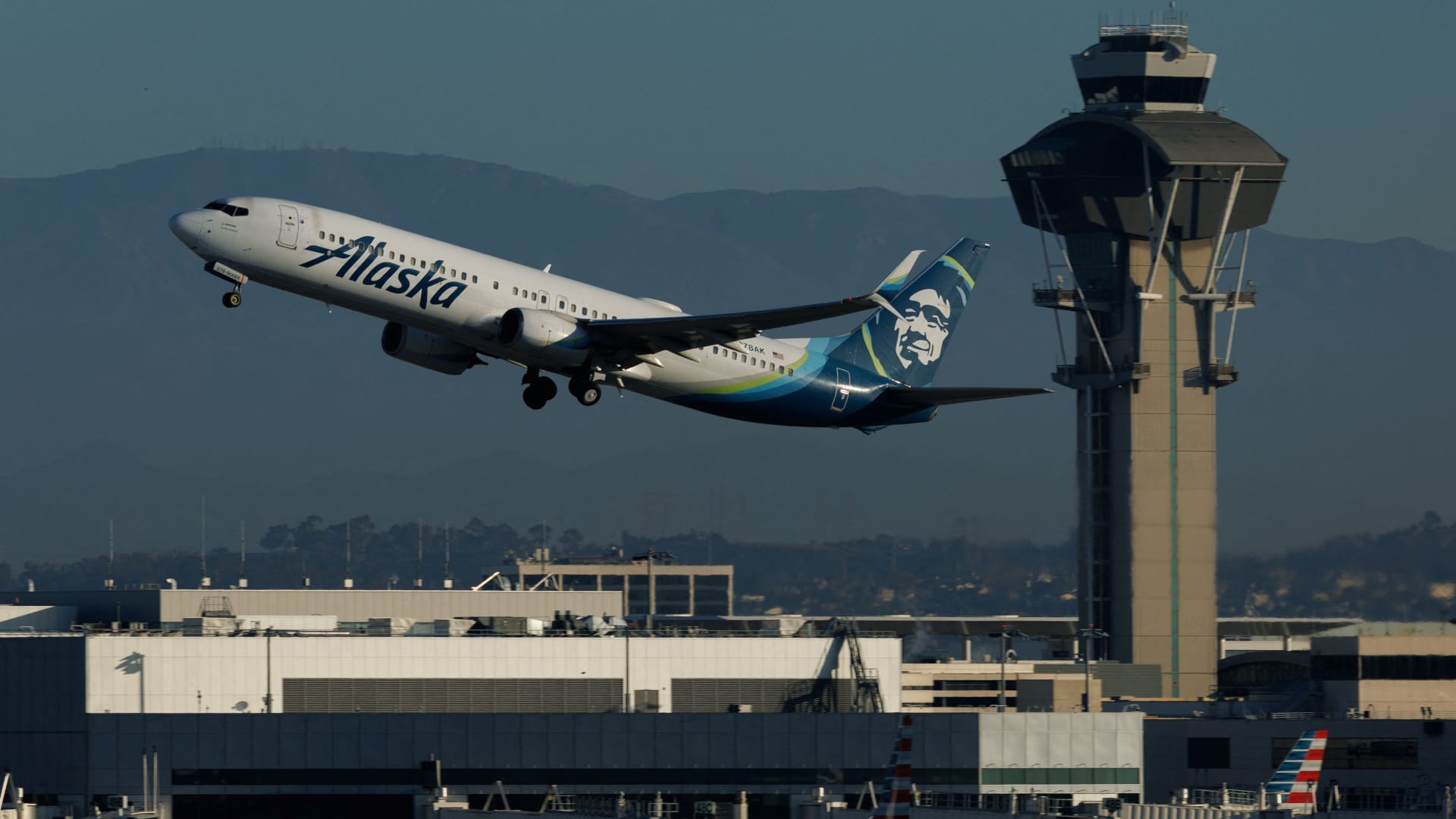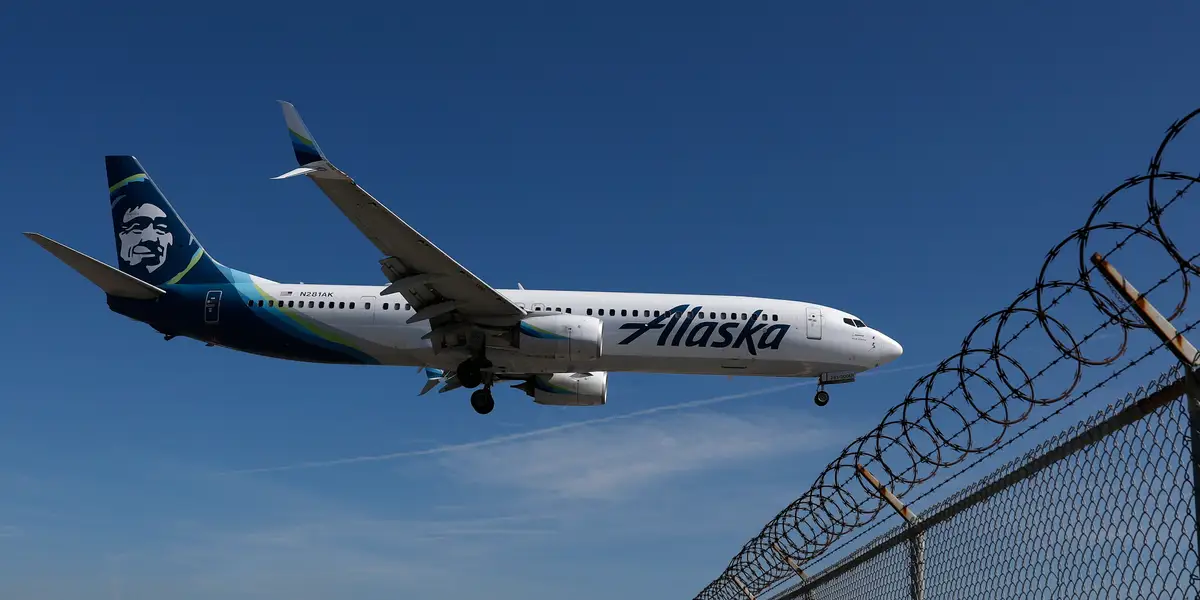
An Alaska Airlines executive said most carriers are absorbing up to 50% of increased jet fuel costs.
Justin Sullivan/Getty Images
Despite rising fuel costs, Alaska Airlines is pushing ahead with its plan to attract more premium passengers as it celebrated the launch of its newest route atop a London skyscraper on Thursday evening.The Seattle-to-London service is part of a rapid European expansion, following last month's launch of Alaska's first-ever transatlantic route, to Rome. A third service, to Iceland, is set to begin next week.But it comes at a cautious time for the industry since the Iran war sent jet fuel prices skyrocketing."You've seen a very significant drive to get airfares up," Andrew Harrison, Alaska's chief commercial officer, told Business Insider. "I think on average, most carriers, even what we're selling today, are still only covering 50, 60, 70% of the increased cost of fuel."While most European airlines hedge against fuel costs using financial derivatives, most US carriers do not, leaving them more exposed to the surge in prices. Fuel is typically an airline's second-highest expenditure, after labor.United Airlines plans to "fully offset the increase in fuel prices," but that would require an extra 8.5 percentage points of revenue for each seat it flies, CEO Scott Kirby said in March.Even with higher airfares and checked bag fees, Harrison's comments show how fuel costs are still eating into most airlines' profits.