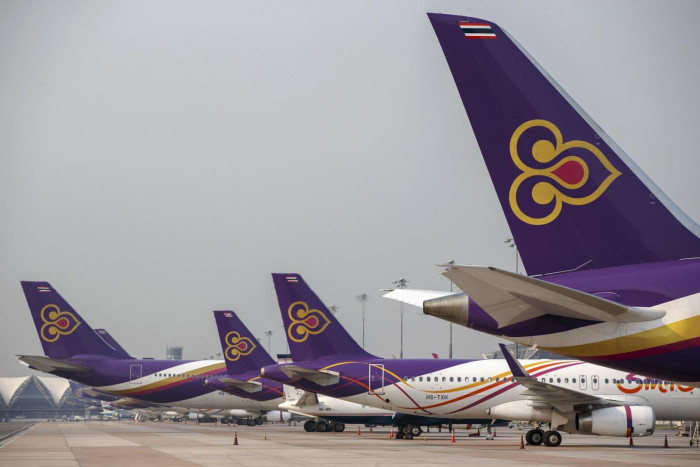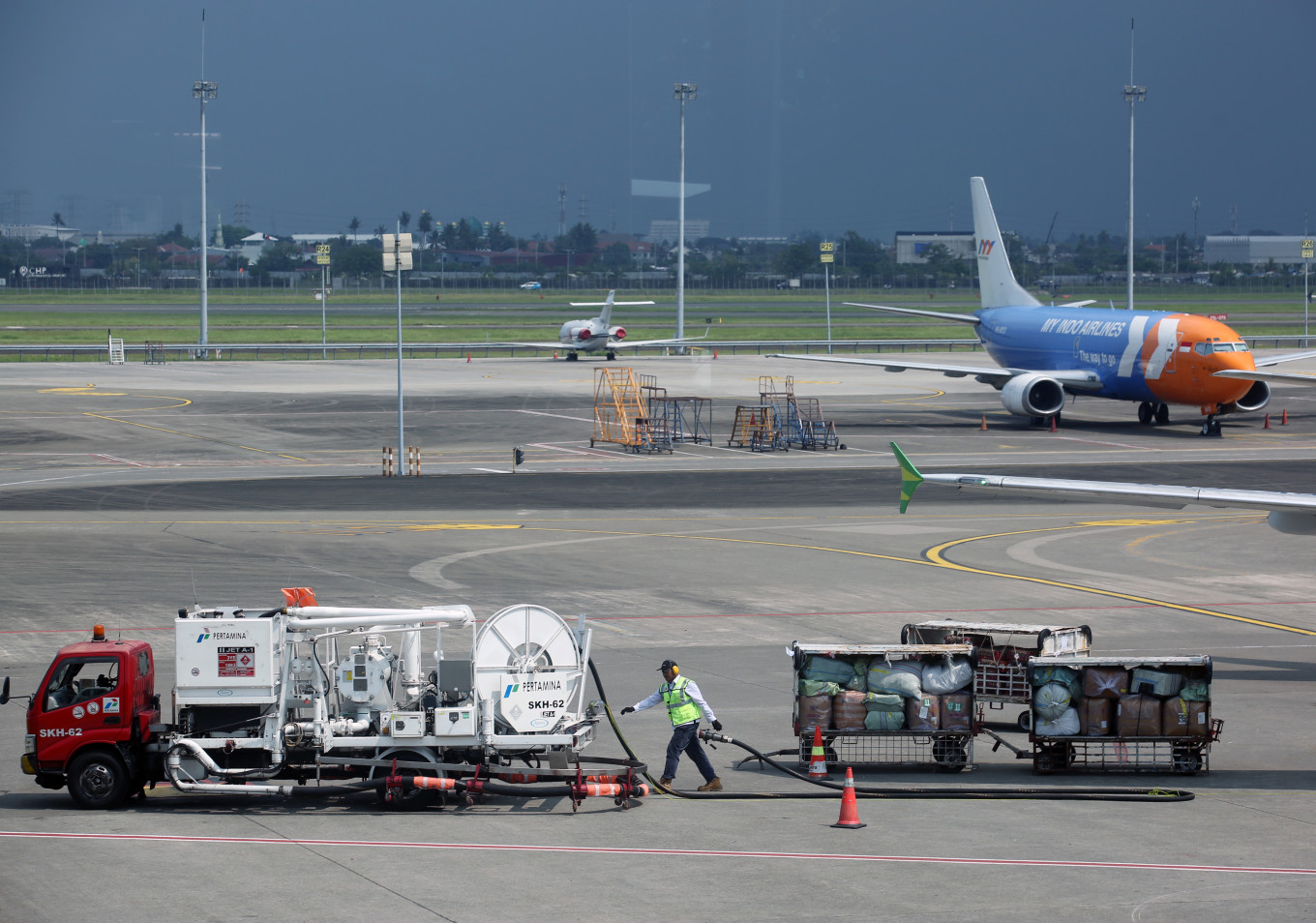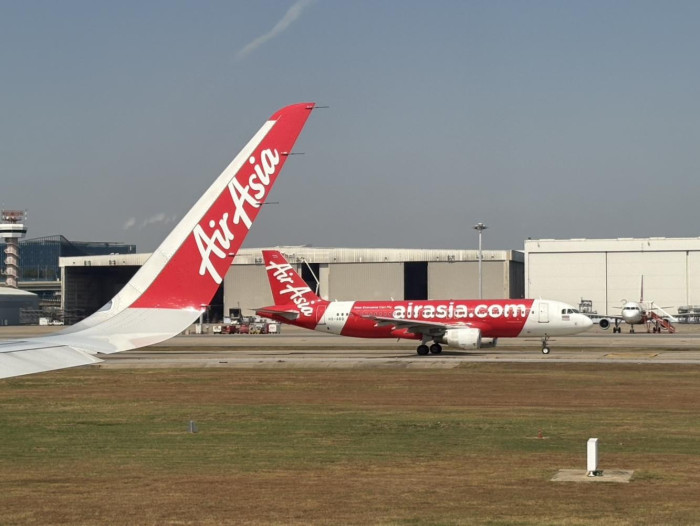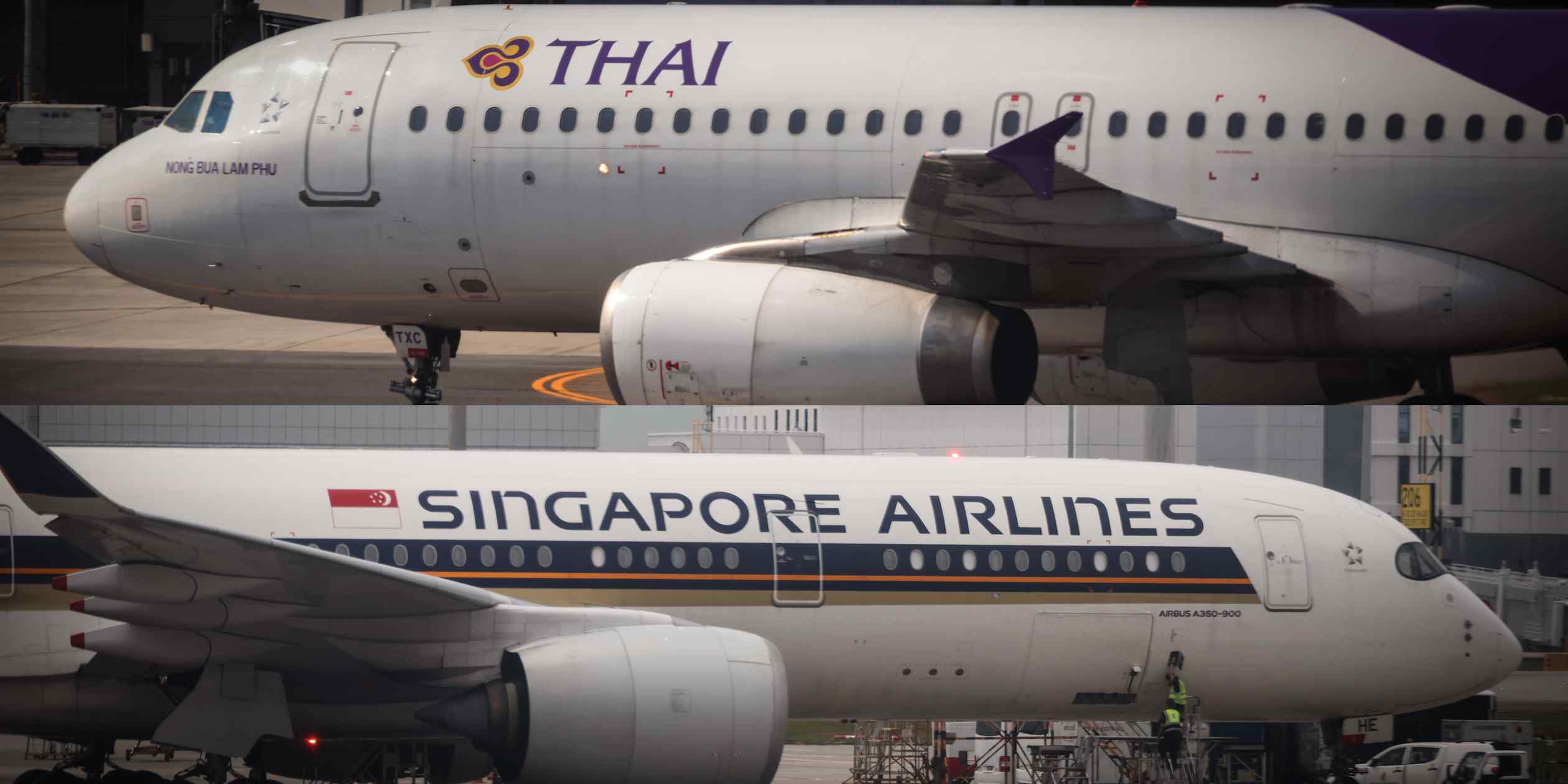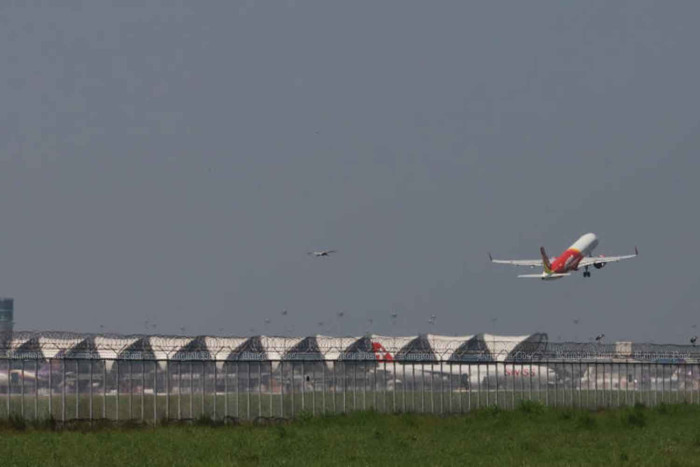
Despite increased airfares, airlines have been unable to absorb rising jet fuel costs during the summer period, with this expense increasing from 30-35% of operational costs to 60% in May.Anawat Leelawatwatana, senior vice-president for finance and accounting at SET-listed Bangkok Airways, said the airline already cancelled or reduced capacity on routes with low demand and profitability in the first half. These include Bangkok-Phnom Penh, which was reduced from three to one daily flight using smaller ATR72-600 jets, while Bangkok-Phuket was cut from six to five daily flights and Bangkok-Krabi was trimmed from three to two daily flights.
He said hedged fuel ac- counted for 25-26% of the volume required for flight operations from the second to the fourth quarter.
Although the company secured a hedging price of around US$80 per barrel, roughly the same level as before the Gulf conflict, the surge to $160-170 is considered excessive, and increases in fuel surcharges and airfares cannot offset the additional costs, said Mr Anawat.
In an effort to balance airfares with demand, while operating more smaller aircraft with lower fuel consumption rates, Bangkok Airways is adding two ATR72-600 jets to its fleet by the end of this year, along with one or two Airbus A319 or A320 planes, depending on lease negotiations. These additions would increase the fleet to 22-26 aircraft, he said.