Shan Elahi / Unsplash
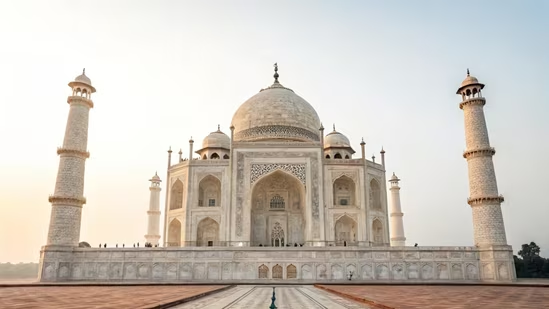
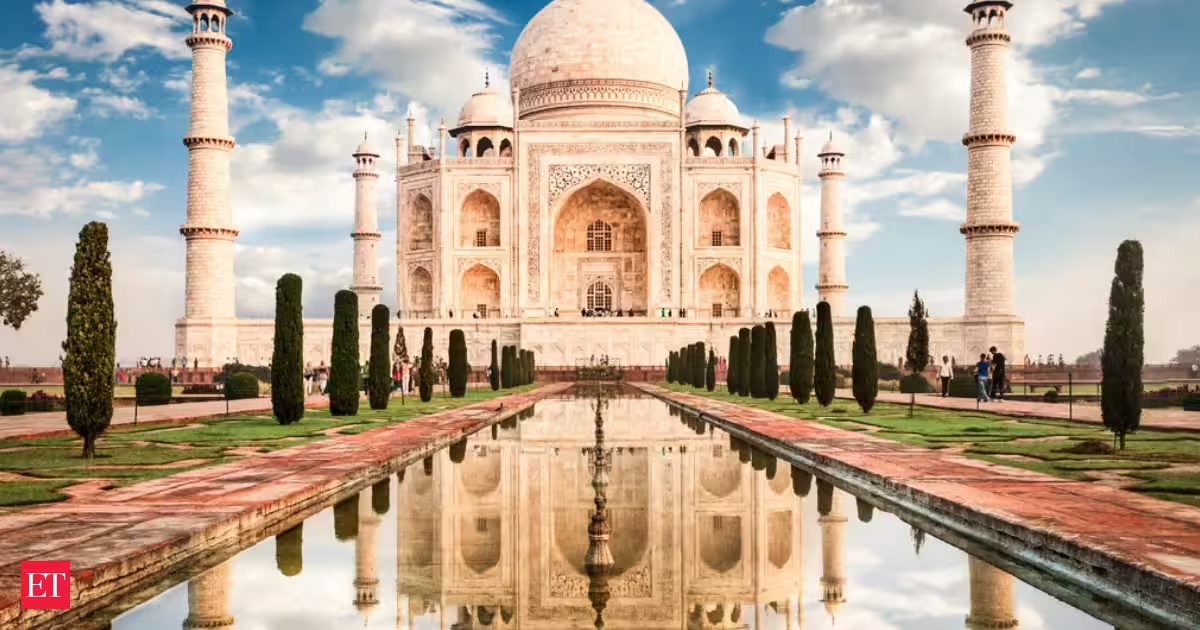
Emperor Shah Jahan commissioned the Taj Mahal in the 17th century as a monument to his wife Mumtaz Mahal, but its significance has long since exceeded the personal grief that produced it. UNESCO recognizes the ivory-white marble mausoleum as a World Heritage Site, the global travel community counts it among the New Seven Wonders of the World, and visitors from across the planet make Agra a destination specifically to stand before a building that photographs have made universally familiar but cannot adequately prepare anyone to experience it on a full scale. The gardens, the reflecting pools, the calligraphy panels, and the inner mausoleum where the emperor and empress rest together reward the extended, guided attention that a walk-through on your own rarely produces.
Timing matters significantly at the Taj Mahal. The site opens to visitors at sunrise, and the early morning light across the white marble changes in quality minute by minute as the sun rises, a visual experience that crowds at midday and afternoon cannot replicate. Nocturnal access opens in limited capacity on full moon nights for those whose schedules align. Children aged 15 and younger enter free, and online ticket purchases receive a discount compared to buying at the gate. Tickets to the main mausoleum require a separate purchase beyond general site admission.