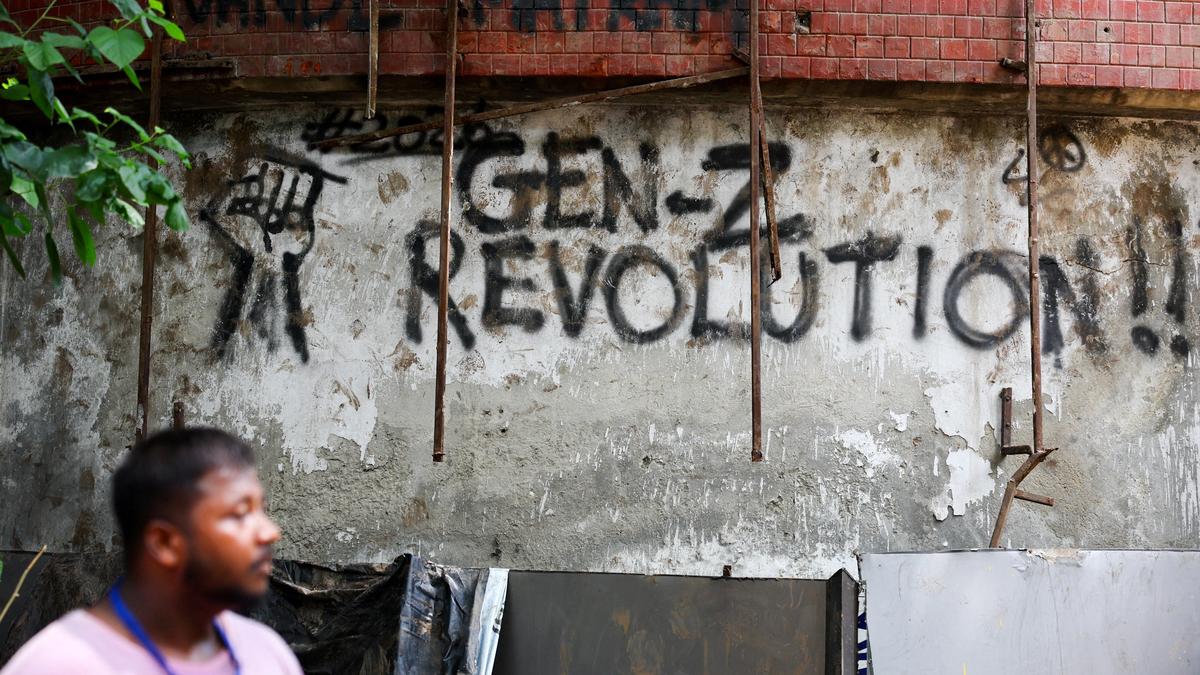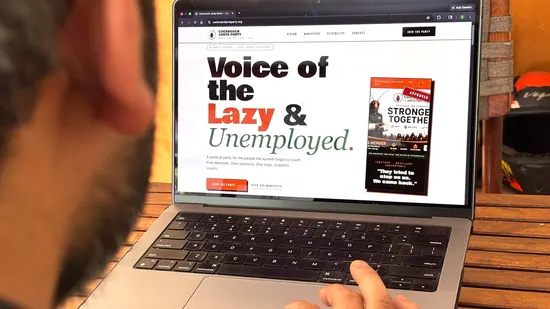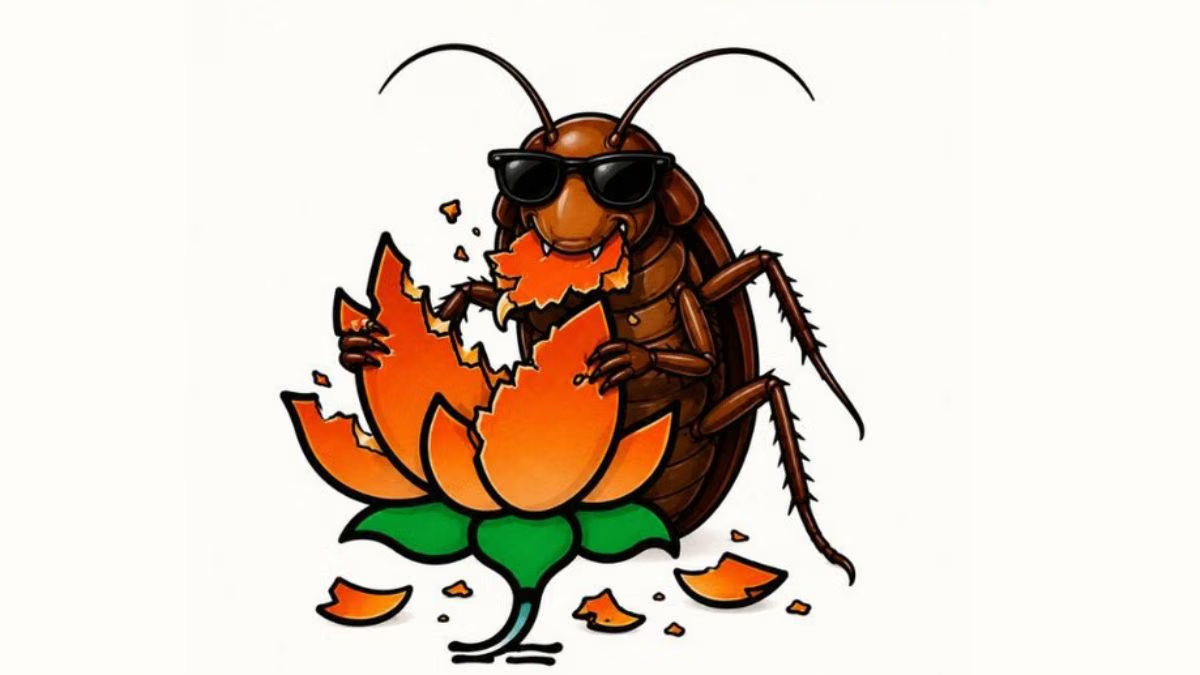
New Delhi’s traditional newsrooms hardly have a clue about the typhoon currently ripping through Maharashtra’s Chhatrapati Sambhajinagar or the countless other cities across the country. They’re staring at the rise of the Cockroach Janata Party and dismissing it as “Gen-Z noise” or a social media fever. That’s a massive blunder. Walk into any cafe in Sambhajinagar, listen to the youth deliberating over their cappuccinos, and the failure of our political elite and analysts is glaring. We’re witnessing the most significant structural pivot in Indian politics since 1991. This isn’t just a digital insurgency; it’s a key moment in Indian politics. We’ve ditched the 18th-century mass mobilisation for the era of algorithmic sovereignty.
Look at the numbers. As of 22 May 2026, the CJP has officially overtaken the BJP on Instagram, with over 20 million followers and counting. The BJP’s digital machinery still operates on the old doctrine of “message redundancy.” As journalist Swati Chaturvedi writes in her book, I am a Troll, it is characterised by brute force, massive budgets, and a top-down broadcast model that clogs your feed. The CJP, with barely any posts, have traded the old-school physical Karyakarta for the attention capital.In the 20th century, the exercise of power was mainly about the number of bodies that could take to the street. Today, it’s about hijacking collective screen time. The CJP has proven that attention is volatile as it moves across platforms instantly. Traditional “IT cells” can’t counter it, as there’s no headquarters to raid and no specific leadership to be bought off. It’s a ghost party—a decentralised, autonomous organisation that is everywhere and nowhere.