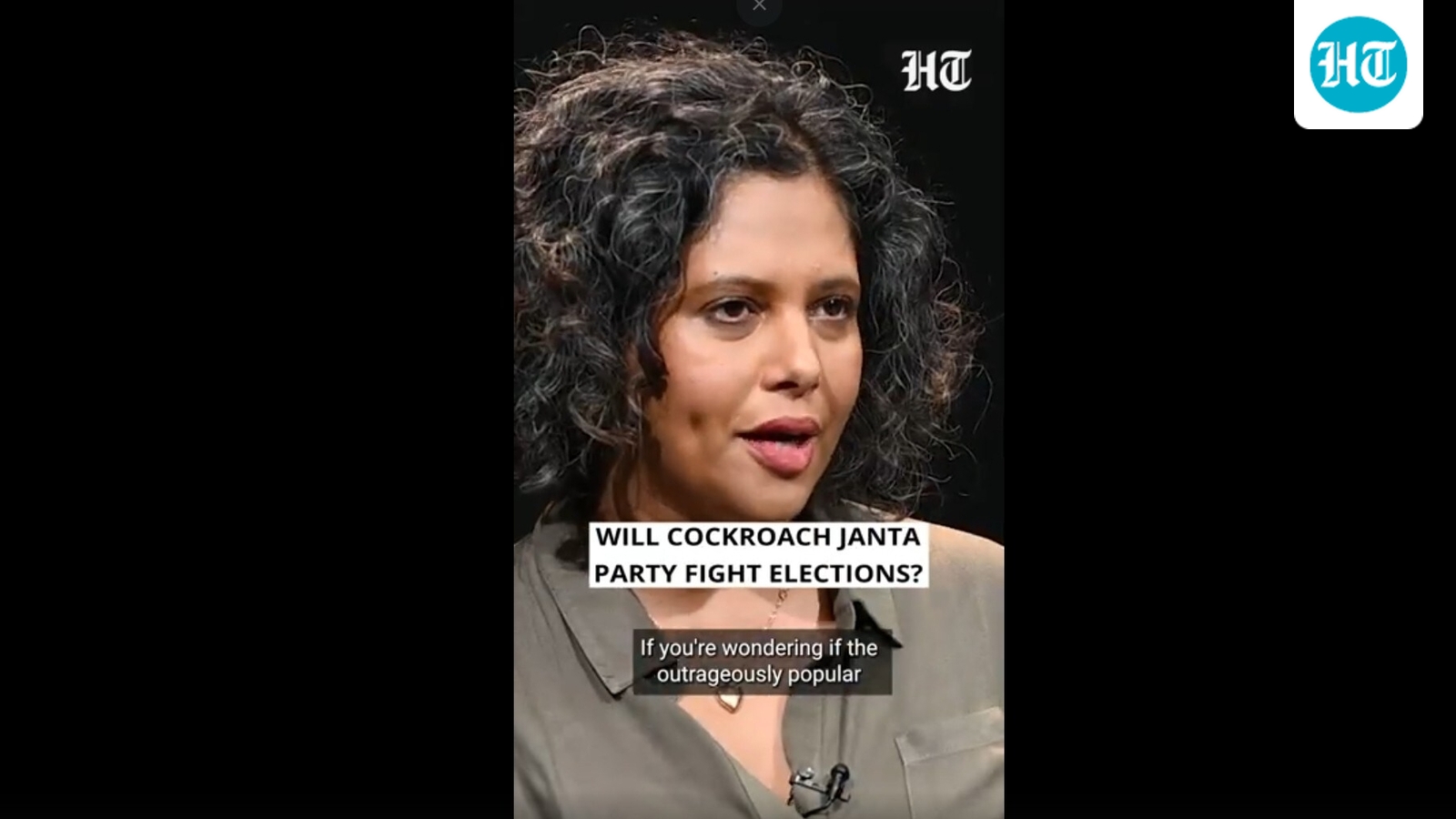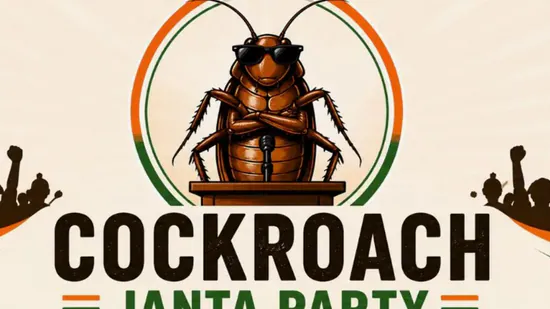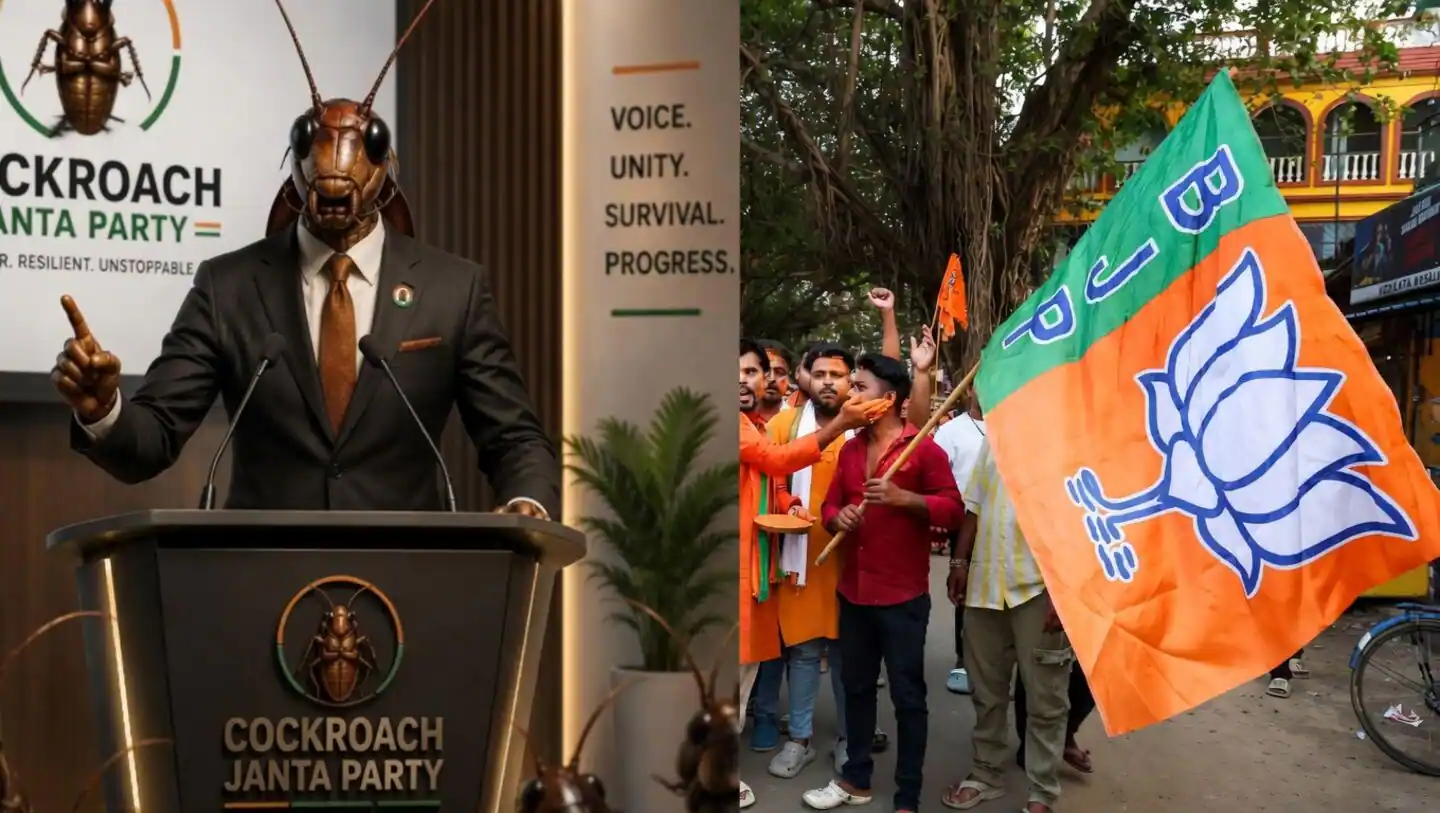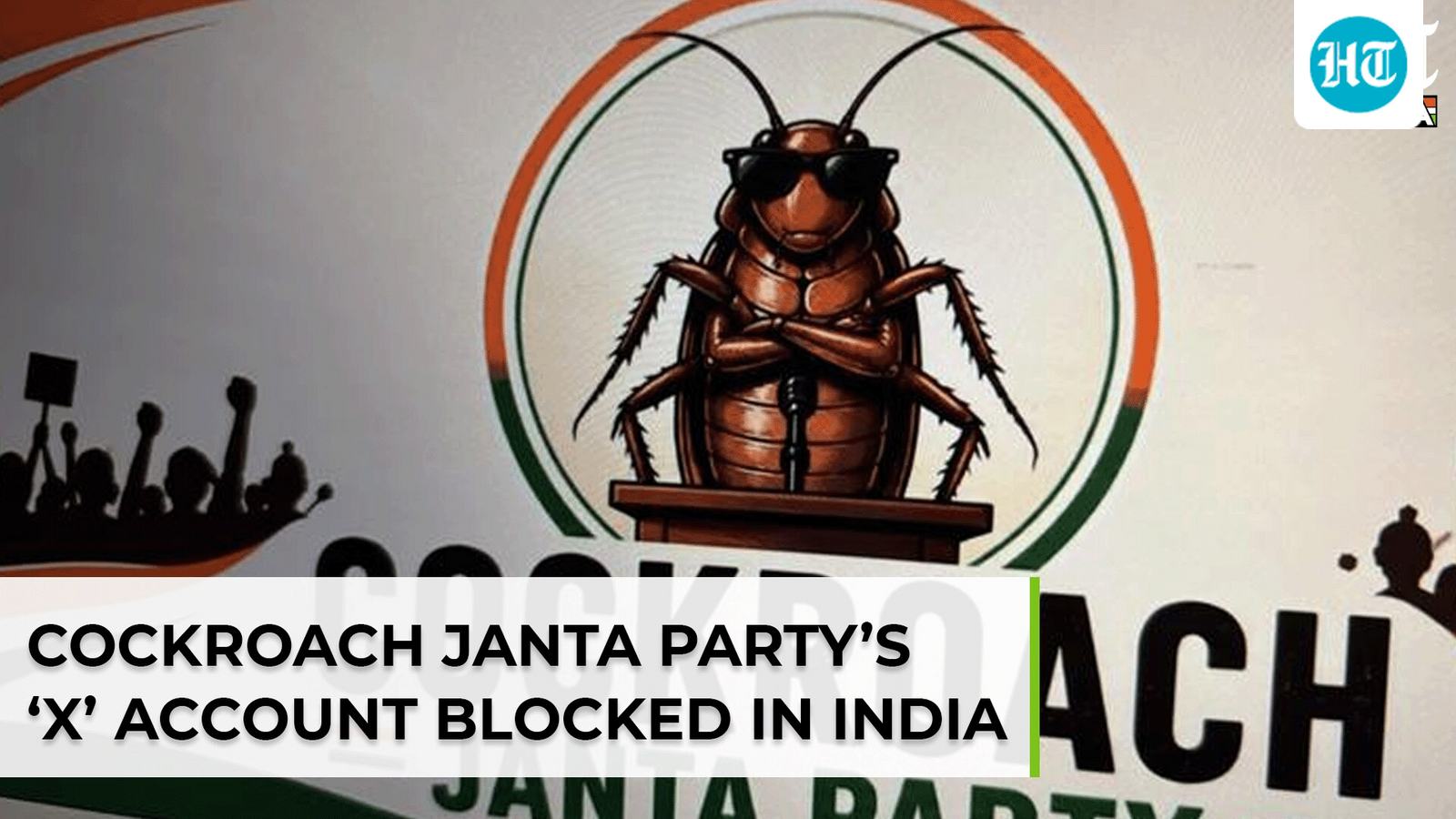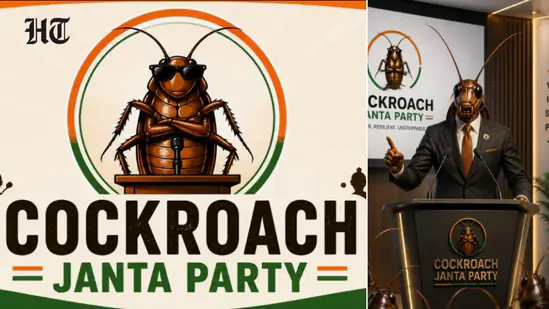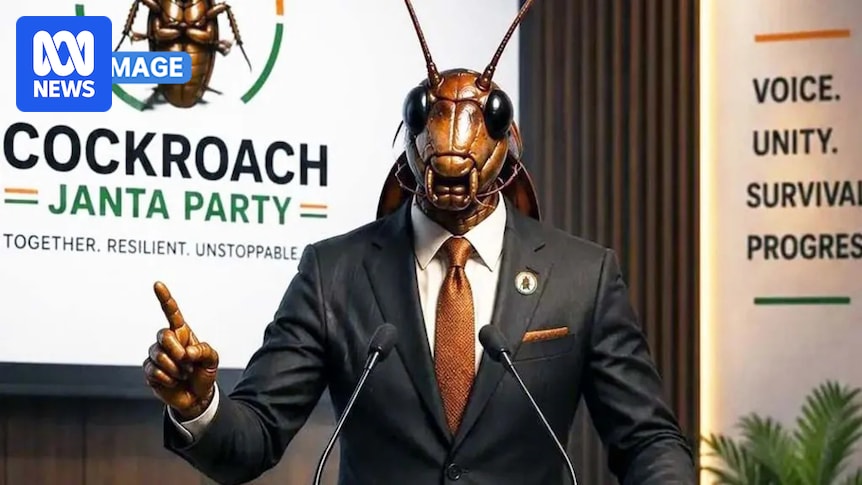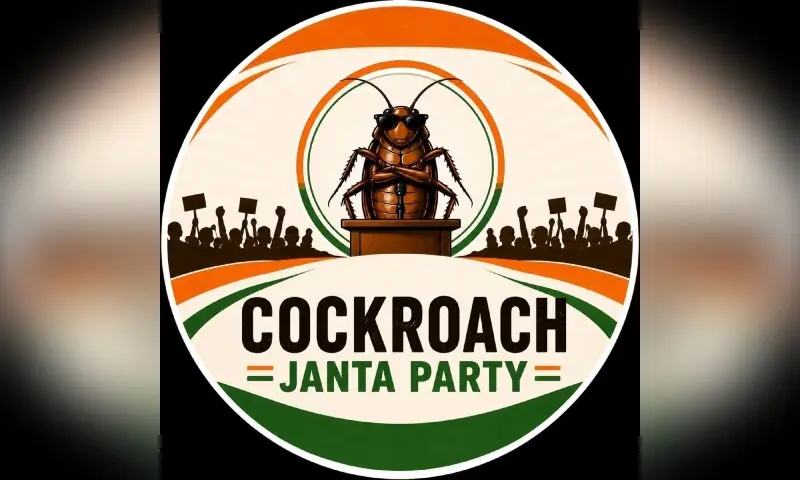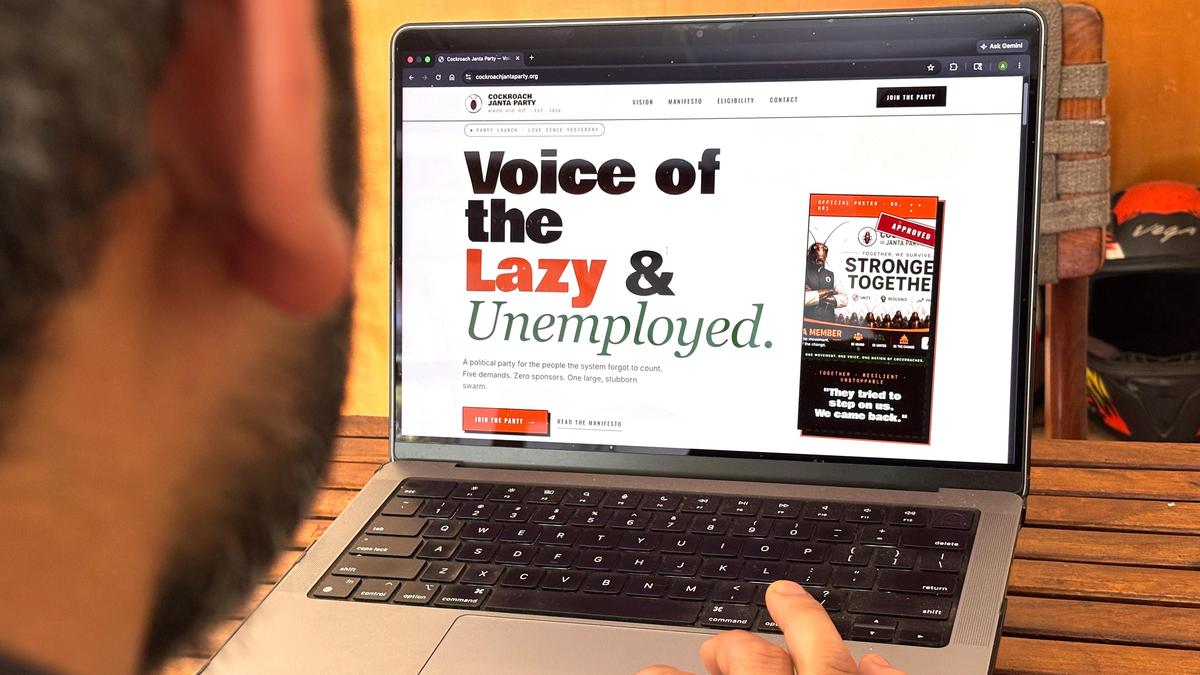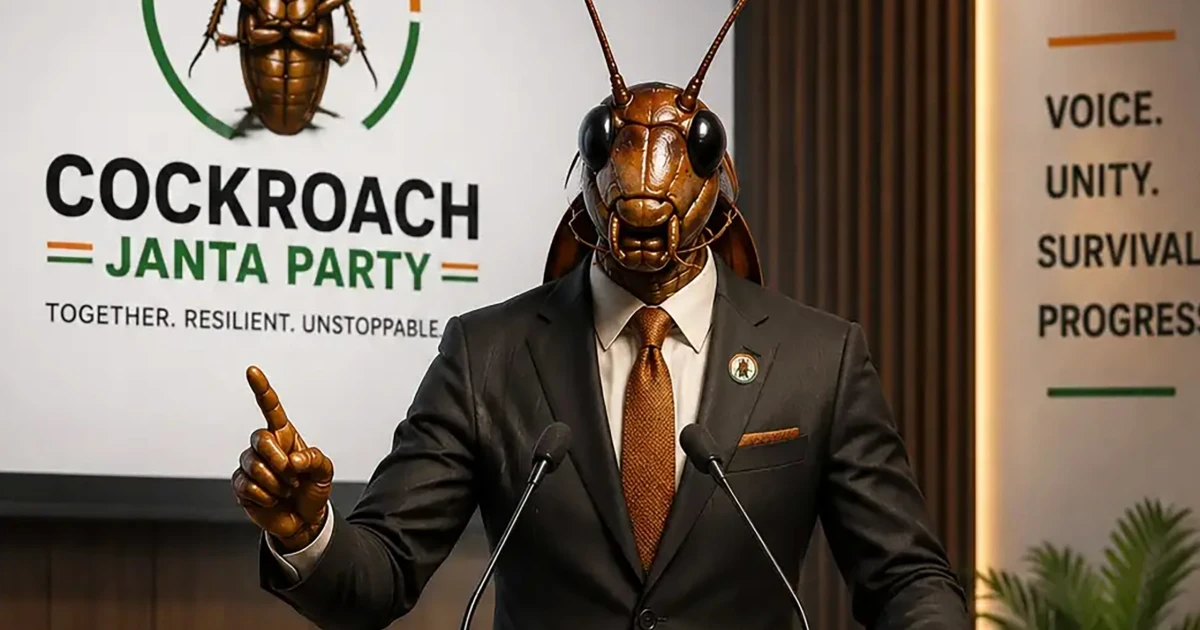
A satirical online movement called the Cockroach Janta Party (CJP) is rapidly turning into one of India’s biggest social media talking points. With follower numbers soaring past several established political parties on Instagram, the group has triggered a larger debate: Can viral popularity actually translate into electoral power in India? Popular UPSC educator and political commentator Shekhar Dutt believes the answer is far more complicated.Also Read: 'Asli kaam ka waqt aagya': Cockroach Janta Party launches new campaign after crossing BJP’s Instagram follower count, hits 20 millionDon't make this mistake seeing followers of CJPIn a recent video shared on X, Dutt argued that massive social media engagement should not be mistaken for political dominance on the ground. Referring to the latest follower counts, he pointed out that CJP’s Instagram following has already crossed figures that are significantly higher than those of major national parties. BJP’s Instagram account currently trails far behind the satirical movement, while Congress too remains below CJP’s online numbers. However, Dutt stressed that Indian elections are rarely decided by digital trends alone.— DuttShekhar (@DuttShekhar) Why online followers do not guarantee votesAccording to Dutt, Indian politics still revolves heavily around personal trust, emotional connection and local leadership rather than internet popularity. He explained that voters often choose leaders based on aura and how strongly they relate to them at a personal level instead of simply reacting to viral content online.Dutt noted that for political success in India, you still need leaders to get electoral support. He highlighted that PM Modi still has over 101 million followers. Giving an example of Raghav Chaddha he said his followers also jumped from 2 million to 11 million in short time when he started raising Gen Z issues. The political parties are built through years of groundwork, local outreach and community engagement. Social media may help amplify a message, especially among younger audiences, but it cannot fully replace the influence of face-to-face campaigning or regional political equations.The rise of Cockroach Janta PartyThe sudden popularity of CJP has largely been driven by frustration among young Indians over unemployment and economic anxieties. The movement gained traction after controversial remarks comparing unemployed youth to “cockroaches” sparked outrage online. What began as satire quickly evolved into a larger internet-led expression of anger and disappointment among sections of the youth.Memes, parody videos and humorous political commentary helped the movement spread rapidly across Instagram and other platforms. Within days, millions of users began engaging with the content, turning CJP into a viral phenomenon. But Dutt believes the trend reflects something deeper than just online humour.Youth frustration is becoming impossible to ignoreDutt argued that the rise of such movements should serve as a warning sign for traditional political parties. A growing number of young Indians feel disconnected from mainstream politics and believe their concerns are not being addressed seriously enough.Issues such as job opportunities, rising competition, exam stress and economic uncertainty continue to dominate conversations among students and first-time voters. According to Dutt, any party that ignores these concerns risks losing relevance among younger generations.Also Read: Cockroach Janta Party has nearly 80% followers from Pakistan, Bangladesh and Turkey, claim netizens; potential bot activity suspectedAt the same time, he suggested that a genuine youth-focused political movement could become influential in the future if it offers practical solutions instead of relying only on viral content.Can social media reshape Indian politics?While debate continues over whether movements like CJP represent a temporary internet trend or the beginning of a broader political shift, social media has undoubtedly become a powerful political tool. However, elections in India still depend heavily on caste equations, regional leadership, organisational strength and voter trust built over years.Follower counts may create headlines and dominate online discussions, but actual electoral victories require deep grassroots networks and consistent public engagement. For now, the Cockroach Janta Party continues to dominate social media conversations. But as Dutt pointed out, India’s political battlefield is still decided far beyond Instagram reels and trending hashtags.
Cockroach Janta Party's Instagram followers are now double BJP's, but it may still not beat India's political giants; UPSC teacher explains why
A satirical online group, the Cockroach Janta Party, is outperforming major Indian parties on Instagram, sparking debate on viral popularity versus electoral power. Political commentator Shekhar Dutt cautions against mistaking online engagement for on-ground support, emphasizing that Indian elections still hinge on trust, local leadership, and years of groundwork, not just digital trends.
657 words~3 min read