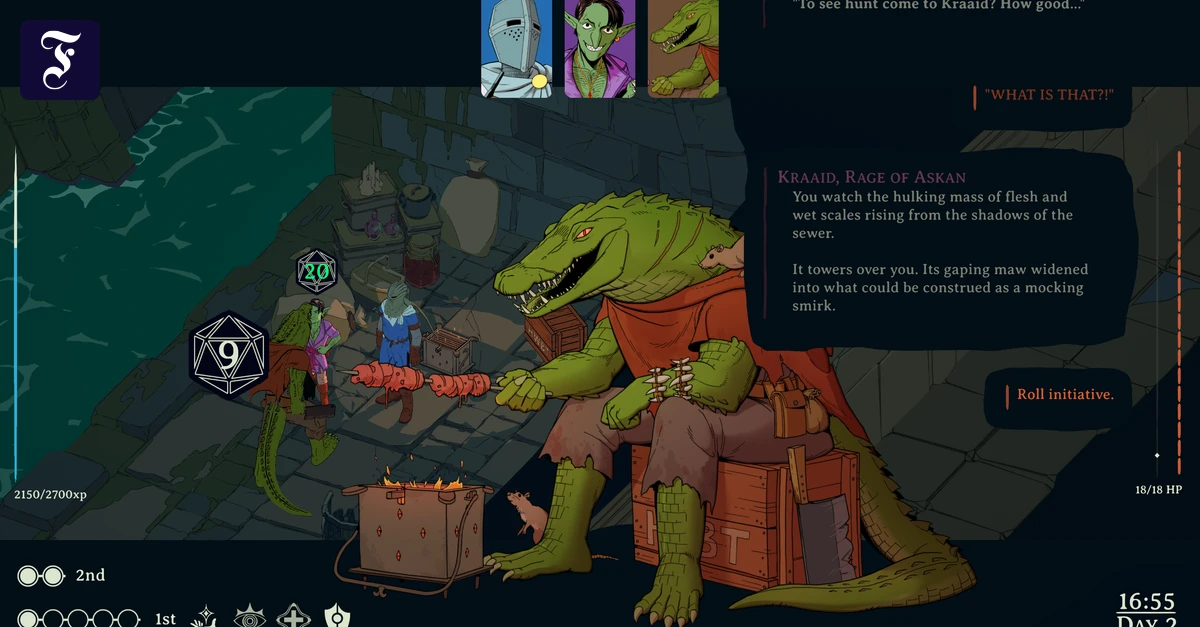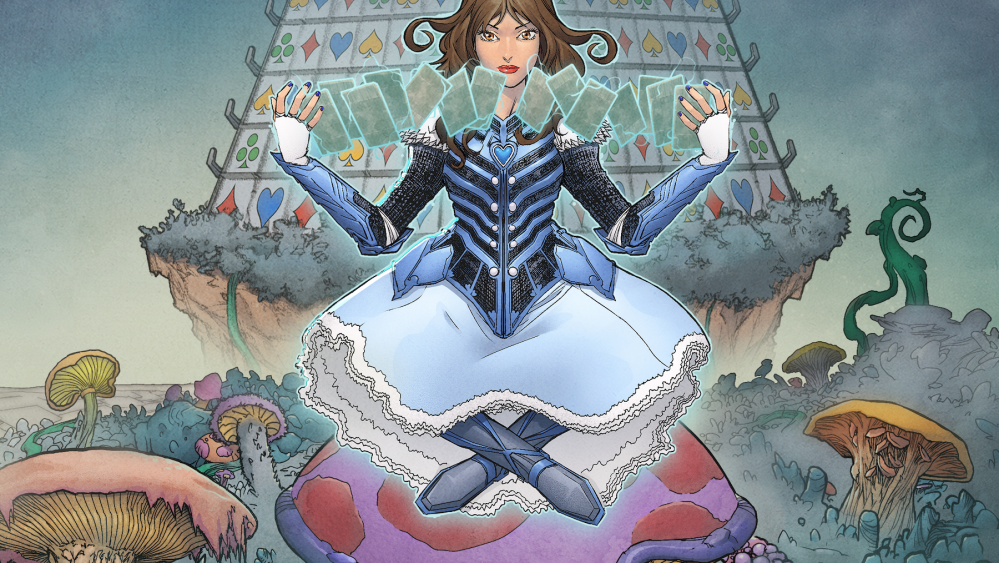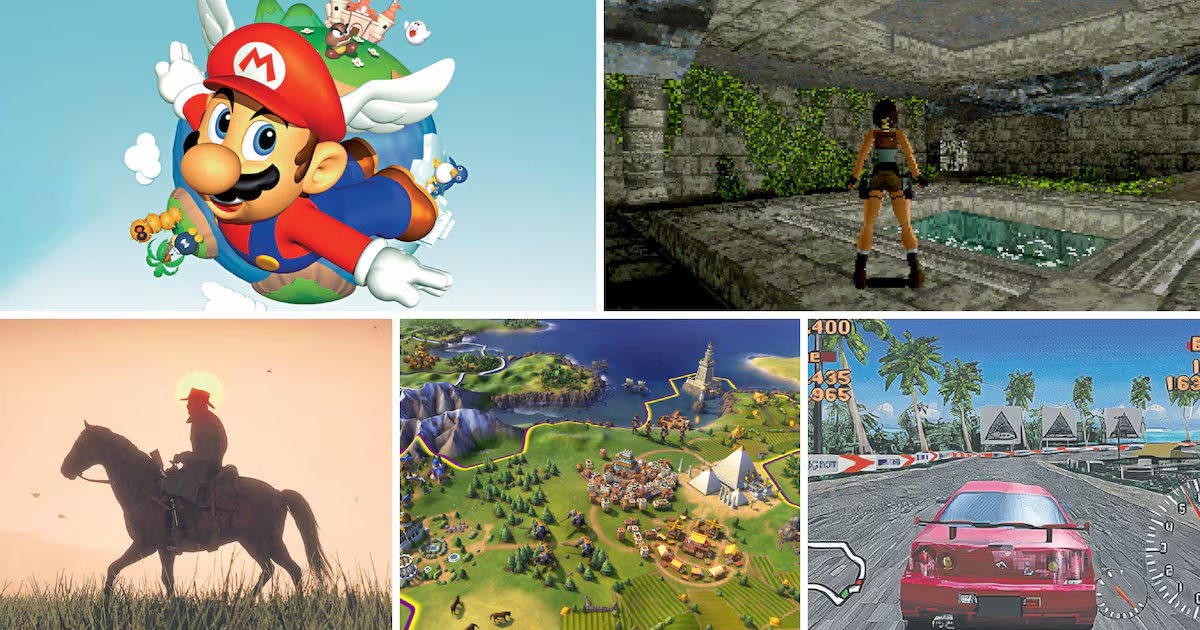
CTRL Essays on Video Games Author: Edited by Dean FeeISBN-13: 9781843519768Publisher: Lilliput Press Guideline Price: €16.95 There is a moment early on in Dean Fee’s introduction when he describes video games as offering “easy comfort and a seductively easy place to dwell too long”. It announces the ambitions of CTRL, a collection interested not simply in whether games qualify as art, but in what they are doing to us emotionally, psychologically and politically. Here, games emerge as part of the inner world of writers, shaping feeling, perception and imagination. Across essays by Lisa McInerney, Rob Doyle, Sheila Armstrong, Úna-Minh Kavanagh, John Patrick McHugh and others, games become less subjects than portals into larger questions about identity, memory, loneliness, class, gender and control.Throughout the collection, games function as emotional architectures through which people process shame, grief, desire and fear. The anthology’s central concern is embedded in its title. “Control” refers not only to the controller in the player’s hand, but to the fantasy of order games provide in chaotic lives. Again and again, games promise freedom while operating through rules, systems and repetition.John Patrick McHugh’s essay on Final Fantasy IX is among the collection’s most devastating achievements. What begins as a reflection on role-playing mechanics unfolds into a meditation on masculinity, bullying and self-loathing. McHugh writes with painful honesty about growing up overweight and internalising humiliation until it structures every interaction. The levelling systems and armour upgrades of FFIX become emotional metaphors for a child’s longing for invulnerability. “I play FFIX because I want everything to be under my direct control.”CTRL also suggests that games have become a dominant imaginative language of the century. Joe Dunthorne’s essay uses interactive storytelling to meditate on choice, regret and unrealised selves. Reflecting on writing a branching narrative game, Dunthorne transforms game design into an existential framework where every possibility becomes a metaphor for parallel selves and failed futures. Brenda Romero’s contribution approaches games from the perspective of a designer, while game maker Donal Fullam explores how video games can become a political and imaginative response to Ireland’s housing crisis.Anna Loughran’s essay on Tomb Raider Remastered explores how revisiting Lara Croft as an adult becomes an inquiry into memory and the impossibility of returning innocently to childhood artefacts. “I can’t but read the past with the biases of who I am in the present.” Lisa McInerney’s contribution brings her characteristic sharpness and wit to the emotional intensity of virtual worlds. What begins as an exploration of Fallout: New Vegas and its Dead Money storyline becomes something more existential, moving through theology, Black Mirror, Goya’s Black Paintings and childhood memories of nuclear paranoia.[ ‘My son is in his 20s, but still lives like a teenager – staying in his room playing video games’Opens in new window ]CTRL dismantles the stale assumption that gaming is principally a male imaginative space. Several of the anthology’s most inventive essays are written by women. Sheila Armstrong’s piece is especially formally adventurous, absorbing game logic into the structure of the prose itself. Armstrong understands that games are not only stories but systems of repetition, immersion and drift.Chandrika Narayanan-Mohan’s essay on Wanderstop reflects on burnout, immigration, autism and ADHD, describing games as spaces of safety and emotional clarity. Her discussion of discovering later in life that she is autistic reframes gaming as a structure accommodating forms of perception often punished by ordinary social life. Paul Whyte’s essay on Minecraft explores gaming through the intimate experiences of parenting and illness.Rob Doyle brings a metaphysical dimension to the collection. Moving through games such as Superhot, Driver, Mortal Kombat and Command & Conquer, Doyle treats gaming as a psychedelic and philosophical experience that destabilises identity and reality itself. Drawing on Borges, cyberculture and altered states, he suggests that games are not distractions from reality but rehearsals for inhabiting increasingly simulated lives.[ Rob Doyle: ‘I’m 43, but I’m still going into my own guts and exposing the weird and the shameful stuff’Opens in new window ]Róisín Kiberd’s A Hell Taxonomy uses the 1993 game Doom to think through religion, folklore, morality and digital culture, moving between Irish mythology, Catholic damnation and 1990s moral panics with restless intelligence. Stephen Sexton’s World Warriors uses Super Punch-Out!! and Street Fighter II to explore how fighting games encode ideas about nationality, race and power, tracing how games reproduce Cold War anxieties, caricature and empire.What ultimately makes CTRL so impressive is its refusal to patronise either games or the people who love them. Several essays acknowledge how easily games can become mechanisms for avoidance or withdrawal, ways of delaying intimacy, adulthood or grief. Yet the anthology also recognises that novels, films and music function similarly. Games simply do so interactively.Smart, melancholic and philosophically alert, CTRL understands that video games have become central imaginative environments through which contemporary experience encounters memory, loneliness, desire and reality itself.Adam Wyeth is a poet, playwright and author
CTRL Essays on Video Games: Reflections on dominant imaginative language of 21st century
Writers including Rob Doyle, Lisa McInerney and Róisín Kiberd bring everything from metaphysics to Ireland’s housing crisis to their contributions
811 words~4 min read