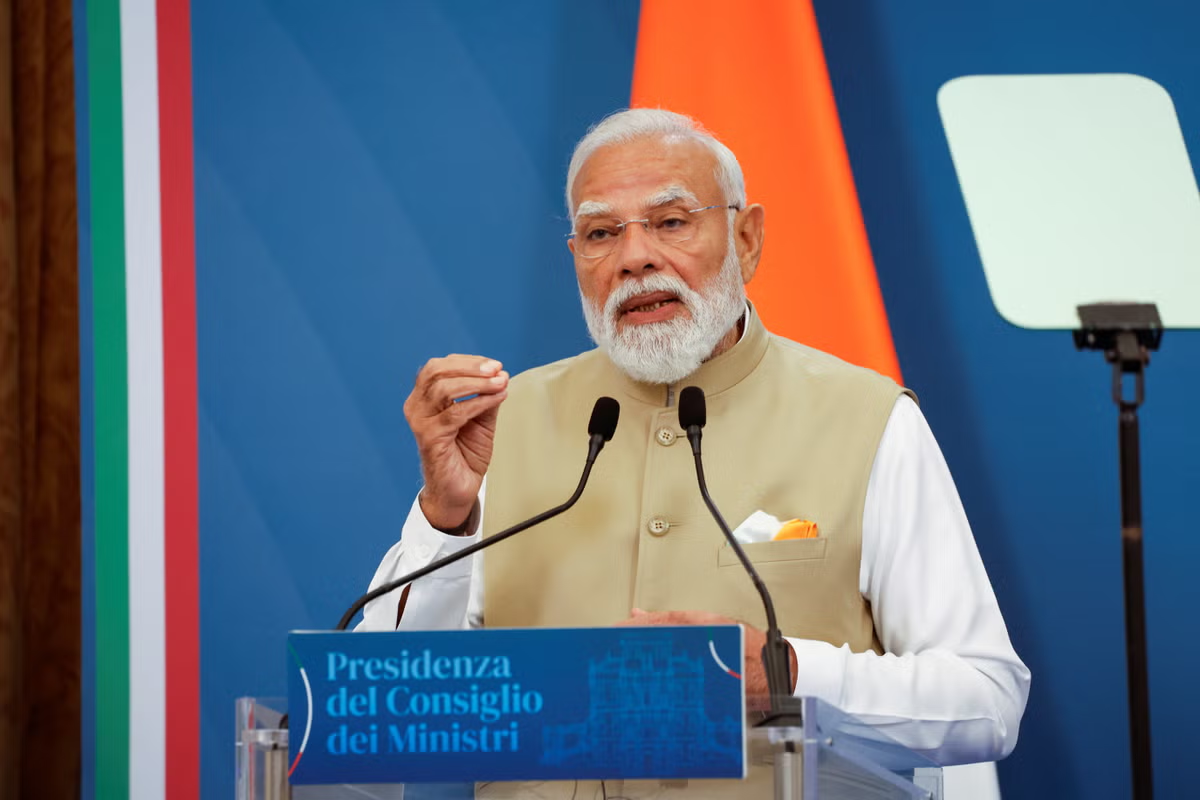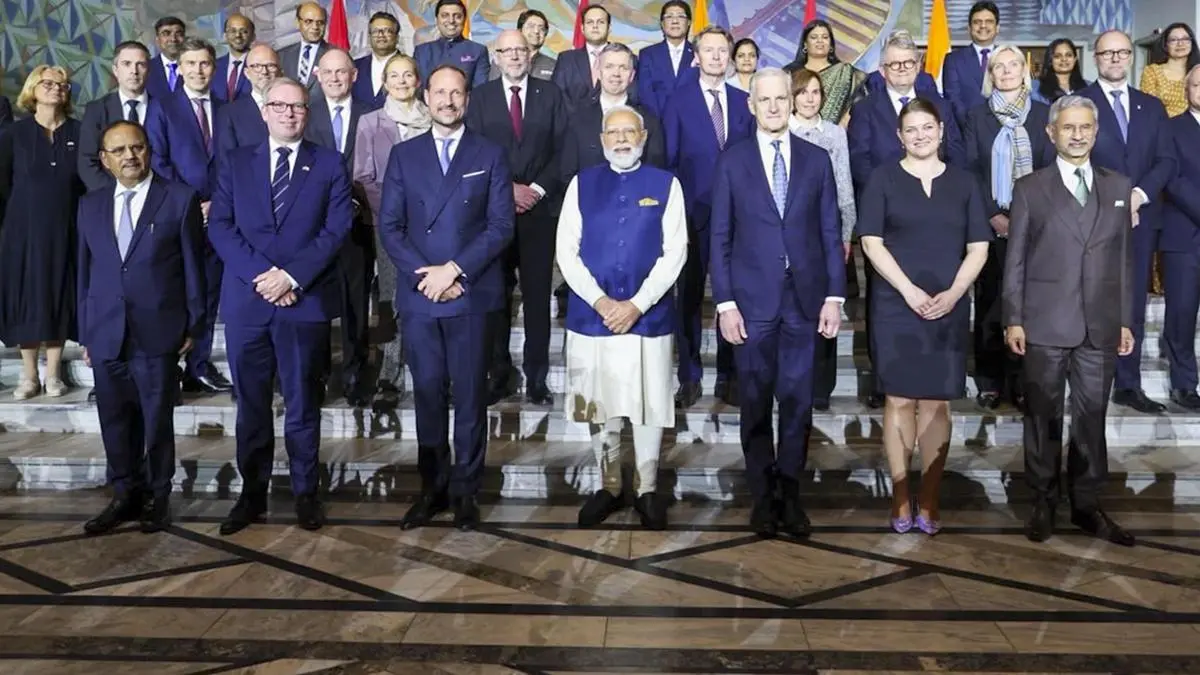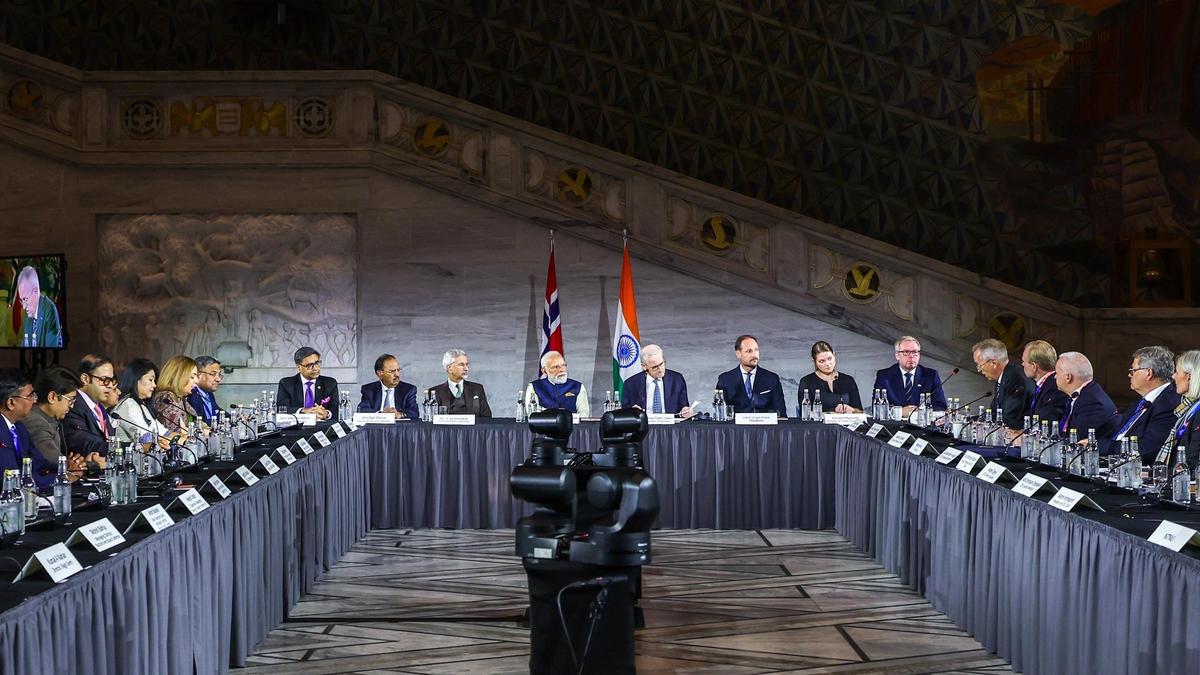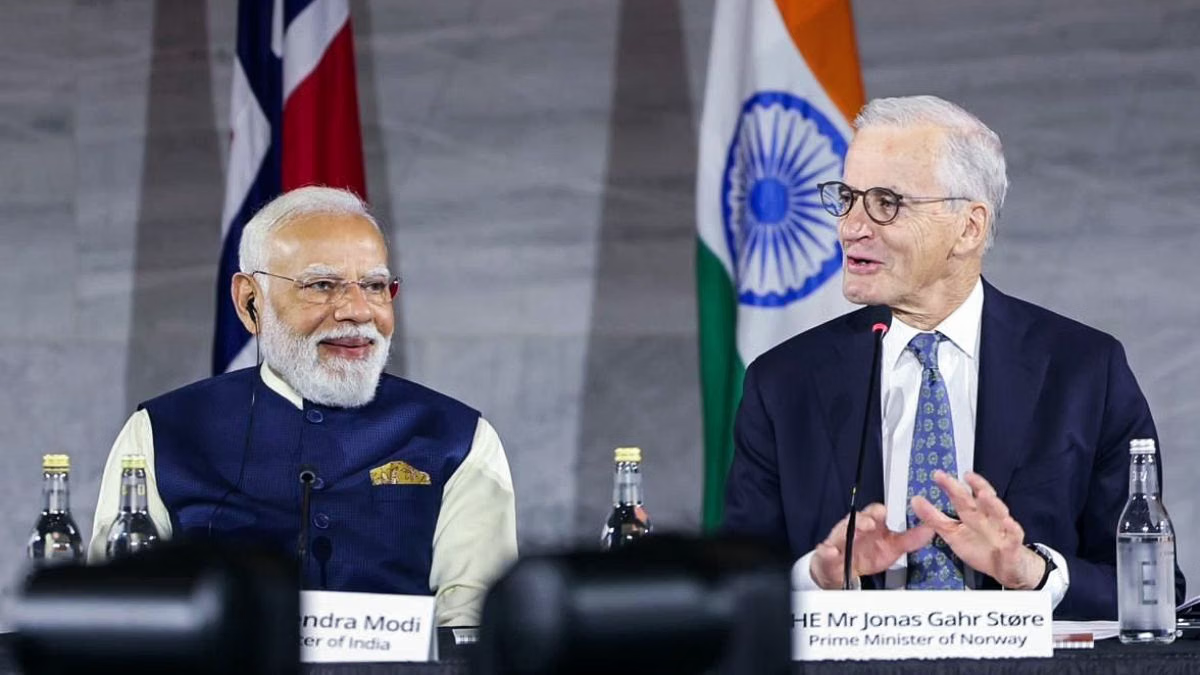
In the last two days Norway featured hugely on the Indian prime time—but for the wrong reasons.
Television and social media were outraged over Helle Lyng’s condescending questions on trust and media optics, but paid little attention to the substance of Prime Minister Modi’s visit. A far more consequential story got lost in the noise—India’s deepening strategic-economic engagement with a country that sits outside the European Union, yet commands one of the world’s most influential pools of capital and the world’s largest sovereign wealth fund.Norway is not merely another wealthy European country with staggeringly high per capita income. It is a unique geopolitical and economic actor—an energy superpower with a population smaller than New Delhi, a state built through disciplined, transparent and long-term economic planning with humongous wealth collected from oil exports.
For India, which is simultaneously seeking capital, technology partnerships, energy cooperation and long-term investment flows, Norway deserves far more serious attention than it did this time around.
A non-monolith
Europe is not institutionally monolithic. Norway is not a member of the European Union because its people do not wish to join the bloc. It sits outside the EU’s political and economic architecture, while remaining deeply integrated into European markets through the European Economic Area and the European Free Trade Association (EFTA). This distinction is important because India’s engagement with Norway operates through a different framework than its negotiations with Brussels, as India continues to pursue FTAs with both sides.The India-EFTA Free Trade Agreement signed in March 2024 has been strategically significant. Alongside Norway, the agreement includes Switzerland, Iceland and Liechtenstein—small states with small demographies, but disproportionately influential in global finance, technology and capital flows. Unlike usual trade agreements, which are focused narrowly on tariff reduction, the India-EFTA deal carried a larger strategic bargain: India would provide greater market access in exchange for long-term investment commitments from EFTA partners—mainly Norway.That requires a better understanding of what kind of capital inflows India is seeking amid capital flights, a depreciating rupee and tightening energy situation due to a disrupted Hormuz.The centrepiece of this discussion is Norway’s Government Pension Fund Global, commonly referred to as the Norwegian sovereign wealth fund. Built from petroleum revenues generated in the North Sea, the fund today stands as the largest sovereign wealth fund in the world, with holdings across thousands of companies and markets and with a current valuation at $2.2 trillion.