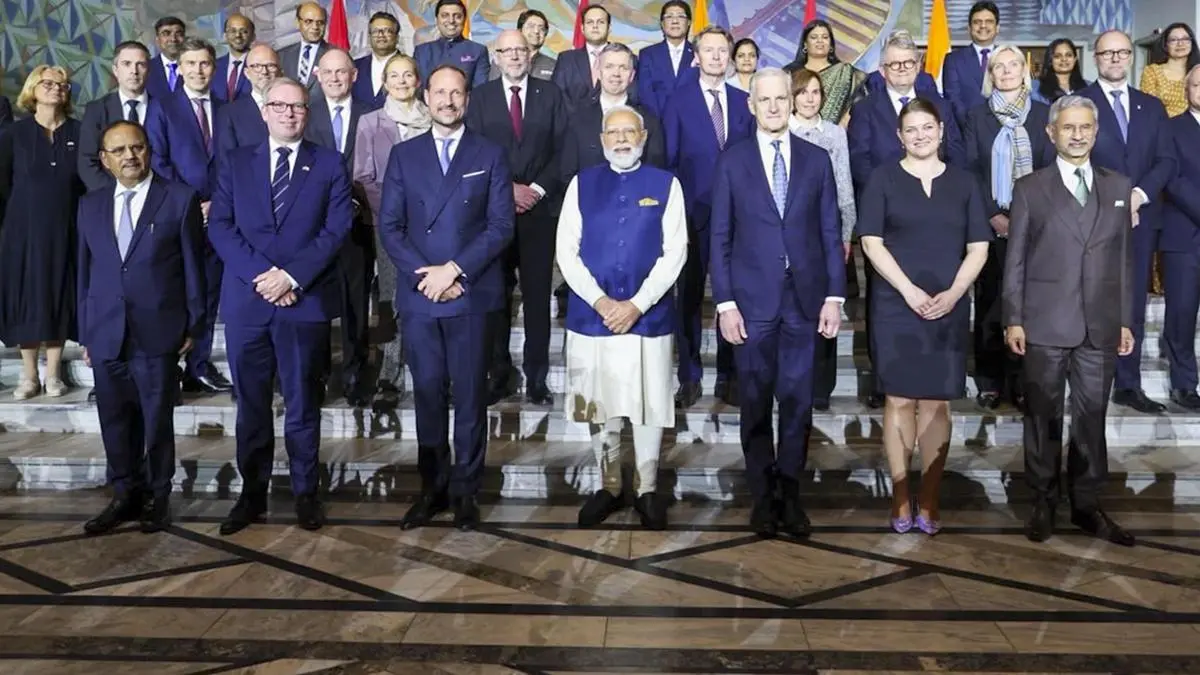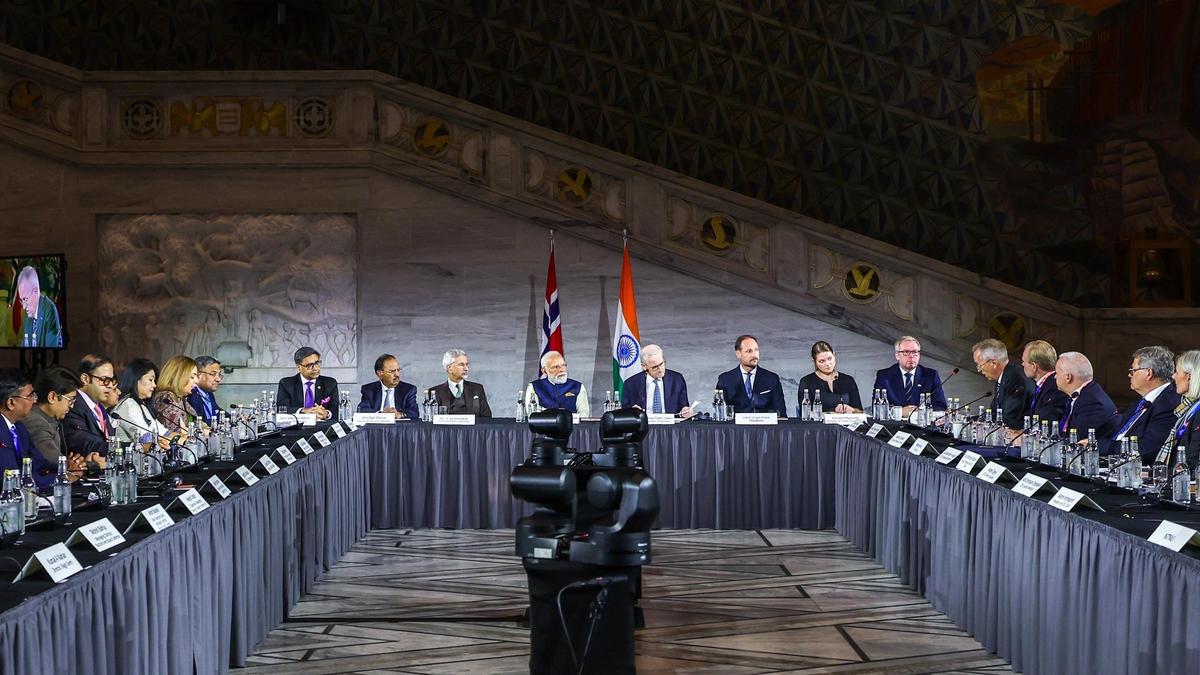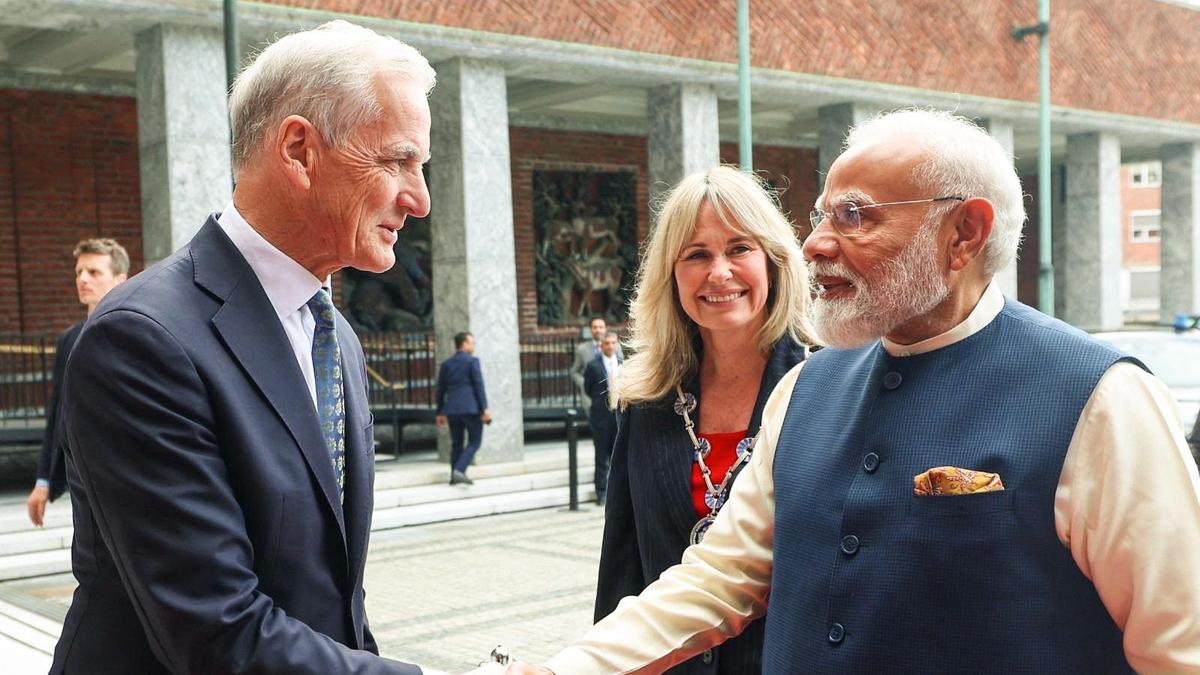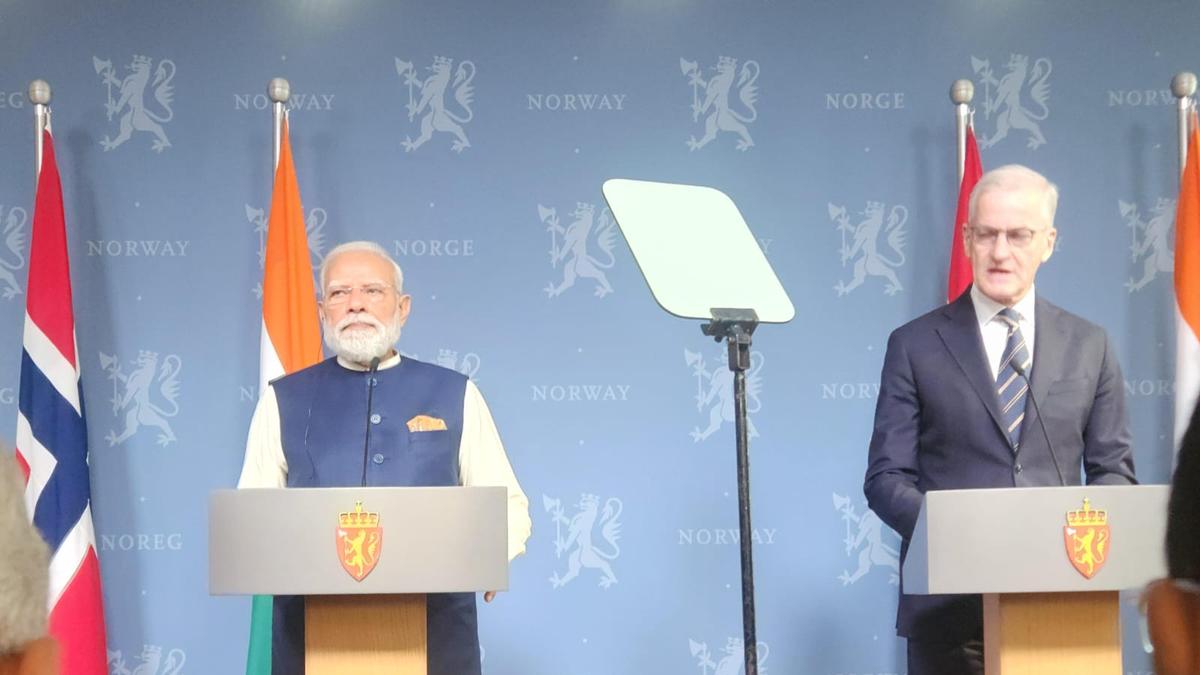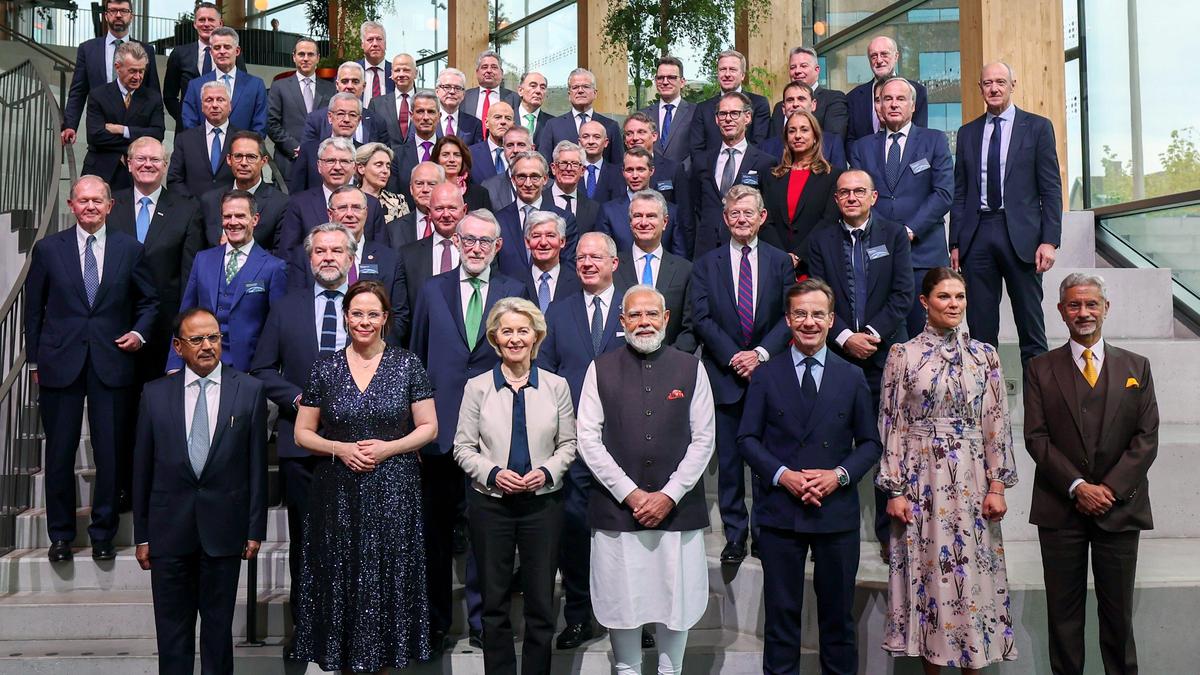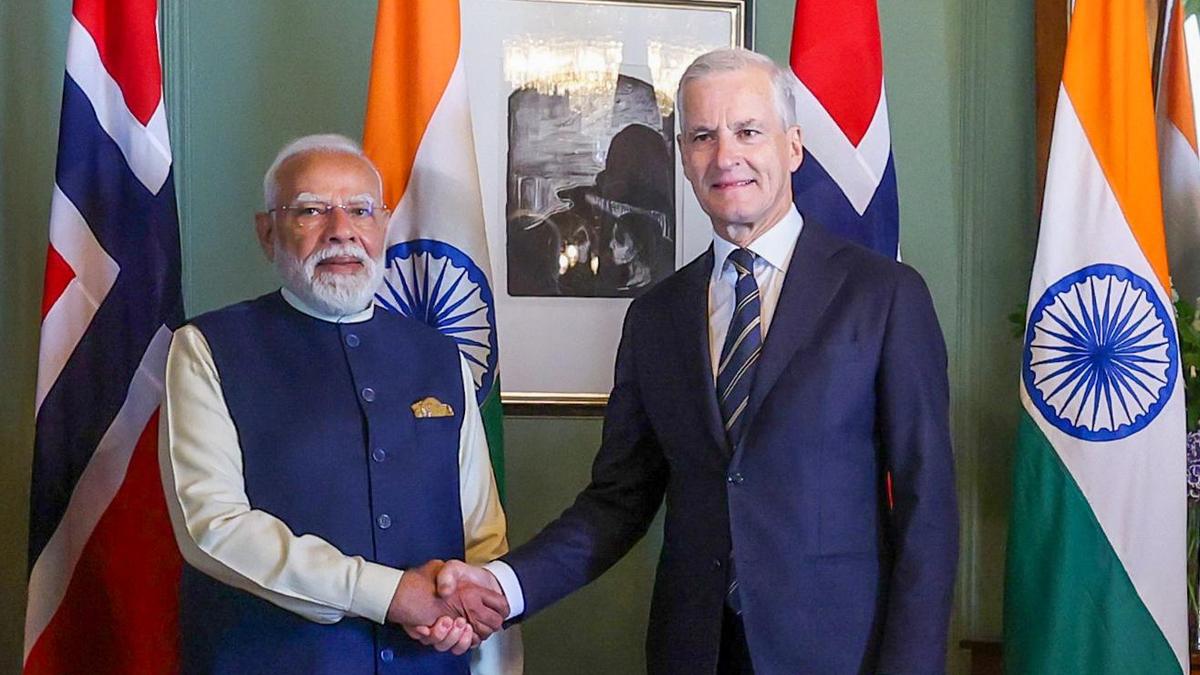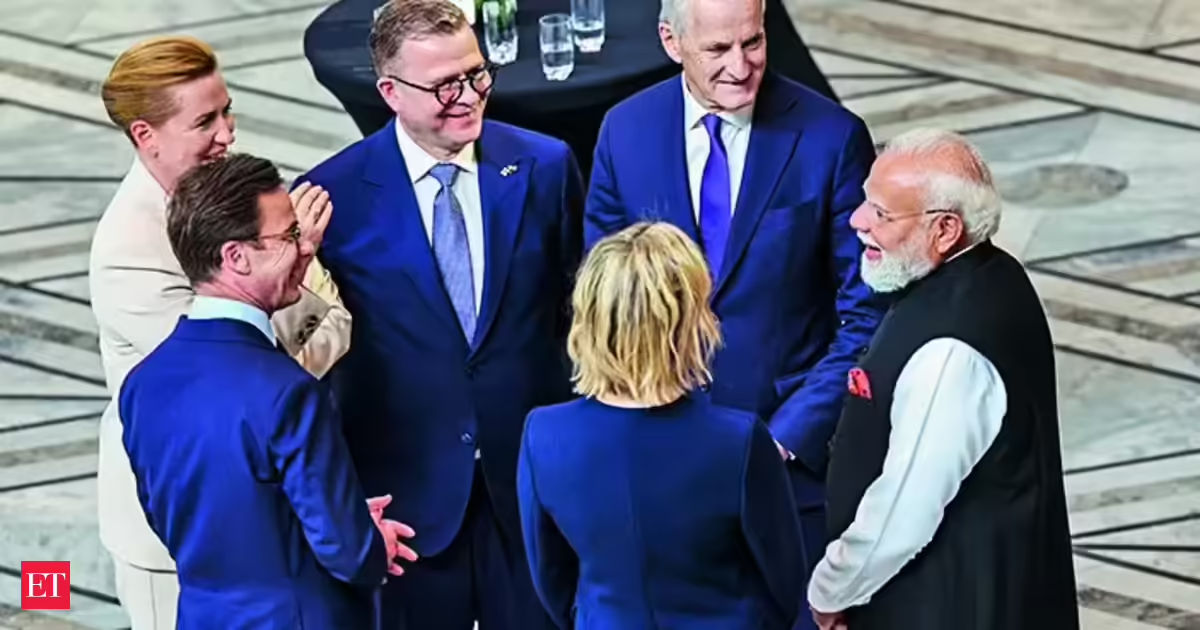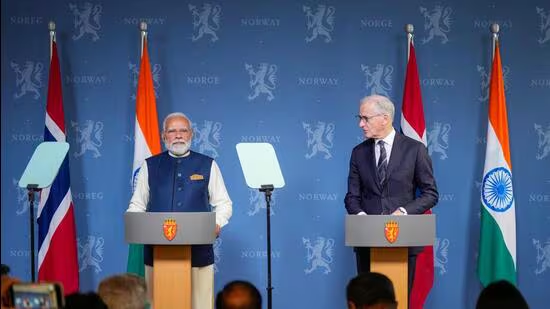
An India-Norway business conclave on Monday witnessed a frank exchange on regulatory and other challenges being faced by Norwegian companies in their Indian operations, with Prime Minister Narendra Modi highlighting reforms by New Delhi in taxation and the labour code to improve the ease of doing business.PM Modi Highlights Strategic India-Europe Cooperation During Norway Visit #shortsModi and his Norwegian counterpart, Jonas Gahr Støre, participated in the Norway-India Business and Research Summit at the cavernous Oslo City Hall. The event was attended by CEOs of leading Norwegian companies such as Orkla, Yara and Equinor, which have a significant presence in the Indian market.Støre asked the Norwegian CEOs to share their experiences of operating in India, while emphasising the need for greater economic collaboration between “natural and complementary partners” such as Norway and India, which believe in a rules-based order and stability in trade at a time when “key players” in the world community are “weaponising to some extent diplomacy, trade value chains [and] critical rare materials.”ALSO READ | PM Modi receives Norway's highest honour, the Grand Cross, from King Harald VSvein Tore Holsether, the CEO of Norway’s Yara, a world-leading producer of fertilisers, spoke about regulatory difficulties and “ground-level challenges” faced by his firm in India. Yara has had a presence in India for 15 years and acquired a fertiliser production plant at Babrala in Uttar Pradesh from Tata Chemicals in 2018, marking the first FDI in India’s fertiliser sector.Responding to a question from Støre on changes needed to accelerate progress in India, Holsether highlighted “improving the ease of doing business within crop nutrition by streamlining the fertiliser registration timelines in India [and] faster approvals,” and “some ground-level challenges…creating uncertainty around our business growth in Uttar Pradesh.”He also said that establishing a domestic diesel exhaust fluid production at Yara’s urea plant requires a regulatory framework to support it.ALSO READ | India, Norway seal pacts, upgrade bilateral ties to green strategic partnershipOrkla CEO Nils K. Selte said the Trade and Economic Partnership Agreement signed by India and the European Free Trade Association last year has created predictability and transparency, which are key for long-term investments and cross-border operations. Such deals “reduce uncertainty and support stable long-term growth grounded in the principles of global trading systems,” he added.Equinor CEO Anders Opedal said his firm supports India’s energy security through reliable and diversified supply. “We deliver about two million tonnes of LPG, important for cooking gas, and roughly 25 to 30 million barrels of crude each year,” he said.Equinor has also started its first long-term LNG supply to India, with the first cargo delivered to a fertiliser company last week. “I hope we can do more to further strengthen the energy security of both countries and deliver long-term value,” Opedal said.ALSO READ | PM Modi receives Sweden's Royal Order of Polar Star, Commander Grand Cross; 31st global honour so farModi, in his remarks, said his government is continuously improving the ease of doing business through proactive steps, including next-generation reforms in taxation, the labour code and governance. He said a dedicated trade facilitation desk for Norway has been created within Invest India. “My main message is please expand your scope and ambition in India. I invite you to come to India, I have assured you and, in a way, the ball is in your court,” he said.Pointing to India’s aim of generating 500 GW of clean energy by 2030, Modi invited Norway to be an “important stakeholder in India’s green energy future.” He also called on Norway to take advantage of India’s policy stability and incentives to become a major partner in the ship-building sector.With 10% of Norway’s ships currently being built in India, Modi said there is potential to increase this to 25% in five years.
PM Modi pitches India to Norwegian investors; highlights taxation reforms, ease of doing business
PM Modi said that a dedicated trade facilitation desk for Norway has been created within Invest India. | India News
623 words~3 min read