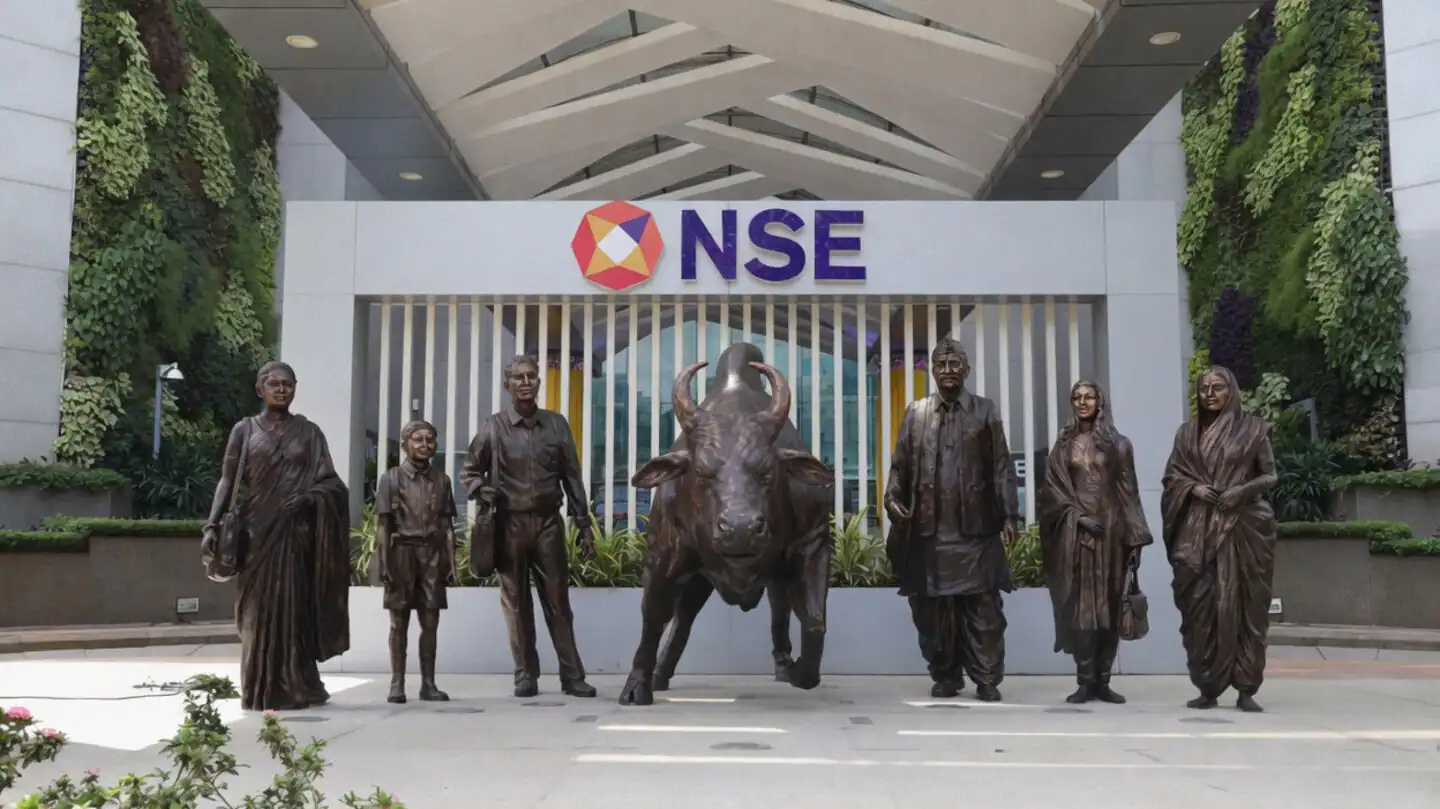
The SBI was one of the early institutional investors in NSE when it was set up in 1992 and the bank’s cost of acquisition of NSE’s shares was negligible. “The scale of what is now unfolding—simultaneous listing of NSE (a national market infrastructure institution), and SBI Funds Management (one of India’s largest Asset Management Company (AMC) by Assets Under Management—is arguably without precedent for the SBI as a group,” Umesh Paliwal, the founder of Unlisted Zone, a platform to invest in unlisted shares, told ThePrint. “If both listings materialise in FY26, the SBI Group could see a combined mark-to-market wealth creation of well over ₹1 lakh crore across the two assets—a once-in-a-generation kind of balance sheet event for the country’s largest public sector bank,” he added. According to the latest report for the quarter ending March 2026, the SBI has 7.98 crore shares of NSE (or about 3.23 percent stake), while the SBI Capital Markets holds over 10.72 crore shares, amounting to a 4.33 percent stake.In a post on X, AIM Investments, an investment consultancy firm, said Monday, “In the unlisted market right now, one NSE share trades at ₹1,992. Do the math, and the SBI Group’s NSE shareholding is worth roughly ₹37,000 crore.”The company added that the NSE shares alone are worth almost half a year’s profit for the SBI, “sitting quietly on the balance sheet at near-zero original cost”.In its earnings call on 8 May, SBI chairman C.S. Shetty said once the NSE gets listed, the bank balance sheet will be able to record the current market value of its NSE shares, which now sit at its old value. “…the whole shareholding by the SBI will be available as reserve to us to mark to market. Currently, it is not marked to market in our books.”Responding to an analyst’s question in the call, Shetty added, “We have embarked on listing SBI AMC and hopefully in this financial year we will be able to complete, which will result in capital augmentation (CET-1).” “That’s what I think gives us confidence that going forward two things, which are required for supporting credit growth, in terms of capital, we are fully convinced that we have the capability. Even with the current position we can fund almost 12 trillion credit growth. Further augmentation will help us going forward with enough liquidity in the system,” he added.The bank’s current Common Equity Tier 1 (CET 1) ratio as of the fourth quarter of fiscal 2026 is 12.29. The CET- 1 ratio compares a bank’s core capital to its risk-weighted assets and is a measure of its strength and ability to absorb losses during periods of a downturn.Overall, the SBI Group has reserves of Rs 5.95 lakh-crore as of the fourth quarter of fiscal 2026. The bank’s standalone reserves stand at Rs 5.43 lakh-crore.In fiscal 2026, the bank said it posted its highest-ever annual net profit of Rs 80,032 crore.
Through 2 IPOs, SBI eyes record asset unlock. Why it could be ‘once-in-a-generation balance-sheet event’
SBI Funds Management & NSE, in which SBI group owns about 7.5% stake, may go public this fiscal, raising the bank's market value by more than Rs 1 lakh-crore.
1,414 words~6 min read