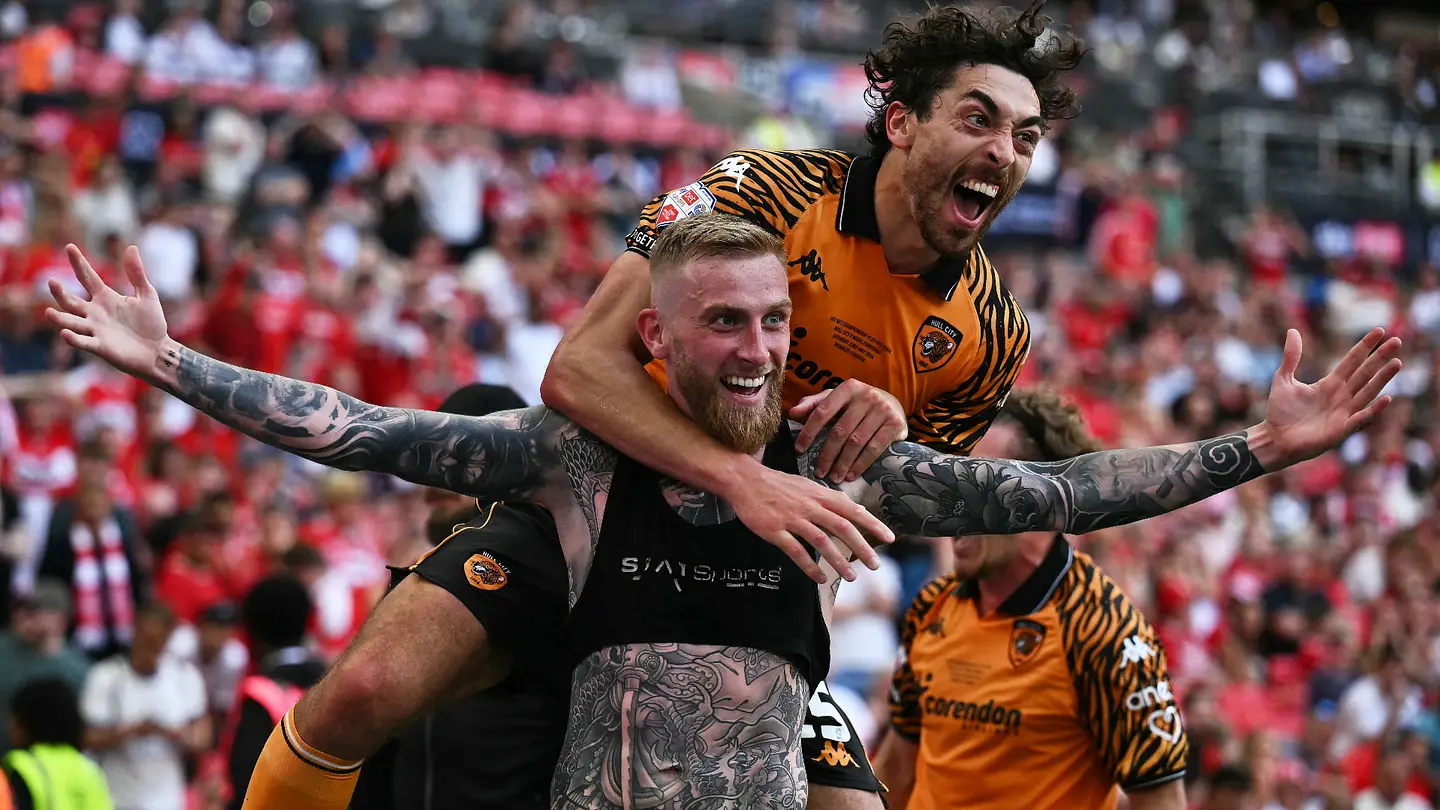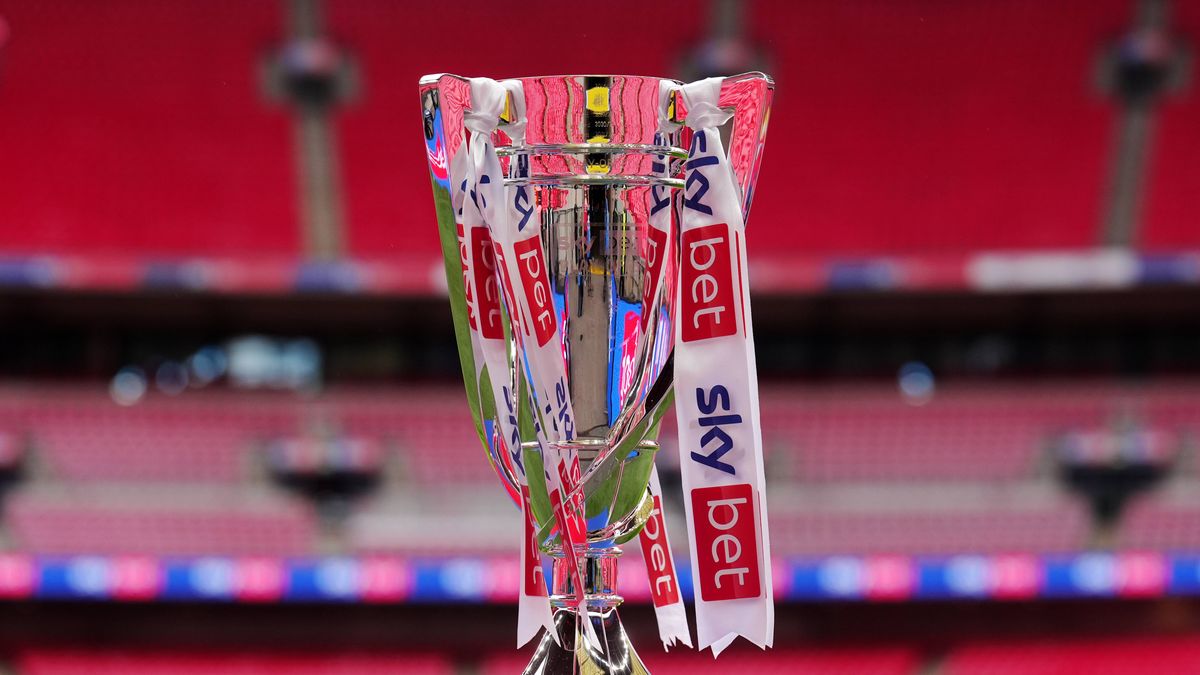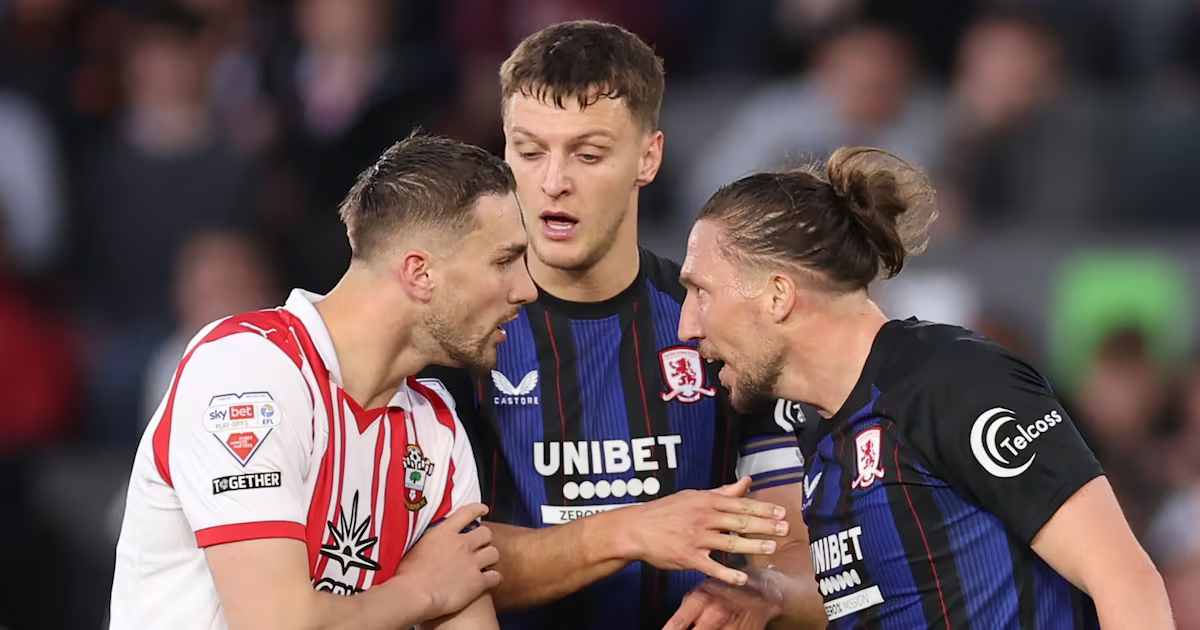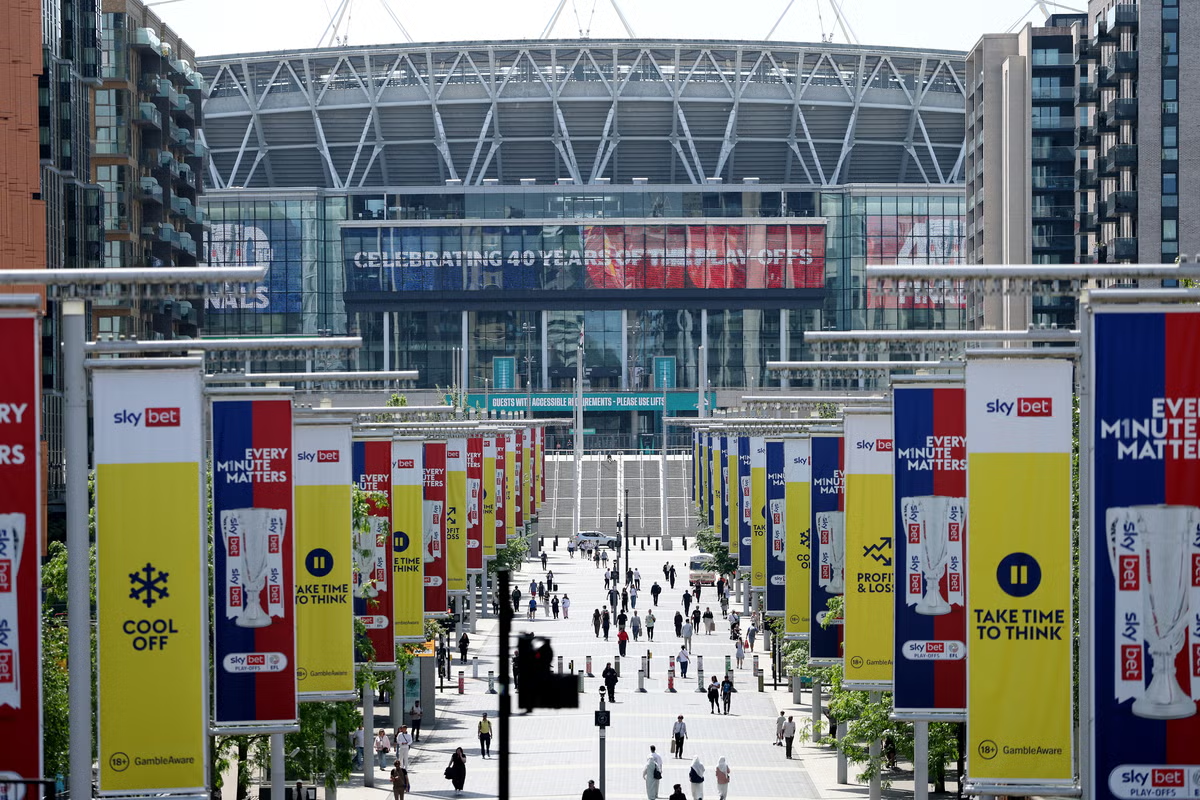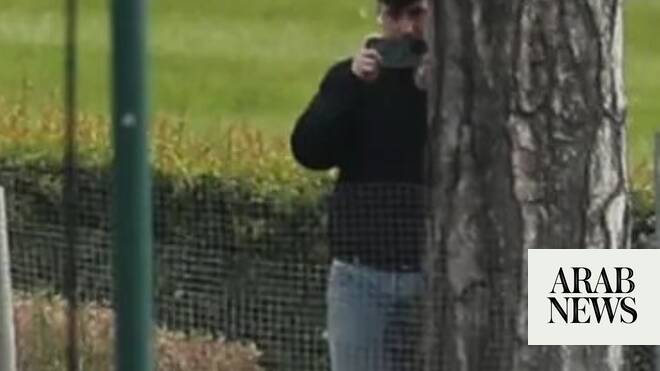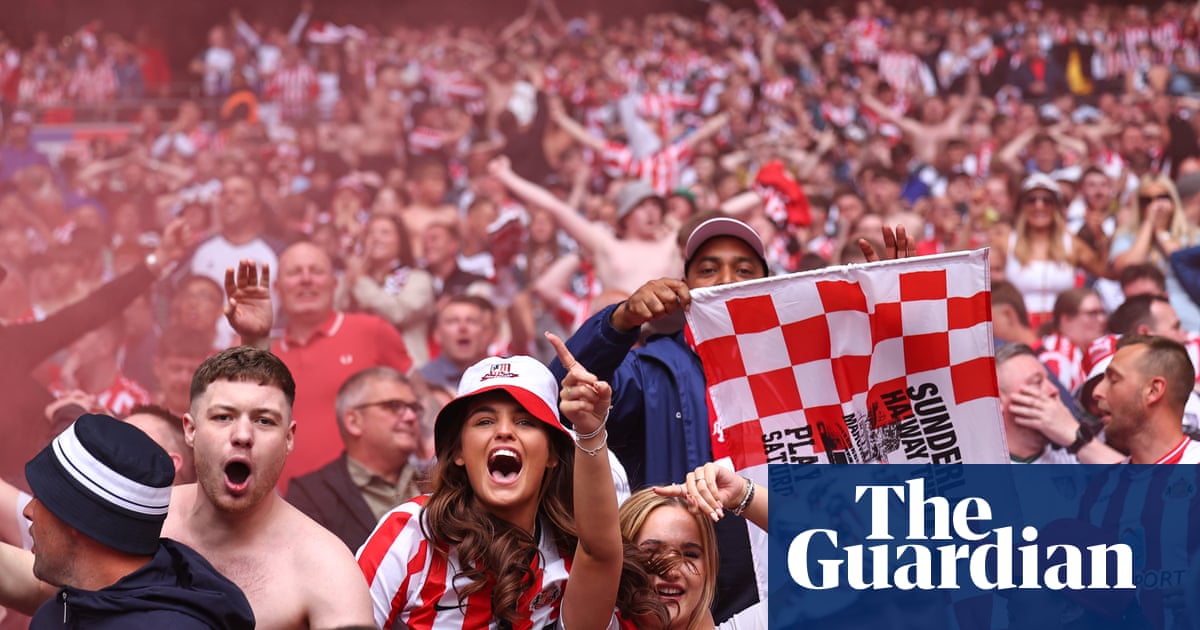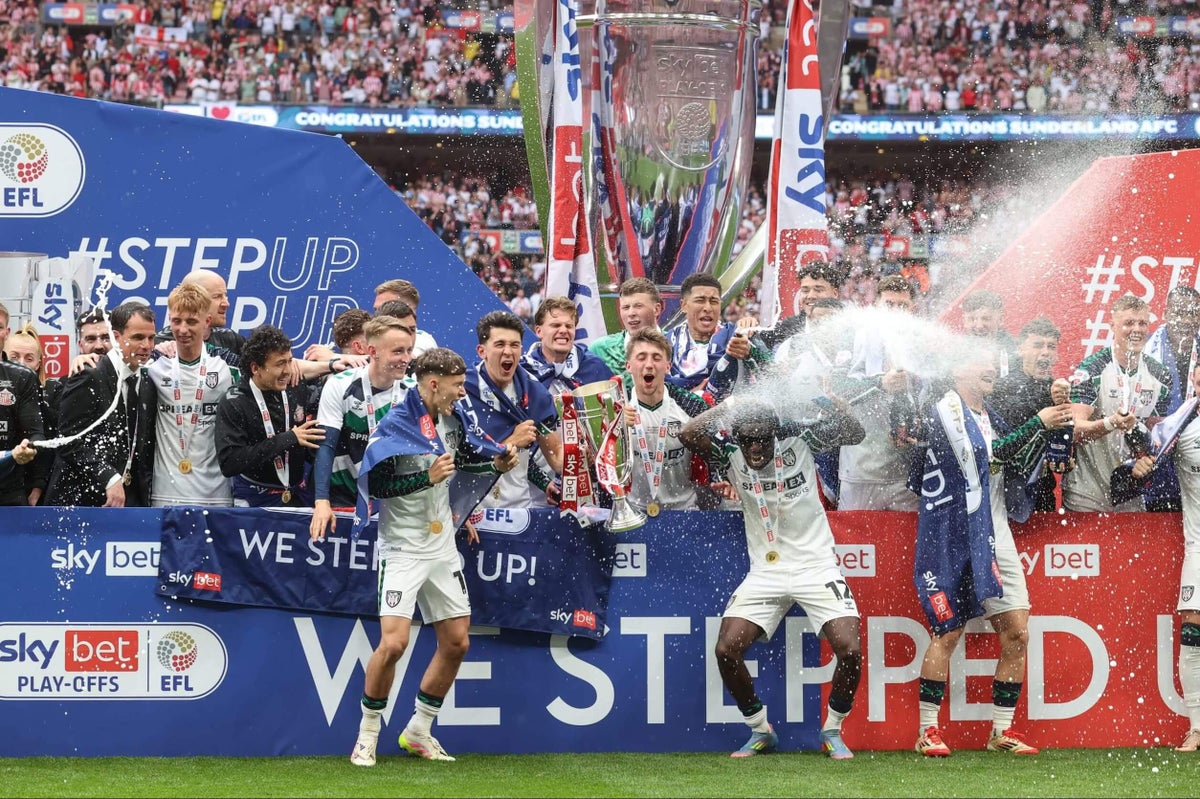
The play-offs. A concept, when introduced four decades ago by the Football League, that proved so divisive one victorious manager called for them to be scrapped just minutes after winning the final.Happily, from such inauspicious beginnings, the end-of-season promotion deciders have evolved into a cherished, if rather anxiety-inducing, climax to the domestic season.A grand total of 105 different teams have competed in the play-offs, each one experiencing the unique emotions of a format that can take players, supporters and managers from the highest of the highs to a truly gut-punching low, often in the space of just a few minutes.Blackpool boast the highest tally of promotions via this route with six, while Sheffield United fans must dread qualification after 10 unsuccessful attempts to go up, a record.Fifteen finals have been decided on penalties, including a hat-trick of successes for Huddersfield Town. As if to underline the incredibly thin dividing line between success and failure in these EFL showpieces, the Yorkshire club failed to score during normal time in all three of those finals before going on to triumph from the spot.Huddersfield have been promoted after a play-off final shootout three times (Glyn Kirk/Getty Images)The list of heroes forged by the play-offs grows longer every year, with Dean Windass, Sasa Ilic, Paul Dickov, David Hopkin and Troy Deeney just some of those to have carved their place in folklore.Will anyone join that pantheon of promotion greats over the next few days? Or will 2026 be better known for events away from the pitch, as the Spygate row that this week saw Southampton sensationally kicked out of the Championship final — aka, the richest game in football, with £200million at stake — rumbles on?To whet the appetite for a weekend that has become a football institution, The Athletic picks out a few highlights from the past 40 years.The landscape of English football in the mid-1980s was very different to today. Not only were hooligans running riot every week, but the grounds weren’t fit for purpose, and attendances were locked into a sustained nosedive.Into this maelstrom of misery stepped the play-offs, initially conceived as a way of bringing added spice to the final few weeks of the season in Divisions Three and Four but then also quickly adopted by the second tier as the fairest means of reducing the top flight from 22 to 20 clubs.The drama began straight away in a format that pitted the fourth-bottom team from the top flight against the sides who finished third, fourth and fifth in the division below.Leeds United looked to be heading out in the semi-finals when Mike Cecere put Oldham Athletic 2-1 ahead on aggregate with just 90 seconds of the second leg remaining. Keith Edwards, however, had other ideas, the substitute following his 90th-minute goal in the Elland Road tie by again finding the net in stoppage time.Having negotiated 30 minutes of extra time on the Boundary Park plastic pitch to progress on away goals, Leeds met Charlton Athletic in a two-legged final, the concept of a one-off decider at Wembley not arriving until 1990.Neither team could be separated over two nerve-shredding ties, meaning they had to meet again in a replay on neutral turf at St Andrew’s, Birmingham.“It was another tight game,” recalls Ian Baird, Leeds’ 15-goal top scorer in the league that season. “Nil-nil after 90 minutes, but then Shez (John Sheridan) put us ahead with a fantastic free kick in extra time.“We were seven minutes away from going up when our nemesis arrived.”Peter Shirtliff had joined Charlton the previous summer with a hard-earned reputation for stopping, rather than scoring, goals.The name Peter Shirtliff will haunt a generation of Leeds United fans (Mirrorpix/Getty Images)However, having netted just four times in 188 league appearances for previous club Sheffield Wednesday, the 26-year-old defender broke Leeds hearts by scoring twice inside four minutes to keep Charlton up.“We’d lost the FA Cup semi-final to Coventry a few weeks earlier,” adds Baird. “But this felt far worse. Leeds had been through plenty of ups and downs since the great Revie team, and this was a massive opportunity for the club.”As for the play-offs, he adds: “This was the first year, so a new experience for everyone. I remember at one stage against Oldham in the second leg having to ask the referee what the aggregate score was. Things had got so crazy.“Fans really bought into it, too. Before the home match against Charlton, Billy (Bremner, Leeds manager) took us to the Holiday Inn in North Leeds. A journey to Elland Road that should have taken 20 minutes took us more than an hour.“All the gates were locked way before kick-off, with some even watching from up on Beeston Hill.”The play-offs’ propensity for drama had been established from the off. Not everyone, mind, was a fan. Joe Royle, whose Oldham side had finished seven points above semi-final conquerors Leeds, bemoaned how the League had just become “the longest Cup competition in the world” after playing 44 games only to go out on away goals.Lou Macari, manager of Swindon Town, went even further, calling for the format to be scrapped entirely following his side’s victory over Gillingham in the Third Division final. “I never want to go through a game like this again,” said the Scot after Swindon’s 2-0 win in a replay staged at Selhurst Park.
‘The longest cup competition in the world’: 40 years of the Football League play-offs
'Spygate' may be particularly outrageous, but for the last 40 years the EFL play-offs have entertained and perplexed in equal measure
2,665 words~12 min read