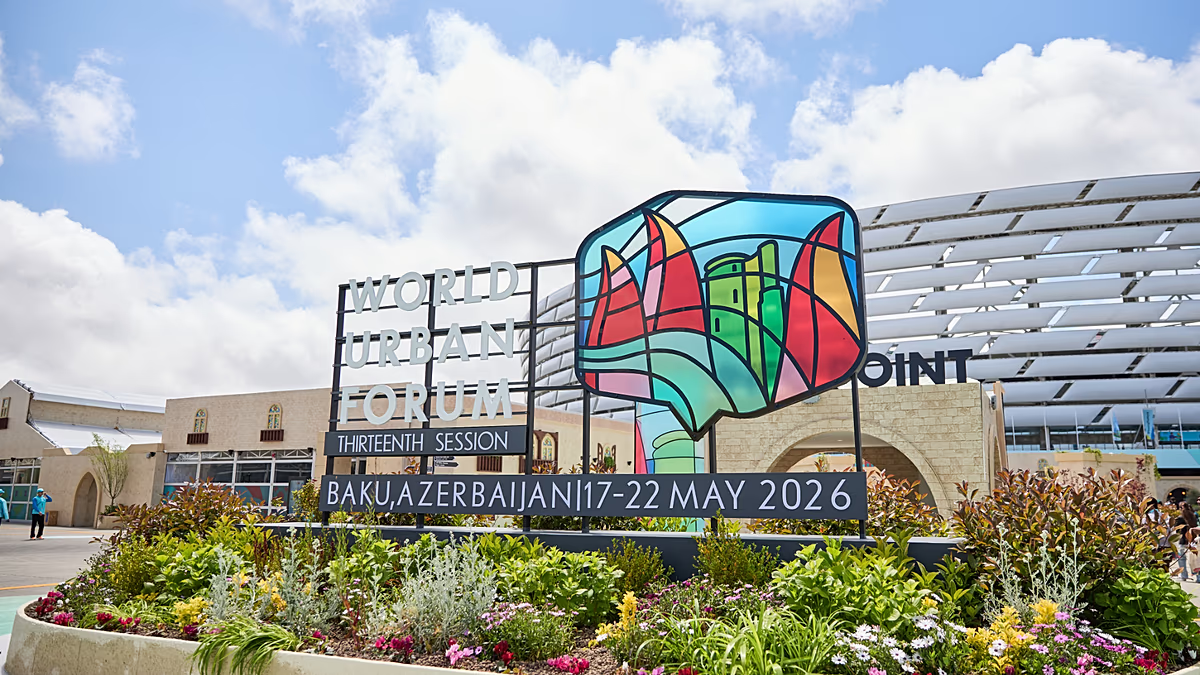
World Urban Forum backs ‘Baku Call to Action’ on global housing crisis
The Baku Call to Action, shaped by voices from 176 countries, sets out a shared path forward, including:Reframing housing as a system, linking homes with land, infrastructure, transport, services and economic opportunity rather than treating construction in isolation.Confronting interconnected pressures – from rising costs and land speculation to displacement, weak governance and climate shocks – through integrated, people-centred solutions.Recognizing housing and climate justice as inseparable, with the most vulnerable communities facing the greatest exposure to floods, extreme heat and environmental risks.Scaling up climate-resilient housing, including through nature-based solutions, retrofitting, upgrading informal settlements and strengthening disaster preparedness.Turning commitments into action, with stronger multilevel governance, expanded financing, better data and greater support for locally led, community-driven solutions.
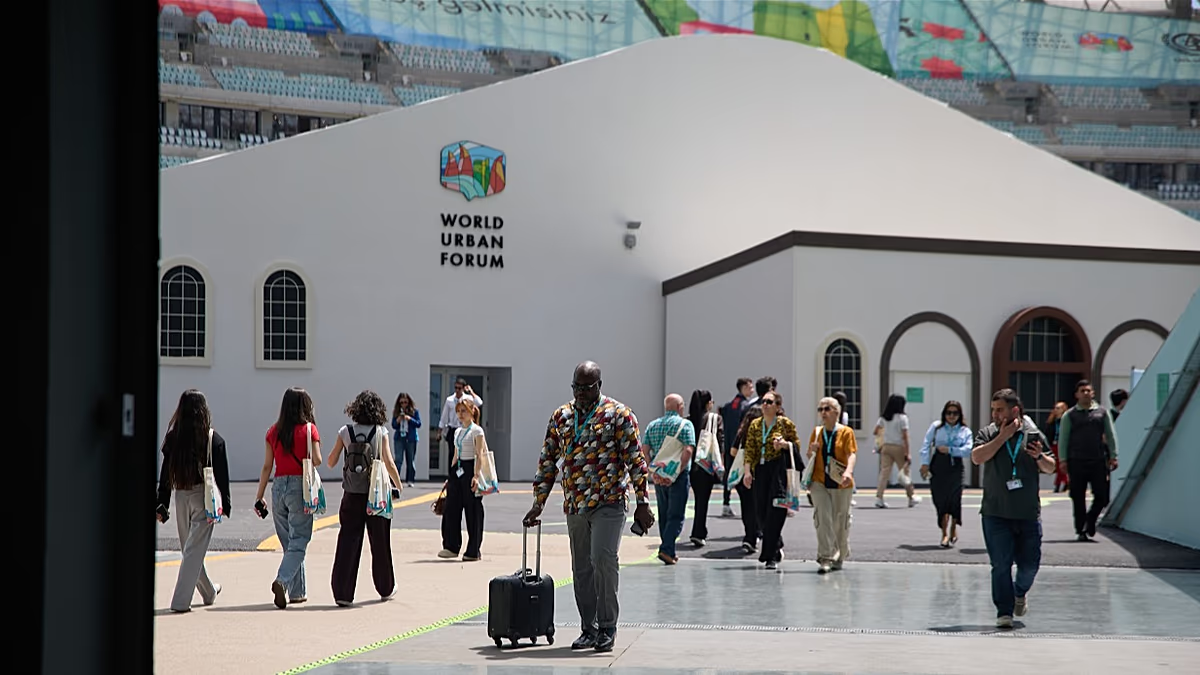
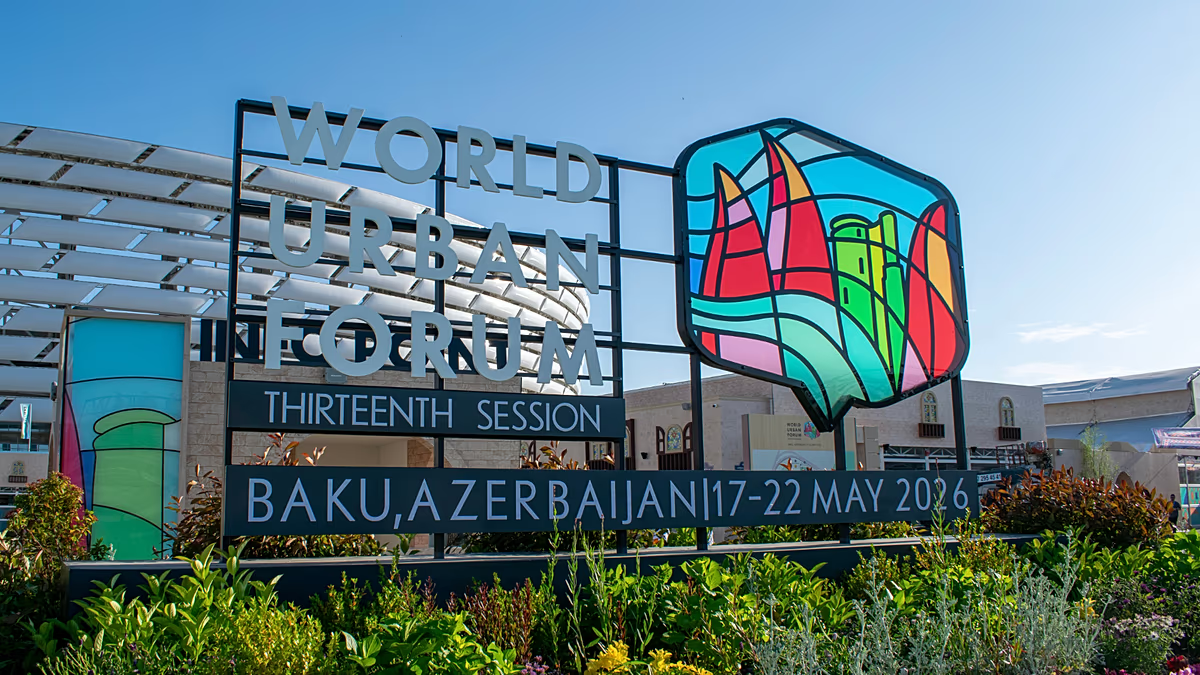
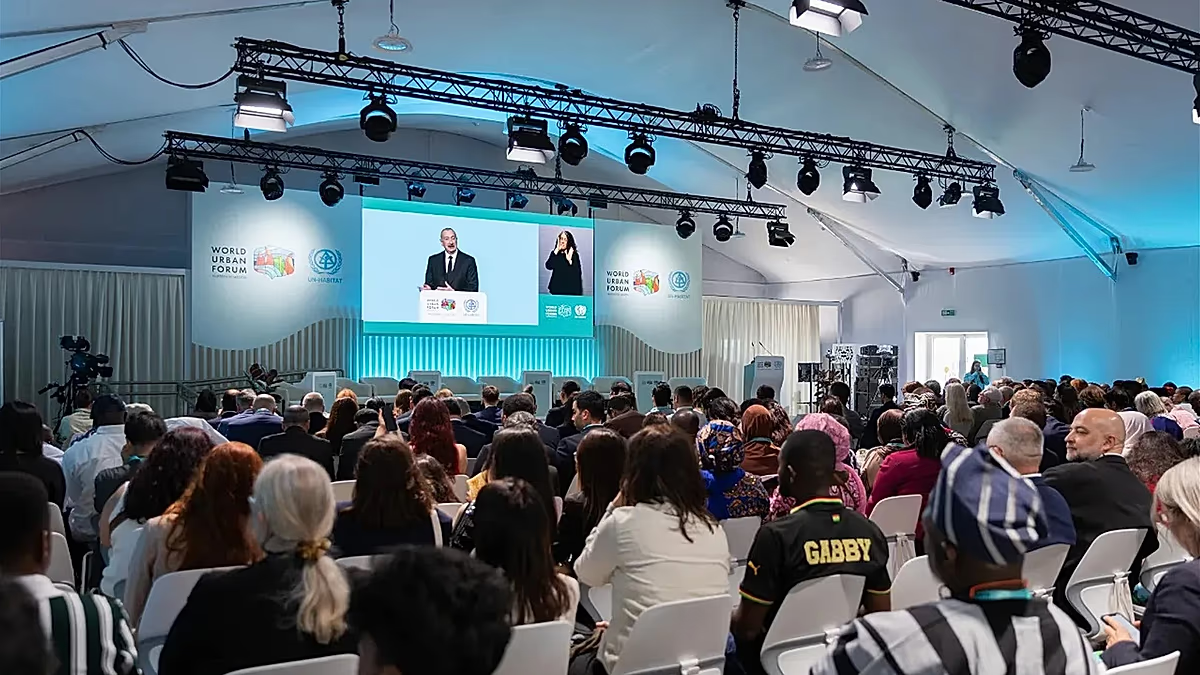
‘No pathway’ without cities and housing“There is no pathway to achieving the 2030 Agenda without sustainable urbanization and adequate housing.”With these words, UN Deputy Secretary‑General Amina Mohammed addressed the closing ceremony of the 13th World Urban Forum (WUF13), bringing the week‑long gathering, which opened on Sunday, 17 May, to a close.The task now, she said, is to shape cities that are inclusive, resilient and capable of providing safe housing and opportunity for all, while ensuring that no one is left behind.Record participation, global reachThe largest World Urban Forum on record, organized by UN‑Habitat together with the Government of Azerbaijan, brought together more than 57,000 participants from 176 countries, including over 3,000 joining online.Baku hosted 11 heads of State, 88 ministers and 130 mayors. Over the course of the week, 579 events were held, while the Forum’s biggest‑ever Urban Expo drew more than 74,000 visits. Some 865 journalists covered the gathering.‘Home is where dignity begins’For Amina Mohammed, the housing crisis sits at the crossroads of nearly every major global challenge – from poverty and inequality to climate change, conflict and instability.“Adequate housing leads to clean water and sanitation. Energy to cook a meal, or heat and light a room. It’s about affordability. Safety. Security of tenure,” she said.Cities, she added, are the “architecture of priorities” – revealing what humanity chooses to build, how it builds, and for whom.“Home is where dignity begins,” she stressed.