Ebola risk ‘very high’ in eastern DR Congo as UN intensifies response
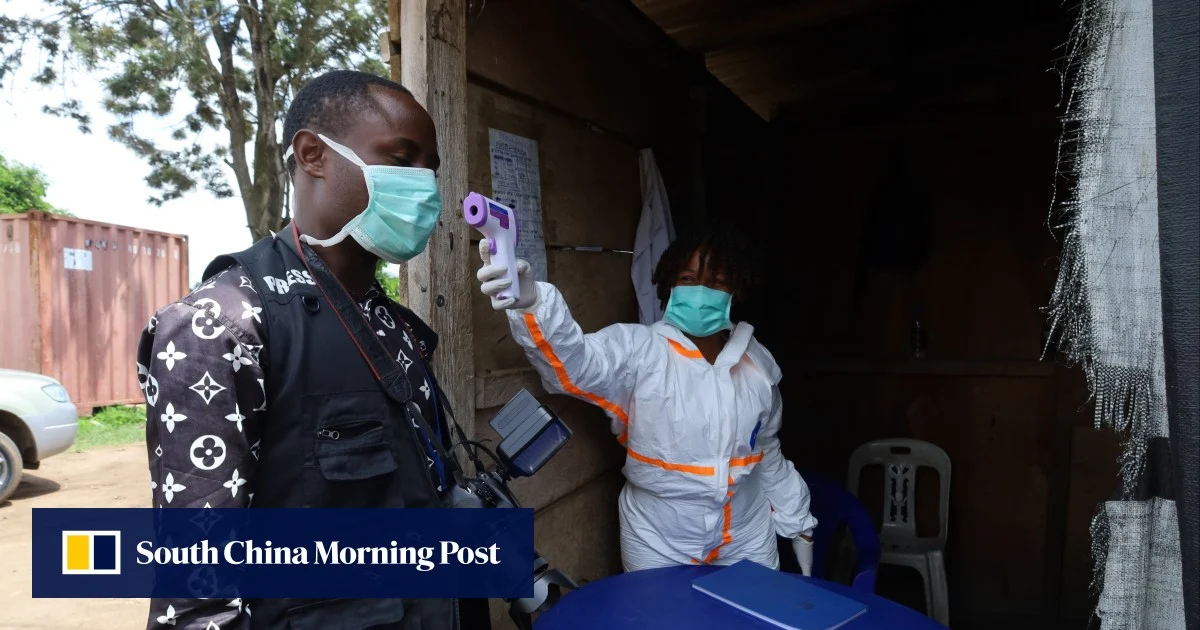
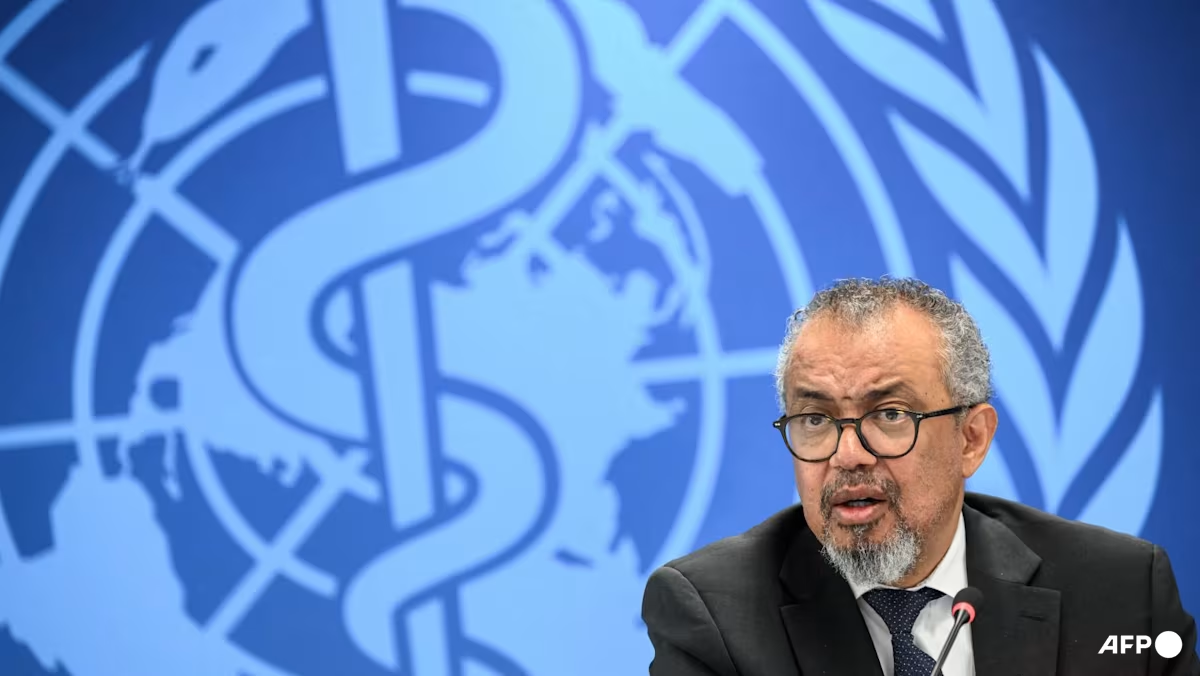
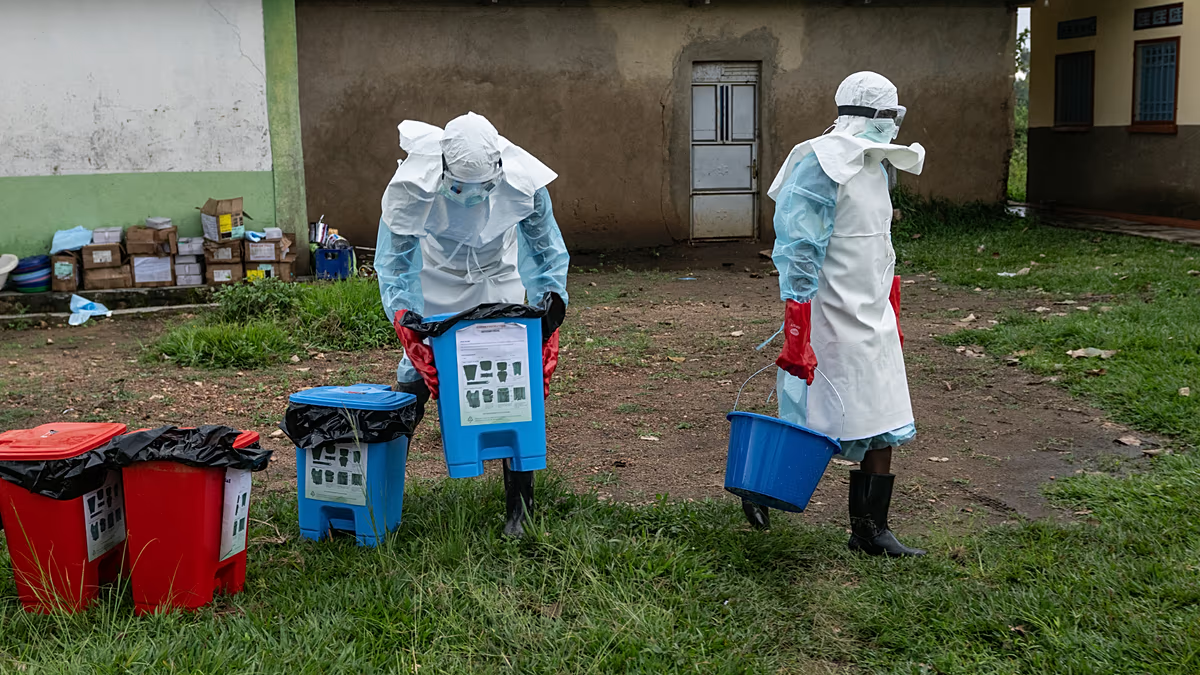
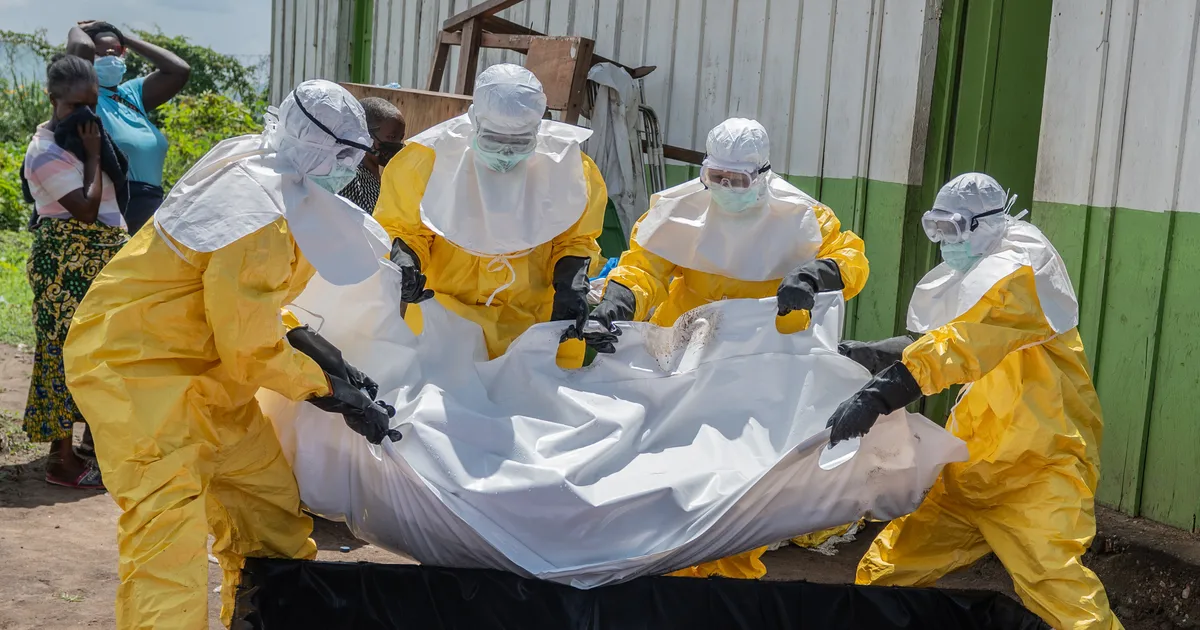
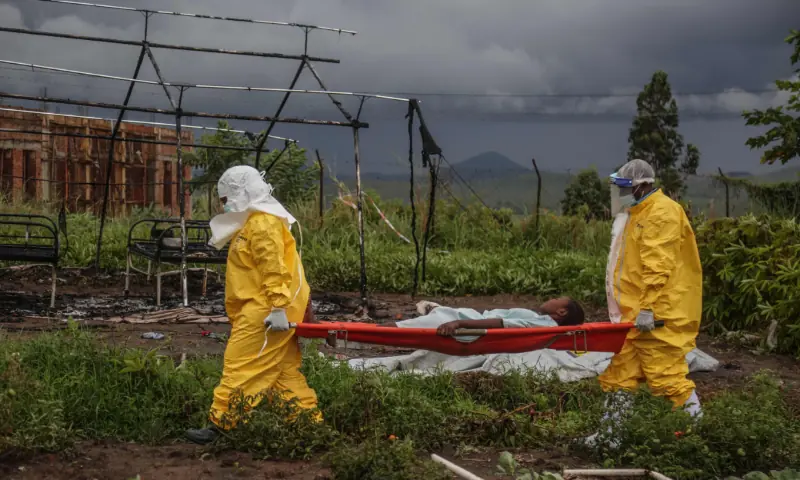
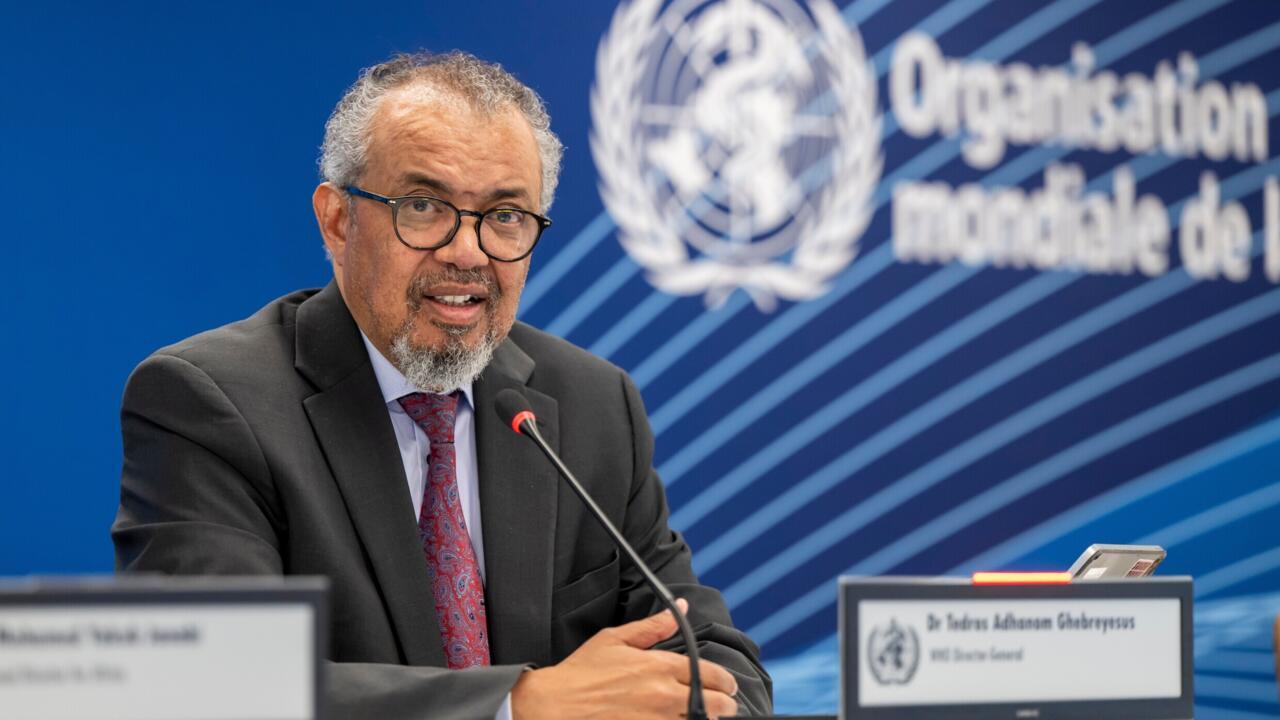
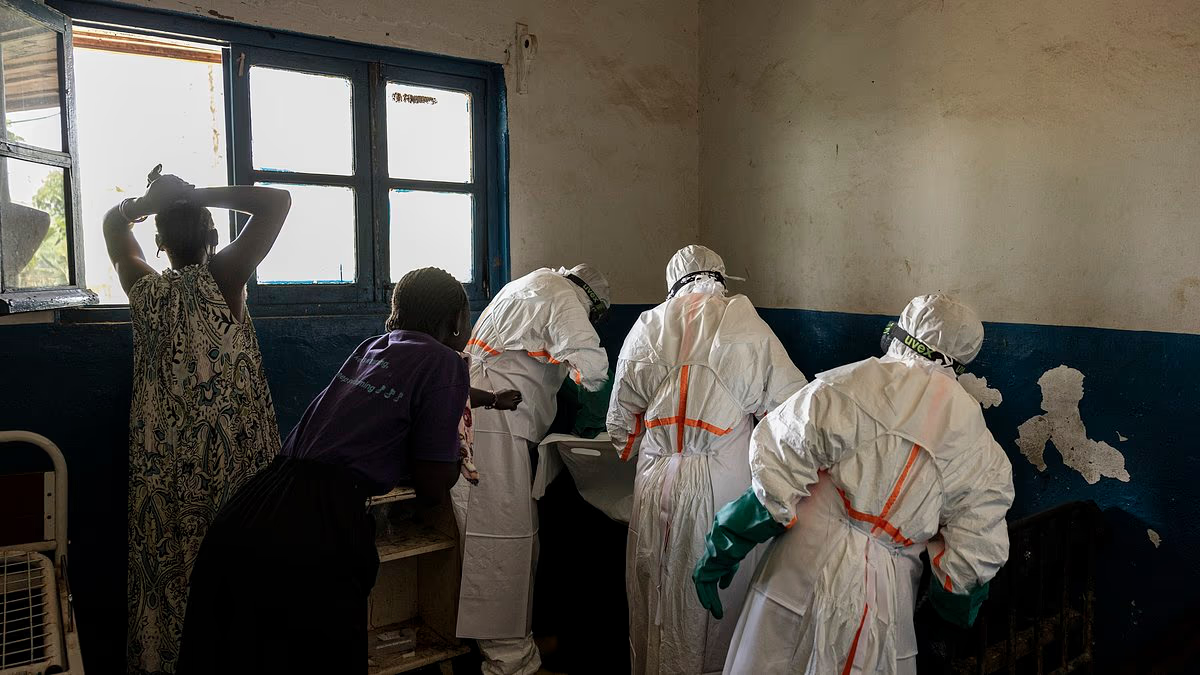
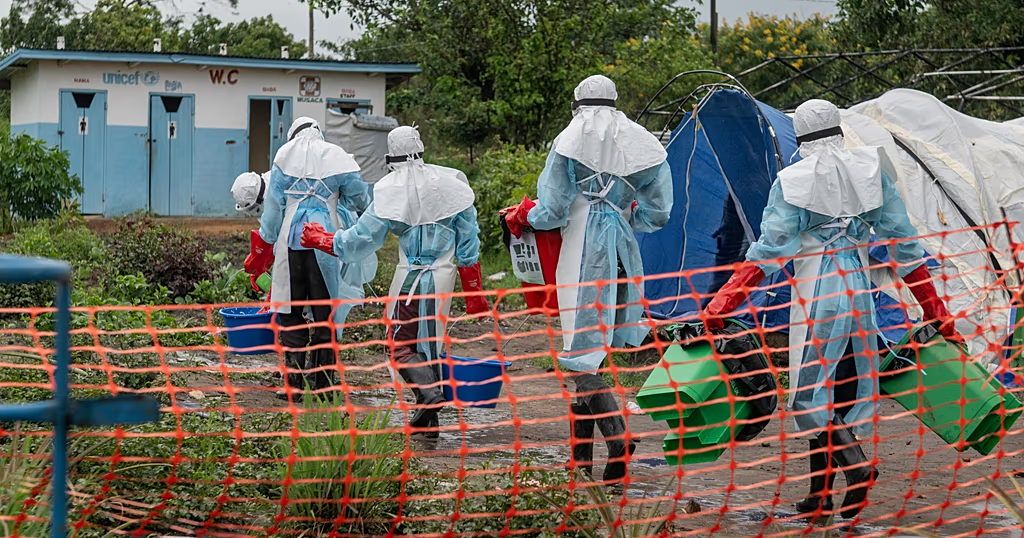
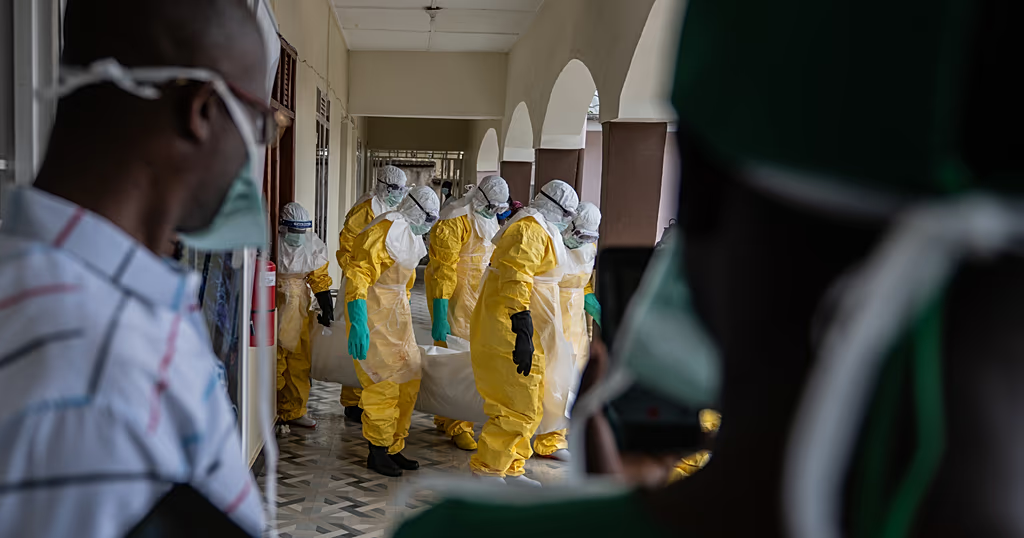
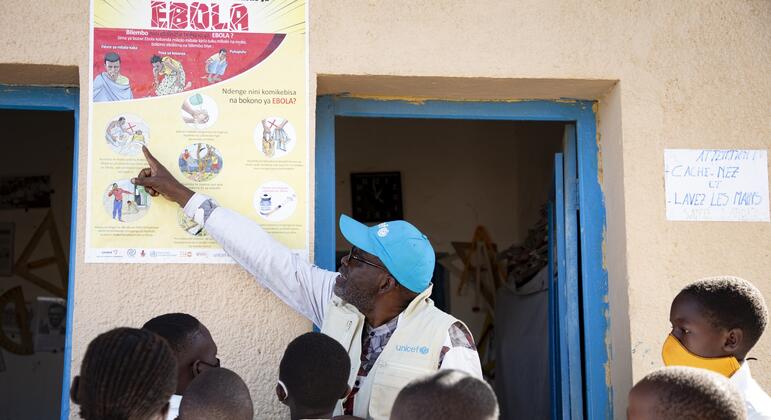
The UN World Health Organization (WHO) on Friday raised the national risk assessment for DRC to “very high” - although the global risk remains “low”.So far, 82 cases and seven deaths have been confirmed in DRC, but WHO says the real scale of the outbreak is likely far larger, with nearly 750 suspected cases and 177 suspected deaths reported.The outbreak is unfolding amid intensified fighting, mass displacement and deep mistrust of outside authorities, fuelled by rumours and misinformation.One hospital in Ituri province on Thursday was set on fire by angry relatives after authorities refused to release the body of a deceased family member, fearing contamination, according to reports.How the UN system is respondingWHO raises Ebola risk in DRC to “very high”; regional risk remains “high” and global risk “low”WHO deploys 22 international staff; UNICEF sends emergency response team to Bunia.Health teams support contact tracing, treatment centres, risk communication and community engagementUN relief chief allocates up to $60 million for the response in DRC and neighbouring countries; WHO releases $3.9 millionWHO and Africa CDC establish a continental incident management support teamMONUSCO airlifts nearly 30 tons of emergency supplies – including medicines, tents and protective equipmentThe UN peacekeeping mission also runs an air bridge and deploys vehicles to strengthen logisticsWHO and partners prepare clinical trials for experimental Ebola treatments and potential vaccines targeting the Bundibugyo strain.Red Cross volunteers carry out door-to-door awareness campaigns and mobilise safe and dignified burial procedures Read more about the outbreak here and about ebola symptoms and prevention here.Two cases in UgandaTwo cases – linked to travel from DRC – have been confirmed in Uganda, including one death.Two American nationals – including a doctor and another person described as a “high-risk contact” – have been transferred to Europe for treatment or monitoring.The outbreak is caused by the Bundibugyo strain of Ebola, for which there are currently no approved vaccines or therapeutics. Only two previous outbreaks of the strain have ever been recorded – in Uganda in 2007 and DRC in 2012.Conflict complicates responseThe outbreak is unfolding in Ituri and North Kivu provinces, regions long scarred by armed violence and humanitarian crises.“Across both provinces, around four million people need urgent humanitarian assistance, two million are displaced and ten million face acute hunger,” Tedros said.Fighting has intensified in recent months, displacing more than 100,000 people and hampering health operations.Emergency $60 million allocatedAlso on Friday, UN Emergency Relief Coordinator Tom Fletcher announced the allocation of up to $60 million from the Organization’s Central Emergency Response Fund to support the response in DRC and neighbouring countries.“These are tough operating environments for lifesaving work,” Mr. Fletcher said. “We face conflict and high population movement.”He stressed the importance of securing access for frontline responders, including in areas controlled by armed groups. “It is essential that there is no obstruction,” he said.