Show Caption
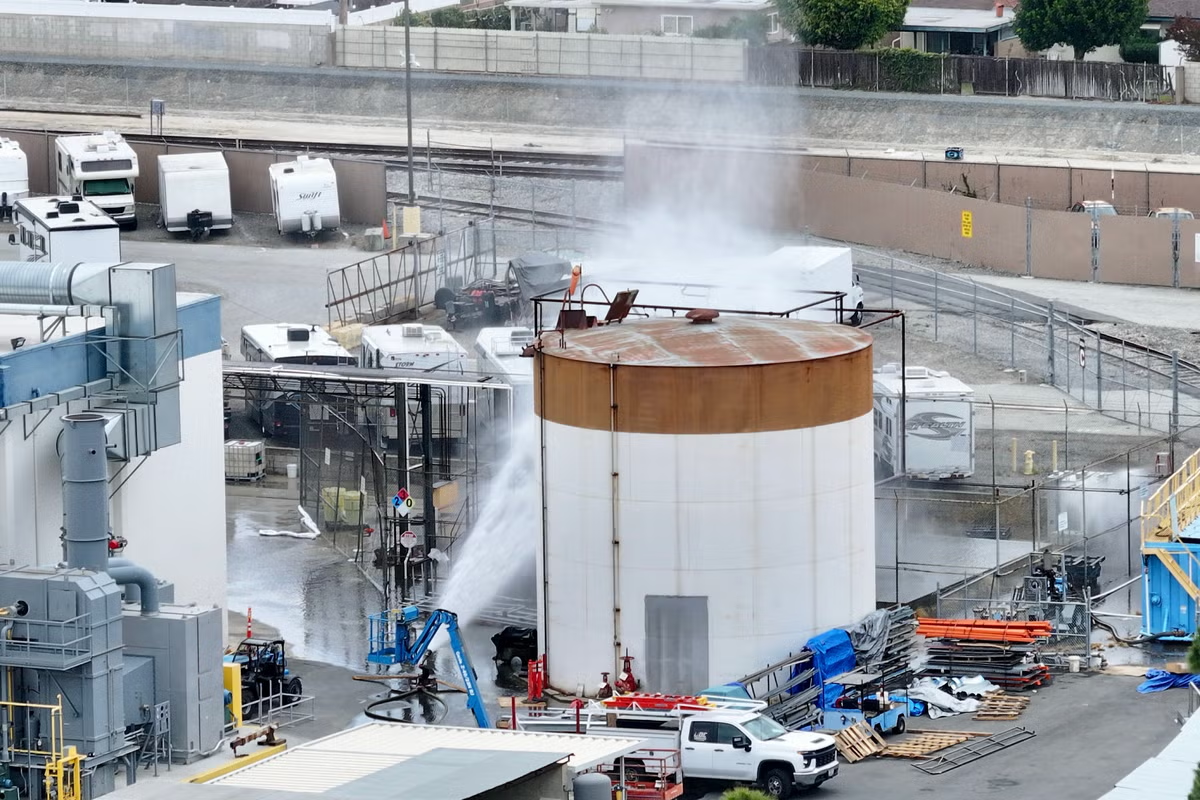
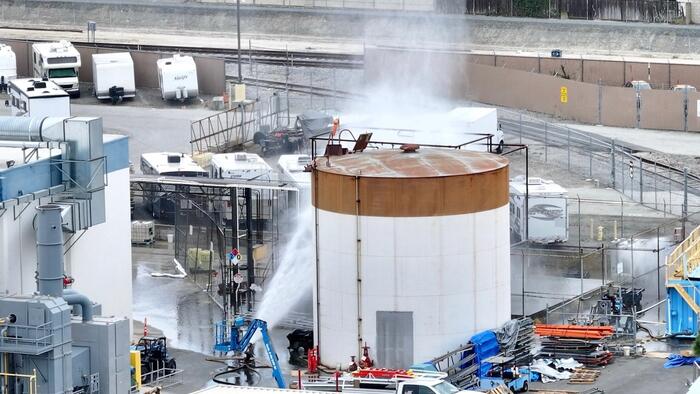
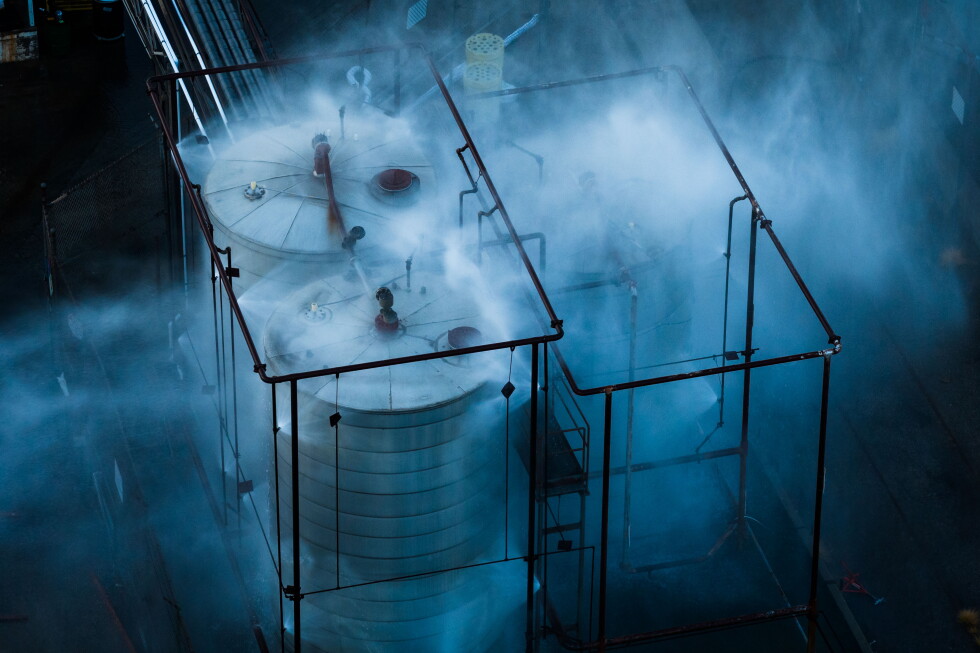
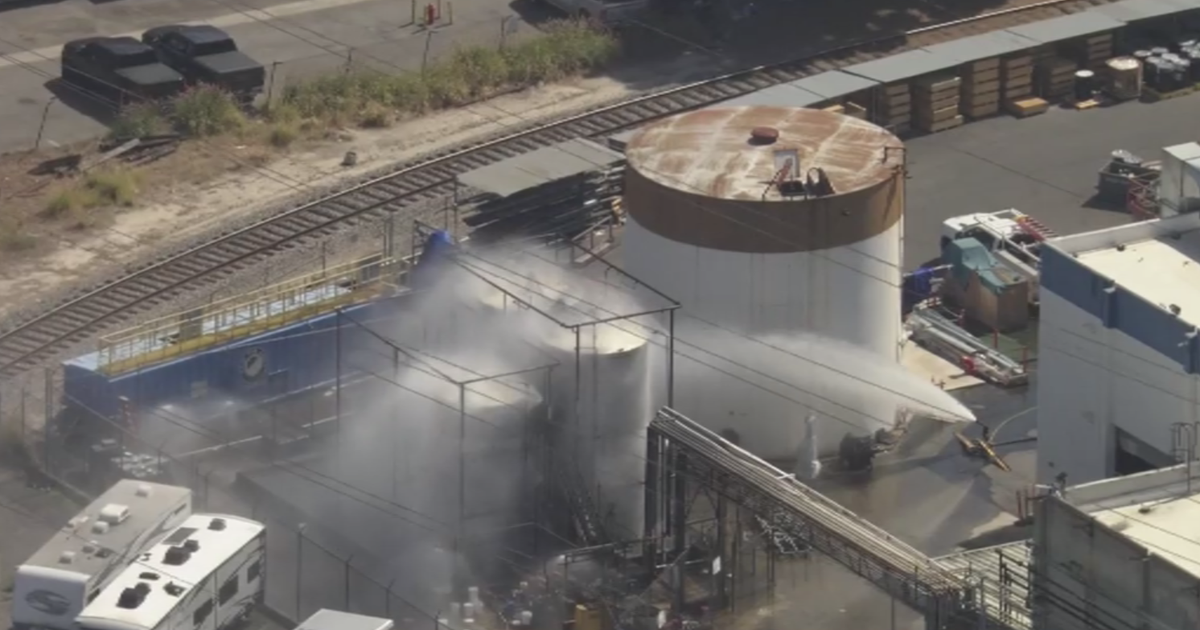
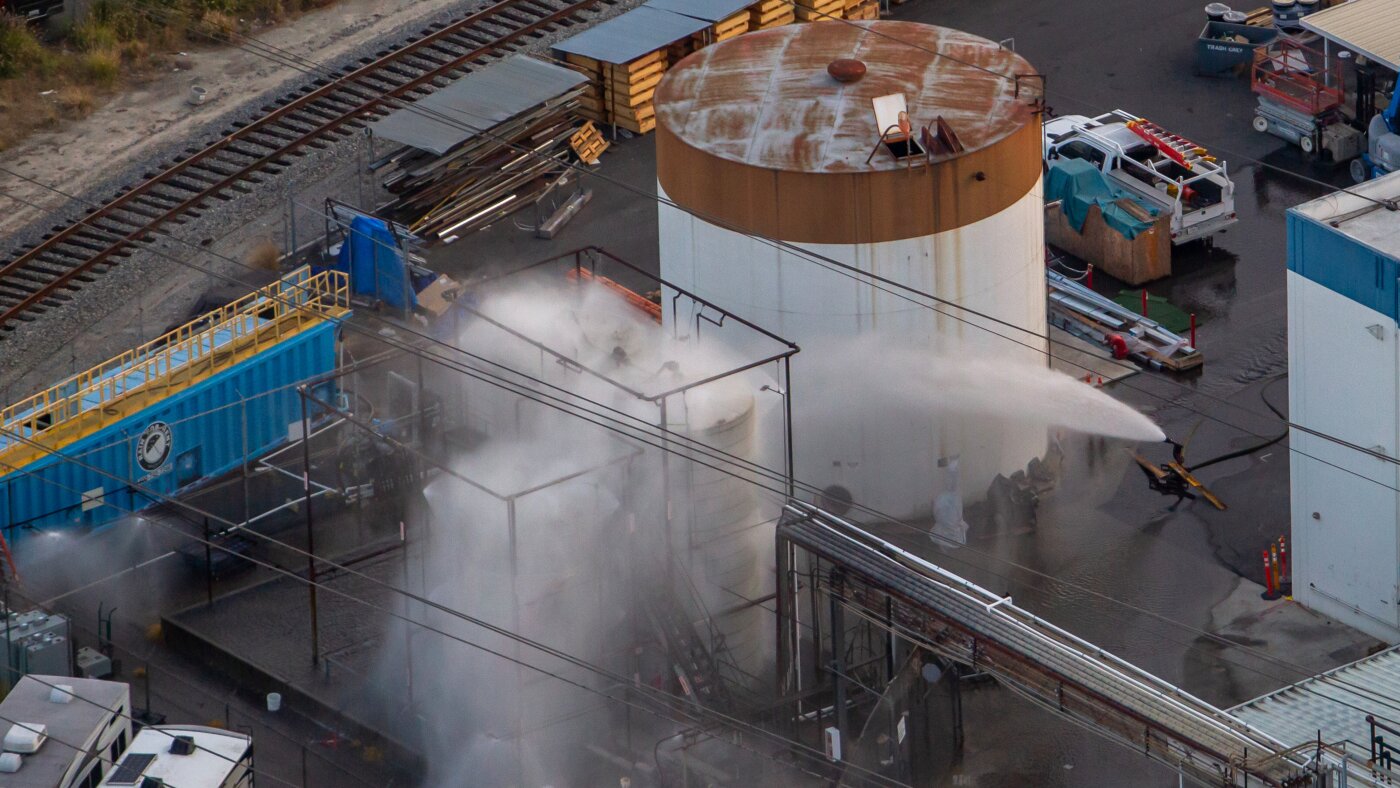
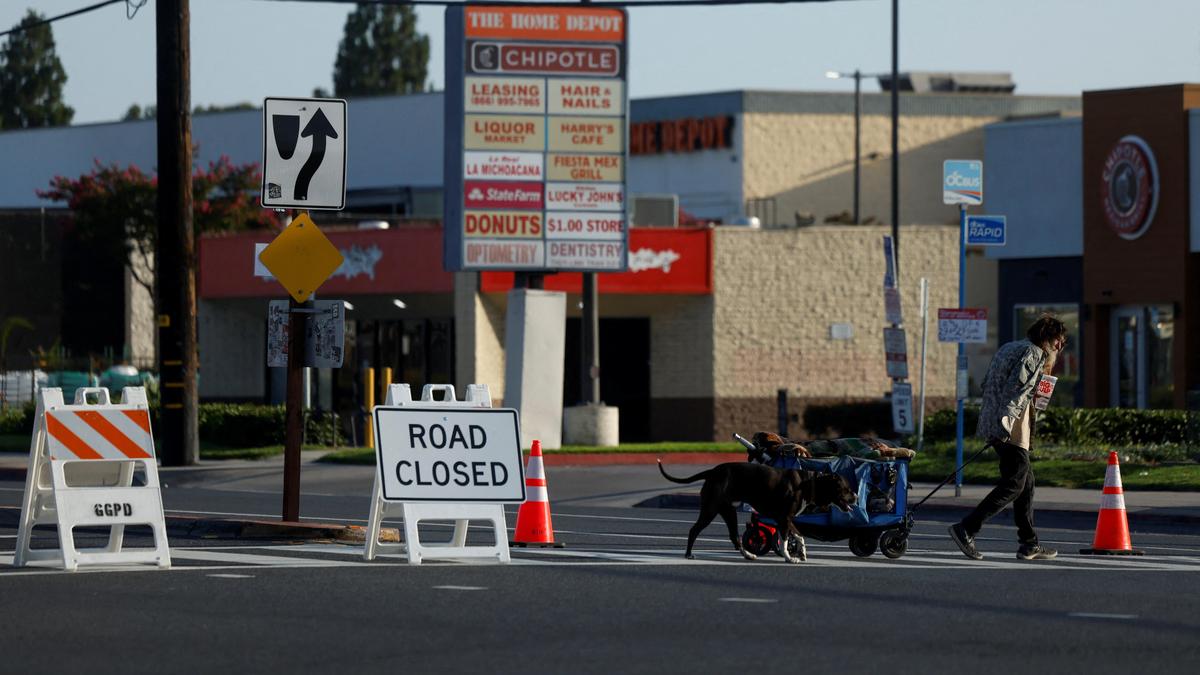
Authorities are preparing for a “tank actively in crisis” after responding to an industrial chemical leak in Garden Grove, California.An estimated 40,000 people are impacted in the evacuation area, an official said.The "best case scenario" is a spill, one official said. Authorities are also preparing in the event the tank "blows up."An estimated 40,000 residents in Orange County, California, are under evacuation orders as of May 22 as authorities prepare for two alarming options involving the potential failure of a tank holding an explosive industrial chemical.Orange County Fire Authority officials outlined the danger from a “tank actively in crisis” after responding to an industrial chemical leak the previous day. Efforts to stop the leak were not successful leading to a widening evacuation effort on May 22.The tank contains methyl methacrylate, which is used to manufacture resins and plastics, according to a fact sheet from the Environmental Protection Agency. Local health officials describe the chemical as "very toxic.""We understand this is a unique hazmat incident and appreciate the public’s concern and willingness to help. Please know that subject matter experts are working around the clock to mitigate the emergency safely and effectively," OCFA said in a post on X, as officials activated its emergency operations center.Firefighters initially were called to an aerospace manufacturing company in Garden Grove, California, “for a vapor release from a 34,000-gallon tank containing methyl methacrylate, an industrial chemical used in plastics and manufacturing,” the Orange County Fire Authority said in a post on X on May 21.Officials were “stabilizing the incident,” and an evacuation order was issued for Garden Grove, a city within Orange County, according to an update posted May 21 by the city's officials.Residents were allowed to return to their homes later that night after an initial success in a cooling operation, said Craig Covey, a division chief with Orange County Fire Authority. However, the “tank that is in the biggest crisis” is “unable to be secured and mitigated in the current information we’re getting from the manufacturer,” according to information officials received in the morning of May 22.According to Covey, there are “literally two options left remaining.”“One, the tank fails and spills a total of about 6-7,000 gallons of very bad chemicals into the parking lot and that area,” he said. “Or two, the tank goes into a thermal runaway and blows up, affecting the tanks ... around them” containing “fuel or the chemicals in them as well.”Covey said there is no active gas leak or plume in the area, but officials are setting up evacuations “in preparation for these two options — it fails, or it blows up.”“We have a tank that is actively in crisis, for lack of better word,” he said. “We’ve been working very, very hard to mitigate it with both the manufacturing company, their third-party contractor to mitigate these types of incidents, as well as our hazmat teams,” he said.Garden Grove Police Chief Amir El-Farra said officials expanded their evacuation areas just before noon on May 22.Covey urged the community to follow the latest evacuation order on May 22, a sentiment echoed by the mayor of Garden Grove.“To everyone still in evacuation areas, please leave immediately,” Garden Grove Mayor Stephanie Klopfenstein said just after 2 p.m. on May 22. “This is a serious situation and now it is not the time to wait. Please leave now.”The city has opened two evacuation centers in Garden Grove and Cypress.'Best case scenario' is a spill, officials sayFull mitigation efforts involving the tank were hindered due to a damaged valve, officials said during a press conference May 22.Officials are “calling people all over the state and the country” for ideas on “how we can safely go in there and depressurize a pressurized tank,” Covey said.Officials have created “containment barriers in anticipation” of roughly 7,000 gallons of “liquid going out on the ground,” he said.“We’ve made sand barriers,” Covey said. “We’ve done our efforts to mitigate it from getting into the storm drains and the river channels and into our oceans that we know are close.”According to Covey, this is the “best case scenario.”“Once it comes out, it is no longer an explosive hazard and our hazmat teams in their chemical protective suits can go in, neutralize and mitigate the vapors that will be coming off of that,” he said.Covey said it is not known as to when the tank could fail.What we know about possible health impactsThe OCFA said the tank contains methyl methacrylate, an industrial chemical that is “very toxic," a county health officer said during a press conference on May 22.The county health officer said that there is very limited case reports of exposure.“When you have limited short-term exposure, meaning maybe you inhaled some of the vapor, it can cause significant irritation in the lungs, the nasal passages, and it can also cause nausea, can also cause dizziness,” the county health officer said. “At very high levels, it can really cause severe respiratory distress and hospitalization, and this is where we really need everybody to heed all of the evacuation orders.”The county health officer said that a “long-term consequence” is “it will affect other organs.”“The reason why the evacuation zone was expanded was to take into consideration the potential of a plume,” she said.Paris Barraza is a reporter covering Los Angeles and Southern California for the USA TODAY Network. Reach her at pbarraza@usatodayco.com.