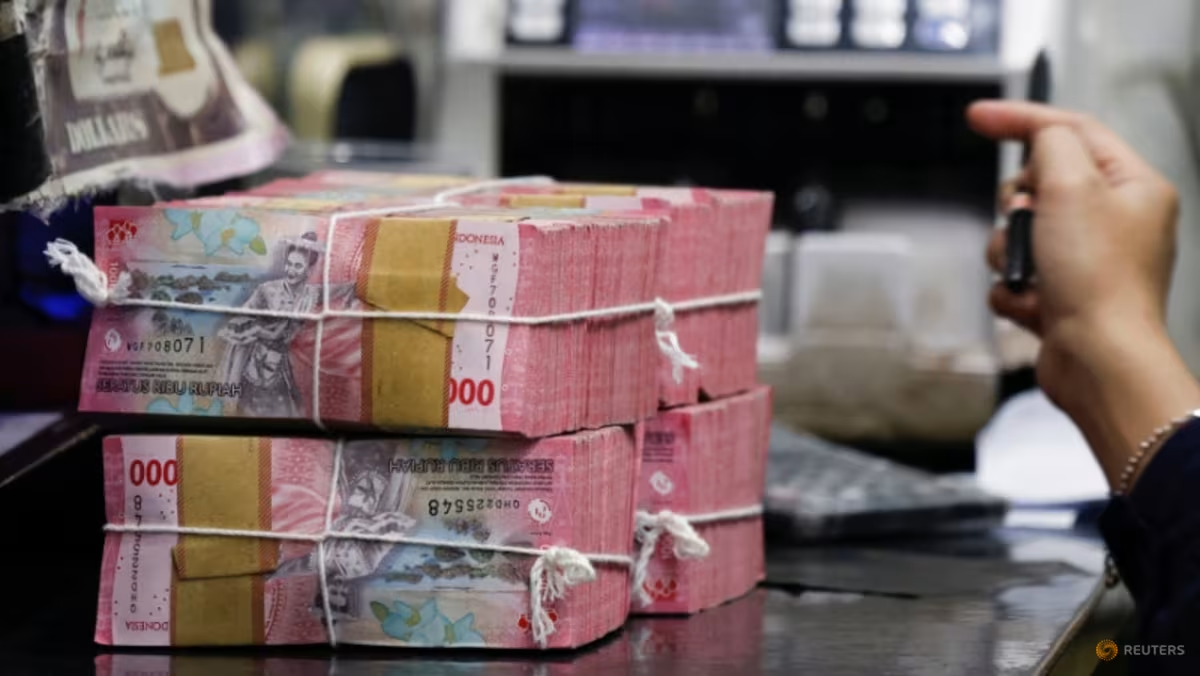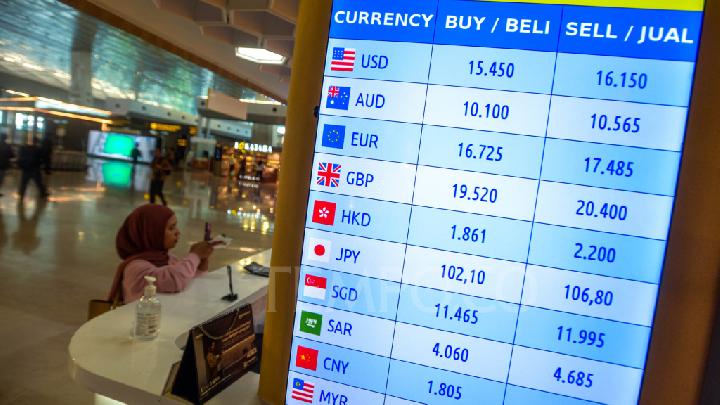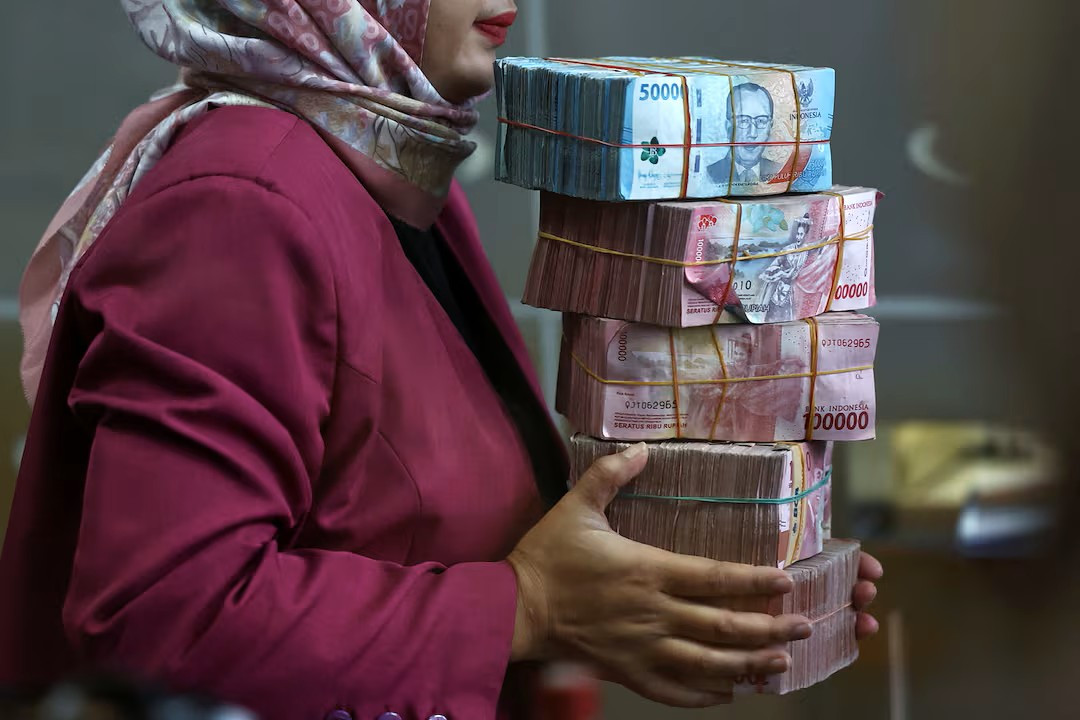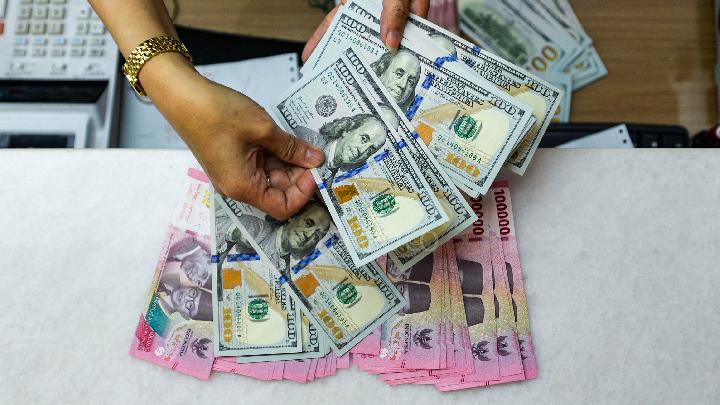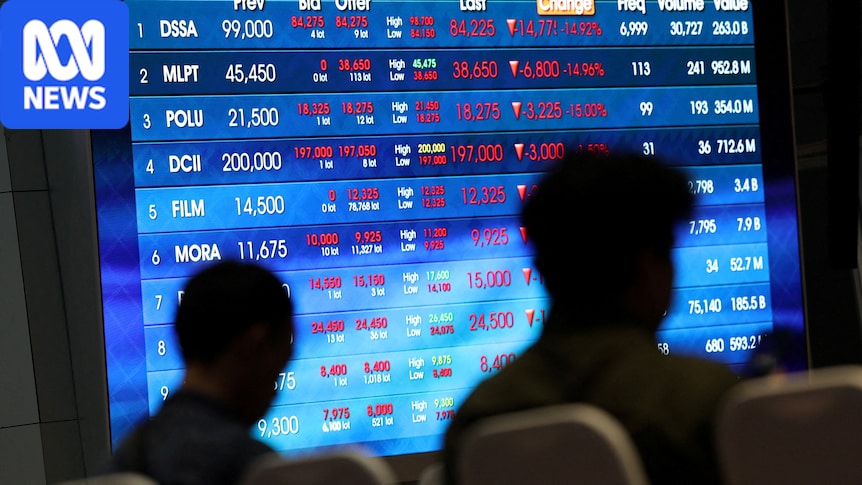
Middle-class Indonesians are among the groups most vulnerable to currency depreciation, because a larger share of their spending is impacted by changing exchange rates.
Indonesian students abroad must budget carefully as a weaker rupiah buys significantly less in many foreign currencies than it did just a few months ago. (Pexels/Courtesy of Karolina Grabowska)
“Since all expenses, including tuition fees, rent, food, transportation and daily needs, are paid in a foreign currency, the weaker rupiah has a very noticeable impact on families like ours, especially for me as a teacher, relying solely on my salary to finance my child’s education,” said Hani Herawati, who pays for her child to study civil engineering in Italy.
The currency’s depreciation is shaping daily spending decisions and long-term financial planning, particularly among households exposed to foreign currency-linked expenses like education, housing, imported goods and overseas travel.
Paramadina University economist Wijayanto Samirin said middle-class Indonesians were among the groups most vulnerable to currency depreciation, because much of their consumption is closely tied to foreign exchange movements, while they receive relatively little social assistance.