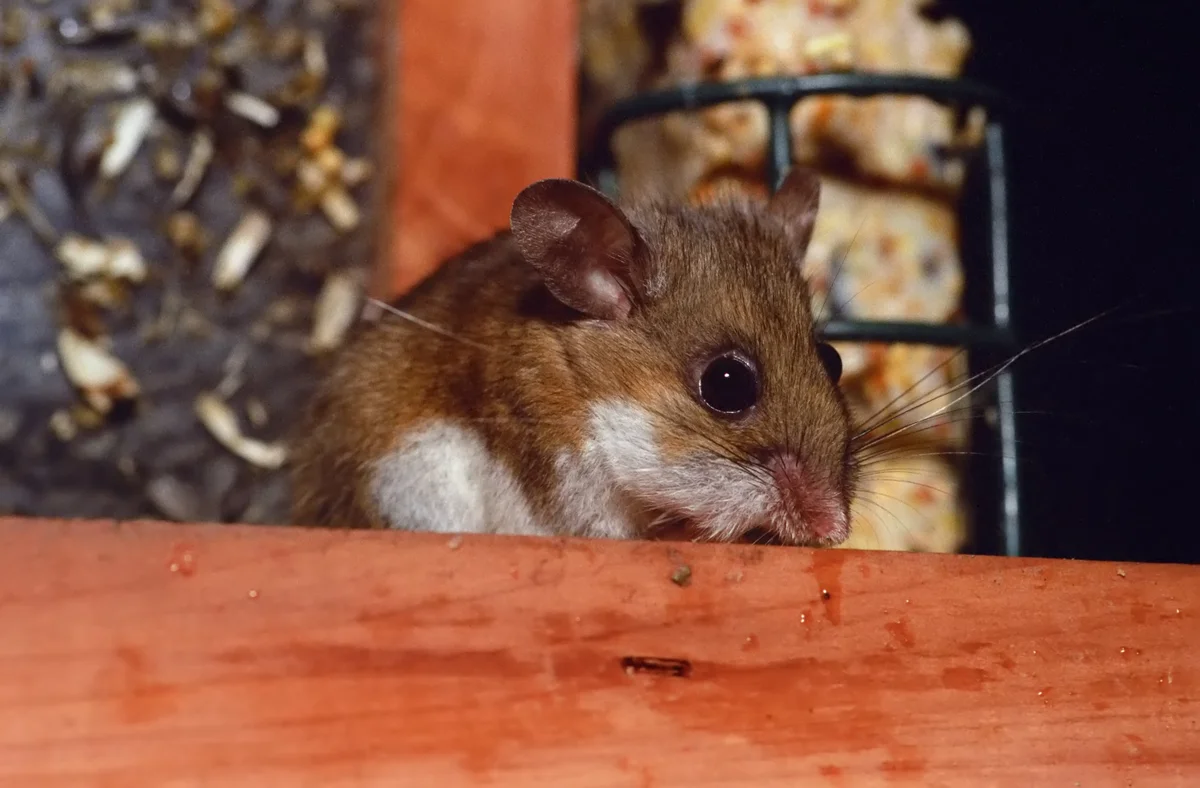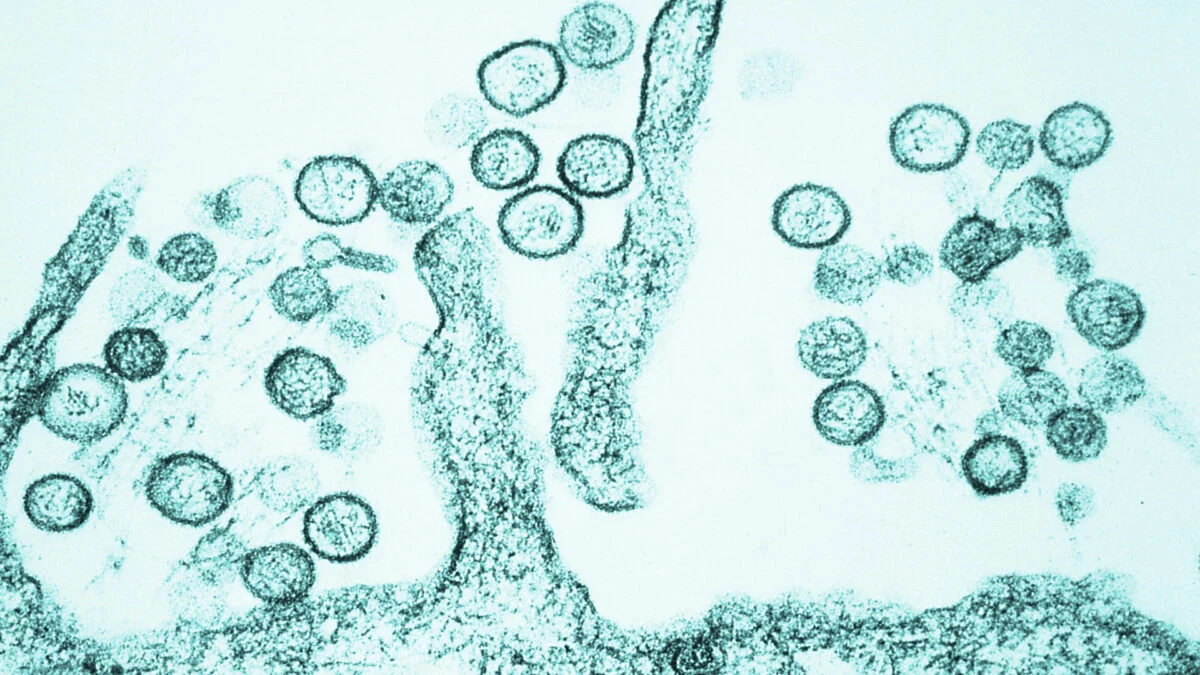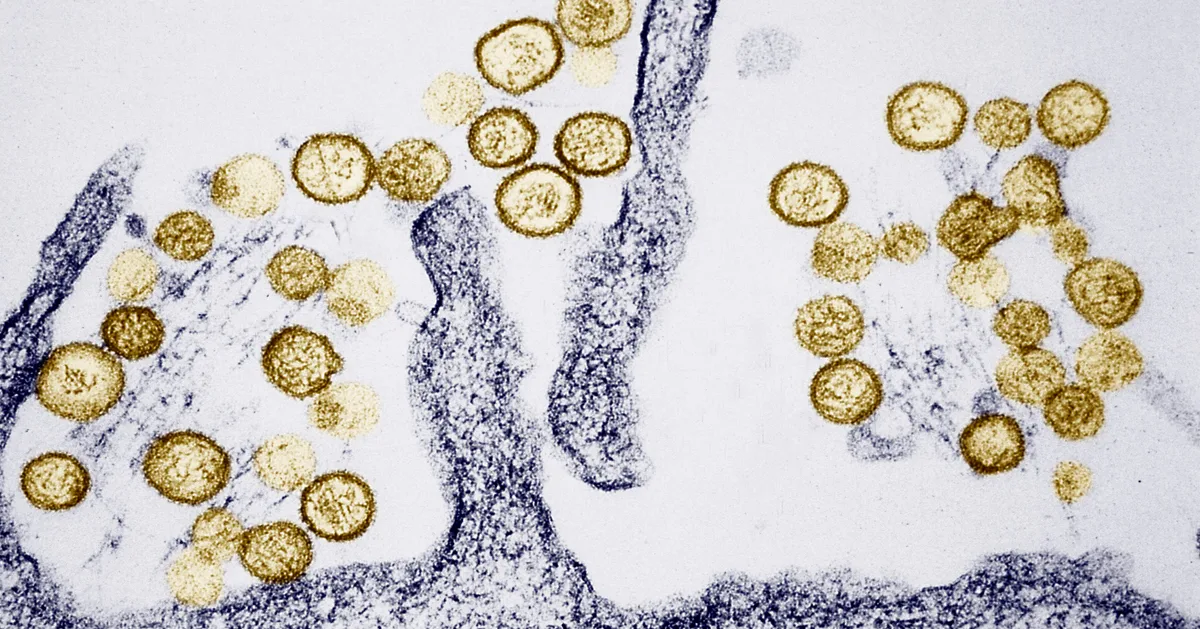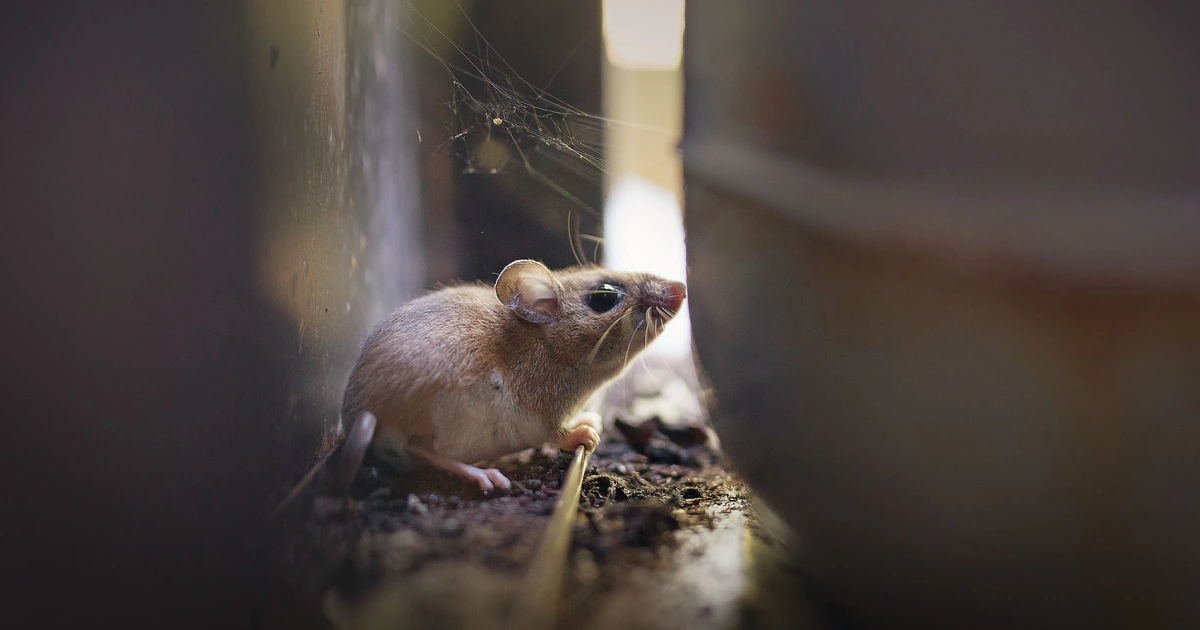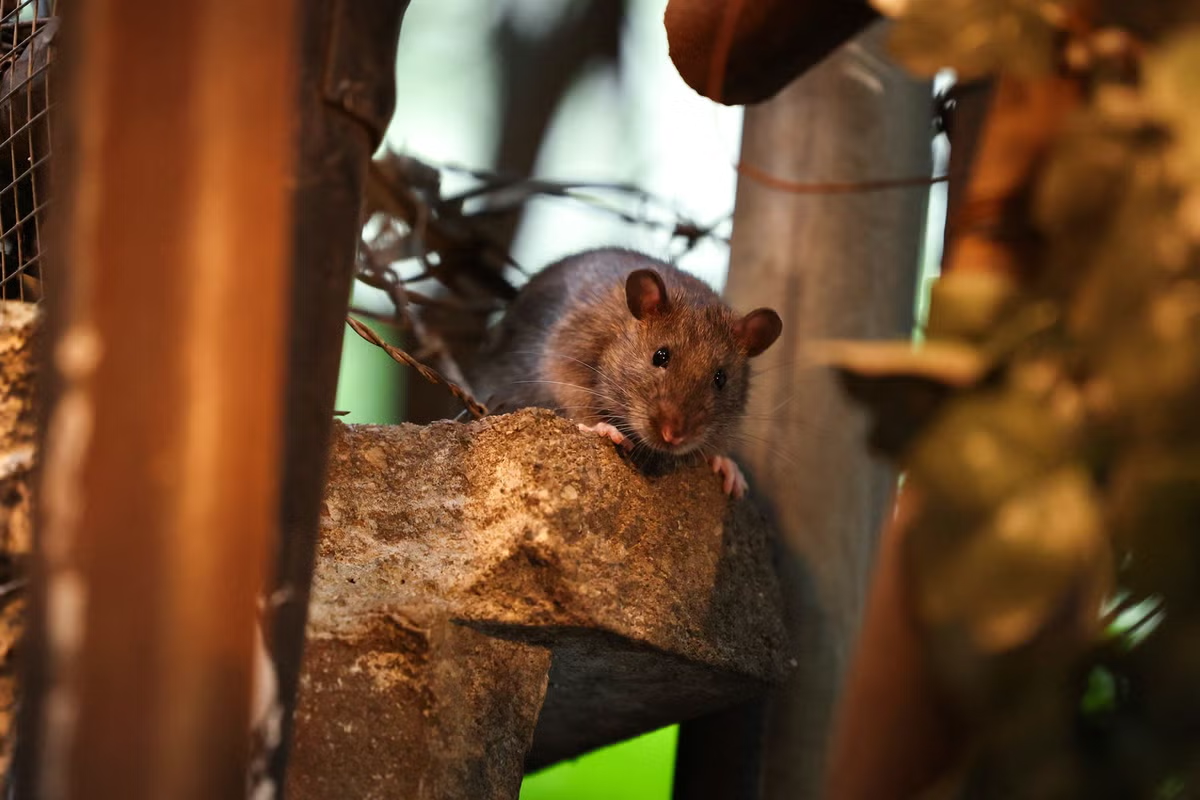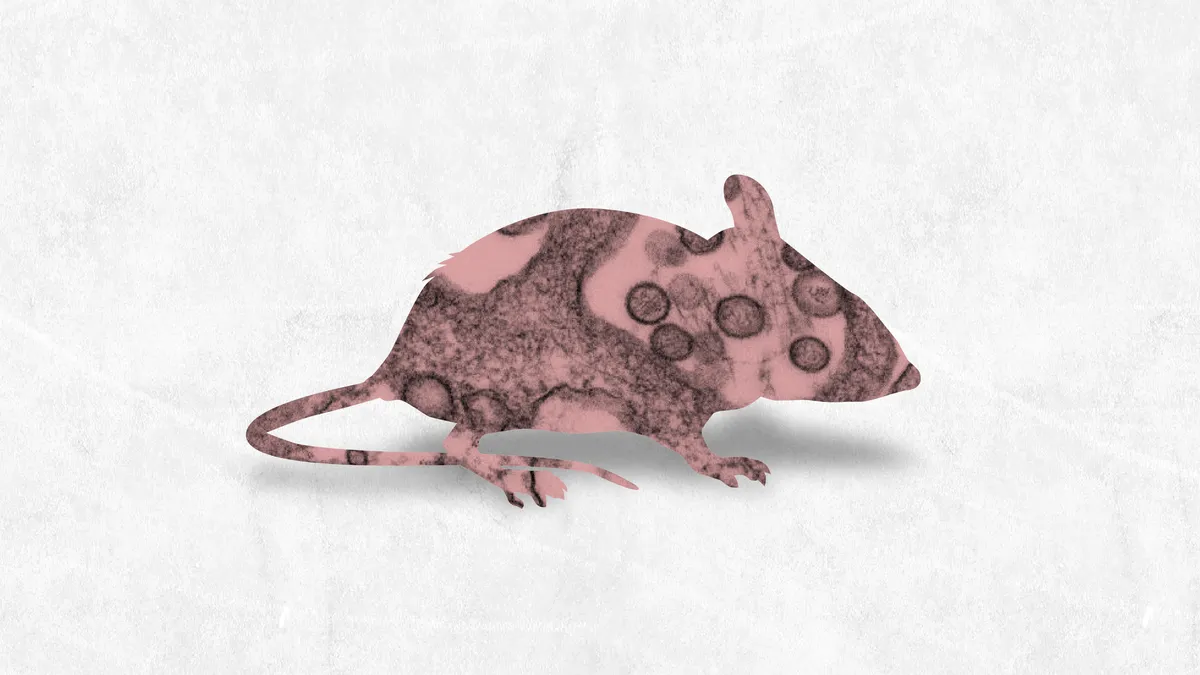
You may be at greater risk of contracting a hantavirus strain that can cause a deadly respiratory disease in humans if you live in the Pacific Northwest, a new study shows.Nearly 30% of rodents – 189 mice, voles and chipmunks – in the Palouse region of Washington and Idaho were found to have been infected at some point with the strain, known as Sin Nombre virus, or SNV. That’s more than previously believed.About 10% of the rodents were actively infected, meaning they were carrying and could potentially shed the virus, the study reported. It also indicates one rodent species could infect another.SNV, the most common hantavirus strain in the United States, is different from the Andes strain of hantavirus that caused three deaths among passengers on the cruise ship MV Hondius earlier this month:Andes is rare but it can be spread from person to person.SNV is more common, but people are infected only through exposure to rodents.However, “we were surprised both by how common the [SNV] virus was locally and by how little data existed for the Northwest,” said Stephanie Seifert, the corresponding author of the study by Washington State University’s College of Veterinary Medicine.Can't see our graphics? Click here to reload the page.Sin Nombre is the most common cause of hantavirus pulmonary syndrome in the United States. It was first identified during a May 1993 outbreak in the Four Corners region of the United States. At least 864 cases were reported in the United States from 1993 to 2022, with a 36% case-fatality rate.Rodents spread the virus among themselves. Humans get infected usually by inhaling airborne particles from contaminated rodent droppings, urine, or nesting materials.SNV is primarily found in deer mice, “which are common around farms, homes and outbuildings,” the study said. However, samples were collected from 189 animals, including deer mice, voles and chipmunks, which suggests the virus may be transmitted between species.“Despite the relatively high prevalence of the virus in rodents, reports of human infections remain rare, which could indicate some infections are going unnoticed,” the study said.The study was conducted by Washington State University’s College of Veterinary Medicine. It was published in the Centers for Disease Control and Prevention’s Emerging Infectious Diseases journal.Siefert, the corresponding author of the study, is also principal investigator of the Molecular Ecology of Zoonotic and Animal Pathogens lab in the College of Veterinary Medicine’s Paul G. Allen School for Global Health.Field work was conducted in the summer of 2023. Researchers trapped rodents across farms and natural areas in Whitman County, Washington, and Latah and Benewah counties in Idaho. SOURCE USA TODAY Network reporting and research; Reuters; Centers for Disease Control and Prevention; Washington State University College of Veterinary Medicine; National Institutes of Health
Hantavirus risk from rodents may be higher in Pacific Northwest
A hantavirus strain that causes deadly respiratory disease in humans may be more prevalent among rodents in Pacific Northwest, new study says.
455 words~2 min read